Average Life Expectancy by Age and Sex: How to Read the Numbers

Life expectancy is a population estimate, not a personal guarantee or deadline. Life expectancy at birth is different from life expectancy at older ages.
Key Takeaways
- Life expectancy is a population estimate, not a personal guarantee or deadline.
- Life expectancy at birth is different from life expectancy at older ages.
- Women often have a higher average life expectancy than men, but individual health matters more than averages alone.
- The numbers reflect current death rates and can change over time with healthcare, lifestyle, and social conditions.
- Family history, chronic diseases, smoking, exercise, diet, sleep, and access to care all influence personal longevity.
Average life expectancy by age and sex helps explain how long people in a population are expected to live based on current mortality patterns. These numbers are useful for planning and public health, but they do not predict exactly how long any one person will live.
Overview: What Average Life Expectancy Means
Average life expectancy is the estimated number of years a person is expected to live, based on death rates seen in a specific population at a specific time. It is usually shown by age and sex because the chance of living additional years changes as a person gets older, and because mortality patterns often differ between males and females.
These figures are created from population data, not from one person’s medical record. In simple terms, a life expectancy table asks: if current death rates stay the same, how many more years would a person of a certain age be expected to live on average? This makes the numbers useful for comparing populations, planning retirement, understanding public health, and discussing healthy aging.
It is important to read these numbers carefully. Averages describe groups, not individuals. Two people of the same age and sex may have very different health profiles, lifestyles, and life expectancies. A person with good blood pressure control, regular physical activity, and no smoking history may have a different outlook than the average shown in a table.
How to Read Life Expectancy by Age and Sex
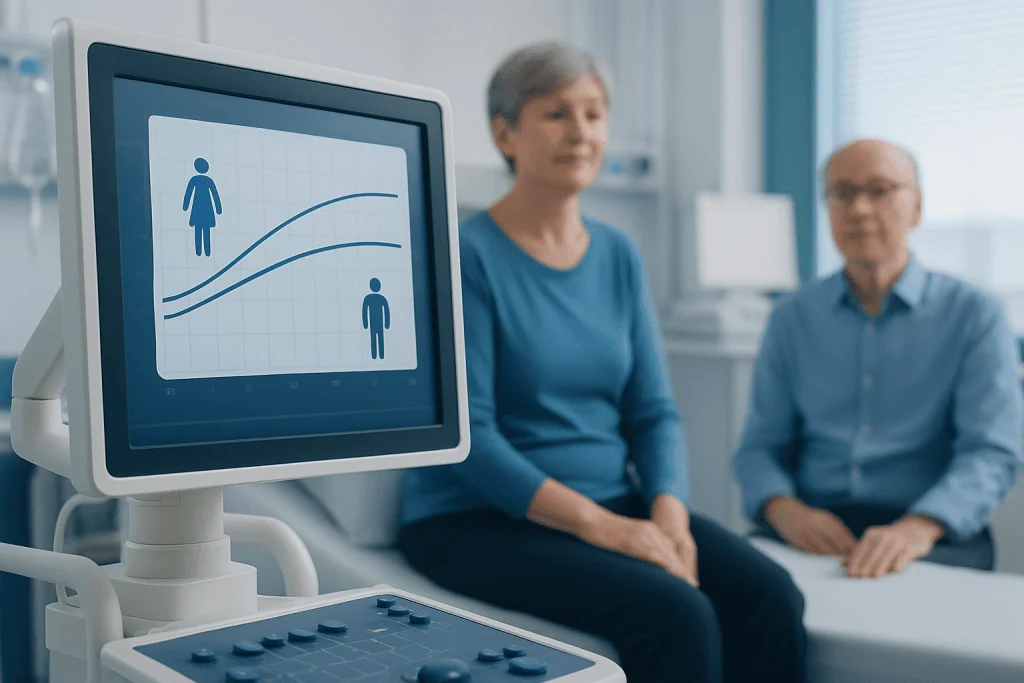
Many people are familiar with life expectancy at birth, but that is only one measure. Life expectancy at birth estimates the average number of years a newborn might live if current death rates continue throughout life. Once a person reaches adulthood or older age, the calculation changes. For example, life expectancy at age 60 means the average number of additional years a 60-year-old person may live, not their total lifespan from birth.
This is why life expectancy can seem to “increase” as someone gets older. A person who has already reached 70 has passed through earlier life risks, so their remaining life expectancy is calculated from age 70 onward. That does not mean aging reverses risk; it means the estimate is now based on surviving to that age.
Sex also matters in many life tables. In many countries, women on average live longer than men. Experts believe this difference reflects a combination of biological factors, lifestyle patterns, occupational risks, smoking and alcohol trends, and differences in how often people seek medical care. However, these are broad patterns and should not be used to make assumptions about any single individual.
- Life expectancy at birth: average total years of life from birth.
- Life expectancy at age X: average remaining years for someone who has already reached that age.
- By sex: separate estimates for males and females based on observed mortality patterns.
- By country or region: figures vary widely depending on healthcare, income, environment, and public health conditions.
What Life Expectancy Numbers Can and Cannot Tell You

Life expectancy numbers can help people understand broad health patterns in a society. Governments and health systems use them to track progress in disease prevention, maternal health, child health, vaccination, road safety, cancer care, and treatment of chronic conditions such as heart disease and diabetes. A rising life expectancy often suggests better sanitation, nutrition, healthcare access, and living conditions.
However, life expectancy does not tell the whole story about healthy aging. It does not show quality of life, disability, independence, memory, mobility, or emotional well-being. For that reason, some experts also look at healthy life expectancy, which estimates how many years people may live in good health rather than simply how long they live.
These numbers also cannot predict an exact age of death. They do not account for all personal factors, such as genetics, smoking, obesity, chronic illness, education, air pollution exposure, social support, stress, or access to timely treatment. Life expectancy is best understood as a map of population risk rather than a forecast for one person.
Why Life Expectancy Differs Between People and Populations
Differences in life expectancy are influenced by many interacting factors. Biology plays a role, but so do social conditions, behaviors, and healthcare systems. Countries with strong preventive care, clean water, safer roads, lower tobacco use, and effective treatment for infections and chronic diseases often have higher life expectancy than countries facing barriers in these areas.
Within the same country, life expectancy may differ by income, education, neighborhood, occupation, and ethnicity. Long-term stress, physically demanding work, food insecurity, limited access to exercise spaces, and delayed medical care can all affect health over time. Mental health also matters, as depression, substance use, and social isolation may contribute to poorer outcomes.
At the individual level, major influences on longevity include blood pressure, cholesterol, blood sugar control, body weight, sleep, physical activity, smoking, alcohol use, vaccination, and regular checkups. Some medical conditions may reduce life expectancy if untreated, while early diagnosis and modern treatment may improve outcomes significantly. This is one reason prevention and timely care matter so much in healthy aging.
Common Misunderstandings About Life Expectancy
One common misunderstanding is thinking that life expectancy is a countdown clock. It is not. If a table says a person of a certain age has an average remaining life expectancy of 20 years, this does not mean everyone in that group will die in exactly 20 years. Some will live much longer and some shorter. The number is an average across a population.
Another misunderstanding is assuming that sex differences determine personal destiny. While women often have a higher average life expectancy than men, individual habits and medical history can outweigh group averages. A man with healthy habits and good preventive care may live longer than the average for either sex, while a woman with significant health risks may have a lower-than-average outlook.
People also sometimes compare life expectancy figures from different years without considering context. Events such as pandemics, heat waves, war, economic disruption, or changes in overdose deaths can affect mortality in a given period. Because life expectancy is based on current death rates, it can go up or down over time and should be interpreted within a broader public health picture.
How Personal Health Influences Longevity
Although no one can control every factor related to aging, many everyday health decisions are linked with longer and healthier lives. Avoiding tobacco is one of the most important steps. Regular movement, whether walking, swimming, cycling, or strength training, supports heart health, bone health, mood, and metabolic health. A balanced eating pattern that emphasizes vegetables, fruits, whole grains, legumes, healthy fats, and appropriate protein also supports healthy aging.
Sleep and stress management are often overlooked. Poor sleep, untreated sleep disorders, and chronic stress can affect blood pressure, weight, mood, and blood sugar regulation. Social connection is also associated with healthier aging. People who maintain meaningful relationships and stay mentally and physically engaged often report better well-being as they grow older.
Medical prevention matters as well. Blood pressure checks, cholesterol testing, cancer screening, vaccination, dental care, and management of chronic diseases can all reduce risk over time. For people with concerns about age-related conditions or disease risk, a doctor may recommend more detailed assessment, lifestyle guidance, or specialist evaluation.
Some individuals seek a broader assessment of healthy aging through preventive medicine and internal medicine services. When appropriate, clinicians may evaluate cardiovascular risk, metabolic health, bone health, and age-related symptoms as part of a personalized plan for prevention and follow-up.
Using Life Expectancy Information in Real Life
Life expectancy data can be helpful for personal planning, but it should be used thoughtfully. People may look at these numbers when considering retirement, long-term financial planning, caregiving needs, or goals for healthy aging. The most useful approach is to combine population data with an honest review of personal health, family history, and lifestyle.
For example, a doctor may discuss life expectancy in the context of preventive screening, treatment decisions, or chronic disease management. In older adults, overall health status, mobility, cognition, and independence can be more informative than age alone. This is why medical decisions are usually based on a full clinical picture rather than a single number in a table.
Patients who want a clearer understanding of their health risks may benefit from a preventive health review, especially if they have conditions such as high blood pressure, diabetes, obesity, or a strong family history of early heart disease. In international settings, Acibadem International’s multidisciplinary specialists and JCI-accredited hospitals support patients seeking evaluation and care related to healthy aging and chronic disease management.
When to Speak With a Doctor About Longevity and Healthy Aging
A conversation with a doctor can be helpful if a person is worried about family history, age-related symptoms, or chronic disease risk. This is especially true for those with smoking history, high blood pressure, high cholesterol, diabetes, obesity, sleep problems, or low physical activity. A clinician can help separate population averages from personal health realities.
Medical advice is also important when there are signs of declining health, such as unexplained weight loss, shortness of breath, chest discomfort, falls, memory changes, depression, or loss of daily function. Early assessment may help identify treatable causes and support a better long-term outcome.
Rather than focusing only on how long life may be, many experts encourage attention to how well life is lived. A practical goal is to improve healthy years through prevention, appropriate screening, timely treatment, and habits that support physical and emotional well-being. For most people, this balanced approach is more meaningful than any average life expectancy number alone.
Frequently asked questions
What does average life expectancy by age and sex actually mean?
It means the average number of years people in a group are expected to live based on current death rates. The estimate is usually separated by age and sex because risk patterns change over time and may differ between males and females. It describes a population average, not an exact prediction for one person.
Why is life expectancy at age 60 different from life expectancy at birth?
Life expectancy at birth includes all mortality risks from infancy onward. Life expectancy at age 60 is calculated only for people who have already reached 60, so it estimates the average remaining years from that age. This is why remaining life expectancy can still be substantial in older adulthood.
Do women always live longer than men?
In many populations, women have a higher average life expectancy than men. However, this is a broad statistical pattern and does not apply to every individual. Personal health habits, chronic conditions, family history, and access to care can be just as important.
Can life expectancy predict how long one person will live?
No. Life expectancy is based on population averages and cannot account for every personal factor. Individual outcomes depend on genetics, medical history, lifestyle, environment, and access to timely treatment.
What factors can improve a person's chances of living longer and healthier?
Key factors include not smoking, staying physically active, eating a balanced diet, sleeping well, managing stress, and maintaining social connections. Preventive healthcare is also important, including blood pressure control, vaccination, recommended screening, and treatment of chronic diseases.
Is healthy life expectancy the same as life expectancy?
No. Life expectancy estimates how long people live on average, while healthy life expectancy focuses on how many of those years are lived in relatively good health. Both measures are useful, but healthy life expectancy gives more insight into quality of life and daily functioning.
References
- World Health Organization
- Centers for Disease Control and Prevention
- United Nations Department of Economic and Social Affairs
- Organisation for Economic Co-operation and Development
- National Institute on Aging
This article is for general information only and is not a substitute for professional medical advice. Please consult a qualified doctor about your individual situation.
Explore treatments in Turkey — costs, top hospitals & a free quote
JCI-accredited · board-certified surgeons · reply within 24h
Add us as a Preferred Source to see more of our trusted health content across Google Search, AI Overviews and Discover.
Check your numbers in seconds
BMI, calories, due date, blood pressure and 30+ more clinical calculators — free, instant, doctor-reviewed ranges.