

Balance Diet for Hair Growth: Procedure, Recovery and Results

Hair needs sufficient calories, protein and a broad range of vitamins and minerals to grow normally. A restrictive diet, rapid weight loss or nutrient deficiency can trigger diffuse hair shedding.
Key Takeaways
- Hair needs sufficient calories, protein and a broad range of vitamins and minerals to grow normally.
- A restrictive diet, rapid weight loss or nutrient deficiency can trigger diffuse hair shedding.
- Dietary changes are most effective when low intake or a deficiency is part of the cause.
- Hair recovery is gradual because follicles need time to return to a normal growth cycle.
- Patterned, patchy or persistent hair loss should be assessed by a qualified clinician.
A balance diet for hair growth provides adequate energy, protein, iron, zinc and other essential nutrients that support normal hair-follicle activity. It can help hair recover when inadequate intake or a confirmed nutritional deficiency contributes to shedding, but it does not treat every type of hair loss.
Balance Diet for Hair Growth: What It Can and Cannot Do
A balance diet for hair growth supplies the energy, protein, essential fats, vitamins and minerals that hair follicles need to function normally. It may reduce shedding and support regrowth when a person has been under-eating, losing weight rapidly, or has a nutritional deficiency such as low iron or zinc. There is no dietary procedure or recovery period; rather, improvement depends on consistently correcting the underlying nutritional gap over time.
Hair is made largely of keratin, a protein produced by living cells in the hair follicle. When the body is short of energy or important nutrients, it prioritizes vital functions over hair production. This can shift more follicles into a resting phase, causing noticeable diffuse shedding several weeks or months later.
Nutrition is only one part of hair health. Genetic pattern hair loss, autoimmune conditions, thyroid disease, scalp inflammation, medication effects, recent illness and hormonal changes can also affect hair density. A healthy eating pattern supports overall health, but it cannot reliably reverse hair loss that is primarily genetic or caused by another medical condition.
What Diet to Regain Hair Growth?
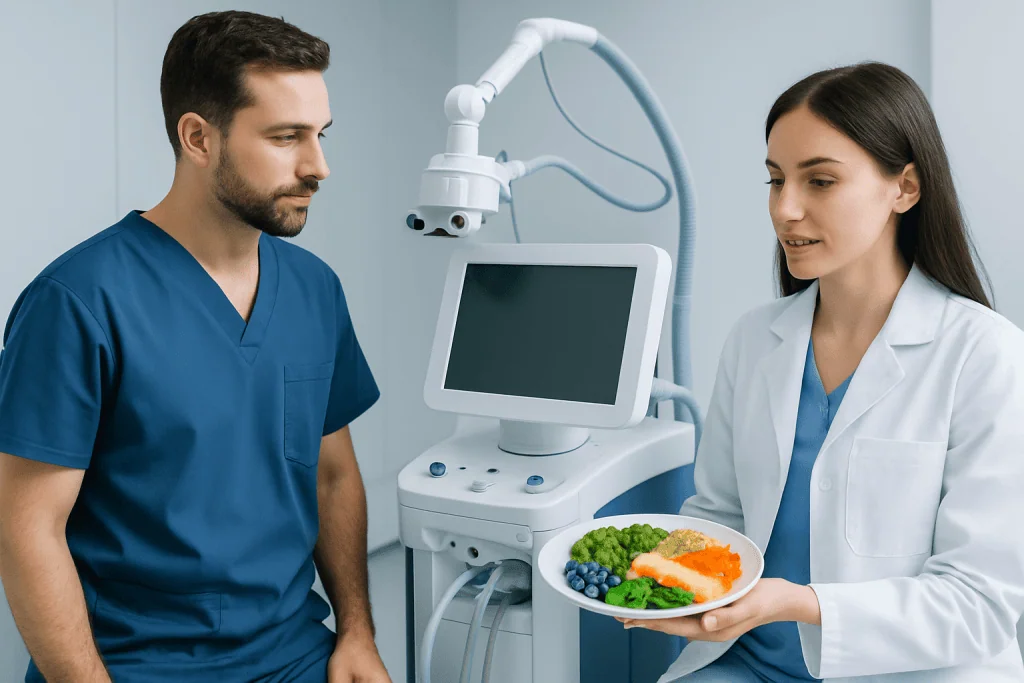
The most helpful diet to regain hair growth is a varied, adequately nourishing eating pattern rather than a restrictive plan or a single so-called hair food. Regular meals should provide enough total energy and protein for the person’s age, body size, activity level and health needs. People who follow vegan, vegetarian, highly restrictive, or rapid-weight-loss diets may benefit from individualized advice from a doctor or registered dietitian.
A practical approach is to include a protein-containing food at meals, colorful fruit and vegetables, whole grains or other fiber-rich carbohydrates, and healthy fats. Iron-rich foods are especially important when iron intake is low. Plant-based iron is better absorbed when eaten alongside vitamin C-rich foods, such as citrus fruit, berries, peppers, tomatoes or broccoli.
- Protein: eggs, fish, poultry, dairy foods, soy foods, beans, lentils, nuts and seeds.
- Iron: meat, seafood, legumes, tofu, leafy greens and fortified cereals.
- Zinc and selenium: seafood, meat, dairy foods, whole grains, beans, nuts and seeds.
- Vitamin B12 and vitamin D: animal-derived or fortified foods, with supplements considered when clinically indicated.
- Essential fats: oily fish, walnuts, chia seeds, flaxseed, olive oil and avocado.
Supplements are not a substitute for a balanced diet and should not be taken in high doses without professional advice. Excess vitamin A, selenium and some other nutrients can contribute to hair shedding. Biotin deficiency is uncommon, and biotin supplements are not routinely needed; they can also interfere with certain laboratory test results.
Finding the Cause Before Focusing on Food

Hair loss is best evaluated by its pattern, timing and associated symptoms. Diffuse shedding from all over the scalp may occur after illness, surgery, childbirth, major stress, restrictive dieting or rapid weight loss. This temporary pattern is often called telogen effluvium. In contrast, gradual thinning over the crown, part line or temples may suggest androgenetic, or pattern, hair loss.
A clinician will usually ask about recent changes in diet, weight, menstrual bleeding, medications, family history, illnesses and hair-care practices. Examination of the scalp and hair can identify inflammation, scaling, breakage, scarring or patches of hair loss. Depending on the history, blood tests may be used to assess concerns such as anemia, iron stores, thyroid function, vitamin B12, vitamin D or other nutritional issues.
Testing should be targeted rather than routine for everyone, because results need to be interpreted in context. For example, low iron stores may warrant investigation of dietary intake, heavy menstrual bleeding, digestive conditions or other causes. Treating a laboratory result without identifying why it is low may delay appropriate care.
How Long Does It Take for Hair to Recover From Nutritional Deficiency?
Hair recovery from nutritional deficiency is usually measured in months, not days or weeks. Once a confirmed deficiency and inadequate intake are corrected, shedding may begin to settle over approximately three to six months. More visible improvement in density can take six to 12 months because scalp hair grows slowly and follicles move through long growth cycles.
The timeline varies according to the nutrient involved, how severe and longstanding the deficiency was, whether the body absorbs the nutrient normally, and whether another cause of hair loss is also present. A clinician may recommend follow-up testing to confirm that a deficiency is improving, particularly for iron deficiency or vitamin B12 deficiency.
Continuing to shed heavily, developing new bald patches, or seeing no improvement after an appropriate period of nutritional correction should prompt reassessment. The original trigger may still be present, or the hair loss may have a different or additional cause that needs specific treatment.
What Are the Big 3 for Hair Regrowth?
The big 3 is an informal online term, not a formal medical guideline. It commonly refers to topical minoxidil, prescription finasteride and ketoconazole shampoo, usually in discussions of androgenetic hair loss. These options are different from nutritional treatment and are not appropriate for every person.
Topical minoxidil is used to support hair growth in some people with pattern hair loss. Finasteride is a prescription medicine that may be considered for appropriate patients, most often men, after a clinician has reviewed potential benefits and side effects. It is not used during pregnancy and requires individualized medical guidance. Ketoconazole shampoo may help manage dandruff or seborrheic dermatitis, but its evidence as a standalone hair-regrowth treatment is more limited.
For hair loss caused by low energy intake or a deficiency, correcting the nutritional problem is the priority. For genetically influenced thinning, a dermatologist can explain whether medication, low-level light devices, platelet-rich plasma, or a hair transplant may be suitable. Combining treatments without a clear diagnosis can add cost and side effects without addressing the actual cause.
What Did Elon Musk Use to Regrow Hair?
Elon Musk has not publicly confirmed a complete medical history or specific regimen for hair regrowth. Public photographs and media commentary have led to speculation that he may have had a hair transplant, but appearance alone cannot confirm a procedure, medication or diagnosis. Lighting, hairstyle, hair fibers and the natural progression of hair loss can also affect how hair looks in photographs.
A hair transplant moves healthy follicles from a donor area, usually at the back or sides of the scalp, to areas of thinning. It does not create new follicles or stop future genetic hair loss in untreated areas. Anyone considering transplantation should first have a medical assessment, as the best option depends on the cause of hair loss, donor-hair availability and long-term expectations.
When to Seek Medical Care
A person should arrange a medical assessment for sudden or extensive shedding, distinct bald patches, a widening part line, receding hairline, or hair loss that continues beyond several months. Prompt advice is also important if the scalp is painful, itchy, red, scaly, swollen, oozing or scarred, as these features can indicate a scalp condition that needs treatment.
Medical care is particularly advisable when hair loss occurs with fatigue, shortness of breath, unintentional weight change, changes in menstrual periods, digestive symptoms, intolerance to cold or heat, or other new symptoms. People who are pregnant, recently postpartum, taking new medicines, following a restrictive diet, or concerned about disordered eating should discuss hair shedding with a qualified healthcare professional.
Acibadem International’s multidisciplinary specialists at JCI-accredited hospitals can assess hair and scalp concerns for international patients, including possible nutritional, hormonal and dermatological contributors. A personalized plan can then focus on the diagnosed cause rather than relying on supplements or online claims alone.
Frequently asked questions
Can a balanced diet regrow hair?
A balanced diet can support regrowth when insufficient calories, protein or essential nutrients are contributing to hair shedding. It is less likely to restore hair lost mainly due to genetic pattern hair loss, autoimmune disease or scarring conditions. A clinician can help determine whether nutrition is a likely factor.
Which deficiencies can cause hair shedding?
Iron deficiency, low protein intake, zinc deficiency and deficiencies of vitamin B12 or vitamin D may be associated with hair shedding in some people. The relationship is not always straightforward, and a low test result should be interpreted by a healthcare professional. Taking high-dose supplements without a confirmed need can be harmful.
Does biotin help hair growth?
Biotin may help if a person has a true biotin deficiency, but this deficiency is rare. For most people with hair loss, there is limited evidence that biotin supplements improve growth. Biotin can interfere with certain blood test results, so healthcare professionals should know if it is being taken.
Can rapid weight loss cause hair loss?
Yes. Rapid weight loss, very low-calorie diets and inadequate protein intake can trigger diffuse shedding several months after the dietary change. Restoring adequate nutrition and avoiding further restrictive dieting often helps, although visible regrowth takes time.
Should blood tests be done for hair loss?
Blood tests may be useful when a person's symptoms, diet, medical history or examination suggests a nutritional or hormonal cause. Commonly considered tests can include blood count, iron stores and thyroid testing, but the exact tests should be selected by a clinician. Not everyone with hair loss needs the same panel of tests.
Is a hair transplant better than diet for hair regrowth?
A hair transplant and dietary treatment address different problems. Nutrition supports hair growth when nutrient intake or deficiency is involved, while transplantation may be considered for selected people with stable pattern hair loss and adequate donor hair. A diagnosis is needed before deciding whether either approach is appropriate.
References
- American Academy of Dermatology Association
- National Institutes of Health Office of Dietary Supplements
- British Association of Dermatologists
- National Health Service
This article is for general information only and is not a substitute for professional medical advice. Please consult a qualified doctor about your individual situation.
Hair transplant in Turkey — costs, graft counts & a free assessment
JCI-accredited · board-certified surgeons · reply within 24h
Add us as a Preferred Source to see more of our trusted health content across Google Search, AI Overviews and Discover.

More from the Health Library


Related Specialists
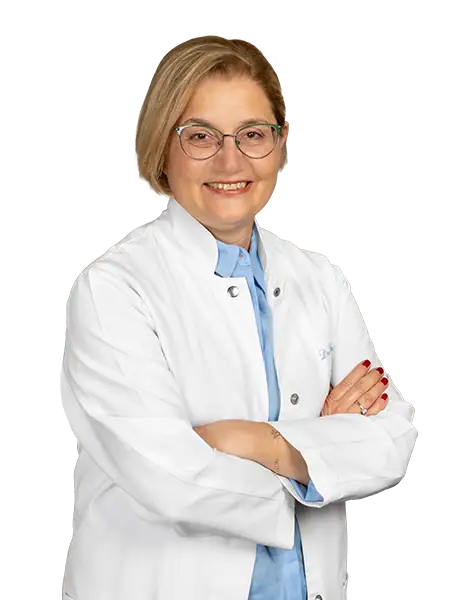
Prof. Dr. Zehra Serpil Ustalar
Anesthesiology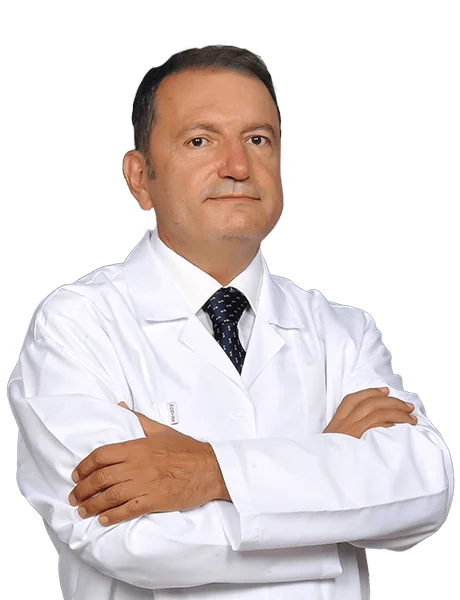
Dr. Zafer Bahri Demirel
Otorhinolaryngology
Dr. Reyhan Tamer
Pediatrics
Prof. Dr. Tolga Tüzüner
Orthopedic Surgery & Traumatology