Bat Wings: An Evidence-Based Guide for Patients

Bat wings usually refers to sagging or fuller upper arms caused by fat, skin laxity, muscle changes, or a combination of these. Aging, genetics, weight loss, limited resistance training, and sun-related skin changes can all contribute.
Key Takeaways
- Bat wings usually refers to sagging or fuller upper arms caused by fat, skin laxity, muscle changes, or a combination of these.
- Aging, genetics, weight loss, limited resistance training, and sun-related skin changes can all contribute.
- Exercise can strengthen the arms and improve overall body composition, but it cannot selectively remove fat from only one area.
- Non-surgical and surgical options may help when lifestyle measures are not enough, depending on the main cause.
- A medical review is helpful if arm swelling is sudden, one-sided, painful, or associated with a lump or skin change.
Bat wings is a common nonmedical term for loose, sagging, or fuller tissue on the upper arms, especially between the shoulder and elbow. In many people, it relates to a mix of body fat, reduced muscle tone, skin aging, genetics, or weight changes, and it can often be improved with lifestyle steps or, in selected cases, medical treatment.
Overview: What people mean by bat wings
Bat wings is an informal term used to describe loose, hanging, or fuller tissue on the back or underside of the upper arms. It is not a disease itself. Most often, it reflects a combination of normal body composition, age-related skin changes, and the way fat and muscle are distributed in that area.
Some people notice bat wings after weight gain, while others become more aware of it after significant weight loss, when the skin does not fully tighten. For many, the concern is mainly cosmetic. However, understanding the reason behind the change is useful because treatment options differ depending on whether the main issue is excess fat, reduced muscle tone, loose skin, or swelling.
Upper arm shape varies widely from person to person. Genetics, hormones, age, and lifestyle all influence how the arms look. This means there is no single “normal” arm appearance, and not everyone will respond in the same way to exercise or body-weight changes.
What causes bat wings?

In most cases, bat wings develop because of more than one factor. One common reason is extra subcutaneous fat, which is the layer of fat beneath the skin. The upper arms are a frequent storage area for body fat, and changes in overall weight can make this more noticeable.
Another major factor is skin laxity. As people age, the skin gradually loses collagen and elastin, the structural proteins that help it stay firm and spring back. This process may be more obvious after rapid or substantial weight loss, when the skin has been stretched for a long time and does not fully retract.
Muscle tone also matters. The triceps muscles at the back of the upper arm can lose size and strength over time, especially without regular resistance training. Less muscle definition can make the area look softer, even if body weight has not changed very much.
Less commonly, an arm that appears enlarged or heavy may be affected by a medical condition rather than typical fat or skin changes. Examples include fluid retention, lymphedema, lipedema, or a localized soft-tissue mass. If the appearance is new, one-sided, painful, or associated with swelling, medical assessment is important.
Risk factors and common patterns
Age is one of the strongest influences on upper arm sagging. Over time, the skin thins and becomes less elastic, while muscle mass naturally declines unless it is actively maintained. These changes can make the arms appear softer or looser even in people who are otherwise healthy.
Weight changes are another frequent contributor. Weight gain can increase fat storage in the upper arms, while major weight loss may leave behind loose skin. In these situations, both body composition and skin quality play a role, which is why lifestyle improvement alone may help some people more than others.
Genetics also affect where fat is stored and how skin behaves after stretching. Some people are naturally more likely to carry fat in the arms, while others have skin that remains firmer for longer. Hormonal changes, low levels of physical activity, and limited strength training can further shape the pattern.
- Natural aging of skin and connective tissue
- Loss of muscle mass or limited resistance exercise
- Weight gain or significant weight loss
- Genetic tendency to store fat in the upper arms
- Sun exposure and smoking, which may worsen skin quality
How bat wings are assessed
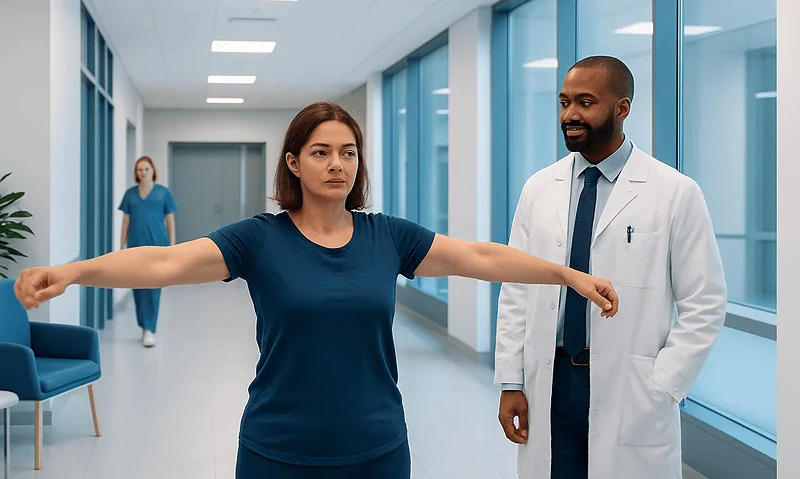
Assessment starts with a simple history and physical examination. A clinician will usually ask when the change was first noticed, whether it has been gradual or sudden, and whether there are symptoms such as pain, heaviness, tenderness, numbness, or swelling. They may also ask about weight changes, exercise habits, prior surgery, medical conditions, and family history.
During the examination, the upper arms are checked for skin laxity, fat distribution, muscle tone, asymmetry, and signs of fluid buildup. The goal is to distinguish a common cosmetic concern from a condition that needs medical evaluation. If one arm looks different from the other, or if there is a firm area, redness, warmth, or a visible vein change, more investigation may be needed.
Most people do not need extensive testing. However, imaging or specialist review can be appropriate when there is concern about abnormal swelling, a lump, or a circulation or lymphatic problem. In some cases, a doctor may recommend an ultrasound or referral to a relevant specialist before discussing cosmetic treatment.
What lifestyle changes can help?
Lifestyle measures are usually the first step when bat wings are related to body fat and reduced muscle tone. A balanced eating pattern that supports gradual weight management can help reduce overall body fat. It is important to know, though, that spot reduction is not possible: the body does not burn fat only from the arms because arm exercises are performed.
Strength training can still make a meaningful difference. Exercises that target the triceps, shoulders, chest, and upper back may improve muscle definition and support the contour of the upper arm. Common examples include triceps extensions, push-ups modified to the person’s ability, rows, and resistance-band work. Regular full-body exercise is often more effective than isolated arm routines alone.
Skin care and general habits also matter. Protecting the skin from excessive sun exposure, avoiding smoking, staying physically active, and maintaining a stable weight may help preserve skin quality over time. While creams and topical products can support skin hydration, they do not usually correct significant skin laxity on their own.
When the concern follows major weight loss, realistic expectations are especially important. Exercise can improve function, posture, and tone, but stretched skin may not fully tighten. In that setting, a consultation can help clarify whether the main problem is fat, skin, or both.
Medical and cosmetic treatment options
Treatment depends on the cause and on the person’s goals. If extra fat is the main issue and skin elasticity is still reasonably good, some people may benefit from body contouring approaches such as liposuction. This can reduce fat volume, but it is not designed to treat marked loose skin by itself.
When both skin laxity and excess tissue are significant, especially after substantial weight loss or with age-related sagging, surgery may be considered. An arm lift procedure removes excess skin and reshapes the upper arm. This can provide a more noticeable contour change than exercise alone, but it requires careful discussion of scars, healing, and expected results.
Some clinics also offer non-surgical skin-tightening treatments, although suitability depends on skin quality, the amount of looseness, and individual expectations. These methods may help mild laxity in selected patients but are generally less effective than surgery for moderate to severe excess skin. A specialist can explain what level of improvement is realistic.
If there is concern that the enlarged appearance reflects a medical condition, treatment focuses on the underlying cause rather than cosmetic reshaping. For example, if swelling suggests lipedema or lymphedema, management may involve a different care plan entirely. For international patients, Acibadem International’s multidisciplinary specialists in JCI-accredited hospitals evaluate both medical and aesthetic causes before recommending treatment.
When to seek medical care
Bat wings are often harmless, but certain changes should not be ignored. A medical review is recommended if one arm becomes noticeably larger than the other, if swelling appears suddenly, or if the area is painful, red, warm, or tender. These features can point to a problem other than ordinary fat or skin laxity.
It is also important to seek care if there is a lump, skin dimpling, numbness, weakness, or limitation in arm movement. Persistent heaviness or swelling after surgery, cancer treatment, or lymph node procedures should be assessed because it may relate to the lymphatic system.
Even without urgent symptoms, an appointment can be useful if the appearance of the upper arms is causing distress or if home measures have not helped. A clinician can identify the main cause and discuss safe, realistic options rather than relying on guesswork or unproven remedies.
Prevention and realistic expectations
Not every case of bat wings can be prevented, because aging and genetics play a major role. Still, healthy habits may lower the chance of pronounced upper arm changes or slow their progression. A stable weight, regular resistance exercise, and attention to overall nutrition can support muscle mass and body composition over time.
Skin-friendly habits are also worth keeping in mind. Sun protection and avoiding smoking may help maintain collagen and skin quality. These measures are beneficial for general health as well as appearance, although they cannot fully stop natural skin aging.
Perhaps the most helpful prevention strategy is having realistic expectations. Bodies change across the lifespan, and upper arms commonly reflect those changes. Improvement is often possible, but the best approach depends on the reason for the concern. People who understand whether they are dealing mainly with fat, skin laxity, muscle loss, or swelling are better placed to choose appropriate next steps.
Frequently asked questions
Are bat wings normal?
Yes. Bat wings are a very common body change and often reflect normal variations in fat distribution, skin elasticity, and muscle tone. They become more noticeable with aging, weight changes, or reduced strength training.
Can exercise get rid of bat wings?
Exercise can help improve muscle tone and overall body composition, which may make the upper arms look firmer. However, it cannot remove fat from only one specific area, and it usually does not tighten significant loose skin after major weight loss.
What is the difference between arm fat and loose skin?
Arm fat adds fullness or bulk beneath the skin, while loose skin hangs or folds because it has lost elasticity. Many people have a combination of both, which is why treatment plans often need to address more than one issue.
Do creams or skin-tightening products work for bat wings?
Moisturizers and topical products may improve hydration and make the skin feel smoother, but they do not usually correct moderate or severe sagging. Their effect is generally limited when excess skin or deeper tissue changes are the main problem.
When is surgery considered for bat wings?
Surgery may be considered when loose skin is significant, especially after major weight loss or when skin aging is advanced. A specialist will review skin quality, fat volume, scars, recovery, and personal goals before recommending a procedure.
Could bat wings ever be a medical problem?
Sometimes. If the arm change is sudden, one-sided, painful, swollen, or linked with a lump or skin change, it may need medical evaluation. In those situations, the appearance may not be due to ordinary fat or aging alone.
This article is for general information only and is not a substitute for professional medical advice. Please consult a qualified doctor about your individual situation.
Medical weight-loss options in Turkey — costs & eligibility
JCI-accredited · board-certified surgeons · reply within 24h
Add us as a Preferred Source to see more of our trusted health content across Google Search, AI Overviews and Discover.
Check your numbers in seconds
BMI, calories, due date, blood pressure and 30+ more clinical calculators — free, instant, doctor-reviewed ranges.

More from the Health Library

Stages of Labor: A Complete Medical Overview

Differentiation Between Antigen and Antibody: What Patients Need to Know
Empty Kilocalories: A Complete Medical Overview

Haart: An Evidence-Based Guide for Patients

Tricep Kickbacks: A Complete Medical Overview