Best Exercises for Legs: What Patients Need to Know
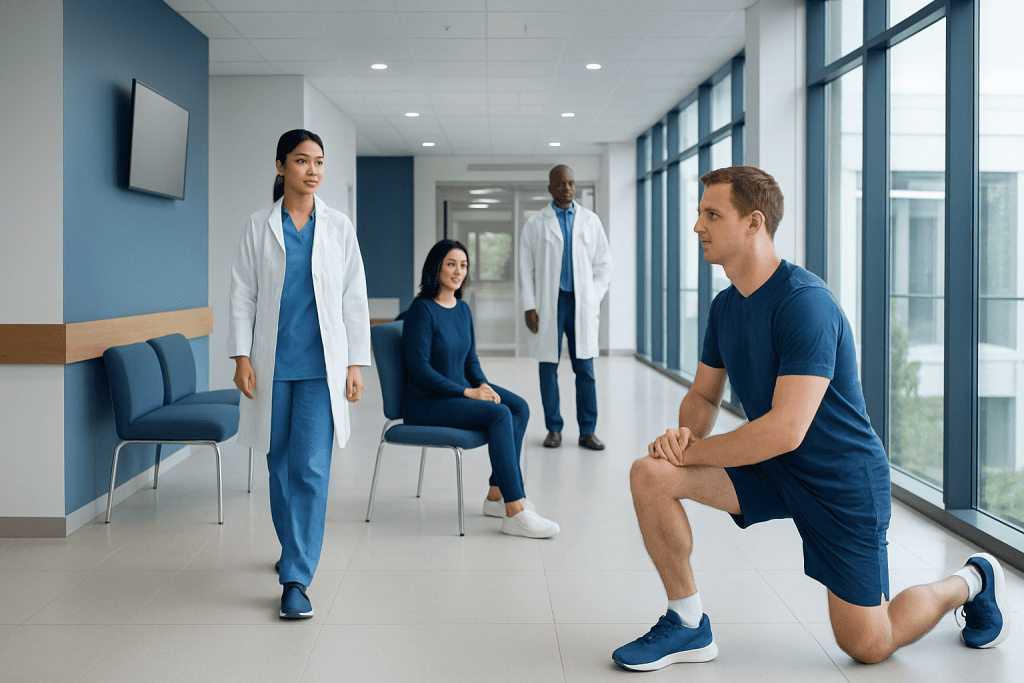
The best exercises for legs train strength, balance, mobility, and endurance together. Simple movements such as squats, bridges, calf raises, and walking can support daily function.
Key Takeaways
- The best exercises for legs train strength, balance, mobility, and endurance together.
- Simple movements such as squats, bridges, calf raises, and walking can support daily function.
- Good form, gradual progression, and rest are more important than intense workouts.
- People with pain, swelling, injury, or medical conditions should choose exercises carefully.
- A leg routine should include the hips, knees, calves, and ankles rather than one muscle group alone.
The best exercises for legs are the ones that strengthen the hips, thighs, calves, and ankles while matching a person’s age, fitness level, and joint health. For most people, a balanced routine that includes squats, bridges, calf raises, step-ups, and regular walking offers the safest and most practical approach.
Overview: Which leg exercises are best?
The best exercises for legs are usually not the most complicated ones. For most adults, the most useful choices are movements that improve strength, balance, joint control, and stamina at the same time. Exercises such as bodyweight squats, glute bridges, calf raises, step-ups, and walking help train the muscles that support everyday activities like standing up, climbing stairs, carrying groceries, and maintaining balance.
A helpful way to think about leg training is function first. The legs work as a connected system that includes the hips, thighs, knees, calves, ankles, and feet. Because of this, the most effective routine usually combines a few types of movement rather than relying on one exercise alone. A person does not need a gym to begin; many beneficial exercises can be done safely at home using body weight or light resistance.
The right routine also depends on the individual. A healthy younger adult may tolerate stronger resistance and faster progression, while an older adult or someone recovering from pain may need slower, more controlled movement. If a person has ongoing knee, hip, or back symptoms, a clinician may check for conditions such as knee pain or joint-related problems before exercise is increased.
Why leg exercise matters for overall health
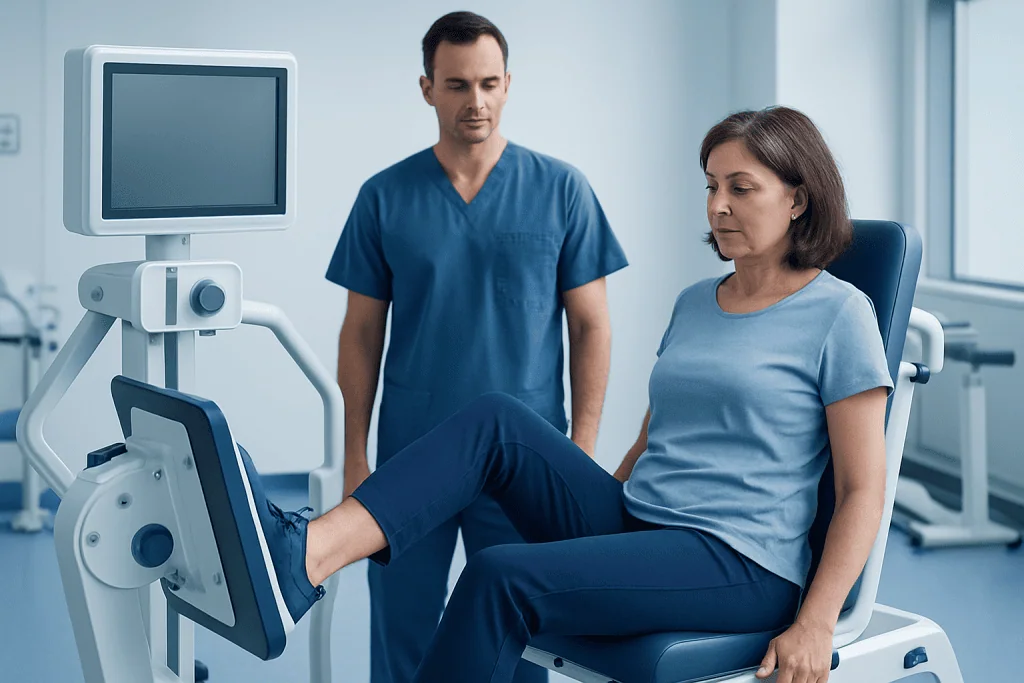
Leg exercise is about far more than muscle appearance. The lower body contains some of the body’s largest muscle groups, and training them supports posture, walking efficiency, joint stability, and metabolic health. Stronger legs can make daily movements easier and may help reduce the risk of falls, especially in older adults.
Regular lower-body exercise also supports circulation and mobility. Gentle but consistent movement can reduce stiffness after long periods of sitting and may help people feel steadier when they change position, walk uphill, or use stairs. For people who spend much of the day at a desk, simple leg exercises can be an important part of maintaining function over time.
In rehabilitation settings, leg training is commonly used to restore movement after injury or surgery. Depending on the cause, a doctor may recommend a personalized program, sometimes together with physical therapy and rehabilitation to improve strength, flexibility, and confidence in movement.
Best exercises for legs at home or in the gym
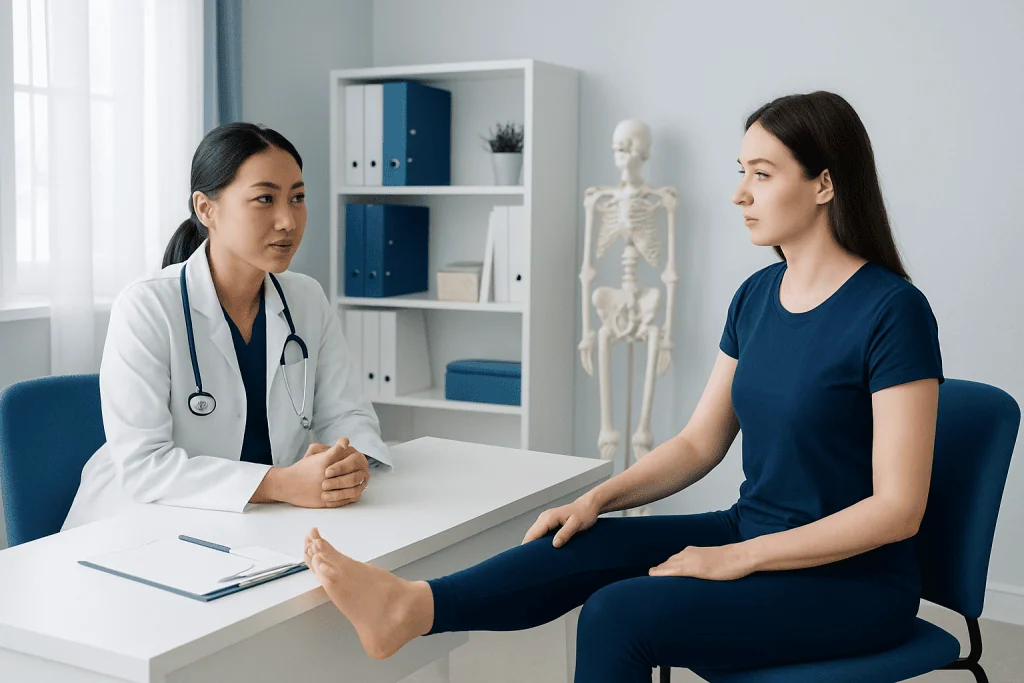
A balanced leg routine should train the front of the thighs, back of the thighs, buttocks, calves, and the smaller muscles that help with balance. The following exercises are widely used because they are practical, adaptable, and relevant to everyday movement. Most can be started without equipment and modified as needed.
- Bodyweight squats: Strengthen the thighs, hips, and gluteal muscles. A chair can be used behind the body for support and confidence.
- Glute bridges: Work the buttocks and back of the thighs while placing relatively low strain on the knees.
- Step-ups: Improve leg strength, balance, and stair-climbing ability. A low step is often the safest place to begin.
- Calf raises: Strengthen the calves and ankles, which are important for walking and balance.
- Wall sits: Build endurance in the thigh muscles when done with proper form and within comfort.
- Hamstring curls: Can be done with a machine, resistance band, or standing bodyweight variation.
- Lunges or split squats: Useful for strength and coordination, though they may need modification in people with joint symptoms.
- Walking: Supports endurance, circulation, and general lower-body conditioning.
For many people, these exercises are enough to build a solid foundation. More advanced options such as weighted squats, leg presses, or resistance machines can be added later if technique is good and symptoms are absent. If pain is present during weight-bearing exercise, it may be sensible to pause and seek evaluation for issues such as hip pain or other musculoskeletal causes.
One useful principle is to choose exercises that feel challenging but controlled. A person should usually be able to keep good posture, breathe normally, and complete the movement without sharp pain. Mild muscle fatigue is expected, but sudden instability, catching, or giving way should not be ignored.
How to choose the right exercises for age, goals, and joint health
The best exercises for legs can look different from one person to another. Someone who wants better athletic performance may need more resistance and single-leg work, while someone focused on healthy aging may benefit most from sit-to-stand practice, step-ups, and balance-based calf work. A person recovering from inactivity may start with walking and chair-supported exercises before progressing.
Joint health is especially important when choosing leg exercises. People with knee discomfort may tolerate glute bridges and partial squats better than deep lunges. Those with ankle stiffness may need to improve mobility before trying more demanding balance exercises. People with back pain often benefit from careful attention to posture, core control, and movement quality during lower-body training.
Exercise selection should also reflect the person’s environment and consistency. A routine that can be repeated regularly is more valuable than an ambitious plan that feels uncomfortable or difficult to maintain. Even two or three short sessions per week can be beneficial when done with good technique and gradual progression.
When symptoms, previous injury, or movement limitations make exercise planning difficult, structured assessment may help. In some cases, clinicians use orthopedic evaluation to identify mechanical issues and guide safer activity choices.
Safe technique, progression, and common mistakes
Safe leg exercise starts with control rather than intensity. Many problems happen when people move too quickly, use too much resistance too soon, or push through joint pain. A short warm-up, such as five to ten minutes of walking or gentle marching in place, can prepare the joints and muscles for activity.
During exercise, alignment matters. In general, the knees should track in line with the feet, the trunk should stay reasonably upright unless the exercise requires otherwise, and the movement should remain smooth. It is often better to reduce the depth of a squat or use support from a wall or chair than to force a deeper range with poor control.
Progression should be gradual. A person can increase one factor at a time, such as repetitions, time under tension, resistance, or exercise complexity. For example, a person might move from sit-to-stand practice to bodyweight squats, then to supported split squats, and later to loaded versions. Rest days are also part of training, as muscles need time to recover and adapt.
Common mistakes include skipping the calves and ankles, neglecting the hips, and focusing only on one movement pattern. Another frequent issue is treating pain as a sign of success. Mild muscle soreness after a new routine can be normal, but persistent joint pain, swelling, or reduced function suggests that the plan should be adjusted.
Sample practical leg routine for beginners
A simple beginner routine can be effective without being overwhelming. One example is to perform leg exercise two or three nonconsecutive days per week. The goal is steady practice with movements that feel manageable and controlled.
- Warm-up: 5 to 10 minutes of walking or gentle marching.
- Sit-to-stands or squats: 1 to 3 sets of a comfortable number of repetitions.
- Glute bridges: 1 to 3 sets, focusing on smooth lifting and lowering.
- Step-ups: 1 to 3 sets per side using a low step.
- Calf raises: 1 to 3 sets, holding onto support if needed.
- Walking: Finish with a short walk or use walking on alternate days for endurance.
As strength and confidence improve, the person can gradually increase repetitions, add light resistance, or introduce more challenging patterns such as split squats or single-leg balance work. Gentle stretching after exercise may help some people feel less stiff, although strength and regular movement are usually more important than stretching alone.
A balanced weekly plan may also include upper-body exercises, flexibility work, and cardiovascular activity. For individuals with recurrent pain, weakness after injury, or recovery after surgery, supervised rehabilitation may offer a safer path back to activity.
When to seek medical care
Leg exercise is generally safe for healthy people, but some symptoms deserve medical attention. A person should speak with a doctor if leg pain is severe, if there is significant swelling, if a joint repeatedly locks or gives way, or if symptoms continue despite rest and exercise modification. New numbness, marked weakness, or pain after a fall should also be assessed promptly.
Urgent evaluation is important if there is sudden leg swelling, redness, warmth, chest pain, shortness of breath, or an inability to bear weight. These symptoms can have causes that should not be managed with home exercise alone. Likewise, people with chronic medical conditions such as advanced arthritis, balance problems, or recent surgery may need tailored advice before starting a new leg program.
Near the end of the care pathway, some patients benefit from specialist review and coordinated rehabilitation. Acibadem International’s multidisciplinary specialists in JCI-accredited hospitals diagnose and treat musculoskeletal conditions for international patients, including evaluation when exercise-related leg symptoms persist.
Frequently asked questions
What are the best exercises for legs for most people?
For many adults, the most useful leg exercises are squats, glute bridges, calf raises, step-ups, and walking. These movements train major muscle groups and support daily activities such as standing, climbing stairs, and balance.
Can leg exercises be done safely at home?
Yes, many effective leg exercises can be done at home with no equipment or with simple support such as a chair or wall. The key is to use good form, start with an appropriate difficulty level, and progress gradually.
Are squats bad for the knees?
Squats are not automatically harmful to the knees and can be helpful when done with good technique and at a suitable depth. However, people with knee pain or previous injury may need modifications, less range of motion, or guidance from a clinician.
How often should a person do leg exercises?
Many people do well with leg strengthening exercises two or three times per week on nonconsecutive days. Walking and gentle mobility work can often be added on most days, depending on symptoms and fitness level.
What if leg exercise causes soreness?
Mild muscle soreness after a new routine can be normal, especially in the first days after exercise. Sharp pain, swelling, limping, or symptoms that worsen over time are different and should prompt rest, adjustment of the routine, and medical advice if they continue.
Which leg exercises are best for older adults?
Older adults often benefit from functional exercises such as sit-to-stands, step-ups, calf raises, and regular walking. These support balance, independence, and confidence in daily movement, especially when paired with a steady and progressive plan.
References
- World Health Organization
- American College of Sports Medicine
- Centers for Disease Control and Prevention
- National Institute on Aging
- American Academy of Orthopaedic Surgeons
This article is for general information only and is not a substitute for professional medical advice. Please consult a qualified doctor about your individual situation.
Joint and spine care in Turkey — expert assessment & treatment
JCI-accredited · board-certified surgeons · reply within 24h
Add us as a Preferred Source to see more of our trusted health content across Google Search, AI Overviews and Discover.

More from the Health Library

Ice Pick Scars: A Complete Medical Overview

Colon: What Patients Need to Know

Health News: An Evidence-Based Guide for Patients

Neck Lump on Side of Neck: What Patients Need to Know

Mongolian Spot: What Patients Need to Know