Best Foods for Anaemia: Evidence-Based Benefits, Risks, and Practical Guidance

Iron deficiency is common, but not all anaemia is caused by low iron. Meat, seafood, legumes, fortified cereals, leafy greens and seeds can contribute dietary iron.
Key Takeaways
- Iron deficiency is common, but not all anaemia is caused by low iron.
- Meat, seafood, legumes, fortified cereals, leafy greens and seeds can contribute dietary iron.
- Vitamin C improves absorption of plant-based iron, while tea, coffee and calcium may reduce absorption when consumed with iron-rich meals.
- Vitamin B12 and folate deficiencies require different food choices and sometimes supplements or medical treatment.
- Persistent tiredness, breathlessness, heavy bleeding or black stools need prompt medical assessment.
The best foods for anaemia depend on its cause. Iron-rich foods can support iron deficiency anaemia, while vitamin B12- or folate-rich foods may be more relevant for other forms; food should complement, not replace, medical assessment and prescribed treatment.
Overview: what foods can and cannot do for anaemia
The best foods for anaemia are those that provide the nutrient missing from the body. For many people this is iron, so iron-rich foods such as lean meat, seafood, beans, lentils, tofu, fortified cereals, dark leafy vegetables and seeds may be helpful. Pairing plant sources of iron with vitamin C-rich foods, such as citrus fruit, peppers, tomatoes or berries, can improve absorption.
However, anaemia is not a single diagnosis. It means there are too few healthy red blood cells, or too little haemoglobin, to carry oxygen effectively. Iron deficiency is a frequent cause, but low vitamin B12, low folate, chronic inflammation, kidney disease, inherited blood disorders, blood loss and bone marrow conditions can also cause anaemia. A nutritious diet is valuable, but it cannot reliably correct every type of anaemia.
Food changes are usually gradual in effect. If a blood test shows moderate or severe anaemia, a clinician may recommend iron, vitamin B12, folate or another treatment, while also looking for the underlying cause. This is particularly important when anaemia develops unexpectedly, returns after treatment or occurs in men, postmenopausal women, children, or people with digestive symptoms.
The main nutrients involved in healthy red blood cells
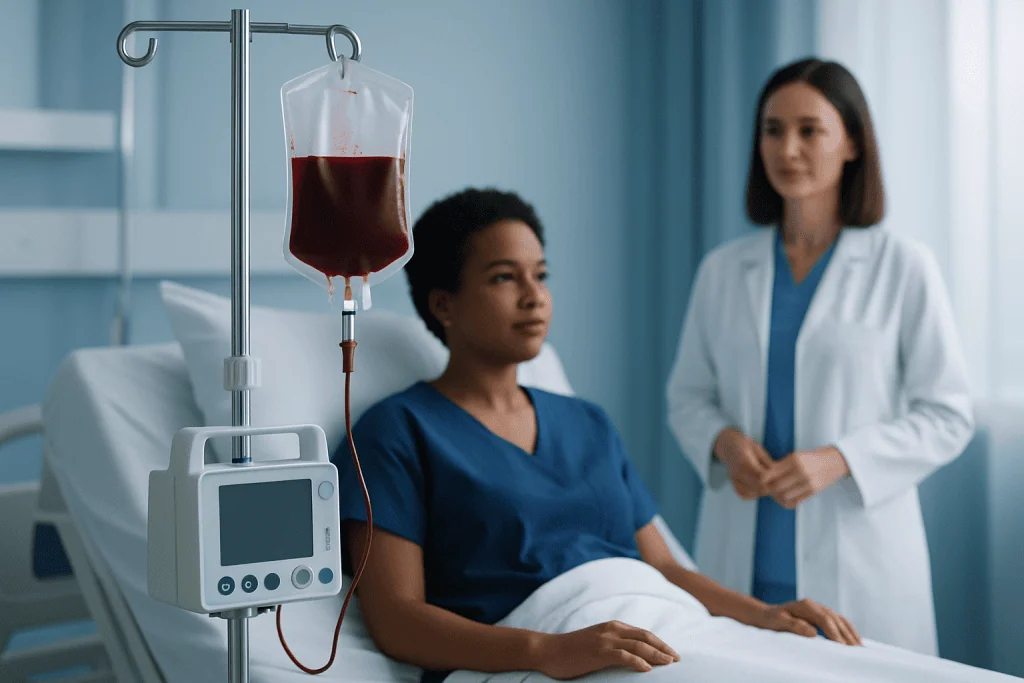
Iron is required to make haemoglobin, the protein in red blood cells that carries oxygen. Dietary iron occurs in two forms. Heme iron, found in animal foods, is generally absorbed more efficiently. Non-heme iron, found in plant foods and fortified products, is nutritious but its absorption is more affected by the rest of the meal.
Vitamin B12 and folate are also necessary for red blood cell production. Vitamin B12 is naturally present in animal-derived foods and in some fortified foods. Folate is found in leafy green vegetables, beans, peas, citrus fruits, avocado and fortified grain products. Deficiency in either nutrient can lead to larger-than-normal red blood cells and may cause tiredness, weakness and other symptoms.
Protein, vitamin A, copper and other nutrients also contribute to blood formation and overall health. For this reason, an anaemia-supportive eating pattern is broader than one “superfood.” It includes varied, nutrient-dense meals and addresses factors that may limit appetite, absorption or food access.
- Iron: supports haemoglobin formation.
- Vitamin B12: supports red blood cell production and nerve function.
- Folate: supports cell division and red blood cell development.
- Vitamin C: helps the body absorb non-heme iron from plant foods.
Best foods for iron deficiency anaemia
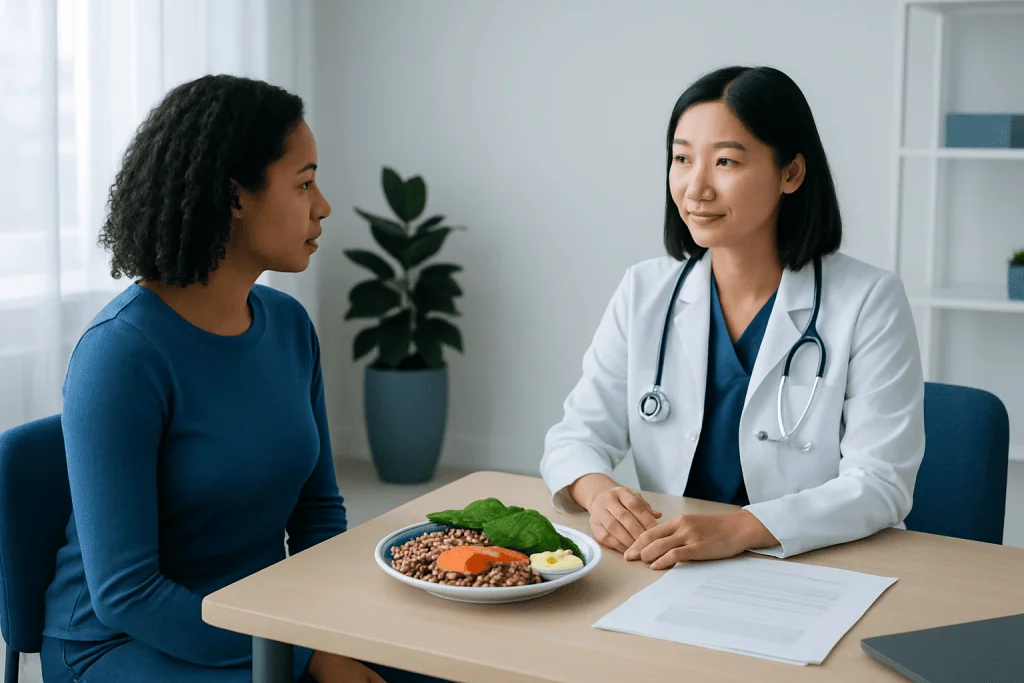
For confirmed iron deficiency anaemia, foods containing heme iron are efficient dietary sources. These include lean beef and lamb, liver in modest amounts, poultry, fish, shellfish and eggs. Liver is very high in iron but also high in vitamin A, so it should not be eaten frequently and should generally be avoided during pregnancy unless a clinician specifically advises otherwise.
Useful plant sources include lentils, chickpeas, beans, soy foods such as tofu and tempeh, iron-fortified breakfast cereals, oats, quinoa, pumpkin seeds, sesame seeds, cashews, dried apricots, raisins and dark leafy greens. Plant foods offer fibre and other nutrients, but the iron they contain may not be enough alone to correct a clinically significant deficiency.
A practical meal combination might be lentil and tomato soup with a side of peppers, tofu stir-fry with broccoli and citrus fruit, or fortified cereal with berries. Meat or fish can also be included in mixed meals if this fits a person’s dietary pattern. There is no need to eat large amounts of red meat; varied sources are appropriate.
People following vegetarian or vegan diets can meet many nutritional needs with careful planning, but should be particularly attentive to iron, vitamin B12 and protein intake. A doctor or registered dietitian can help interpret blood tests and suggest suitable foods, fortified products or supplements when needed.
How to improve iron absorption at meals
Vitamin C can substantially improve absorption of non-heme iron. Adding a vitamin C source to meals containing beans, lentils, grains, greens or fortified cereals is a simple and evidence-based strategy. Fresh fruit, kiwi, oranges, strawberries, peppers, tomatoes, broccoli and potatoes are all useful choices.
Some drinks and foods can reduce non-heme iron absorption when taken at the same time. Tea and coffee contain polyphenols that can bind iron in the digestive tract. Calcium-rich foods and calcium supplements may also interfere with iron absorption in some circumstances. This does not mean these foods must be avoided; spacing tea, coffee and calcium supplements away from iron-rich meals or prescribed iron supplements may be helpful.
Soaking, sprouting, fermenting or thoroughly cooking beans and grains can reduce naturally occurring compounds called phytates, which may limit mineral absorption. These preparation methods can be useful for people who eat mostly plant-based foods, although they are not a substitute for treatment when laboratory testing confirms iron deficiency.
Iron supplements should be used only as recommended by a qualified clinician. Taking iron without a demonstrated need can cause digestive side effects and, in uncommon cases, contribute to harmful iron accumulation. Supplements can also interact with some medicines, including certain thyroid medicines and antibiotics, so timing should be discussed with a pharmacist or doctor.
Foods for vitamin B12 and folate deficiency anaemia
When anaemia is related to vitamin B12 deficiency, dietary sources include fish, shellfish, meat, poultry, eggs, milk, yoghurt and cheese. Some breakfast cereals, plant-based milks and nutritional yeast products are fortified with vitamin B12, but labels should be checked because the amount varies by product.
People who follow a vegan diet usually need a reliable source of vitamin B12 from fortified foods and/or a supplement. This is because unfortified plant foods do not provide dependable active vitamin B12. Older adults and people with certain stomach or bowel conditions may also have difficulty absorbing B12 from food, even when their intake is adequate.
Folate-rich foods include spinach, kale, asparagus, Brussels sprouts, broccoli, beans, lentils, peas, oranges, avocado and fortified grains. Folate from foods is generally safe and beneficial as part of a balanced diet. Before taking high-dose folic acid supplements, it is important to check vitamin B12 status because folic acid can improve the blood changes of B12 deficiency while nerve damage continues.
Dietary changes may support mild nutritional insufficiency, but B12 deficiency caused by impaired absorption often requires injections or high-dose oral treatment prescribed by a clinician. The treatment choice depends on the cause, test results and the presence of neurological symptoms.
Who should use caution with diet changes or supplements
People should not assume fatigue is due to iron deficiency or begin long-term iron supplements without testing. Excess iron can be harmful, especially for people with inherited iron overload conditions, some liver disorders, or those receiving repeated blood transfusions. A blood count and iron studies help determine whether iron treatment is appropriate.
Pregnancy, childhood, adolescence and older age are periods when nutritional needs and causes of anaemia may differ. Pregnant people should follow prenatal advice from their maternity team, particularly regarding iron, folate and vitamin A-containing foods such as liver. Children with limited diets, poor growth or symptoms of anaemia should be assessed by a paediatric clinician rather than managed with supplements alone.
People with coeliac disease, inflammatory bowel disease, prior stomach or bowel surgery, chronic kidney disease, heavy menstrual bleeding, ulcers or long-term use of certain medicines may have reduced nutrient absorption or ongoing blood loss. In these situations, food is only one part of care. Identifying and treating the underlying problem is essential.
Special dietary patterns can be healthful, but restrictive diets may increase the risk of nutrient gaps if not planned well. A registered dietitian can help tailor meals to vegetarian, vegan, halal, cultural, allergy-related or digestive needs without making unsupported promises about “blood-building” foods.
When to seek medical care
Medical assessment is advisable for ongoing tiredness, reduced exercise tolerance, dizziness, headaches, pale skin, palpitations, shortness of breath, sore tongue, unusual cravings for ice or non-food items, or tingling in the hands and feet. These symptoms can have many causes, and blood tests are needed to establish whether anaemia is present and what type it may be.
Urgent medical care is needed for chest pain, fainting, severe shortness of breath, confusion, vomiting blood, black tar-like stools, or heavy bleeding. People with very heavy periods, bleeding between periods, blood in urine or stool, unexplained weight loss, persistent abdominal symptoms, or new anaemia after menopause should also seek timely evaluation.
A clinician may order a complete blood count, ferritin and other iron tests, vitamin B12 and folate tests, kidney function tests or investigations for blood loss depending on the situation. Results guide treatment more safely than dietary assumptions. Acibadem International’s multidisciplinary specialists and JCI-accredited hospitals diagnose and treat anaemia and its possible underlying causes for international patients.
In summary, iron-rich meals and appropriate sources of vitamin B12 or folate can support red blood cell health, but the best approach begins with knowing the cause. A balanced diet, follow-up testing and clinician-guided treatment provide the most reliable path when anaemia is suspected or confirmed.
Frequently asked questions
What are the best foods for anaemia?
For iron deficiency anaemia, helpful foods include lean meat, fish, shellfish, beans, lentils, tofu, fortified cereals, seeds and leafy green vegetables. Vitamin C-rich foods can improve absorption of plant-based iron. The best foods differ when anaemia is caused by low vitamin B12, folate, chronic disease or blood loss.
Can food alone cure iron deficiency anaemia?
Food may help prevent mild deficiency and support treatment, but it often does not correct established iron deficiency anaemia quickly enough on its own. A clinician may recommend iron replacement and investigate why iron levels became low. Ongoing blood loss or poor absorption must also be addressed.
What should not be eaten or drunk with iron-rich foods?
Tea and coffee can reduce the absorption of non-heme iron when consumed with an iron-rich meal. Calcium-rich foods and calcium supplements may also affect absorption for some people. These items do not need to be eliminated, but separating them from iron-rich meals or prescribed iron supplements may be useful.
Are spinach and beetroot enough to raise iron levels?
Spinach contributes iron and folate, but its iron is not absorbed as efficiently as heme iron from animal foods. Beetroot is nutritious but is not a particularly high-iron treatment for anaemia. Neither food should be relied upon as the sole treatment for confirmed iron deficiency anaemia.
What foods are best for vitamin B12 deficiency anaemia?
Vitamin B12 is found naturally in fish, meat, poultry, eggs and dairy foods, as well as selected fortified foods. Vegan diets require dependable fortified foods and/or supplements because plant foods are not reliable natural sources of active B12. If absorption is impaired, medical treatment may be needed despite a good diet.
Should a person take iron supplements for tiredness?
Not without medical advice. Tiredness is common and can result from many conditions, while unnecessary iron can cause side effects and may be unsafe for some people. Blood testing can clarify whether anaemia or iron deficiency is present and identify the appropriate treatment.
References
- World Health Organization
- National Institutes of Health Office of Dietary Supplements
- American Society of Hematology
- National Heart, Lung, and Blood Institute
- British Society of Gastroenterology
This article is for general information only and is not a substitute for professional medical advice. Please consult a qualified doctor about your individual situation.
Explore treatments in Turkey — costs, top hospitals & a free quote
JCI-accredited · board-certified surgeons · reply within 24h
Add us as a Preferred Source to see more of our trusted health content across Google Search, AI Overviews and Discover.
Check your numbers in seconds
BMI, calories, due date, blood pressure and 30+ more clinical calculators — free, instant, doctor-reviewed ranges.