Best Foods to Eat During Prostate Radiation Treatment: How It Works, Results and What to Expect

Nutrition during prostate radiation should support energy, hydration, muscle strength, and comfortable digestion. There is no single food that treats prostate cancer or replaces recommended medical care.
Key Takeaways
- Nutrition during prostate radiation should support energy, hydration, muscle strength, and comfortable digestion.
- There is no single food that treats prostate cancer or replaces recommended medical care.
- Bowel changes may be eased by temporary dietary adjustments, such as choosing lower-fibre foods and avoiding known triggers.
- Radiation treatment is carefully planned to target the prostate while reducing exposure to nearby healthy tissues.
- Side effects often improve in the weeks after treatment, although recovery time differs between individuals.
- New or severe symptoms, including inability to pass urine, fever, or significant bleeding, need prompt medical advice.
The best foods to eat during prostate radiation treatment are regular, balanced meals with adequate protein and fluids, tailored to any bowel or bladder symptoms that develop. Most people do not need a restrictive diet, but temporarily choosing lower-fibre, less spicy, and non-caffeinated foods may improve comfort when the bowel or bladder is irritated.
Overview: Best Foods to Eat During Prostate Radiation Treatment
The best foods to eat during prostate radiation treatment are easy-to-tolerate, nourishing foods that provide protein, calories, vitamins, and fluids. Useful everyday choices may include eggs, fish, poultry, yogurt or fortified alternatives, cooked vegetables, fruit that is tolerated well, rice, potatoes, oats, soups, and well-cooked beans or lentils if they do not worsen gas or diarrhea.
Dietary needs can change during treatment. Some people have few digestive effects and can continue their usual balanced eating pattern. Others develop looser stools, gas, rectal urgency, urinary burning, or fatigue; in these situations, a radiation oncology team or oncology dietitian may recommend short-term changes to reduce irritation while maintaining good nutrition.
Radiation therapy is a common treatment for localized prostate cancer and can also be used in other clinical situations. This article explains how prostate radiation works, what treatment involves, food choices during therapy, expected recovery, and when to seek medical advice.
How Prostate Radiation Treatment Works
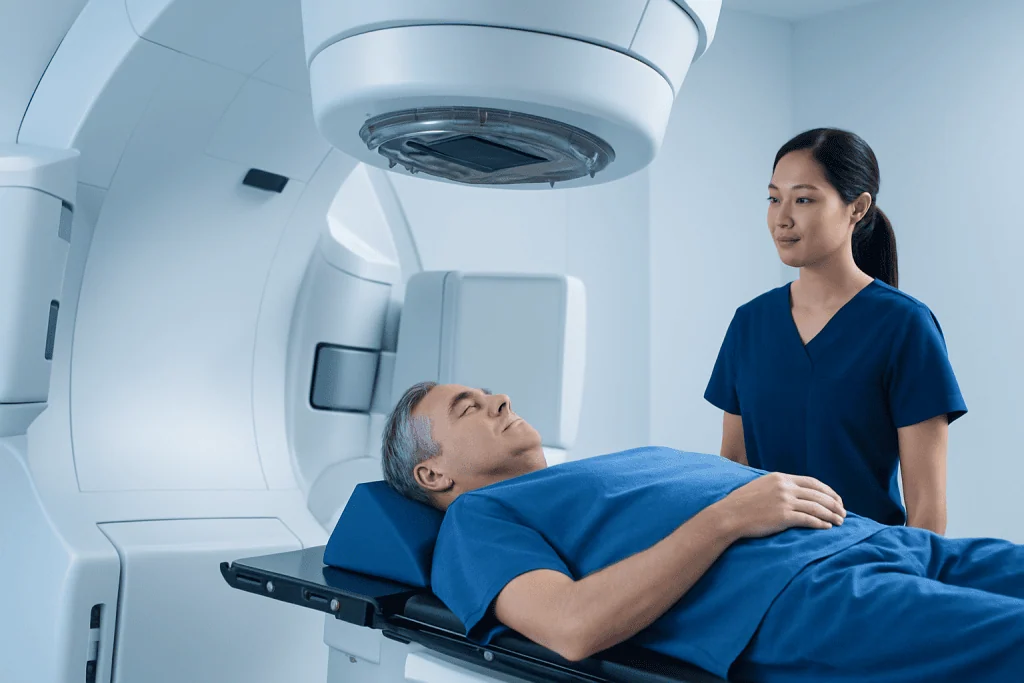
Radiation therapy uses high-energy beams to damage the DNA of cancer cells. Cancer cells are less able than healthy cells to repair this damage, so they gradually stop growing and die. External beam radiation therapy is the most common approach for prostate cancer; treatments are delivered from outside the body using a machine that moves around the patient.
Another option for selected patients is brachytherapy, also called internal radiation therapy. This involves placing radioactive material in or near the prostate under specialist guidance. Radiation may be used alone, with hormone therapy, after surgery in some circumstances, or as part of treatment for recurrent disease.
Modern planning uses imaging, computer-based dose calculations, and positioning techniques to direct radiation closely to the prostate while limiting dose to nearby structures, including the bladder and rectum. Patients can learn more about prostate cancer treatment options with their urologist and radiation oncologist.
Who May Be a Candidate and What Happens During Treatment
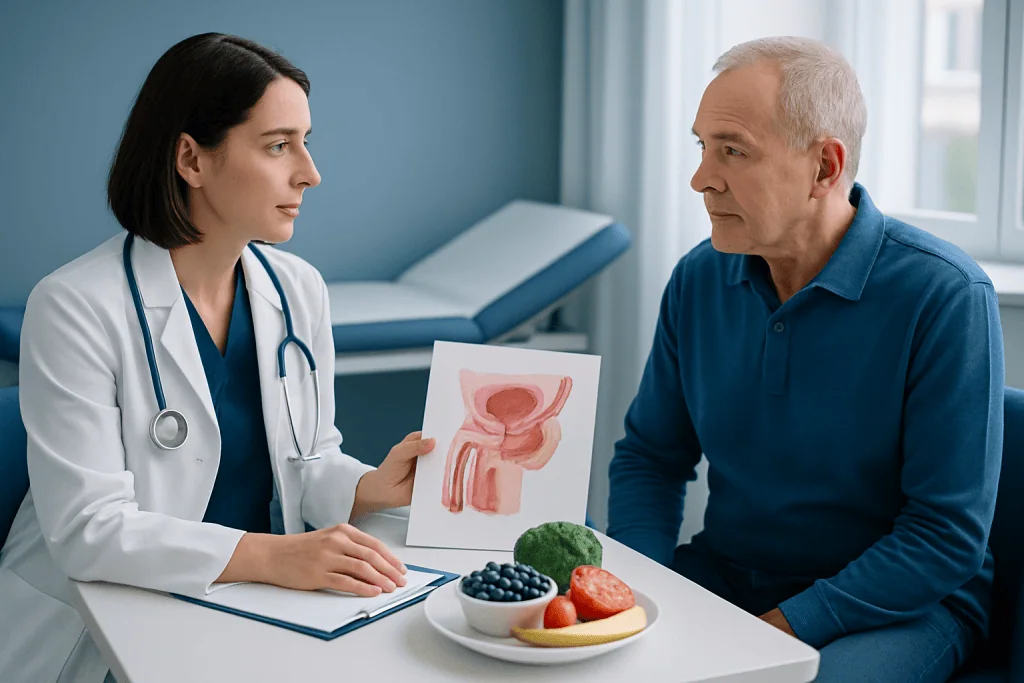
Suitability for prostate radiation depends on the cancer stage and grade, prostate-specific antigen (PSA) level, imaging findings, general health, urinary function, previous treatments, and personal preferences. A multidisciplinary discussion may include a urologist, radiation oncologist, medical oncologist, radiologist, pathologist, specialist nurse, and dietitian.
Before external beam radiation begins, a planning appointment is arranged. The patient usually has a CT scan, sometimes combined with MRI or other imaging, while lying in the treatment position. Small skin marks or other positioning methods may be used to help reproduce the same position at each session. The team provides instructions about bladder filling and bowel preparation, as these can help improve accuracy.
Each treatment visit is generally brief. The patient changes into appropriate clothing, lies still on the treatment table, and the radiotherapy team positions the body carefully. The machine delivers radiation without touching the patient. Radiation itself is not felt, and a person receiving external beam treatment does not become radioactive after a session.
The schedule varies by technique and individual treatment plan. Some courses are delivered over several weeks, while shorter schedules may be appropriate for certain patients. The radiation oncologist explains the expected number of appointments, concurrent treatments, and follow-up plan before therapy starts.
What Should I Eat While on Radiation Therapy for Prostate Cancer?
While on radiation therapy for prostate cancer, most people should aim for regular meals that include protein, carbohydrate-rich foods for energy, and enough fluids. Protein sources such as eggs, fish, chicken, turkey, tofu, yogurt, cheese, and smooth nut butters can support strength and recovery. Meals may be easier to manage when divided into smaller portions through the day.
When bowel habits remain normal, a varied pattern with vegetables, fruit, whole grains, legumes, and healthy fats is appropriate for many people. If diarrhea, gas, cramping, or urgency develops, temporarily choosing lower-fibre foods can be helpful. Examples include white rice, pasta, potatoes without skins, bananas, applesauce, cooked carrots, lean protein, and plain crackers or toast. Hydration remains important, particularly with loose stools.
Some foods and drinks can aggravate symptoms in certain people. These may include alcohol, caffeine, carbonated drinks, heavily spiced foods, fried foods, very high-fat meals, and large amounts of raw vegetables, bran, beans, or sugar alcohol sweeteners. Avoiding a food is most useful when it reliably worsens symptoms; unnecessary restriction can make it harder to maintain nutrition.
For urinary irritation, water is usually the preferred drink. The care team may recommend limiting caffeine, alcohol, and acidic or carbonated beverages if these worsen frequency, urgency, or burning. A dietitian can provide individualized guidance, especially for people with diabetes, kidney disease, unintentional weight loss, inflammatory bowel disease, or pre-existing dietary restrictions.
What Is the Number One Food for the Prostate?
There is no number one food for the prostate and no individual food has been shown to cure prostate cancer or make radiation treatment more effective. A consistent overall eating pattern is more meaningful than any single ingredient. During treatment, the most suitable food is often the one that provides nutrition without worsening bowel or bladder symptoms.
For longer-term health, a dietary pattern emphasizing vegetables, fruits, whole grains, beans, nuts, fish, and other lean proteins can be beneficial for many people. Cooked tomato products contain lycopene, and cruciferous vegetables such as broccoli and cabbage contain bioactive plant compounds, but these foods should be viewed as part of a balanced diet rather than as treatment.
It is important to discuss supplements with the oncology team before starting them. High-dose vitamins, herbal products, antioxidants, or unproven cancer remedies may interact with medicines, affect blood clotting, or be unsuitable during radiation. Food-based nutrition is generally preferred unless a clinician identifies a specific deficiency or need.
Benefits, Side Effects, and What Not to Do During Prostate Radiation Therapy
A potential benefit of radiation therapy is effective local treatment of prostate cancer without removing the prostate surgically. Treatment planning is personalized, and the intended outcome depends on the cancer characteristics and whether radiation is being used as initial, additional, or symptom-focused treatment.
Common short-term effects can include tiredness, more frequent urination, urgency, weaker urine flow, discomfort when urinating, looser stools, rectal urgency, increased gas, or mild rectal irritation. These effects often build gradually during the course of treatment and are usually manageable with practical measures and medicines prescribed by the treating team. Sexual and fertility effects can occur and should be discussed before treatment.
What not to do during prostate radiation therapy includes stopping prescribed medicines without advice, beginning supplements or restrictive diets without discussing them with the care team, and ignoring new or worsening symptoms. Patients should also avoid dehydration and should not miss scheduled planning or treatment visits unless the radiation department advises otherwise.
It is wise to limit alcohol and avoid tobacco, as both can affect overall health and may worsen some treatment-related symptoms. Physical activity is often encouraged at a level that feels safe and manageable, such as gentle walking, unless the clinical team advises otherwise. The team can recommend symptom relief measures and explain which activities are suitable for the individual.
How Long Does It Take to Fully Recover From Prostate Radiation?
Recovery after prostate radiation is individual. Many short-term bowel, bladder, and fatigue symptoms begin to improve within several weeks after the final treatment, although some people need a few months to feel closer to their usual energy and routines. If hormone therapy is also being used, some symptoms may continue for as long as that treatment continues.
Radiation has an ongoing biological effect after the final session, and cancer response is assessed over time rather than immediately. PSA levels are checked at planned intervals, but they may decrease gradually and can sometimes fluctuate. The oncology team interprets PSA results in the context of the person’s treatment history.
Some late effects can appear months or years later, such as persistent urinary or bowel changes, rectal bleeding, erectile difficulties, or rarely more significant complications. Follow-up appointments are important because they allow side effects to be recognized early and managed appropriately. Patients should report changes rather than assuming they are an unavoidable part of recovery.
Acibadem International’s multidisciplinary specialists and JCI-accredited hospitals provide diagnosis and treatment planning for international patients with prostate cancer, including radiation-based care and follow-up support.
When to Seek Medical Care
Patients should contact their radiation oncology team promptly if diarrhea, urinary symptoms, pain, or fatigue becomes difficult to manage, or if eating and drinking are becoming challenging. Early advice can often prevent dehydration, weight loss, or unnecessary discomfort. It is helpful to report when symptoms started, how often they occur, and any foods or drinks that appear to trigger them.
Urgent medical assessment is needed for an inability to pass urine, fever or chills, severe abdominal or pelvic pain, fainting, signs of dehydration, heavy rectal bleeding, black stools, chest pain, or sudden shortness of breath. These symptoms are not always caused by radiation and should not be managed at home without professional guidance.
After treatment, ongoing surveillance is part of prostate cancer care. Regular reviews with the treating team help monitor PSA, recovery, urinary and bowel health, sexual wellbeing, and emotional needs. Information about prostate cancer can help patients prepare informed questions for their clinical team.
Frequently asked questions
What should I eat while on radiation therapy for prostate cancer?
A balanced diet with adequate fluids and protein is usually recommended. If bowel symptoms occur, temporary lower-fibre choices such as white rice, potatoes, bananas, cooked vegetables, and lean proteins may be easier to tolerate. An oncology dietitian can tailor advice to symptoms and other health conditions.
What is the number one food for the prostate?
No single food is the number one food for prostate health or prostate cancer treatment. A broad dietary pattern that includes plant foods, lean proteins, and healthy fats is more useful than focusing on one ingredient. Foods should be selected based on tolerance during radiation treatment.
How long does it take to fully recover from prostate radiation?
Many short-term effects improve within weeks after treatment ends, although full recovery of energy and routine may take several months. Recovery depends on the radiation approach, baseline urinary and bowel health, other treatments, and individual factors. Some effects, including sexual changes, can take longer or persist.
What not to do during prostate radiation therapy?
Patients should not stop prescribed medicines, start supplements, or follow highly restrictive diets without medical guidance. They should avoid dehydration and limit foods or drinks that clearly worsen bowel or bladder symptoms, such as alcohol, caffeine, or spicy foods for some people. New or severe symptoms should be reported promptly.
Can I eat fibre during prostate radiation treatment?
Yes, many people can continue eating fibre if they do not have diarrhea, cramping, or urgency. If bowel irritation develops, the clinical team may recommend reducing insoluble fibre temporarily and gradually returning to a usual pattern as symptoms settle. Individual tolerance is more important than a universal restriction.
Should I drink more water during prostate radiation?
Adequate hydration is important, particularly if there is diarrhea or urinary irritation. Some radiation plans also require a comfortably full bladder before treatment, and the team will give specific instructions. People with heart or kidney conditions should follow their clinician’s personalized fluid advice.
References
- American Cancer Society
- National Cancer Institute
- National Comprehensive Cancer Network
- American Society for Radiation Oncology
- European Association of Urology
This article is for general information only and is not a substitute for professional medical advice. Please consult a qualified doctor about your individual situation.
Medical weight-loss options in Turkey — costs & eligibility
JCI-accredited · board-certified surgeons · reply within 24h
Add us as a Preferred Source to see more of our trusted health content across Google Search, AI Overviews and Discover.

More from the Health Library



Related Specialists

Assoc. Prof. Dr. Özlem Özgür Gürsoy
Gynecology & Obstetrics
Dt. Merve Torun Yüksel
Oral & Dental Health
Dr. Krıstıne Koyunseven
Infectious Diseases & Clinical Microbiology
Dr. Berrin Yalçın
Intensive Care