Bifidobacteria: A Complete Medical Overview

Bifidobacteria are part of the normal gut microbiome and are considered beneficial bacteria. Different strains of bifidobacteria may have different effects, so not all probiotic products work the same way.
Key Takeaways
- Bifidobacteria are part of the normal gut microbiome and are considered beneficial bacteria.
- Different strains of bifidobacteria may have different effects, so not all probiotic products work the same way.
- They may help support digestion, bowel regularity, and microbiome balance in some people.
- Bifidobacteria are generally safe for healthy individuals, but people with serious illness or weakened immunity should seek medical advice before using probiotics.
- Food, lifestyle, and overall gut health influence bifidobacteria levels more than supplements alone.
Bifidobacteria are helpful bacteria that normally live in the human gut, especially in the large intestine, and play an important role in digestive and immune health. They are also used in some probiotic products, but their effects depend on the specific strain, a person’s health needs, and how the product is used.
Overview: What bifidobacteria are and why they matter
Bifidobacteria are a group of naturally occurring bacteria that live mainly in the intestines. They are among the best-known “friendly” microbes in the gut microbiome and are especially common early in life, including in breastfed infants. In adults, they remain an important part of a healthy intestinal environment.
These bacteria help break down certain carbohydrates, produce substances such as short-chain fatty acids, and support the barrier function of the intestine. They also interact with the immune system in ways that may help maintain balance rather than overstimulation. For this reason, bifidobacteria are often discussed in relation to digestive wellness, immune support, and overall microbiome health.
Bifidobacteria are also used in some probiotic supplements and fermented foods. However, it is important to understand that “bifidobacteria” is a broad category, not a single product or effect. Benefits depend on the exact strain, the dose, the formulation, and the person taking it.
How bifidobacteria work in the gut
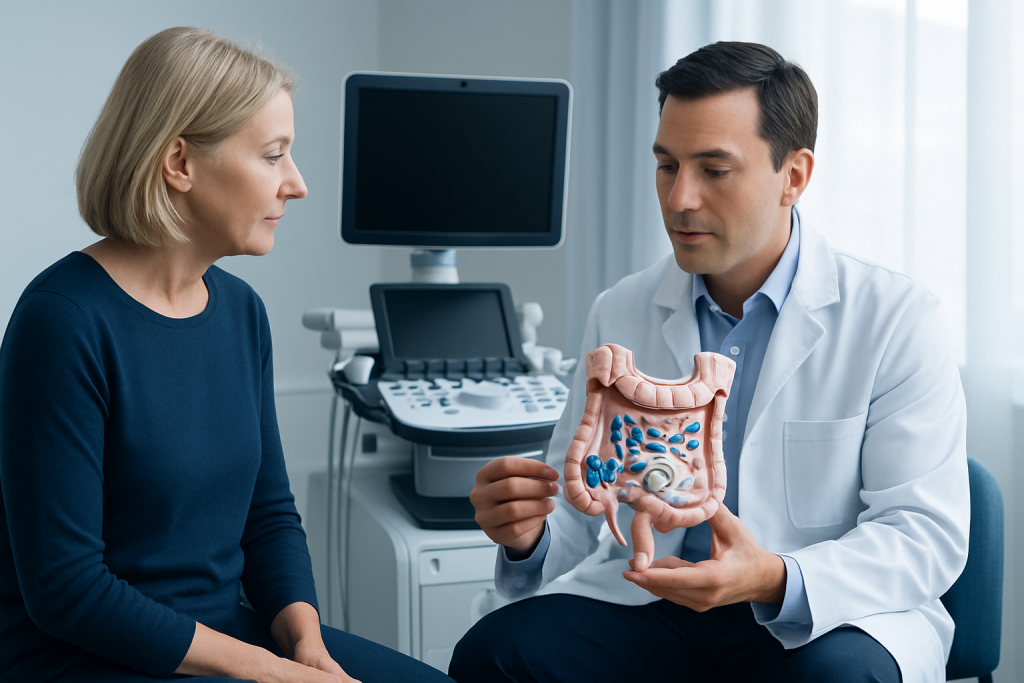
The gut microbiome contains trillions of microorganisms that help process food, influence metabolism, and communicate with the immune system. Bifidobacteria contribute by fermenting dietary fibers and other compounds that the body cannot digest on its own. This process creates helpful byproducts that nourish cells lining the colon and help maintain a healthy gut environment.
Another important role of bifidobacteria is helping limit the growth of less desirable microbes. They do this partly by competing for space and nutrients and partly by producing acids that make the intestinal environment less favorable for harmful organisms. This does not mean they “kill all bad bacteria,” but they can support microbial balance.
Bifidobacteria may also affect bowel function. In some people, certain strains are associated with improved stool consistency, reduced bloating, or better regularity. These effects are usually modest and vary from person to person. Symptoms such as persistent abdominal pain, ongoing diarrhea, or blood in the stool still need proper medical assessment, especially when concerns such as Crohn’s disease or ulcerative colitis are possible.
Potential health benefits and current evidence

Research on bifidobacteria is active, but the evidence is strongest for selected uses rather than broad claims. Some strains may help support bowel regularity, reduce occasional digestive discomfort, and aid recovery of the gut microbiome after temporary disruption, such as after antibiotic use. In clinical practice, probiotics are usually considered supportive rather than primary treatment.
There is also interest in bifidobacteria for conditions such as irritable bowel syndrome, antibiotic-associated diarrhea, and some functional digestive symptoms. Results are mixed because studies often use different strains and combinations. A person may read that bifidobacteria are beneficial, yet one product may not match the strain studied in research.
Outside digestion, scientists are examining possible links between bifidobacteria and immune regulation, skin health, metabolic health, and even the gut-brain connection. These areas are promising but still developing. Bifidobacteria should not be seen as a cure, and they should not replace evaluation when symptoms suggest a more specific disorder that may require testing or targeted care, including assessment by specialists in gastroenterology.
- Best-supported role: supporting gut microbiome balance and digestive health
- Possible benefit: bowel regularity and some bloating or discomfort
- Situational use: after antibiotics in selected cases
- Important limit: benefits are strain-specific and not universal
Food sources, supplements, and factors that affect levels
Bifidobacteria are not nutrients in the same way as vitamins, so they are not simply “eaten” in large amounts from one food. Instead, the body supports them through diet patterns that favor a healthy microbiome. Foods rich in fiber and prebiotics, such as vegetables, fruits, legumes, oats, and whole grains, help nourish beneficial gut bacteria, including bifidobacteria.
Some fermented foods and probiotic products may contain bifidobacteria, but labels differ widely. A product may list only the genus, or it may specify the full strain name, which is more useful when comparing it with research. Refrigeration requirements, storage conditions, and shelf stability can also affect whether the bacteria remain viable.
Many everyday factors influence bifidobacteria levels. Age, diet quality, sleep, stress, illness, recent antibiotic use, and underlying digestive disorders can all change the microbiome. If symptoms are significant or recurring, self-treating with probiotics alone may delay needed testing. In some cases, doctors may recommend further evaluation, including endoscopy or colonoscopy, to identify the cause of gastrointestinal symptoms.
Safety, side effects, and who should be cautious
For most healthy people, bifidobacteria in foods or standard probiotic products are generally well tolerated. Mild gas, bloating, or temporary changes in bowel habits can occur when starting a new probiotic, especially if intake begins suddenly. These effects often settle as the body adjusts.
Safety deserves more careful attention in people who are seriously ill, have very weakened immune systems, have central venous catheters, or are recovering from major surgery. In these settings, probiotics are not automatically appropriate and should only be used with guidance from a qualified clinician. Rare complications have been reported in vulnerable patients, which is why individualized medical advice matters.
It is also sensible to review products carefully. Supplements are not all identical in quality, and not every product has been studied for the same use. People who are pregnant, caring for a premature infant, managing multiple chronic illnesses, or taking several medications should discuss probiotic use with a healthcare professional before starting.
How doctors evaluate digestive symptoms linked to microbiome concerns
Patients often ask whether low bifidobacteria are the reason for bloating, constipation, or irregular bowel habits. While the microbiome may play a role, symptoms can also result from food intolerance, medication effects, infection, inflammatory bowel disease, celiac disease, thyroid problems, and other conditions. For that reason, doctors usually focus first on a careful history, symptom pattern, diet, and any alarm features.
Testing is guided by the clinical picture. Basic blood tests, stool tests, imaging, or endoscopic procedures may be appropriate in selected cases. Commercial microbiome tests are widely marketed, but their clinical value in routine care remains limited. Finding a certain bacterial pattern does not always explain symptoms or determine the best treatment.
Management usually combines symptom review, dietary guidance, and treatment of any identified condition. A clinician may suggest a time-limited trial of a probiotic containing bifidobacteria if it fits the person’s symptoms, but it is generally one part of a broader plan rather than the only answer. Near the end of the care pathway, some patients may also seek specialist input at centers such as Acibadem International, where multidisciplinary specialists in JCI-accredited hospitals diagnose and treat digestive conditions for international patients.
Practical self-care and when to seek medical care
People interested in supporting bifidobacteria naturally can focus on sustainable habits rather than quick fixes. A varied, fiber-rich diet, regular physical activity, good sleep, stress management, and careful use of antibiotics all help support a healthier microbiome. If a probiotic is tried, it is usually reasonable to choose one with clearly labeled strains and to monitor symptoms over time.
Medical care should be sought if digestive symptoms are severe, persistent, or unexplained. This includes weight loss without trying, blood in the stool, ongoing vomiting, trouble swallowing, persistent fever, nighttime symptoms that disrupt sleep, or a major change in bowel habits. These symptoms do not always indicate a serious illness, but they should not be attributed to microbiome imbalance alone.
Children, older adults, people with inflammatory bowel disease, and those with a weakened immune system should be especially cautious about self-diagnosing gut problems. A qualified doctor can help determine whether bifidobacteria-containing products are appropriate, whether dietary changes are enough, or whether further testing and treatment are needed.
Frequently asked questions
What are bifidobacteria in simple terms?
Bifidobacteria are beneficial bacteria that normally live in the intestines. They help support digestion, interact with the immune system, and contribute to a balanced gut microbiome.
Are bifidobacteria the same as probiotics?
Not exactly. Bifidobacteria are a type of bacteria, while probiotics are products that contain live microorganisms intended to provide a health benefit. Some probiotics contain bifidobacteria, but not all do.
Can bifidobacteria help with bloating or constipation?
Some strains may help certain people with bowel regularity or mild digestive discomfort. However, results vary, and probiotics do not work the same way for everyone. Persistent symptoms should be discussed with a doctor.
How can someone increase bifidobacteria naturally?
A diet rich in fiber and prebiotic foods is one of the best ways to support bifidobacteria. Fruits, vegetables, legumes, oats, and whole grains can help nourish beneficial gut bacteria over time.
Are bifidobacteria supplements safe?
They are generally safe for healthy individuals when used as directed, though mild gas or bloating can occur. People who are seriously ill, immunocompromised, or recovering from major surgery should seek medical advice before using them.
Do microbiome test results show whether someone needs bifidobacteria?
Not reliably in routine care. Microbiome testing can be interesting, but its medical use is still limited, and results do not always explain symptoms or guide treatment clearly. Doctors usually base decisions on symptoms, history, and standard medical evaluation.
References
- World Health Organization
- National Institutes of Health Office of Dietary Supplements
- National Institute of Diabetes and Digestive and Kidney Diseases
- American Gastroenterological Association
- International Scientific Association for Probiotics and Prebiotics
This article is for general information only and is not a substitute for professional medical advice. Please consult a qualified doctor about your individual situation.
Persistent digestive symptoms? Get evaluated in Turkey
JCI-accredited · board-certified surgeons · reply within 24h
Add us as a Preferred Source to see more of our trusted health content across Google Search, AI Overviews and Discover.

More from the Health Library

Keto Crotch: What Patients Need to Know

Nummular Eczema: An Evidence-Based Guide for Patients

Diovan: An Evidence-Based Guide for Patients

Coagulation Clotting: An Evidence-Based Guide for Patients

Catheter Bag: An Evidence-Based Guide for Patients