Big Toe Pain Explained: Common Triggers and Red Flags

Big toe pain can start in the joint, bone, tendon, skin, or toenail. Common causes include injury, bunions, osteoarthritis, gout, and ingrown toenails.
Key Takeaways
- Big toe pain can start in the joint, bone, tendon, skin, or toenail.
- Common causes include injury, bunions, osteoarthritis, gout, and ingrown toenails.
- Sudden severe pain with redness and swelling may suggest gout or infection and needs prompt medical assessment.
- Persistent pain, deformity, numbness, or difficulty walking should be evaluated by a doctor.
- Supportive footwear, activity changes, and early treatment may help prevent worsening symptoms.
Big toe pain is a symptom rather than a diagnosis. It commonly comes from strain, arthritis, bunions, ingrown nails, or gout, and the pattern of pain, swelling, stiffness, or redness often helps point to the cause.
Overview: what big toe pain can mean
Big toe pain is commonly linked to pressure, overuse, injury, arthritis, bunions, or gout. In many people, the pain improves once the underlying cause is identified and treated, but ongoing symptoms should not be ignored because the big toe plays an important role in balance and walking.
The term “big toe pain” can describe discomfort in different areas: the main joint at the base of the toe, the smaller joint near the tip, the nail and surrounding skin, or the soft tissues underneath the toe. Pain may feel sharp, throbbing, burning, stiff, or tender only when walking. Some causes develop gradually, while others begin suddenly.
Because the big toe absorbs force with every step, even a small problem can interfere with daily activities. A careful look at where the pain is located, what triggers it, and whether swelling, redness, warmth, or deformity is present can help narrow down the cause and guide treatment.
Symptoms and patterns that help identify the cause
Big toe pain is not always the same from person to person. Some notice pain only during push-off while walking or running. Others feel stiffness first thing in the morning, soreness from shoe pressure, or sudden nighttime pain with swelling. These details can help a doctor distinguish between mechanical problems, inflammation, and infection.
Symptoms that may occur along with big toe pain include swelling, bruising, warmth, redness, reduced range of motion, a visible bump at the base of the toe, numbness, tingling, or tenderness around the nail. A cracking or grinding sensation in the joint may suggest cartilage wear, while burning or shooting pain may point to nerve irritation.
- Sudden, intense pain with redness and warmth: can occur with gout or infection.
- Pain after stubbing the toe or sports activity: may suggest a sprain, fracture, or tendon injury.
- Pain from tight shoes with a growing bump: is common with bunions.
- Stiffness and limited motion: may be seen in osteoarthritis or hallux rigidus.
- Tender skin around the nail: often relates to an ingrown toenail or local infection.
Keeping track of when the pain started, whether it is getting worse, and what makes it better or worse can be useful during a medical visit. Photos of swelling or redness during flares can also help if symptoms come and go.
Common causes of big toe pain

One of the most common causes of big toe pain is pressure or misalignment at the base joint. A bunion can create a bony prominence on the inner side of the foot and gradually push the big toe toward the smaller toes. This may lead to rubbing in shoes, joint irritation, and walking discomfort. In some cases, the discomfort may be related to a bunion that slowly worsens over time.
Arthritis is another frequent cause. Osteoarthritis can affect the big toe joint and make it stiff, enlarged, and painful, especially during walking or when bending the toe upward. A more specific pattern, hallux rigidus, refers to progressive stiffness and degeneration in this joint. Inflammatory arthritis, such as rheumatoid arthritis, can also involve the toes and usually causes swelling and prolonged morning stiffness.
Gout is known for causing sudden attacks of severe pain, often in the big toe joint. The toe may become red, swollen, shiny, and very tender even to light touch. These attacks occur when uric acid crystals collect in the joint. While not every red swollen toe is gout, this is a classic presentation and may overlap with symptoms seen in gout.
Injuries can affect bones, ligaments, tendons, or cartilage. Stubbing the toe, dropping something on the foot, repetitive running stress, or hyperextension during sports can cause a sprain, fracture, or so-called turf toe injury. Other causes include sesamoiditis, which is irritation of the small bones under the big toe joint, and ingrown toenails, where the nail edge grows into the surrounding skin and causes pain and inflammation.
Risk factors and what may make symptoms worse
Several factors can increase the chance of developing big toe pain. Foot shape and biomechanics matter. Flat feet, high arches, limited ankle mobility, and abnormal pressure through the front of the foot can all place added stress on the big toe joint. Family history may also play a part, especially in bunions and some forms of arthritis.
Footwear is a major contributor. Narrow toe boxes, high heels, and shoes with poor support can compress the toe and worsen alignment problems. Occupations or sports that involve frequent standing, running, jumping, or sudden directional changes can increase strain. Repeated microtrauma may gradually lead to pain even without one obvious injury.
Some health conditions raise the likelihood of specific causes. High uric acid levels, kidney disease, dehydration, and certain medications can contribute to gout attacks. Diabetes and poor circulation can increase the risk of foot complications, delayed healing, and infection. When pain is accompanied by numbness, skin color changes, or wounds that do not heal, prompt medical evaluation is important.
How doctors diagnose big toe pain
Diagnosis begins with a medical history and physical examination. A doctor typically asks when the pain started, whether there was an injury, what activities or shoes make it worse, and whether there are episodes of swelling, redness, or stiffness. The foot is examined for tenderness, deformity, warmth, range of motion, gait changes, and signs of skin or nail infection.
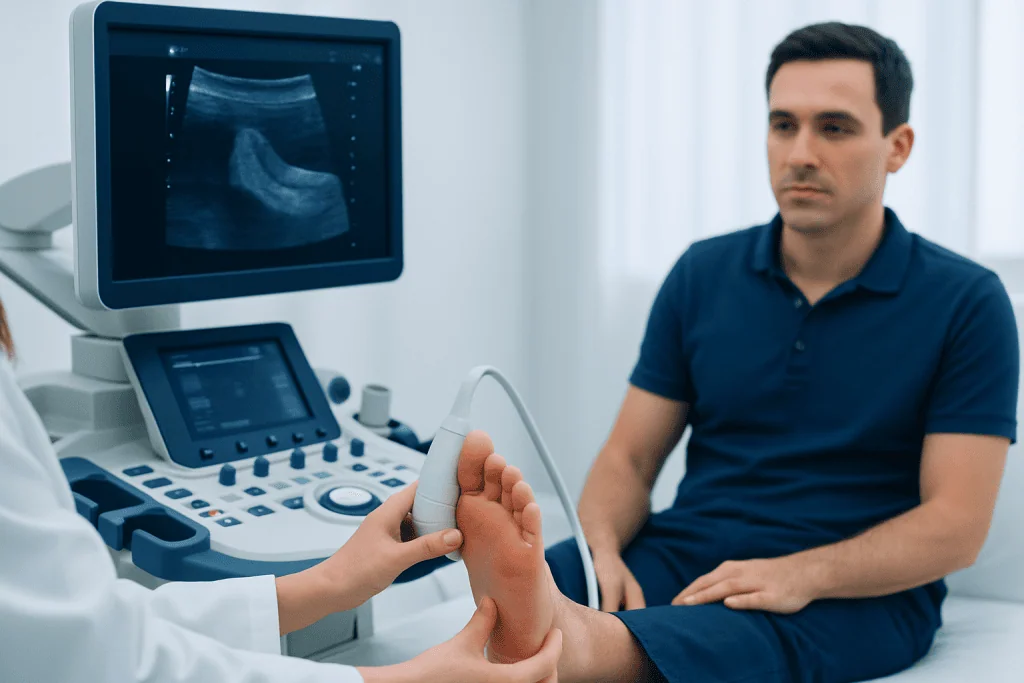
Imaging may be recommended depending on the suspected cause. X-rays can show fractures, joint narrowing, bone spurs, alignment changes, and arthritis. Ultrasound or MRI may be useful when a soft tissue injury, stress injury, tendon problem, or early inflammatory process is suspected. Blood tests may be ordered if gout, infection, or inflammatory arthritis is part of the differential diagnosis.
A precise diagnosis matters because treatments differ. A painful bunion is managed differently from gout, and an ingrown toenail requires different care than an arthritic joint. If specialist input is needed, the evaluation may involve orthopedics, rheumatology, podiatry, or dermatology depending on the cause.
Treatment options for big toe pain
Treatment depends on the underlying problem, the severity of symptoms, and how much walking is affected. Many mild cases improve with rest, ice, temporary activity modification, and wider, well-cushioned shoes that reduce pressure on the toe. Toe spacers, protective pads, or custom orthotics may help some people by improving alignment and reducing strain through the front of the foot.
When inflammation is present, a doctor may recommend medication to reduce pain and swelling. Physical therapy can help improve joint mobility, strengthen supporting muscles, and correct movement patterns that overload the toe. If the issue is an ingrown nail or a skin infection, local treatment and wound care are more appropriate than joint-focused therapies.
For persistent structural problems, targeted procedures may be considered. A painful bunion that limits daily life may be treated with bunion surgery after conservative measures have been tried. If severe joint degeneration is present, an orthopedic surgeon may discuss options such as orthopedic surgery tailored to the specific joint problem.
If attacks of sudden red, swollen joint pain are due to gout, treatment focuses on calming the flare and preventing future episodes. People with fractures, significant ligament injuries, or ongoing disability may need immobilization or specialist care. Near the end of the care pathway, some international patients choose centers such as Acibadem International, where multidisciplinary specialists in JCI-accredited hospitals evaluate and treat foot and joint conditions.
Self-care and prevention
Simple daily habits can reduce stress on the big toe and may help prevent symptoms from returning. Shoes should have enough room in the toe box, good arch support, and cushioning appropriate for the person’s activity level. Replacing worn shoes and avoiding prolonged use of tight or high-heeled footwear can make a meaningful difference.
Weight management, gradual increases in exercise intensity, and proper warm-up may lower repetitive strain on the forefoot. For athletes, technique review and surface changes may help if symptoms are related to overuse. If a doctor recommends them, orthotics or shoe modifications can improve pressure distribution and reduce irritation.
Nail care is also important. Toenails should be trimmed straight across rather than too short at the corners to reduce the risk of ingrown nails. People with diabetes, reduced sensation, or circulation problems should inspect their feet regularly and seek medical advice early for cuts, redness, swelling, or persistent pain.
When to seek medical care
Medical assessment is a good idea if big toe pain lasts more than a few days, keeps returning, or makes walking difficult. Persistent swelling, joint stiffness, or a visible change in toe shape can suggest a condition that benefits from earlier treatment before function worsens.
Prompt care is especially important if the toe becomes suddenly red, hot, and severely painful; if there is fever; if the skin is draining pus; or if the pain began after a significant injury. These features may point to gout, infection, or a fracture. People with diabetes, nerve damage, poor circulation, or immune system problems should not delay evaluation.
Emergency assessment may be needed for severe trauma, an obviously deformed toe, loss of circulation, spreading redness, or inability to bear weight. If the cause is uncertain, a specialist evaluation can help rule out conditions such as osteoarthritis and guide the most appropriate treatment plan.
Frequently asked questions
Why does my big toe hurt when I walk?
Pain during walking often comes from pressure through the big toe joint, which helps push the body forward with each step. Common reasons include bunions, arthritis, sesamoid irritation, tendon strain, or a past injury that did not fully heal.
Is big toe pain always caused by gout?
No. Gout is one well-known cause, especially when pain starts suddenly with redness and swelling, but many other problems can affect the big toe. Arthritis, bunions, fractures, turf toe, and ingrown toenails are also common causes.
Can tight shoes cause big toe pain?
Yes. Shoes that squeeze the front of the foot can irritate the joint, rub a bunion, worsen nail problems, and increase pressure on nerves and soft tissues. Switching to shoes with a wider toe box and better support may reduce symptoms.
How do I know if big toe pain is serious?
Pain is more concerning if it is severe, comes with redness and warmth, follows a significant injury, or makes walking difficult. Medical review is also important for persistent pain, deformity, fever, numbness, or any foot problem in a person with diabetes or poor circulation.
Will big toe pain go away on its own?
Some mild cases improve with rest, supportive shoes, and reduced activity, especially if the cause is minor strain or pressure. However, pain that keeps returning or gradually worsens should be assessed so the underlying condition can be treated appropriately.
What doctor should I see for big toe pain?
A primary care doctor can often begin the evaluation and arrange basic imaging or tests. Depending on the suspected cause, care may then involve an orthopedist, rheumatologist, podiatry specialist, or another clinician with foot and joint expertise.
This article is for general information only and is not a substitute for professional medical advice. Please consult a qualified doctor about your individual situation.
Joint and spine care in Turkey — expert assessment & treatment
JCI-accredited · board-certified surgeons · reply within 24h
Add us as a Preferred Source to see more of our trusted health content across Google Search, AI Overviews and Discover.

More from the Health Library

Which Stds Are Not Curable? A Doctor-Reviewed Answer

How Long Does Norovirus Live on Surfaces? Here Is What the Evidence Says

Is Food Poisoning Contagious? Here Is What the Evidence Says

Does Anesthesia Cause Hair Loss? Causes, Explanations, and Next Steps

Are Marshmallows Gluten Free? Here Is What the Evidence Says