Bile Duct Cancer Therapy: How It Works, Results and What to Expect

Surgery offers the main chance of long-term disease control when bile duct cancer can be completely removed. Chemotherapy, immunotherapy, targeted therapy and radiation may be used before or after surgery, or for cancer that has spread.
Key Takeaways
- Surgery offers the main chance of long-term disease control when bile duct cancer can be completely removed.
- Chemotherapy, immunotherapy, targeted therapy and radiation may be used before or after surgery, or for cancer that has spread.
- Biliary stents or drainage procedures can help treat jaundice and improve liver function when a tumor blocks bile flow.
- Outlook varies widely; cancer stage, tumor location, response to treatment and overall health all matter.
- Care is best planned by a multidisciplinary team with expertise in hepatobiliary and gastrointestinal cancers.
Bile duct cancer therapy is tailored to the cancer’s location, stage, biology and a person’s overall health. Treatment may aim to remove localized cancer, slow advanced disease, ease bile duct blockage and symptoms, and help maintain quality of life.
Overview: How Bile Duct Cancer Therapy Works
Bile duct cancer therapy uses one or more treatments to remove cancer where possible, control its growth when it cannot be removed, and manage problems such as jaundice, itching, pain or infection. Bile duct cancer, also called cholangiocarcinoma, is uncommon and can arise inside the liver, near the liver hilum, or in the bile ducts closer to the pancreas and small intestine.
The treatment plan is individualized after careful staging. A team may include surgeons, medical oncologists, radiation oncologists, gastroenterologists, interventional radiologists, pathologists, radiologists, dietitians and supportive-care clinicians. They consider the tumor’s exact location, whether it involves major blood vessels, whether it has spread, liver function, molecular test results and the person’s preferences.
Therapy may be curative when cancer is localized and can be removed fully. If the disease is advanced, treatment can still be valuable for extending disease control, relieving symptoms and preserving daily function. Bile duct cancer information can help patients understand the condition alongside discussions with their treating team.
Who May Be a Candidate for Each Treatment?
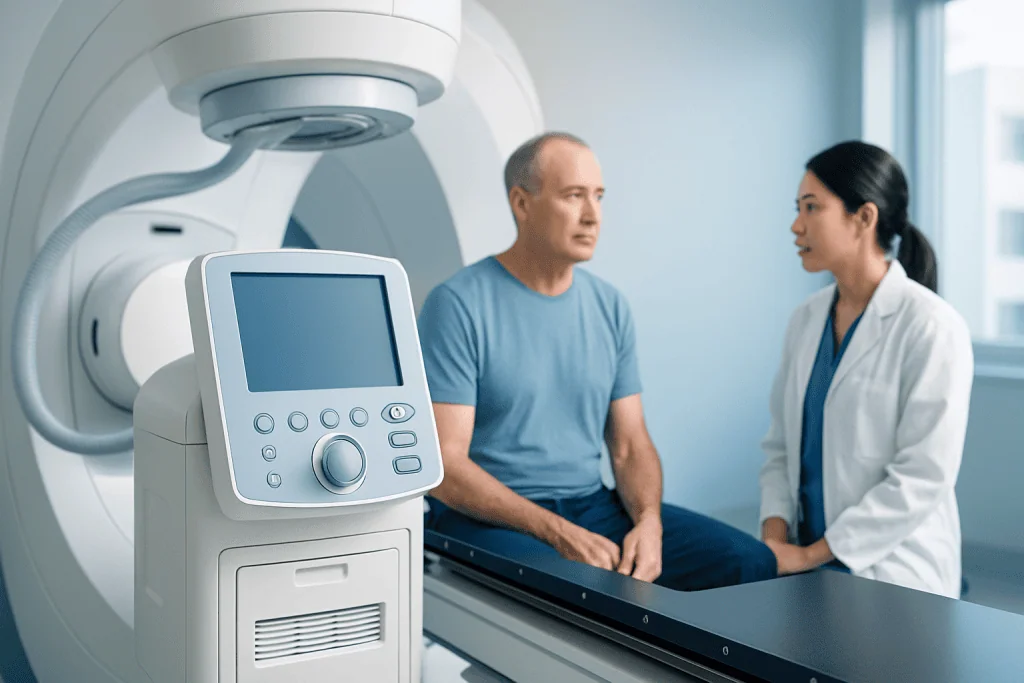
Before recommending treatment, clinicians perform staging tests. These may include blood tests for liver function, contrast-enhanced CT or MRI scans, chest imaging and, in selected situations, endoscopic ultrasound, cholangioscopy or biopsy. Imaging helps determine whether the tumor can be safely removed and whether there is spread to lymph nodes, the liver, lungs or other organs.
Surgery may be considered for people with localized disease whose tumor appears removable and whose liver reserve and general health can support a major operation. Some tumors are not removable at diagnosis because they involve critical blood vessels or extend too far within the liver or bile ducts. In these situations, systemic treatment may be recommended first, with reassessment over time in selected cases.
People with unresectable or metastatic cancer may be candidates for chemotherapy, often combined with immunotherapy in appropriate clinical settings. Molecular profiling of the tumor may identify gene changes that make a person eligible for a targeted medicine. Not every tumor has an actionable alteration, but testing can guide treatment choices and clinical trial discussions.
Supportive procedures are also important candidates for many patients. If a blocked bile duct causes jaundice, fever, worsening liver tests or severe itching, a stent or drainage catheter may be needed before or alongside cancer-directed treatment.
Treatment Pathway: Step by Step
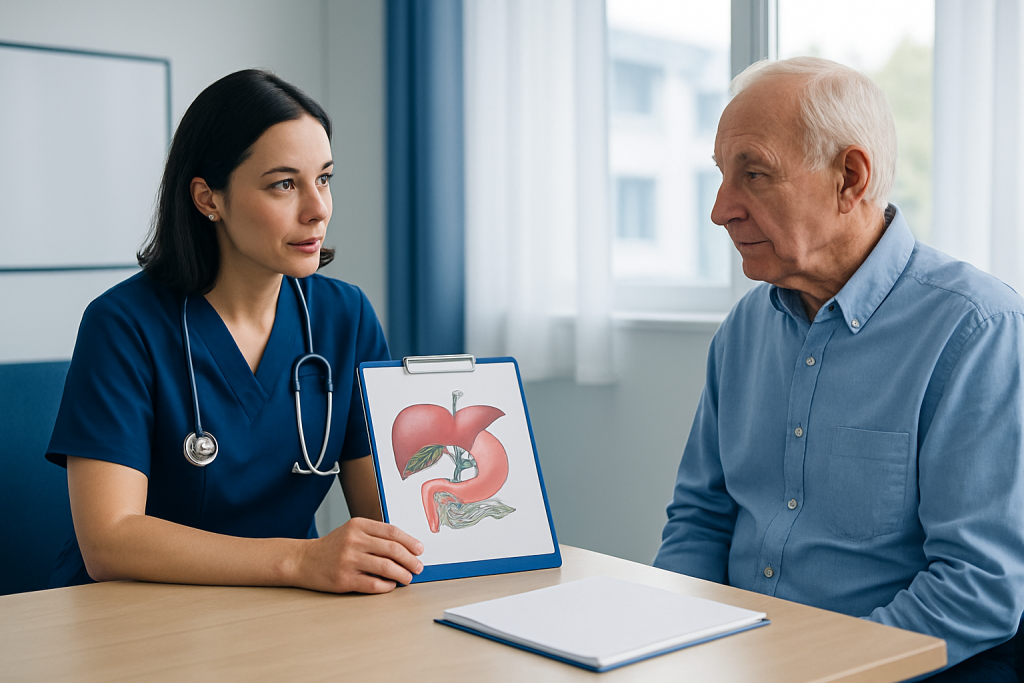
Care usually begins with confirmation of the diagnosis and review by a multidisciplinary cancer team. Tissue may be obtained by biopsy when it is needed to confirm cancer or guide drug treatment, although the approach is individualized because sampling bile duct tumors can be technically challenging. The team then reviews scans, pathology and laboratory results to establish a treatment goal.
For resectable cancer, surgery may involve removal of the affected bile ducts, part of the liver, nearby lymph nodes and sometimes adjacent structures, depending on where the tumor began. Reconstruction is performed to restore bile drainage into the intestine. After recovery, postoperative chemotherapy may be advised for some patients to lower the risk of cancer returning.
For disease that cannot be removed or has spread, treatment commonly starts with systemic therapy. This may include chemotherapy, immunotherapy or both. If testing identifies an appropriate molecular target, a targeted medicine may be used at a suitable point in treatment. Radiation therapy can be considered in selected cases to treat a localized area, help control symptoms or complement other treatment.
When bile flow is obstructed, an endoscopic procedure called ERCP or an image-guided drainage procedure may place a stent across the narrowing. These approaches can reduce jaundice and help make systemic treatment safer. Chemotherapy is often delivered in repeating cycles, with regular blood tests and clinical reviews to monitor benefit and side effects.
Benefits, Risks and Recovery Timeline
The potential benefit of surgery is complete removal of visible cancer, which offers the best opportunity for long-term control in appropriately selected localized cases. Recovery after bile duct and liver surgery varies according to the extent of surgery, baseline health and whether complications occur. Hospital recovery may take days to a few weeks, while rebuilding strength, appetite and usual activity can take several weeks or longer.
Major surgery has risks, including bleeding, infection, bile leakage, blood clots, delayed stomach emptying, changes in liver function and complications related to anesthesia. The surgical team explains the expected operation, alternatives and individual risks before treatment. Follow-up includes wound checks, blood tests, imaging and monitoring for nutritional or digestive concerns.
Chemotherapy and immunotherapy are usually given over multiple planned cycles, with rest periods between treatments. Possible chemotherapy effects include fatigue, nausea, appetite changes, low blood counts, infection risk, numbness or tingling, and changes in kidney or liver tests. Immunotherapy can occasionally cause inflammation in organs such as the thyroid, lungs, bowel, liver or skin; new symptoms should be reported promptly.
Biliary stenting can improve bile drainage and symptoms, but stents may become blocked or infected and sometimes need replacement. Radiation may cause fatigue, nausea, diarrhea or skin changes, depending on the treatment field. Supportive care, including nutrition support, symptom control and emotional support, is part of therapy at every stage.
How Long Can You Live With Bile Duct Cancer With Treatment?
Survival with bile duct cancer varies greatly, so no single timeframe can predict an individual outcome. It depends on whether the cancer can be removed, its location and stage, the person’s liver function and general health, tumor biology, and how well the cancer responds to treatment.
People whose cancer is found early and removed completely may live for years and some may remain free of detectable cancer after treatment. For advanced cancer, modern systemic therapies can often control disease for a period of time, but the duration differs substantially between individuals. The oncology team is best placed to explain prognosis using current scan results, pathology and response to therapy.
Regular reassessment is important. Imaging and blood tests help show whether treatment is shrinking, stabilizing or no longer controlling the cancer, allowing the team to consider another treatment, a clinical trial or a stronger focus on symptom-directed care when appropriate.
How Long Does It Take for Bile Duct Cancer to Spread?
Bile duct cancer does not spread on a predictable schedule. Some tumors progress relatively slowly, while others grow or spread more quickly. The pattern depends on the tumor’s biology, the site where it started and whether it has already entered nearby lymph nodes, blood vessels or distant organs at the time of diagnosis.
Because early bile duct cancer may cause few symptoms, it can sometimes be diagnosed after it has already become locally advanced or spread. This does not mean treatment is ineffective. Staging at diagnosis provides a baseline, and follow-up scans during treatment show how the cancer is behaving in that particular person.
New jaundice, fever, worsening abdominal pain, unexplained weight loss, persistent vomiting or a marked decline in energy should be discussed with the clinical team promptly. These symptoms can have several causes, including bile duct blockage or treatment side effects, and should be assessed rather than assumed to represent cancer progression.
Can Bile Duct Cancer Go Into Remission?
Yes, some people can have no detectable evidence of cancer after treatment, particularly when a localized tumor is fully removed by surgery. Clinicians may describe this as no evidence of disease or remission. Ongoing surveillance remains necessary because bile duct cancer can recur even after apparently successful treatment.
In advanced disease, systemic therapy can sometimes produce a partial response, meaning tumors become smaller, or stable disease, meaning they do not grow for a period. A complete response on imaging is less common, and doctors usually continue close monitoring even when scans look very favorable.
Follow-up plans commonly include scheduled imaging, liver-related blood tests and appointments to review symptoms. The schedule depends on the original tumor, treatments received and time since treatment, so it should be individualized by the oncology and surgical teams.
How Many Rounds of Chemo for Bile Duct Cancer?
The number of chemotherapy rounds for bile duct cancer depends on the treatment goal and how well a person tolerates and responds to therapy. Chemotherapy is given in cycles rather than as one continuous course. A cycle may include treatment on scheduled days followed by time for recovery, but the exact schedule and medicines vary.
After surgery, chemotherapy is often prescribed for a planned, time-limited course when recommended by the treating team. For unresectable or metastatic cancer, treatment may continue for several cycles while scans, blood tests and side effects show that it remains beneficial. The regimen can be adjusted, paused or changed if side effects are difficult or if the cancer progresses.
Patients should ask their oncology team what the intended goal is, when the first response scan will be performed and what side effects require urgent contact. There is no universally correct number of cycles for every person; treatment should balance cancer control with safety, symptoms and quality of life.
When to Seek Medical Care
Prompt medical assessment is important for yellowing of the skin or eyes, dark urine, pale stools, persistent itching, upper abdominal discomfort, unexplained weight loss, reduced appetite or ongoing fatigue. These symptoms do not always indicate bile duct cancer, but they can signal a problem with bile flow, the liver or pancreas that needs evaluation.
Urgent care is needed for fever or chills with jaundice, severe abdominal pain, confusion, persistent vomiting, fainting, or inability to keep fluids down. These may indicate a bile duct infection or another serious complication requiring timely treatment.
During treatment, patients should contact their cancer team about fever, worsening jaundice, new shortness of breath, severe diarrhea, unusual bleeding, uncontrolled pain or a sudden change in how they feel. Acibadem International’s multidisciplinary specialists and JCI-accredited hospitals diagnose and treat bile duct cancer for international patients, coordinating surgical, medical and supportive care according to individual needs.
Frequently asked questions
What is the first treatment for bile duct cancer?
The first treatment depends on the stage and location of the tumor. When cancer is localized and removable, surgery is often the first option. If the bile duct is blocked, drainage or a stent may be needed first, while advanced disease is commonly treated with systemic therapy.
Is surgery always possible for bile duct cancer?
No. Surgery is possible only when the cancer can be removed safely while leaving enough functioning liver and preserving essential structures. A specialist team reviews detailed imaging to decide whether surgery is appropriate.
What tests help choose bile duct cancer therapy?
CT or MRI scans, blood tests and pathology assessment are central to treatment planning. Tumor molecular testing may also identify genetic changes that can guide targeted therapy or clinical trial options.
Does chemotherapy cure bile duct cancer?
Chemotherapy after surgery may reduce the chance of recurrence in selected patients, but it cannot guarantee a cure. In advanced disease, chemotherapy is generally used to control cancer growth, relieve symptoms and support quality of life.
Can a bile duct stent treat the cancer itself?
A bile duct stent does not remove or destroy the cancer. It helps restore bile flow when a tumor narrows or blocks the duct, which can improve jaundice and help prevent complications such as infection.
What follow-up is needed after treatment?
Follow-up generally includes regular appointments, imaging and blood tests to look for recurrence, progression or treatment-related issues. The timing is individualized based on the cancer stage, treatments received and current health.
References
- National Cancer Institute
- American Cancer Society
- European Society for Medical Oncology
- National Comprehensive Cancer Network
- World Health Organization
This article is for general information only and is not a substitute for professional medical advice. Please consult a qualified doctor about your individual situation.
Persistent digestive symptoms? Get evaluated in Turkey
JCI-accredited · board-certified surgeons · reply within 24h
Add us as a Preferred Source to see more of our trusted health content across Google Search, AI Overviews and Discover.