Biopsy for Lymphoma Cancer: Procedure, Recovery and Results
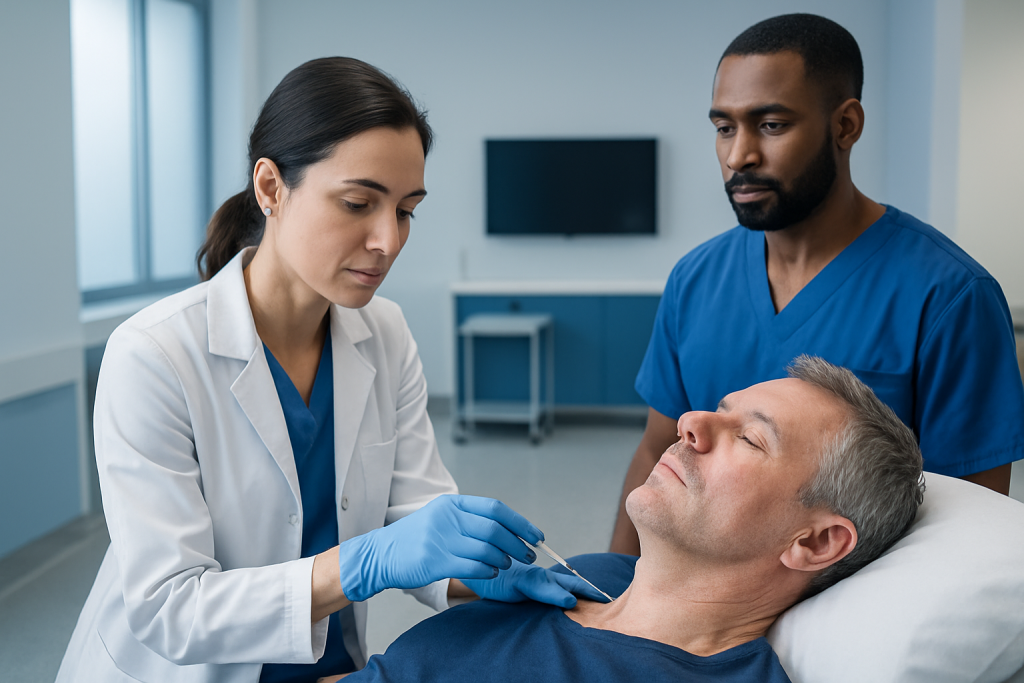
A tissue biopsy, rather than a blood test alone, is usually needed to diagnose lymphoma and determine its subtype. An excisional lymph node biopsy often provides the most complete sample when a swollen lymph node is accessible.
Key Takeaways
- A tissue biopsy, rather than a blood test alone, is usually needed to diagnose lymphoma and determine its subtype.
- An excisional lymph node biopsy often provides the most complete sample when a swollen lymph node is accessible.
- Needle biopsies may be appropriate in some situations, especially for deeper lymph nodes or masses guided by imaging.
- Recovery commonly involves mild soreness, bruising and wound-care instructions; complications are uncommon but should be recognized promptly.
- Biopsy results can take several days to two weeks or longer because specialized laboratory testing may be required.
- Lymphoma outlook varies widely by subtype, stage, overall health and response to treatment.
A biopsy for lymphoma cancer is the key test used to confirm whether lymphoma is present and, if so, identify its precise subtype. The sample helps the care team choose the most appropriate next steps, while most people recover from the procedure with short-term, manageable discomfort.
Overview: What Is a Biopsy for Lymphoma Cancer?
A biopsy for lymphoma cancer is a procedure in which a doctor removes a small amount of tissue, often from an enlarged lymph node, for examination in a laboratory. It is the most reliable way to diagnose lymphoma because specialists need to see the cells and their arrangement within tissue. The biopsy can also distinguish lymphoma from infections, inflammatory conditions and cancers that have spread to lymph nodes.
Lymphoma is a cancer that begins in lymphocytes, a type of white blood cell involved in immune function. It includes Hodgkin lymphoma and many forms of non-Hodgkin lymphoma. These types can behave very differently, so identifying the exact subtype is essential before treatment is planned.
Pathologists examine the specimen under a microscope and usually perform additional tests, such as immunohistochemistry, flow cytometry, chromosome studies or molecular testing. These findings help define the lymphoma accurately and allow the wider clinical team to discuss appropriate care.
Why a Lymphoma Biopsy Is Needed and Who May Need One
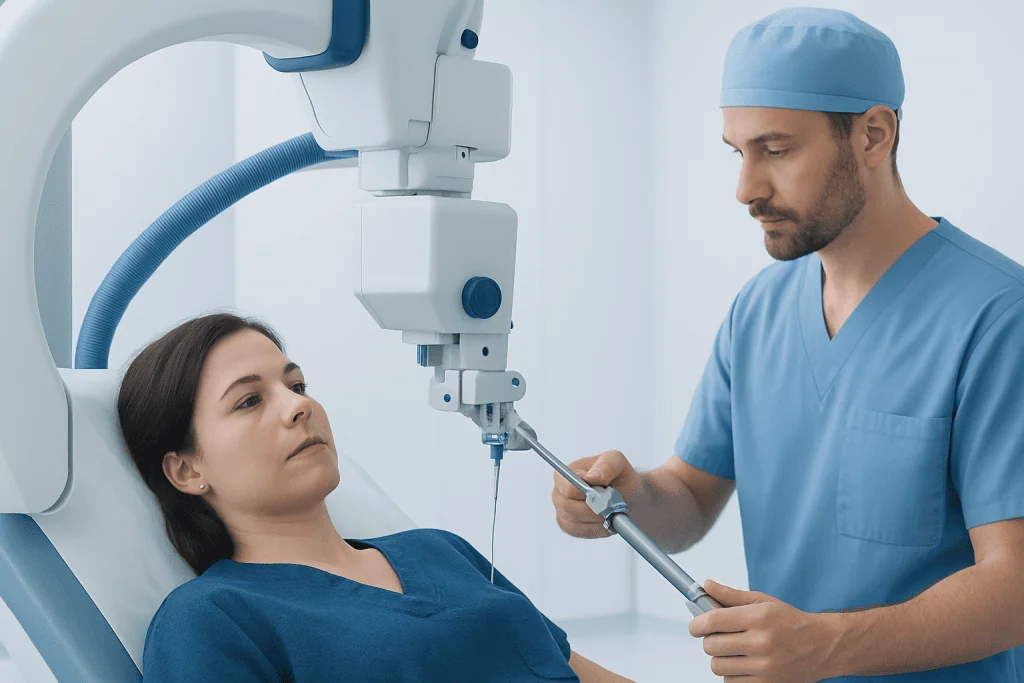
A clinician may recommend a biopsy when a lymph node remains enlarged, grows over time, has concerning features on an examination or scan, or occurs alongside symptoms such as persistent fever, drenching night sweats, unexplained weight loss, fatigue or itching. A biopsy may also be considered when lymphoma affects an organ or when abnormal cells are found in another test.
Swollen lymph nodes are common and are far more often caused by infections or other non-cancerous conditions. For this reason, doctors consider the location, duration and pattern of swelling, medical history, physical examination and any imaging or blood-test findings before recommending tissue sampling.
Not every person with enlarged nodes needs an immediate biopsy. A doctor may first monitor a node or treat a likely infection where appropriate. However, a node that persists without a clear cause, becomes larger, or is associated with concerning symptoms should be assessed without unnecessary delay.
- Accessible swollen lymph nodes in the neck, armpit or groin may be suitable for surgical removal or sampling.
- Deep lymph nodes in the chest or abdomen may require ultrasound, CT or other image-guided biopsy techniques.
- A bone marrow biopsy may be recommended after lymphoma is diagnosed to help assess whether the marrow is involved.
How the Biopsy Procedure Works Step by Step
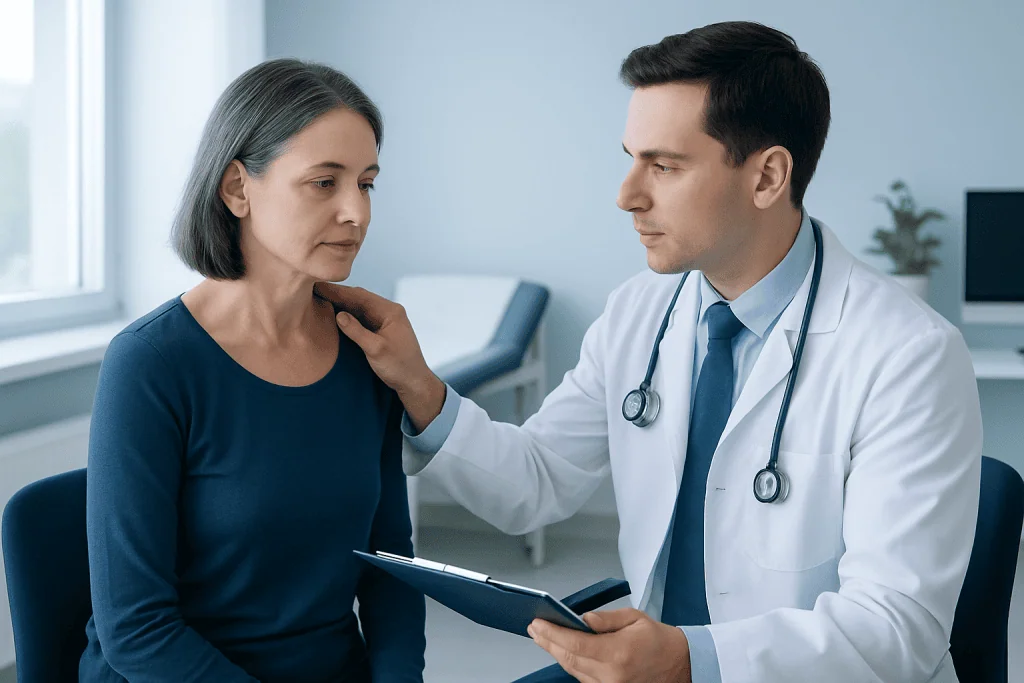
The best biopsy method depends on where the abnormal tissue is located, its size, a person’s general health and what information is needed. When possible, doctors often prefer an excisional biopsy, which removes an entire lymph node, or an incisional biopsy, which removes part of a larger node or mass. These approaches preserve tissue structure, which can be particularly valuable when diagnosing lymphoma.
A core needle biopsy removes several narrow cylinders of tissue through a small skin opening. Fine-needle aspiration uses a very thin needle to collect cells, but on its own it may not provide enough tissue to diagnose or classify lymphoma reliably. If the first sample is not conclusive, a further or more extensive biopsy may be needed.
Before the procedure, the clinical team reviews medications, allergies, bleeding risk and any relevant medical conditions. Blood-thinning medicines may need individual instructions from the prescribing clinician. The patient may receive local anaesthetic, sedation or general anaesthetic depending on the biopsy site and technique. For sedation or general anaesthetic, fasting instructions and arrangements for a responsible adult to accompany the patient home may be necessary.
During an open lymph node biopsy, the surgeon makes a small incision, removes the planned tissue sample and closes the skin with stitches, adhesive strips or surgical glue. Image-guided needle biopsies use imaging to place the needle accurately. Samples are sent promptly to specialist pathology services, and the procedure itself often takes less time than the preparation and recovery period.
Recovery Timeline, Benefits and Possible Risks
After a local-anaesthetic biopsy, many people return home the same day. Mild tenderness, swelling, bruising or a small amount of wound drainage can occur for a few days. Discomfort is often manageable with the pain relief recommended by the treating team. The wound should be kept clean and dry according to the specific instructions provided.
People who receive sedation or general anaesthetic may feel tired, nauseated or less alert for the rest of the day. They should avoid driving, alcohol, operating machinery and making important decisions until the effects have fully worn off and their care team says it is safe. Normal activity can often be resumed gradually, but heavy lifting or strenuous exercise may need to wait until the incision is healing well.
The main benefit of a biopsy is diagnostic clarity. Knowing the lymphoma type and its biological features can prevent unsuitable treatment and supports tailored planning. Risks are generally low but include bleeding, infection, pain, a scar, temporary numbness near the incision, and risks associated with sedation or anaesthesia. For biopsies near the chest, abdomen or other deep areas, the clinician will explain any site-specific risks.
Contact the treating team promptly for increasing redness, warmth, swelling, pus-like drainage, fever, persistent or worsening pain, heavy bleeding, shortness of breath, or a wound that opens. These symptoms do not always indicate a serious problem, but they deserve timely medical advice.
Understanding Lymphoma Biopsy Results
Biopsy results are not always available immediately. Basic microscopic review may take several days, while immunophenotyping and genetic or molecular studies can extend the process to one or two weeks or occasionally longer. This careful testing is important because some lymphoma subtypes look similar initially but require different management.
The report may state whether lymphoma is present, whether it is Hodgkin or non-Hodgkin lymphoma, the subtype, and features that indicate how quickly the cells appear to be growing. A result may also identify another cause of lymph node enlargement. In some cases, the sample is insufficient or does not fully answer the question, and another biopsy is recommended.
Once lymphoma is confirmed, further assessments may include blood tests, PET-CT or CT imaging, and sometimes bone marrow testing. These tests help establish the extent of disease, commonly called staging, and support a complete treatment discussion. Staging is not the same as prognosis; lymphoma outcomes also depend greatly on its particular subtype and response to treatment.
It can help for patients to ask for the exact lymphoma name, which tests were used to classify it, whether additional tests are needed and when the results will be reviewed. Keeping a written list of questions and bringing a trusted person to appointments may make these conversations easier.
Living With Lymphoma: Common Questions and Outlook
Can you live a long life after lymphoma treatment? Many people live for many years after lymphoma treatment, and some forms of lymphoma can be cured. Others may behave as long-term conditions that can be monitored and treated when needed. Individual outlook depends on the exact subtype, stage, age, general health, biological test results and response to therapy, so the treating specialist is best placed to discuss a personal prognosis.
What is it like living with lymphoma? Living with lymphoma can involve physical symptoms, appointments, tests and emotional uncertainty. Some people continue many usual activities during monitoring or treatment, while others need more rest and support. Fatigue, infection risk during certain treatments, changes in appetite and worry about the future can affect daily life, and practical, psychological and nutrition support may be helpful.
Are lymph nodes painful with lymphoma? Lymph nodes affected by lymphoma are often painless, but this is not universal. They can cause discomfort or pressure when enlarged nodes stretch surrounding tissue or press on nearby structures. Painful lymph nodes are also common with infections and other non-cancerous causes, so pain alone cannot diagnose lymphoma.
What are the symptoms of end-stage lymphoma? Advanced or end-stage lymphoma can look different from person to person and does not apply to everyone with advanced disease. Symptoms may include marked fatigue, reduced appetite, weight loss, increasing weakness, breathlessness, pain or recurrent infections, depending on where lymphoma is active and other health conditions. Palliative care can be introduced at any stage to control symptoms, support quality of life and help patients and families make informed choices alongside cancer treatment where appropriate.
When to Seek Medical Care
Medical assessment is recommended for a lymph node that remains enlarged for more than a few weeks without a clear explanation, continues to grow, feels hard or fixed, or is located above the collarbone. A clinician should also review unexplained fevers, drenching night sweats, unintentional weight loss, persistent severe itching, unusual fatigue, or swelling that affects breathing, swallowing or comfort.
Urgent medical attention is appropriate for severe shortness of breath, chest pain, facial or neck swelling, confusion, uncontrolled bleeding after a biopsy, or signs of a serious allergic reaction. These symptoms may have several causes and should be assessed promptly.
For people diagnosed with lymphoma, ongoing follow-up is important even when treatment is not needed immediately. A multidisciplinary team may include haematology, medical oncology, pathology, radiology, surgery, nursing and supportive-care professionals. Acibadem International’s multidisciplinary specialists and JCI-accredited hospitals diagnose and treat lymphoma for international patients, with care plans based on the individual diagnosis and needs.
Frequently asked questions
Is a biopsy the only way to diagnose lymphoma?
A tissue biopsy is usually needed to confirm lymphoma and identify the specific subtype. Blood tests and scans can show helpful clues, but they generally cannot provide the full diagnostic information that tissue analysis provides. In some situations, a bone marrow or biopsy of tissue outside a lymph node may be used.
Which biopsy is best for suspected lymphoma?
An excisional biopsy, which removes a whole lymph node, is often preferred when it can be performed safely. It gives pathologists more tissue and preserves the internal structure of the node. However, a core needle biopsy may be appropriate for deep or difficult-to-reach areas.
How painful is a lymph node biopsy?
Local anaesthetic is used for many biopsies, so the area should be numb during tissue removal, although pressure or pulling may be felt. Mild soreness and bruising afterward are common and usually temporary. The care team can advise on suitable pain relief and activity restrictions.
How long does it take to get lymphoma biopsy results?
Some preliminary findings may be available within several days, but complete lymphoma classification often takes one to two weeks. Specialized tests may take longer because they help determine the exact subtype. The clinician should explain when and how results will be discussed.
Can a biopsy spread lymphoma?
There is no evidence that a properly performed diagnostic biopsy causes lymphoma to spread. Biopsy is a standard and important part of lymphoma diagnosis. The benefit of obtaining an accurate diagnosis generally outweighs the small procedural risks.
What should someone avoid after a lymph node biopsy?
Aftercare depends on the biopsy location and anaesthetic used. People are commonly advised to avoid strenuous activity and heavy lifting for a short period, keep the wound as instructed, and avoid driving for 24 hours after sedation or general anaesthetic. The treating team’s individual instructions should always take priority.
References
- National Cancer Institute
- American Cancer Society
- Lymphoma Coalition
- National Health Service
- World Health Organization
This article is for general information only and is not a substitute for professional medical advice. Please consult a qualified doctor about your individual situation.
Lymphoma in Turkey — costs, top hospitals & a free quote
JCI-accredited · board-certified surgeons · reply within 24h
Add us as a Preferred Source to see more of our trusted health content across Google Search, AI Overviews and Discover.

Hematology Department
17 specialists in this unitMore from the Health Library

Related Specialists

Dr. Ali İlbey Demirel
General Surgery
Dr. Nevin Sarıgüzel
Infectious Diseases & Clinical Microbiology
Dr. Murat Alakuş
Physical Medicine & Rehabilitation
Assoc. Prof. Dr. Mehmet Altiparmak
Aesthetic Plastic & Reconstructive Surgery