Bishop Score: A Complete Medical Overview

The bishop score evaluates cervical dilation, effacement, consistency, position, and the baby's station. A higher bishop score generally suggests the cervix is more favorable for labor or induction.
Key Takeaways
- The bishop score evaluates cervical dilation, effacement, consistency, position, and the baby's station.
- A higher bishop score generally suggests the cervix is more favorable for labor or induction.
- It is one tool among many and is interpreted together with gestational age, maternal health, and fetal well-being.
- The score does not predict exactly when labor will start or guarantee the outcome of induction.
- If the cervix is not yet favorable, clinicians may recommend cervical ripening before induction.
The bishop score is a bedside assessment used in late pregnancy to estimate how ready the cervix is for labor. It helps clinicians decide whether labor induction is likely to work well or whether the cervix may benefit from ripening first.
Overview: what the bishop score means
The bishop score is a simple clinical scoring system used late in pregnancy to assess how prepared the cervix is for labor. In practical terms, it gives the care team a structured way to describe cervical change and estimate whether inducing labor is likely to be straightforward or whether cervical ripening may be needed first.
The score is usually assessed during a pelvic examination. Several features are checked, including how open the cervix is, how thin it has become, whether it feels soft or firm, whether it sits toward the front or back of the vagina, and how low the baby’s presenting part is in the pelvis. These findings are added together to create a total score.
A higher score generally means the cervix is more favorable for labor. A lower score suggests the cervix may still be relatively closed, firm, or posterior, which can make induction less likely to succeed without additional preparation. Even so, the bishop score is not a stand-alone verdict. It supports decision-making rather than replacing clinical judgment.
How the bishop score is calculated
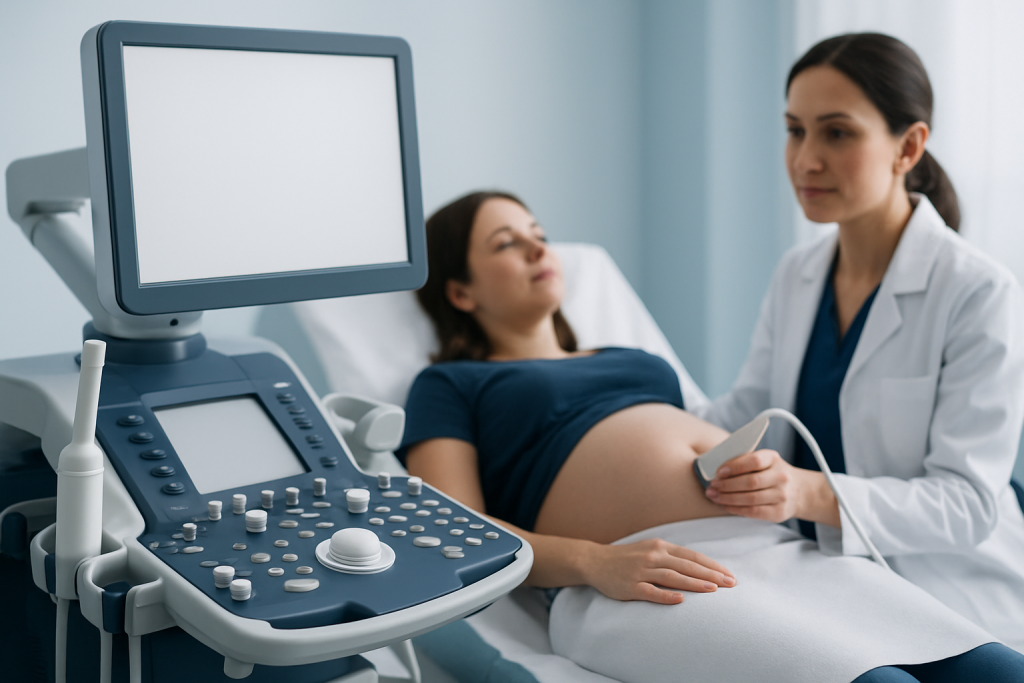
The bishop score is based on five examination findings. Each component receives a small number of points, and the total helps describe cervical readiness. Although scoring details can vary slightly in different settings, the same core features are used.
The five components are:
- Dilation: how open the cervix is
- Effacement: how thinned out the cervix has become
- Station: how low the baby’s head or presenting part is in the pelvis
- Cervical consistency: whether the cervix feels firm, medium, or soft
- Cervical position: whether the cervix is posterior, mid-position, or anterior
In general, a more dilated, thinner, softer, and more forward cervix, along with a lower fetal station, gives a higher total score. Many clinicians consider a score in the higher range to suggest a favorable cervix, while a lower score often points toward the need for ripening methods before induction. Exact thresholds can differ by hospital protocol and individual circumstances.
Because the exam is partly subjective, two experienced clinicians may not assign exactly the same score every time. That is normal. The value of the bishop score lies in offering a practical framework, not in producing a perfect prediction.
Why it matters in labor induction planning

The bishop score is most often discussed when labor induction is being considered. Induction means starting labor artificially rather than waiting for it to begin on its own. This may be recommended for medical reasons such as post-term pregnancy, high blood pressure, certain maternal health conditions, or concerns about the baby’s well-being.
If the bishop score suggests the cervix is favorable, induction methods that stimulate contractions may work more effectively. If the score is low, the care team may first recommend cervical ripening. This can involve medications or mechanical methods to help soften and open the cervix before stronger induction steps are used. These approaches are commonly part of labor and delivery care.
The score also helps guide conversations about expectations. For example, a lower score may mean induction could take longer or require more than one step. A higher score may indicate a smoother start, but it still does not guarantee how quickly labor will progress or whether a vaginal birth will occur.
Importantly, induction decisions are not based on the bishop score alone. The pregnancy history, membrane status, fetal presentation, prior cesarean birth, contraction pattern, and maternal and fetal health all play a role. In some situations, related conditions such as high-risk pregnancy influence the overall plan more than the score itself.
What the score can and cannot predict
The bishop score can help estimate the likelihood that induction will be successful, especially in someone close to term. It is useful because it summarizes the condition of the cervix in a standardized way. A favorable score usually means the body has already started making changes associated with labor.
However, the score cannot predict the exact day labor will start naturally. It also cannot forecast with certainty how long labor will last, how painful it will be, or whether complications will occur. Labor is influenced by many factors, including uterine activity, fetal position, pelvic anatomy, parity, and overall maternal health.
It is also important to remember that people with a low score can still go on to have a successful induction and vaginal birth. Likewise, a high score does not eliminate the possibility of stalled labor or the need for further intervention. The bishop score is best understood as one piece of a larger clinical picture.
For some pregnancies, clinicians may combine the pelvic exam with ultrasound findings or fetal monitoring, especially when there are concerns about growth, placental function, or maternal conditions. If fetal assessment is needed, tools used in perinatology may help support safe decision-making.
What to expect during the examination
The bishop score is usually assessed during a vaginal examination performed by a qualified clinician. The examination is brief and commonly takes place during a prenatal visit, on admission for induction, or when symptoms suggest labor may be starting. The patient is typically asked to lie back while the clinician gently examines the cervix with gloved fingers.
Some people find the exam uncomfortable, especially if the cervix is still high or posterior, but it is generally short. Relaxed breathing and asking the clinician to explain each step can make the experience easier. If there is anxiety, discomfort, or a history of trauma, it is reasonable to discuss this beforehand so the exam can be approached as gently as possible.
Not every pregnant person needs frequent cervical checks. In uncomplicated pregnancy, routine repeated checks are not always necessary unless there is a specific reason, such as considering induction or evaluating symptoms. The timing and number of exams depend on the clinical situation and the care team’s judgment.
If the examination suggests labor is not yet favorable, the clinician may discuss options such as waiting, monitoring, or cervical ripening. If findings raise questions about the pregnancy overall, the team may also evaluate for related issues, including preterm labor when symptoms occur earlier than expected.
Factors that influence the bishop score
The bishop score tends to change as the body approaches labor. Hormonal shifts gradually soften the cervix, and pressure from the baby may help it move forward, thin out, and begin to open. This means the score is dynamic rather than fixed. A low score one day may be different several days later.
Several factors can influence the score and its interpretation. People who have given birth vaginally before may have a cervix that becomes favorable more readily. Gestational age matters as well, since the cervix often becomes more responsive near or after term. The baby’s position and engagement in the pelvis can also affect the station component of the score.
Medical conditions may change how the score is used in planning. For example, if early delivery is recommended because of maternal illness, ruptured membranes, or fetal concerns, induction may proceed even if the bishop score is low. In those cases, the score helps determine which method may be safest and most appropriate rather than whether delivery is needed at all.
Clinicians also interpret the score with caution in special circumstances, such as multiple pregnancy, breech presentation, placenta-related problems, or a previous uterine scar. These situations can alter induction planning and may lead the care team to recommend a different route of delivery.
Treatment options if the cervix is not yet favorable
When the bishop score is low, the most common next step is cervical ripening. The goal is to help the cervix soften, thin, and begin opening before stronger induction methods are used. Ripening can be done with medications that act on the cervix or with mechanical approaches such as a balloon catheter, depending on the pregnancy and hospital protocol.
After ripening, labor may be induced with methods that encourage contractions, such as membrane-related procedures or intravenous medications, if appropriate. The exact plan depends on the reason for induction, whether the membranes are intact, fetal status, and any prior uterine surgery. The care team will usually explain the expected sequence of steps and how progress will be monitored.
If induction is not medically necessary right away, watchful waiting may be an option. This can give the body more time to prepare for spontaneous labor, which may improve the bishop score naturally. In some cases, close observation is preferred over immediate intervention, especially when both mother and baby are doing well.
When delivery planning becomes more complex, a multidisciplinary obstetric team may be involved. Acibadem International’s specialists in women’s health, including teams at JCI-accredited hospitals, diagnose and treat pregnancy-related conditions for international patients and can support individualized birth planning when needed.
When to seek medical care
The bishop score itself is not a symptom, so it usually becomes relevant during routine prenatal care or when labor induction is being discussed. A pregnant person should contact a qualified clinician promptly if there are signs that need assessment regardless of the score. These include regular painful contractions, vaginal bleeding, leaking fluid, reduced fetal movement, severe headache, visual changes, chest pain, or sudden swelling.
Medical advice should also be sought if there is concern about labor starting too early, especially before 37 weeks of pregnancy. Earlier evaluation is important when cramping, pelvic pressure, back pain, or fluid leakage raises the possibility of preterm labor or membrane rupture. Urgent care may be needed if symptoms are strong, persistent, or accompanied by decreased baby movement.
Anyone who has been told they have a high-risk pregnancy should follow the care plan given by their obstetric team and ask when to call or come in. If induction has been scheduled, it is helpful to ask in advance what symptoms should prompt earlier review and what to expect on the day of admission.
Frequently asked questions
What is a normal bishop score?
There is no single “normal” bishop score because it depends on the stage of pregnancy and the reason for assessment. In general, a higher score suggests the cervix is more ready for labor, while a lower score suggests it may need more time or ripening before induction.
What bishop score means induction is likely to work?
Many clinicians consider a higher bishop score to indicate a more favorable cervix for induction. The exact cutoff can vary by hospital and individual case, so the score is interpreted together with the full pregnancy picture rather than used alone.
Can the bishop score predict when labor will start naturally?
Not precisely. A favorable score may suggest the body is moving closer to labor, but it cannot tell exactly when spontaneous labor will begin. Some people with a low score may go into labor soon, while others with a high score may still wait days.
Is checking the bishop score painful?
The score is assessed during a vaginal examination, which can feel uncomfortable or cause pressure, but it is usually brief. Comfort often improves when the clinician explains the steps and the patient is able to relax and breathe steadily during the exam.
Can the bishop score change quickly?
Yes. The cervix can change over time, especially near term or after contractions begin. A score that is low on one day may be higher later, which is why repeat assessment is sometimes useful in labor planning.
Does a low bishop score mean a cesarean birth is inevitable?
No. A low bishop score does not mean a cesarean birth will definitely be needed. It mainly suggests that the cervix may benefit from ripening first and that induction could take longer or involve more steps.
This article is for general information only and is not a substitute for professional medical advice. Please consult a qualified doctor about your individual situation.
Explore treatments in Turkey — costs, top hospitals & a free quote
JCI-accredited · board-certified surgeons · reply within 24h
Add us as a Preferred Source to see more of our trusted health content across Google Search, AI Overviews and Discover.
Check your numbers in seconds
BMI, calories, due date, blood pressure and 30+ more clinical calculators — free, instant, doctor-reviewed ranges.

More from the Health Library

Keto Flour: What Patients Need to Know

Cathisophobia: What Patients Need to Know

Testicular Zits: An Evidence-Based Guide for Patients

Purple Fingers: A Complete Medical Overview

Aniridia: A Complete Medical Overview