Bitter — Explained by Medical Evidence, Not Myths

A bitter taste is usually related to changes in taste, smell, saliva, or stomach acid rather than the tongue alone. Common causes include oral health problems, reflux, sinus issues, medications, pregnancy, and smoking.
Key Takeaways
- A bitter taste is usually related to changes in taste, smell, saliva, or stomach acid rather than the tongue alone.
- Common causes include oral health problems, reflux, sinus issues, medications, pregnancy, and smoking.
- Taste changes can also happen after viral illnesses, including upper respiratory infections, and may last for weeks in some people.
- Treatment focuses on the underlying cause and may include dental care, reflux management, medication review, or treatment of infection.
- Persistent bitter taste, trouble swallowing, weight loss, or neurological symptoms should be assessed by a doctor.
A bitter taste in the mouth is often linked to common, treatable causes such as dry mouth, dental problems, reflux, medicines, or a recent infection. When the symptom persists, comes back often, or appears with other symptoms, a medical evaluation can help identify the underlying cause.
What a bitter taste usually means
A bitter taste in the mouth is most often caused by a change in how taste and smell are working, or by substances reaching the mouth that should not be there, such as stomach acid. In many cases, the explanation is straightforward: dry mouth, dental plaque, gum disease, reflux, sinus drainage, or a side effect of medication. Although it can be unpleasant, it is often manageable once the cause is identified.
Taste is a complex sense. The brain combines signals from the taste buds, the nose, saliva, and the nerves of the mouth and throat. Because of this, a person may describe one symptom as “bitter” even when the root problem involves smell, oral health, or digestion rather than the taste buds themselves.
Doctors may use the term dysgeusia for a distorted taste. Dysgeusia can make foods taste metallic, sour, salty, or bitter. A temporary change after illness or medication is common, but a lasting bitter taste deserves attention, especially if it affects appetite, hydration, or quality of life.
How a bitter taste can feel
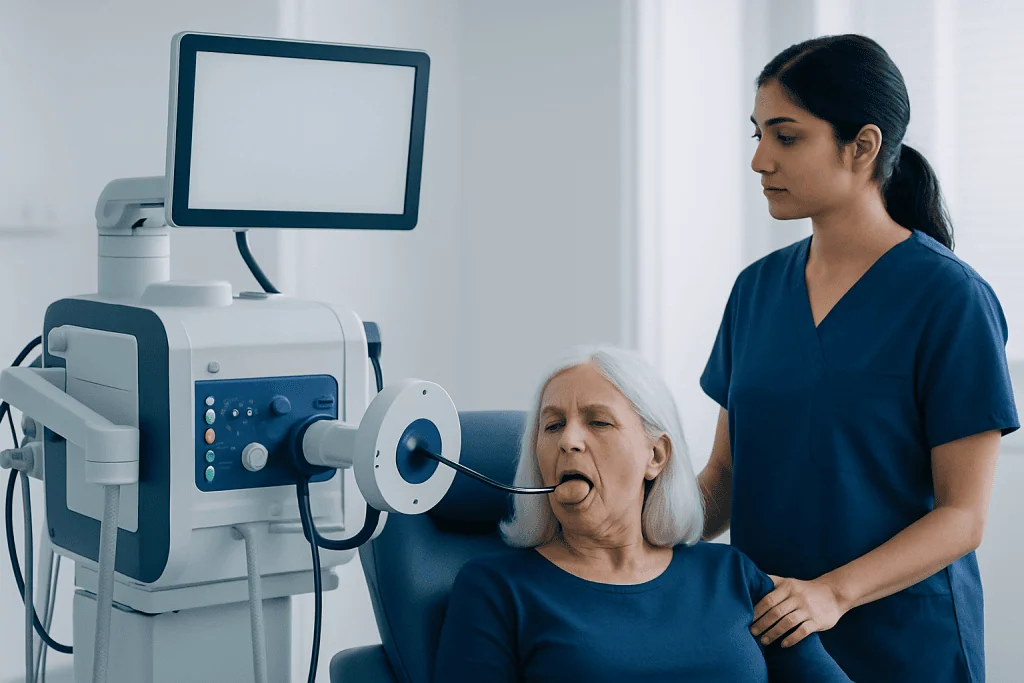
People experience a bitter taste in different ways. Some notice it mainly in the morning, some after meals, and others throughout the day. It may be constant or come and go. The taste can affect all foods and drinks, or it may seem strongest when the mouth is dry or after eating certain foods.
Other symptoms often provide clues to the cause. For example, a bitter taste together with heartburn may suggest acid reflux. A bitter taste with nasal congestion, postnasal drip, or reduced smell may point to a sinus or upper airway problem. Bleeding gums, mouth pain, bad breath, or a coated tongue can suggest an oral health issue.
Associated symptoms can include:
- Dry mouth or sticky saliva
- Bad breath
- Burning in the chest or throat
- Nausea or sour fluid in the mouth
- Nasal blockage or postnasal drip
- Changes in smell
- Reduced appetite
- Mouth sores or tongue irritation
Common causes and risk factors

Oral and dental problems are among the most common reasons for a bitter taste. Gum disease, tooth decay, plaque buildup, oral infections, and poor denture fit can alter the mouth’s environment and change taste. Dry mouth also matters because saliva helps dissolve food and clear away particles and bacteria. When saliva is reduced, tastes may seem stronger, unpleasant, or distorted.
Digestive causes are also frequent. Acid reflux and gastroesophageal reflux disease can allow stomach acid and digestive contents to move upward into the esophagus or throat, creating a bitter or sour taste. Some people notice this especially after lying down, after large meals, or after spicy and fatty foods. Ongoing reflux should not be ignored because it can irritate the lining of the esophagus.
Ear, nose, and throat conditions can affect taste indirectly by altering smell. Viral infections, sinusitis, allergies, and postnasal drip may all lead to a bitter taste. Many medicines can do the same, including some antibiotics, antidepressants, antihistamines, blood pressure medicines, and supplements containing minerals such as iron or zinc. Smoking, alcohol, dehydration, chemotherapy, pregnancy, and aging may also change taste perception.
Less commonly, bitter taste can be linked to metabolic, neurological, or systemic conditions. These may include vitamin deficiencies, liver disease, kidney problems, nerve injury, and certain endocrine disorders. In these situations, the bitter taste usually appears alongside other symptoms rather than as the only sign.
Why smell, saliva, and digestion matter so much
Many people assume a bitter taste starts on the tongue alone, but smell contributes heavily to flavor. If the nose is congested or the olfactory system is affected after a viral illness, the brain may misinterpret flavor signals. This is why a person with sinus inflammation or a recent respiratory infection may report that coffee, toothpaste, or even plain water tastes unpleasantly bitter.
Saliva has several roles: it dissolves flavor molecules, protects the mouth, and helps wash away bacteria and food debris. Dry mouth can happen because of dehydration, mouth breathing, some medicines, autoimmune conditions, or salivary gland problems. When saliva is reduced, the mouth becomes more vulnerable to irritation and bad taste sensations.
Digestion also plays a part. Reflux can irritate the throat and mouth, especially at night. Some people wake with a bitter taste, hoarseness, throat clearing, or cough. In selected cases, a doctor may evaluate for reflux-related problems and recommend lifestyle changes or tests. If symptoms are persistent, clinicians may also assess for related digestive conditions and, when needed, discuss options such as endoscopy.
How doctors diagnose the cause
Diagnosis begins with a careful history. A doctor will ask when the bitter taste started, whether it is constant or triggered by meals, and whether there are related symptoms such as heartburn, dry mouth, congestion, fever, dental pain, or changes in smell. A medication and supplement review is especially important because many commonly used products can alter taste.
A physical examination may include the mouth, teeth, tongue, throat, nose, and neck. Depending on the findings, the doctor may recommend a dental assessment, ENT evaluation, or digestive workup. If reflux is suspected, the pattern of symptoms may be enough to begin initial management, while persistent or unclear cases can require more detailed testing. People with chronic nasal symptoms may need assessment for sinus disease or infection.
Additional tests are guided by the suspected cause. These may include blood tests to look for nutritional deficiencies or organ-related problems, testing for infection, or imaging of the sinuses when indicated. If swallowing difficulty, ongoing heartburn, or upper digestive symptoms are present, specialists may also consider gastroenterology evaluation to look for an underlying explanation.
Treatment options and practical relief
Treatment depends on the cause. If dental disease or poor oral hygiene is contributing, professional cleaning, treatment of tooth or gum problems, and improved home care often help. If dry mouth is the main issue, increasing hydration, avoiding tobacco, limiting alcohol-based mouth rinses, and discussing saliva-reducing medicines with a doctor may improve symptoms. Sugar-free gum or lozenges may help stimulate saliva in some people.
When reflux is involved, treatment often begins with lifestyle measures such as avoiding late meals, reducing foods that trigger symptoms, eating smaller portions, and raising the head of the bed when appropriate. Doctors may also recommend medicine to reduce acid, depending on symptom severity and overall health. For people with persistent nausea, vomiting, weight loss, or ongoing upper abdominal symptoms, clinicians may also evaluate for other digestive conditions such as gastritis.
If the bitter taste started after a new medication or supplement, a doctor or pharmacist can review whether an alternative is possible. People should not stop prescribed treatment without medical advice. If an infection, sinus problem, or allergic inflammation is responsible, targeted treatment can gradually restore normal taste. After some viral illnesses, taste may recover slowly over time, so supportive care and follow-up may be appropriate.
In more complex cases, care may involve several specialties, such as dentistry, ENT, gastroenterology, or neurology. Near the end of this process, some patients benefit from coordinated assessment in a multidisciplinary center. Acibadem International’s multidisciplinary specialists in JCI-accredited hospitals diagnose and treat conditions related to taste change, reflux, sinus disease, and oral health for international patients when needed.
Self-care and prevention
Simple habits can reduce the chance of a bitter taste and may also support recovery. Brushing twice daily, cleaning between the teeth, cleaning the tongue gently, and having regular dental checkups can lower the risk of gum disease and bacterial buildup. Staying well hydrated is equally important, especially in hot weather, during illness, or when taking medicines that dry the mouth.
People who are prone to reflux may benefit from not lying down right after meals, limiting very large evening meals, and identifying personal trigger foods. Smoking cessation can improve both taste and oral health. If nasal allergies or sinus problems are recurrent, discussing a long-term management plan with a doctor may help prevent repeated taste disturbances.
Practical tips that may help include:
- Rinse the mouth with water after meals
- Choose regular dental care and address gum bleeding early
- Review new medicines or supplements if the symptom began soon after starting them
- Use good hydration and avoid excessive alcohol
- Seek medical advice if the symptom lasts more than a few weeks
When to seek medical care
A bitter taste should be medically assessed if it lasts for more than a few weeks, keeps returning, or is severe enough to affect eating and drinking. It is also sensible to seek care when there are warning signs such as trouble swallowing, unexplained weight loss, persistent vomiting, fever, mouth sores that do not heal, bleeding gums, or significant bad breath despite good oral care.
Prompt evaluation is important if the symptom appears with chest burning, chronic cough, hoarseness, recurrent choking, or symptoms that suggest a significant reflux problem. New neurological symptoms, such as facial weakness, numbness, confusion, or sudden changes in smell and taste, also deserve urgent medical attention.
If the cause is uncertain, a primary care doctor, dentist, ENT specialist, or gastroenterologist can help guide the next steps. Early assessment often makes treatment simpler and more effective, especially when the problem is linked to oral disease, reflux, infection, or medication side effects.
Frequently asked questions
Why does my mouth taste bitter all of a sudden?
A sudden bitter taste is commonly linked to dry mouth, reflux, sinus drainage, a new medicine, or an oral health problem. It can also happen during or after a viral infection. If it continues or comes with other symptoms, a doctor or dentist can help find the cause.
Can acid reflux cause a bitter taste?
Yes. Acid reflux can bring stomach contents up into the esophagus or throat, causing a bitter or sour taste, especially after meals or on waking. Some people also notice heartburn, cough, throat clearing, or hoarseness.
Does a bitter taste mean liver disease?
Not usually. Most cases are caused by much more common issues such as reflux, dry mouth, dental problems, or medicines. Liver disease can sometimes contribute to taste changes, but it usually causes other symptoms as well and requires medical evaluation.
Can medications make everything taste bitter?
Yes. A number of prescription medicines, over-the-counter products, and supplements can change taste perception. If the timing fits, a doctor or pharmacist can review whether the medicine may be responsible and whether an alternative is appropriate.
How long does a bitter taste last?
The duration depends on the cause. A temporary problem from dehydration, a minor infection, or a short-term medicine may improve quickly, while recovery after some viral illnesses can take longer. If the symptom lasts more than a few weeks, it is reasonable to seek medical advice.
What can a person do at home for a bitter taste?
Helpful steps may include staying hydrated, brushing and flossing regularly, gently cleaning the tongue, and avoiding smoking. If reflux seems likely, smaller meals and avoiding lying down after eating may help. Home measures can be useful, but persistent symptoms should still be checked by a clinician.
This article is for general information only and is not a substitute for professional medical advice. Please consult a qualified doctor about your individual situation.
Persistent digestive symptoms? Get evaluated in Turkey
JCI-accredited · board-certified surgeons · reply within 24h
Add us as a Preferred Source to see more of our trusted health content across Google Search, AI Overviews and Discover.
Check your numbers in seconds
BMI, calories, due date, blood pressure and 30+ more clinical calculators — free, instant, doctor-reviewed ranges.

More from the Health Library

How a Satin Pillowcase for Hair May Help

Inhaled Corticosteroids: What Patients Need to Know

Liquid Poop: A Complete Medical Overview

Bipap — Explained by Medical Evidence, Not Myths

Nyquil Ingredients: What Patients Need to Know