Blackout Challenge: A Complete Medical Overview
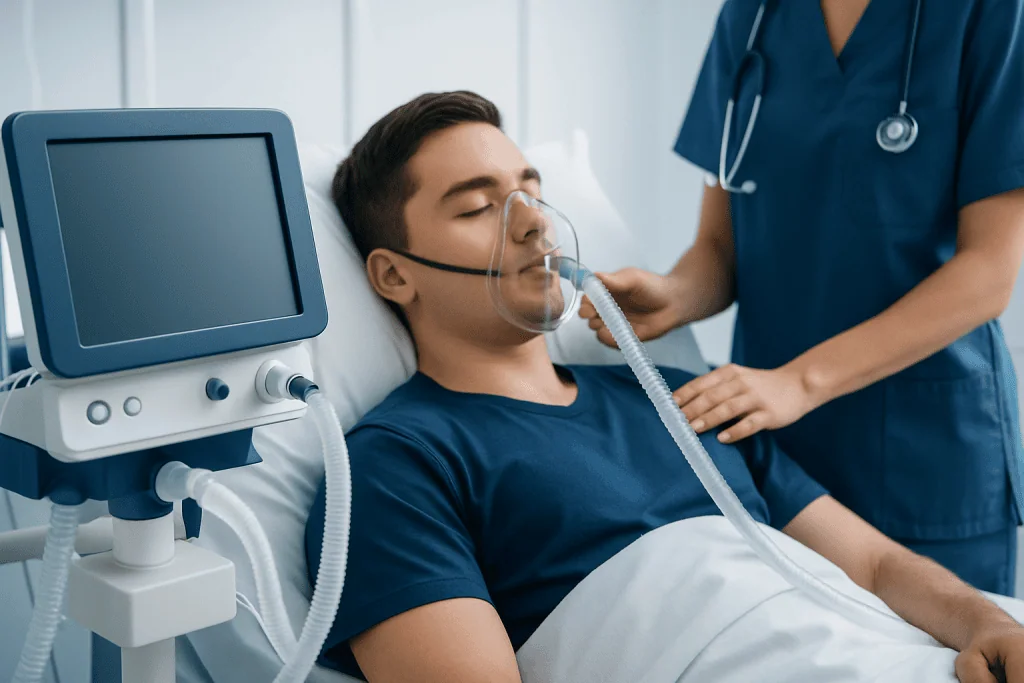
The blackout challenge is unsafe because the brain depends on a continuous supply of oxygen-rich blood. Loss of consciousness, confusion, seizures, breathing difficulty, or neck symptoms after an incident require urgent medical assessment.
Key Takeaways
- The blackout challenge is unsafe because the brain depends on a continuous supply of oxygen-rich blood.
- Loss of consciousness, confusion, seizures, breathing difficulty, or neck symptoms after an incident require urgent medical assessment.
- Risk cannot be predicted by age, fitness, prior participation, or how briefly the activity lasts.
- Open, non-judgmental conversations and active supervision can help children and teenagers avoid harmful online challenges.
- Anyone who has experienced strangulation or intentional oxygen restriction should be checked by a qualified healthcare professional.
The blackout challenge refers to dangerous activities intended to produce brief unconsciousness by limiting breathing or blood flow to the brain. Even when framed online as a game or trend, it can lead to sudden collapse, serious brain injury, heart problems, or death without warning.
Overview: What Is the Blackout Challenge?
The blackout challenge is a name used for activities in which a person intentionally restricts breathing or pressure is applied to the neck in an attempt to feel light-headed or lose consciousness. It may be shared online under different names, including the choking challenge or pass-out challenge. Although it is sometimes presented as harmless entertainment, it is a form of oxygen deprivation and can become life-threatening very quickly.
The brain requires a constant supply of oxygen and blood flow. When this supply is interrupted, a person may faint, lose control of their body, have a seizure-like episode, or stop breathing effectively. A person cannot reliably judge when a dangerous threshold has been reached, and unconsciousness does not mean the body is safe or recovering normally.
These events are different from ordinary fainting caused by standing too quickly, dehydration, or a temporary drop in blood pressure. The blackout challenge intentionally interferes with breathing or circulation, creating risks that may include injury from falling, damage to the neck structures, abnormal heart rhythms, brain injury, and death. There is no safe way to take part in it.
Why Oxygen Restriction Can Cause Serious Harm
Oxygen deprivation, also called hypoxia, affects the brain within a short time because brain cells have high energy needs. Reduced oxygen can cause dizziness, visual changes, confusion, poor coordination, and loss of consciousness. If oxygen delivery is not restored promptly, brain cells may be injured, and prolonged deprivation can cause permanent disability or death.
Pressure around the neck may affect more than the airway. It can interfere with blood vessels that carry blood to and from the brain, irritate nerves that influence heart rate and blood pressure, and injure the voice box or deeper neck tissues. A person may develop dangerous symptoms even if there are no visible marks on the skin.
Complications can occur suddenly and are not limited to the moment of the activity. Breathing problems or swelling in the throat can develop later. A fall during loss of consciousness can cause a head injury, broken bone, or injury to the face and teeth. In some cases, an abnormal heart rhythm or cardiac arrest may occur without a clear period of warning.
Being athletic, young, or previously unharmed does not protect someone from these risks. The outcome can be unpredictable because individual anatomy, underlying health conditions, body position, duration of oxygen restriction, and the response of the heart and nervous system all vary.
Warning Signs During or After an Incident
Loss of consciousness is always a medical concern after intentional restriction of breathing or neck pressure. Other warning signs can include confusion, unusual sleepiness, severe headache, vomiting, weakness, trouble walking, blurred vision, memory problems, or behavior that seems different from usual. Seizure-like movements can occur when the brain is deprived of oxygen and should not be dismissed as part of the activity.
Neck and airway symptoms are especially important. These may include neck pain, swelling, bruising, a hoarse or changed voice, painful swallowing, difficulty swallowing, coughing, noisy breathing, shortness of breath, or a feeling that the throat is tight. Symptoms may be mild at first but worsen as swelling develops.
Someone who has collapsed may also have sustained an injury from falling. Headache that worsens, repeated vomiting, confusion, unequal pupils, weakness on one side of the body, or increasing drowsiness may indicate a serious head or neurological injury. Emergency services should be contacted immediately if these symptoms occur.
Friends should not leave an affected person alone or encourage them to “sleep it off.” They should seek emergency help, place an unconscious person who is breathing on their side if it is safe to do so, and follow emergency dispatcher instructions. If the person is not breathing normally or has no signs of circulation, emergency services should be called and trained bystanders should begin CPR if able.
Why Children and Teenagers May Be Drawn to Online Challenges
Children and teenagers may encounter harmful challenges through short videos, social media posts, private messages, or conversations with peers. Curiosity, peer pressure, a desire for attention, and the impression that many others have participated can all make an activity seem less dangerous than it is. Online content may also omit injuries and deaths, creating a misleading picture of risk.
Participation does not necessarily mean a young person intends to harm themselves. However, any episode of deliberate oxygen restriction should be taken seriously. It may reflect exposure to unsafe content, pressure from peers, impulsive behavior, or emotional distress. A calm, supportive response makes it more likely that a child or teenager will share what happened and accept help.
Parents and caregivers can ask direct, age-appropriate questions, such as whether the child has seen videos about holding breath, choking, passing out, or other dangerous dares. Listening without immediate shame or punishment is important. The message should remain clear: no online trend, dare, or challenge is worth risking brain injury or death.
Schools, youth organizations, and healthcare professionals can support prevention by discussing digital safety, peer pressure, and how to leave unsafe situations. It is generally more helpful to explain the real medical risk than to repeat dramatic descriptions or details that could increase curiosity.
Medical Assessment and Treatment
A healthcare professional may assess breathing, oxygen levels, heart rate, blood pressure, alertness, and signs of injury. The examination may include evaluation of the throat, voice, neck, and nervous system. Clinicians will ask what happened, when it occurred, whether there was loss of consciousness, and whether symptoms have changed over time.
Depending on symptoms and examination findings, tests may be needed to look for complications. These can include monitoring of heart rhythm, blood tests, imaging of the head or neck, or observation in a medical setting. The exact approach depends on the circumstances and is designed to identify airway injury, brain injury, blood vessel concerns, or complications related to a fall.
Treatment focuses on supporting breathing and circulation, addressing injuries, and monitoring for delayed symptoms. People who have experienced an event may also benefit from a confidential conversation about emotional wellbeing, exposure to peer pressure, or online influences. This support is not about blame; it is part of preventing another dangerous event.
For international patients, Acibadem International’s multidisciplinary specialists and JCI-accredited hospitals can assess breathing, neurological, cardiac, and injury-related concerns after a dangerous oxygen-restriction incident. Urgent symptoms should always be managed through local emergency services first.
Prevention and Safer Conversations
The most effective prevention is clear information: the blackout challenge is not a safe experiment, a test of endurance, or a harmless way to feel different for a few seconds. Families should encourage children and teenagers to leave any situation involving neck pressure, breath restriction, forced hyperventilation, or dares to lose consciousness. They should also be encouraged to seek help for themselves or a friend.
Caregivers can review social media use in a respectful, ongoing way. Privacy settings, content filters, and age-appropriate supervision may reduce exposure, but they cannot eliminate it. Regular conversations about what young people are seeing online are usually more protective than relying on a single warning discussion.
It can help to practice simple responses to peer pressure, such as saying that the activity is unsafe, walking away, calling a trusted adult, or getting emergency help if someone collapses. Young people should understand that recording, sharing, or encouraging a dangerous activity can also delay the emergency response a person may need.
If a parent notices concerning behavior, unexplained marks on the neck, repeated discussions about passing out, unexplained headaches, or sudden changes in mood, a healthcare professional can provide guidance. Mental health support may be appropriate when there are signs of self-harm, depression, anxiety, bullying, or persistent emotional distress.
When to Seek Medical Care
Emergency medical care is needed immediately if a person has collapsed, lost consciousness, has trouble breathing, develops noisy breathing, has a seizure, is confused, cannot be awakened normally, has severe neck pain or swelling, or has signs of a serious head injury. Call local emergency services rather than driving an unwell or unconscious person to a clinic.
Urgent medical assessment is also appropriate after any intentional strangulation or oxygen-restriction event, even if the person appears well afterward. Delayed airway, neurological, or blood vessel complications are possible, and external bruising may be absent. A clinician can decide whether observation or further tests are needed.
A non-urgent appointment with a doctor, pediatrician, or mental health professional can be helpful when a child or teenager has been exposed to these challenges, feels pressured to participate, or has taken part without current symptoms. Early, supportive intervention can address safety, online influences, and any underlying emotional concerns.
Frequently asked questions
Is the blackout challenge safe if someone only does it for a few seconds?
No. There is no known safe duration for intentionally restricting breathing or applying pressure to the neck. Loss of consciousness, heart rhythm changes, falls, and airway injury can occur unexpectedly, even during a brief episode.
Can someone be seriously injured without visible neck marks?
Yes. Important injuries may occur inside the neck or involve the airway, blood vessels, heart, or brain without obvious bruising. Medical assessment is important after an oxygen-restriction or strangulation incident, particularly if there was fainting or any ongoing symptom.
What should a parent do if their child mentions the blackout challenge?
A parent should stay calm, listen carefully, and explain clearly that the activity can cause permanent injury or death. Asking whether the child has seen, shared, been pressured into, or tried the activity can help identify immediate risks. If participation occurred, a qualified healthcare professional should be contacted for advice.
What should someone do if a friend passes out during a challenge?
Call emergency services immediately and do not leave the person alone. Check whether they are breathing normally and follow dispatcher instructions; trained bystanders should start CPR if the person is not breathing normally or has no signs of circulation. Do not attempt to repeat the activity or assume the person will recover safely on their own.
Are fainting and a blackout challenge the same thing?
No. Fainting can happen for medical reasons such as dehydration, heat, pain, or changes in blood pressure, whereas the blackout challenge involves intentional oxygen restriction or neck compression. Any unexplained fainting should be discussed with a healthcare professional, and intentional oxygen restriction requires particular caution.
Could participation signal a mental health concern?
It may, but not always. Some young people participate because of curiosity or peer pressure, while others may be experiencing distress, bullying, anxiety, depression, or self-harm thoughts. A supportive conversation with a healthcare or mental health professional can help clarify the situation and provide appropriate care.
This article is for general information only and is not a substitute for professional medical advice. Please consult a qualified doctor about your individual situation.
Explore treatments in Turkey — costs, top hospitals & a free quote
JCI-accredited · board-certified surgeons · reply within 24h
Add us as a Preferred Source to see more of our trusted health content across Google Search, AI Overviews and Discover.
Check your numbers in seconds
BMI, calories, due date, blood pressure and 30+ more clinical calculators — free, instant, doctor-reviewed ranges.

More from the Health Library
Ailurophobia: What Patients Need to Know

Uri Over the Counter Medicine: A Complete Medical Overview

Futon: An Evidence-Based Guide for Patients
Purple Toes: What Patients Need to Know
Normal Prostate Size: What Patients Need to Know