Bleach in Eye Treatment: How It Works, Results and What to Expect
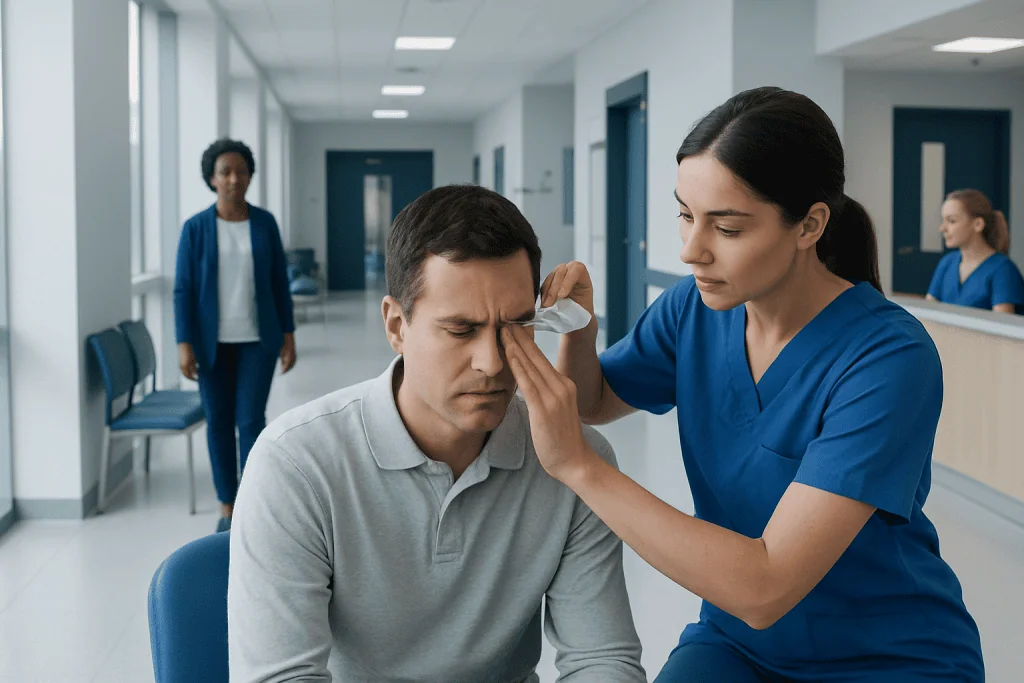
Begin rinsing immediately after bleach enters the eye; do not wait for symptoms to worsen. Use clean lukewarm running water or saline and continue flushing while arranging urgent medical assessment.
Key Takeaways
- Begin rinsing immediately after bleach enters the eye; do not wait for symptoms to worsen.
- Use clean lukewarm running water or saline and continue flushing while arranging urgent medical assessment.
- Do not rub the eye, use neutralizing chemicals, or place drops or ointments in the eye unless advised by a clinician.
- The emergency team checks the eye’s pH, removes any retained material, evaluates vision and treats the injury according to its severity.
- Many mild injuries heal well with prompt care, but chemical eye exposure always needs urgent professional evaluation.
Bleach in eye treatment begins immediately: rinse the eye continuously with clean lukewarm water or saline, remove contact lenses if they come out easily, and seek urgent medical care. Prompt irrigation is the most important action because bleach can cause a chemical burn to the eye surface and, in severe cases, threaten vision.
Bleach in eye treatment: what to do immediately
Bleach in eye treatment starts with immediate irrigation. The person should hold the eyelids open and rinse the affected eye continuously with clean, lukewarm running water or sterile saline. A shower, sink tap with a gentle flow, eyewash station, or clean container of water can be used. The goal is to dilute and remove the chemical as quickly as possible.
Rinsing should begin at once and continue for at least 15 to 20 minutes, or longer if symptoms persist or medical help has not yet taken over. The person should tilt the head so contaminated water runs away from the unaffected eye. If contact lenses are present, they should be removed during rinsing if they can be taken out easily; rinsing should never be delayed to remove them.
After starting irrigation, urgent medical assessment is needed, even if discomfort improves. Bleach is usually alkaline, and alkaline chemicals can penetrate eye tissues. People should bring the product container or take a photo of its label if this can be done safely, as the clinical team may need to identify the ingredients and concentration.
How bleach affects the eye

Household bleach commonly contains sodium hypochlorite. When it contacts the eye, it can irritate or burn the conjunctiva, the thin membrane over the white of the eye and inner eyelids, and the cornea, the clear front surface of the eye. The severity depends on the product concentration, amount of exposure, how long it remained in contact with the eye, and how quickly irrigation began.
Milder exposures may cause burning, tearing, redness, sensitivity to light, blurred vision, and a gritty sensation. More serious injuries can damage the corneal surface, cause swelling and inflammation, and affect deeper eye structures. Symptoms alone cannot reliably show how severe an injury is, which is why examination by an eye professional is important.
Chemical exposure is different from a routine eye irritation. It should be treated as an urgent injury rather than managed with home remedies. For broader information on eye conditions that can affect vision, readers may find eye diseases information helpful.
Can you recover from bleach in your eyes?

Yes, many people recover well from a bleach splash in the eye, particularly when flushing starts immediately and the injury is mild. The outer eye surface can often repair itself, and symptoms such as redness, watering, and discomfort may improve over several days. Early irrigation is strongly linked with a better outlook.
Recovery is less predictable after a concentrated product exposure, delayed rinsing, a large-volume splash, or injury involving the cornea or deeper tissues. In these cases, ongoing specialist care may be needed to support healing, control inflammation, prevent infection, manage eye pressure, and monitor vision.
Even if the eye feels better after rinsing, a clinician should assess it urgently. Pain can reduce after the chemical has been diluted, while corneal damage may still be present. Follow-up is especially important if blurred vision, light sensitivity, persistent pain, or redness continues.
Would I know immediately if I got bleach in my eye?
Most people notice bleach exposure quickly because it often causes immediate stinging or burning, tearing, redness, blinking, and difficulty keeping the eye open. Some people also notice blurred vision or sensitivity to light. However, the intensity of symptoms does not always match the severity of the injury.
A small splash may be mistaken for ordinary irritation, particularly if the person was cleaning in a poorly ventilated area and also had nose or throat irritation from fumes. If bleach may have entered the eye, it is safest to treat it as a true exposure: start rinsing right away and obtain urgent medical advice.
Symptoms can also evolve over the following hours. Increasing pain, worsening redness, persistent tearing, haze over the cornea, reduced vision, or a feeling that something remains in the eye requires prompt assessment. A healthcare professional can check for surface injury that cannot be seen without specialized equipment.
What does the ER do for bleach in the eye?
In the emergency department, the immediate priority is usually further irrigation. Staff may flush the eye with sterile saline or water until the surface pH returns to a safe range. They may use an eyelid retractor or a special irrigation device to keep the eye open comfortably while fluid flows across it.
After irrigation, clinicians check visual acuity, examine the eyelids and eye surface, and may turn the eyelids inside out to look for retained particles or chemical residue. Fluorescein dye may be placed in the eye to identify corneal epithelial damage, and eye pressure may be measured when appropriate. An ophthalmologist may be consulted, especially for moderate or severe injury.
Treatment depends on the findings. It can include lubricating drops, pain relief, antibiotic eye medication when the corneal surface is damaged, and other medicines selected by an eye specialist. More significant injuries may require close follow-up, procedures to protect the eye surface, or advanced care. Ophthalmology care can provide assessment and management for chemical eye injuries and their complications.
Procedure pathway: candidacy, treatment steps and expected results
There is no elective “procedure” for a bleach splash; treatment is an urgent clinical pathway tailored to the injury. Anyone with suspected bleach in the eye is a candidate for immediate irrigation and medical evaluation. People at increased risk of a more serious injury include those exposed to industrial-strength or concentrated products, people with delayed rinsing, contact lens wearers, and anyone with vision changes.
Step by step, clinicians first stabilize the eye surface through prolonged rinsing and repeated pH testing. They then document vision, inspect the cornea and conjunctiva, remove residual material if present, assess the depth of injury, and prescribe treatment and follow-up based on the results. Severe burns may require repeated examinations because the full extent of tissue damage can become clearer over time.
The expected result after mild exposure is relief of irritation and restoration of a healthy eye surface. The aim of treatment in all cases is to preserve vision, reduce inflammation, support corneal healing, and prevent complications such as infection, scarring, abnormal eye pressure, or persistent dry-eye symptoms. An eye specialist explains the individual outlook after examining the injury.
How long does a chemical burn in the eye take to heal?
Healing time depends on the chemical, amount of exposure, speed of rinsing, and the extent of corneal injury. A mild bleach-related irritation or superficial chemical burn may improve within a few days, although redness, dryness, or light sensitivity can last longer. A follow-up examination helps confirm that the cornea has healed properly.
Moderate or severe chemical burns can take weeks or longer to heal and may require repeated monitoring. In some cases, scarring, persistent discomfort, dry eye, changes in eye pressure, or reduced vision can remain after the initial injury. Early specialist treatment and attendance at follow-up appointments are important parts of recovery.
During recovery, people should use prescribed medication exactly as directed and avoid rubbing the eye. They should not wear contact lenses until an eye clinician confirms that it is safe, and they should avoid using over-the-counter redness-relieving drops unless specifically advised. Protective eyewear may be recommended when returning to cleaning tasks or work.
When to seek medical care
Bleach exposure to the eye needs urgent medical care after immediate rinsing. Emergency evaluation is particularly important for reduced or changing vision, severe or continuing pain, inability to open the eye, marked light sensitivity, a cloudy-looking cornea, persistent redness, or symptoms that do not improve after flushing.
People should seek emergency help immediately if the exposure involved a concentrated, industrial, or unknown cleaning product; if the chemical was mixed with another substance; or if a child has been exposed. They should not drive themselves if vision is affected. If available, local poison control services can also provide product-specific first-aid guidance while medical care is arranged.
To reduce future risk, bleach should be used only in well-ventilated spaces and according to the product instructions. Protective glasses or goggles are sensible when pouring, diluting, or using cleaning chemicals above shoulder level. Bleach should never be mixed with other cleaners, especially ammonia or acids, because dangerous gases can form. Acibadem International’s multidisciplinary specialists and JCI-accredited hospitals can assess and treat chemical eye injuries for international patients.
Frequently asked questions
Should I rinse my eye with water after bleach exposure?
Yes. Begin flushing immediately with clean lukewarm running water or saline, keeping the eyelids open as much as possible. Continue rinsing for at least 15 to 20 minutes while arranging urgent medical assessment, and do not delay irrigation to look for eye drops or other products.
Can I use eye drops to neutralize bleach in my eye?
No. Do not try to neutralize bleach with vinegar, other chemicals, or home remedies, as this can cause additional injury. Water or sterile saline is the appropriate first-aid rinse; any medication should be selected by a clinician after examination.
Should I remove contact lenses after bleach gets in my eye?
Contact lenses should be removed if they can be taken out easily during irrigation. However, the person should start rinsing immediately and should not delay flushing to remove a lens. Continued irrigation may help dislodge the lens if it does not come out right away.
Can bleach fumes hurt the eyes without a splash?
Bleach fumes can irritate the eyes, especially in poorly ventilated spaces, causing tearing, burning, and redness. Moving to fresh air and rinsing the eyes with clean water may help, but persistent symptoms, breathing difficulty, or any uncertainty about a splash should prompt medical advice.
Will bleach in the eye cause blindness?
Severe chemical eye burns can damage vision and may cause permanent impairment, but many bleach exposures are mild and heal well when rinsed promptly and assessed urgently. The risk depends on the concentration, exposure duration, and extent of injury, so professional examination is essential.
What should I bring to the emergency department after a bleach eye injury?
If it is safe to do so, bring the product container or a photograph of the label. This helps clinicians identify the active ingredients and concentration. The person should continue rinsing during transport when possible and should not rub the eye.
References
- American Academy of Ophthalmology
- American Academy of Ophthalmology EyeWiki
- National Capital Poison Center
- Merck Manual Professional Edition
- World Health Organization
This article is for general information only and is not a substitute for professional medical advice. Please consult a qualified doctor about your individual situation.
Explore treatments in Turkey — costs, top hospitals & a free quote
JCI-accredited · board-certified surgeons · reply within 24h
Add us as a Preferred Source to see more of our trusted health content across Google Search, AI Overviews and Discover.