Bloating Stomach Swelling: An Evidence-Based Guide for Patients

Bloating can mean a sensation of pressure, a visibly swollen abdomen, or both. Common causes include gas buildup, constipation, overeating, food intolerances, hormonal changes, and digestive disorders.
Key Takeaways
- Bloating can mean a sensation of pressure, a visibly swollen abdomen, or both.
- Common causes include gas buildup, constipation, overeating, food intolerances, hormonal changes, and digestive disorders.
- Warning signs such as severe pain, vomiting, weight loss, fever, or blood in the stool need prompt medical attention.
- Diagnosis focuses on symptom patterns, diet, bowel habits, examination, and sometimes blood tests or imaging.
- Treatment depends on the cause and may include dietary changes, treating constipation, managing reflux or IBS, and addressing underlying disease.
Bloating stomach swelling usually refers to a feeling of fullness, tightness, or visible enlargement of the abdomen. It is often linked to gas, constipation, food intolerance, or digestive conditions, but ongoing, severe, or unexplained symptoms should be evaluated by a doctor.
Overview: what bloating stomach swelling usually means
Bloating stomach swelling is a common symptom rather than a disease itself. People often use the phrase to describe a tight, full, or pressure-like feeling in the belly, a visibly enlarged abdomen, or both. In many cases, the cause is temporary and related to gas, slow bowel movement, eating habits, or sensitivity to certain foods.
It can help to distinguish between bloating and distension. Bloating is the uncomfortable sensation of fullness or pressure, while distension means the abdomen actually looks larger than usual. Some people have one without the other, but they often happen together.
Most episodes improve with simple measures such as eating more slowly, avoiding trigger foods, managing constipation, or reducing carbonated drinks. However, repeated or progressive swelling can also be a sign of an underlying digestive, gynecologic, metabolic, or less commonly serious medical problem, so symptom pattern matters.
Symptoms and how they may feel
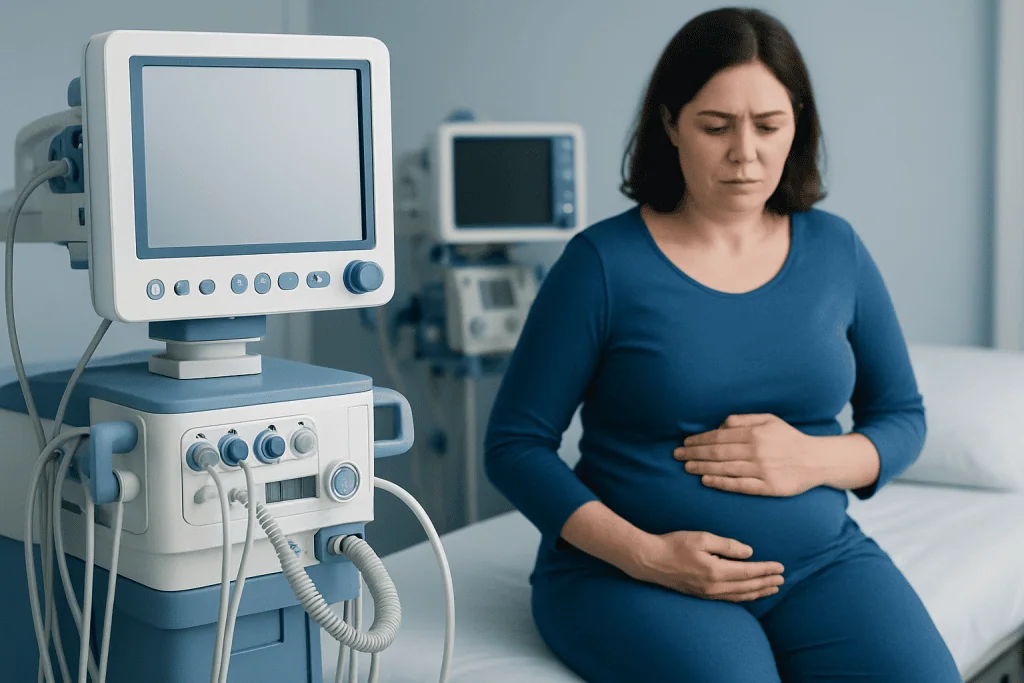
Bloating stomach swelling can feel different from person to person. Some notice pressure after meals, while others develop a firm or rounded abdomen later in the day. Symptoms may come and go, or they may be present most days for weeks or months.
Common symptoms that can accompany bloating include belching, excess gas, rumbling in the abdomen, constipation, a sense of incomplete bowel emptying, mild cramping, nausea, and early fullness while eating. In some people, symptoms are worse around menstruation or during times of stress.
Doctors often ask patients to describe the timing. For example, symptoms that start after dairy products may suggest lactose intolerance, while bloating with irregular bowel habits may fit irritable bowel syndrome. Bloating combined with heartburn, regurgitation, or upper abdominal burning may overlap with gastroesophageal reflux disease.
- Feeling unusually full after small meals
- Tightness or pressure in the abdomen
- Visible belly swelling, especially later in the day
- Gas, burping, or flatulence
- Constipation or changes in bowel habit
- Mild abdominal discomfort or cramping
Common causes and risk factors

The most common cause of bloating stomach swelling is excess gas in the digestive tract. Gas can build up from swallowing air while eating quickly, talking while chewing, drinking through straws, or consuming carbonated beverages. It can also form when gut bacteria ferment certain carbohydrates that are not fully absorbed.
Constipation is another frequent reason. When stool remains in the colon for too long, the abdomen can feel full, heavy, and swollen. Diets low in fiber, low fluid intake, inactivity, some medications, and travel can all contribute. Overeating, especially large meals high in fat or salt, can also temporarily slow stomach emptying and increase fullness.
Food intolerances and sensitivities are important triggers for some people. Lactose, fructose, sugar alcohols, and fermentable carbohydrates can cause bloating in susceptible individuals. Digestive disorders such as celiac disease, functional dyspepsia, inflammatory bowel disease, and IBS may also lead to repeated symptoms. In some cases, a doctor may consider tests to look for causes such as malabsorption, small intestinal bacterial overgrowth, or structural problems.
Hormonal shifts, especially around menstruation, can affect fluid balance and bowel motility. Less commonly, bloating stomach swelling may be related to liver disease with fluid accumulation, ovarian conditions, bowel obstruction, or cancers. Risk increases when symptoms are new, progressive, associated with weight loss or anemia, or begin later in life without an obvious explanation.
How doctors diagnose the cause
Diagnosis starts with a careful history. A doctor will usually ask when bloating began, whether the abdomen looks larger or simply feels full, what foods seem to trigger symptoms, and whether bowel habits have changed. They may also ask about menstrual history, medications, surgery, weight change, reflux, and family history of digestive disease.
A physical examination can provide useful clues. The doctor may check for tenderness, signs of constipation, hernias, fluid in the abdomen, or masses. Sometimes the pattern suggests a functional digestive disorder, while in other cases testing is needed to rule out inflammation, infection, or an organ-related cause.
Depending on symptoms, tests may include blood work, stool tests, breath testing for carbohydrate intolerance or bacterial overgrowth, ultrasound, or other imaging. If there are warning signs such as persistent pain, bleeding, or unexplained weight loss, a specialist may recommend procedures used in endoscopy or colonoscopy to examine the digestive tract more closely.
Treatment options and symptom relief
Treatment for bloating stomach swelling depends on the cause. If symptoms relate to eating habits, simple changes may help: smaller meals, slower eating, limiting carbonated drinks, and reducing excess salt. If constipation is a factor, improving hydration, increasing activity, and adjusting fiber intake can make a meaningful difference, though sudden large increases in fiber can temporarily worsen gas in some people.
When a specific food intolerance is suspected, a doctor or dietitian may suggest a structured elimination plan rather than broad self-restriction. This is often safer and more effective than removing many foods at once. Some patients benefit from identifying patterns with a food and symptom diary.
Medical treatment may focus on the underlying condition. For example, constipation, acid reflux, celiac disease, or IBS each require different management. If symptoms involve severe reflux, swallowing trouble, or upper abdominal complaints, doctors may assess whether gastroenterology evaluation is needed. When fluid retention or organ disease is suspected, treatment is directed at the underlying medical problem rather than the bloating alone.
It is best not to self-treat ongoing swelling with repeated over-the-counter remedies without understanding the cause. Relief products may help some people temporarily, but persistent, recurrent, or worsening symptoms deserve professional assessment.
Prevention and self-care strategies
Prevention is often about noticing personal triggers and supporting healthy digestion. Regular meals, moderate portion sizes, and chewing food well can reduce swallowed air and post-meal fullness. Many people also do better when they limit fizzy drinks and very large, high-fat meals.
Staying physically active helps bowel motility and can reduce constipation-related bloating. Adequate fluid intake is also important, especially if dietary fiber is increased. For some people, keeping a simple symptom journal can reveal links between bloating and foods, stress, menstrual cycles, sleep patterns, or skipped meals.
Stress does not cause every case of bloating, but the brain-gut connection is real. Anxiety and stress can change intestinal sensitivity and movement, making normal amounts of gas feel much more uncomfortable. Techniques such as regular exercise, relaxation practices, and consistent sleep may support symptom control alongside medical care.
Near the end of the diagnostic process, some patients benefit from multidisciplinary input, especially if symptoms are persistent or complex. Acibadem International’s multidisciplinary specialists in JCI-accredited hospitals diagnose and treat digestive complaints for international patients when further evaluation is needed.
When to seek medical care
Most episodes of bloating stomach swelling are not emergencies, but some symptoms should not be ignored. Medical review is advisable if bloating is frequent, worsening, lasts for several weeks, or interferes with eating, sleep, work, or daily comfort.
Prompt medical attention is important if bloating occurs with severe or constant abdominal pain, repeated vomiting, fever, jaundice, fainting, chest pain, blood in the stool, black stools, or an inability to pass stool or gas. These can point to a more urgent problem that needs rapid assessment.
A doctor should also evaluate new-onset swelling with unexplained weight loss, loss of appetite, anemia, increasing abdominal size, or symptoms that begin later in life without a clear trigger. In women, persistent bloating with pelvic pressure or changes in urination should also be discussed with a clinician, as the cause may not be purely gastrointestinal.
Frequently asked questions
Is bloating stomach swelling usually caused by gas?
Often, yes. Gas is one of the most common reasons for a full or swollen feeling in the abdomen, especially after eating quickly, drinking carbonated beverages, or eating certain fermentable foods. However, constipation, food intolerance, hormonal changes, and digestive disorders can also cause similar symptoms.
What is the difference between bloating and abdominal swelling?
Bloating describes the sensation of fullness, pressure, or tightness. Abdominal swelling or distension means the belly actually becomes visibly larger. Some people experience both together, while others mainly notice discomfort without a visible change.
When should a person worry about bloating?
Bloating deserves medical attention if it is persistent, worsening, or associated with red flags such as severe pain, vomiting, fever, bleeding, weight loss, or a rapidly enlarging abdomen. It should also be assessed if it is new, unexplained, or begins to affect appetite and daily activities. A clinician can help determine whether the cause is functional, dietary, or something more serious.
Can constipation cause bloating stomach swelling?
Yes, constipation is a very common cause. When stool builds up in the bowel, the abdomen may feel heavy, pressured, and distended. Treating the constipation often improves the bloating as well.
Which foods commonly trigger bloating?
Common triggers include beans, onions, some fruits, dairy in people with lactose intolerance, wheat in some individuals, sugar alcohols, and fizzy drinks. The exact trigger varies from person to person. A symptom diary and guidance from a doctor or dietitian can help identify patterns without unnecessarily restricting the diet.
Can stress make bloating worse?
Yes. Stress can affect the way the digestive tract moves and how strongly a person feels normal intestinal sensations, which may make bloating seem more intense. Stress is not the only cause, but managing it can be an important part of overall symptom relief.
References
- National Institute of Diabetes and Digestive and Kidney Diseases
- American College of Gastroenterology
- National Health Service
- Mayo Clinic
- World Gastroenterology Organisation
This article is for general information only and is not a substitute for professional medical advice. Please consult a qualified doctor about your individual situation.
Persistent digestive symptoms? Get evaluated in Turkey
JCI-accredited · board-certified surgeons · reply within 24h
Add us as a Preferred Source to see more of our trusted health content across Google Search, AI Overviews and Discover.

More from the Health Library



Related Specialists

Prof. Dr. Sinan Yavuz
Internal Medicine
Gülçin Selen Akgün
Physical Medicine & Rehabilitation
Dr. Mehmet Soner Sarmaşık
Pediatrics
Dr. Nazan Kanal
Cardiology