Blood and Blood Groups — Explained by Medical Evidence, Not Myths

Blood is made of red cells, white cells, platelets, and plasma, each with important roles. The main blood group systems used in routine care are ABO and Rh.
Key Takeaways
- Blood is made of red cells, white cells, platelets, and plasma, each with important roles.
- The main blood group systems used in routine care are ABO and Rh.
- A person’s blood type affects transfusion compatibility and can matter during pregnancy.
- Blood typing is done with laboratory testing, not by symptoms or physical traits.
- Common myths about blood groups are not supported by medical evidence.
- Medical advice is important if there is concern about anemia, bleeding, clotting, or transfusion reactions.
Blood and blood groups describe both the functions of blood and the system used to classify blood types, mainly ABO and Rh. These groups matter because they help guide safe blood transfusions, pregnancy care, organ transplantation, and blood donation.
Overview: what blood and blood groups mean
Blood and blood groups are often discussed together, but they refer to two related ideas. Blood is the fluid tissue that carries oxygen, nutrients, hormones, immune cells, and clotting factors through the body. Blood groups are the inherited markers on red blood cells that help doctors determine which blood is compatible for transfusion and whether extra precautions are needed in situations such as pregnancy or surgery.
The most important blood group systems in everyday medical care are ABO and Rh. In the ABO system, blood is grouped as A, B, AB, or O based on which markers are present on red blood cells. In the Rh system, blood is labeled Rh-positive or Rh-negative depending on whether the D antigen is present. A person’s full blood type is written as combinations such as A positive, O negative, or AB positive.
Knowing a blood type is useful, but it does not determine health, personality, diet needs, or athletic ability. Much of the public discussion around blood groups includes myths that are not supported by scientific evidence. From a medical point of view, blood groups matter because they support safe transfusion, pregnancy planning, blood donation, and some aspects of transplant care.
What blood is made of and why it matters
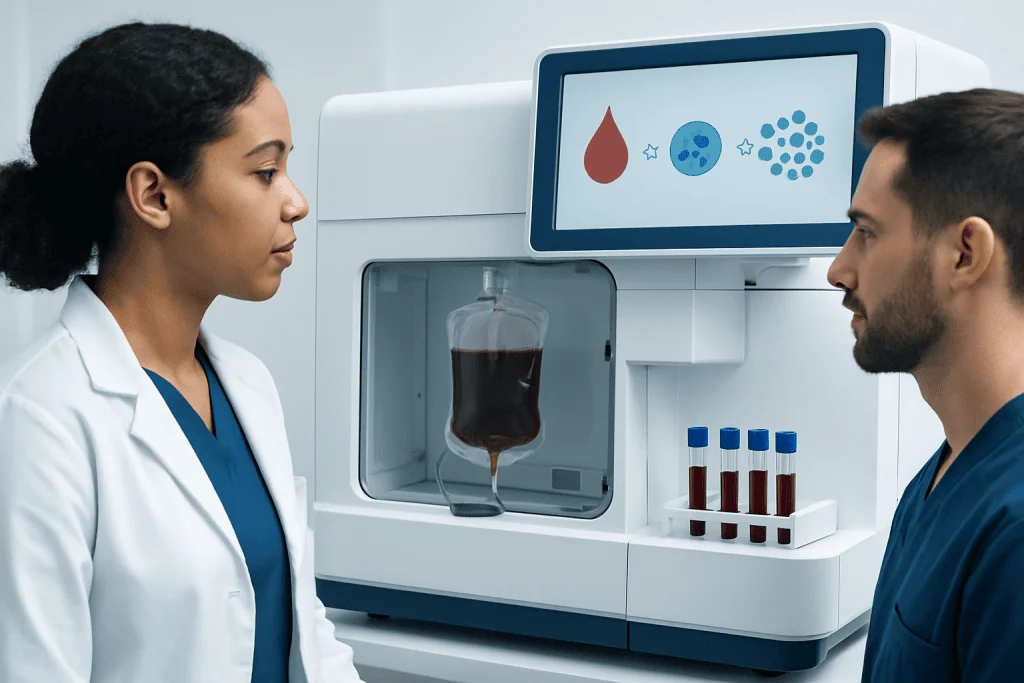
Blood has several components, and each one has a specific function. Red blood cells carry oxygen from the lungs to tissues and return carbon dioxide to the lungs. White blood cells are part of the immune system and help defend the body against infection and inflammation. Platelets help the blood clot, and plasma is the liquid portion that carries proteins, salts, nutrients, waste products, and hormones.
When doctors evaluate blood health, they are not only looking at blood type. They may also assess the number and quality of blood cells and the proteins in plasma. Problems in any of these areas can affect health. For example, too few red blood cells may suggest anemia, while abnormalities in white blood cells or clotting may point to other blood conditions that need further testing.
Blood can also provide important clues about overall health. Laboratory tests can help identify infection, inflammation, dehydration, nutritional deficiencies, bleeding disorders, and some chronic diseases. This is why blood testing is one of the most common tools used in medicine, even when the main concern is not a blood disease itself.
ABO and Rh blood groups explained simply

The ABO blood group system is based on antigens, which are markers found on the surface of red blood cells. Type A blood has A antigens, type B has B antigens, type AB has both, and type O has neither. The immune system naturally reacts to ABO markers that the body does not recognize, which is why matching blood type before transfusion is essential.
The Rh system is separate from ABO. A person is Rh-positive if the D antigen is present and Rh-negative if it is absent. This becomes especially important in pregnancy. If an Rh-negative pregnant person is carrying an Rh-positive fetus, the healthcare team may monitor and manage the situation to reduce the risk of immune reactions that could affect a current or future pregnancy.
Although ABO and Rh are the best known systems, they are not the only ones. Other blood group systems exist and can become important in people who need repeated transfusions or who have had past transfusion reactions. In these cases, more detailed matching may be needed through specialized blood bank testing.
- ABO groups: A, B, AB, and O
- Rh groups: positive or negative
- Full blood type combines both systems, such as O positive or AB negative
- Compatibility is confirmed by laboratory testing, not by assumptions
Why blood groups matter in transfusion, pregnancy, and donation
The clearest reason blood groups matter is transfusion safety. If a person receives blood that is not compatible, the immune system may attack the transfused red blood cells. This can cause a serious transfusion reaction. For that reason, hospitals perform careful blood typing and crossmatching before planned transfusions, and emergency protocols are used when blood must be given urgently.
Blood groups also matter in pregnancy, especially with Rh incompatibility. Routine prenatal care usually includes blood typing early in pregnancy so that the care team can identify whether preventive treatment or monitoring is needed. This approach has greatly reduced complications linked to Rh incompatibility in many healthcare settings.
Blood donation services also rely on accurate blood grouping to match donors and recipients safely. Some blood types are more flexible for donation in certain situations, but compatibility decisions still depend on the clinical context and blood bank testing. In patients who need advanced care for blood-related conditions, doctors may also consider therapies such as bone marrow transplantation in selected cases, depending on the diagnosis.
In a broader sense, blood groups can also matter during organ transplantation and some specialized hematology treatments. However, they are only one part of a larger medical assessment that includes tissue matching, antibodies, and the person’s overall health condition.
Myths and misconceptions about blood groups
Many people have heard claims that blood groups predict personality, intelligence, stress tolerance, or the best diet. These ideas are popular in some settings, but they are not supported by strong medical evidence. Blood type is a biological classification based on red cell markers, not a guide to character or lifestyle choices.
Another common myth is that a person can guess their blood type from symptoms, body shape, or family stories. In reality, blood type can only be confirmed through laboratory testing. Family patterns may offer clues, but inheritance is complex enough that assumptions can be wrong.
It is also a misunderstanding that blood group alone explains tiredness, bruising, or frequent illness. These symptoms can have many causes, including nutritional deficiency, infection, hormonal problems, or blood disorders. When symptoms are persistent, doctors may investigate further with exams and tests, including a hematology assessment when appropriate.
A final myth is that all blood matching is simple. In routine care, ABO and Rh are the first steps, but some people have additional antibodies or rare blood group features that require more detailed evaluation. This is why transfusion medicine follows strict safety procedures rather than relying on broad rules alone.
How blood typing and related tests are done
Blood typing is done using a blood sample taken from a vein or, in some settings, from a finger prick. In the laboratory, the sample is tested to see how red blood cells react with known antibodies. This identifies the ABO group and Rh status. If a transfusion is planned, the lab usually performs additional compatibility testing called crossmatching.
Doctors may order blood typing for many reasons, including pregnancy, surgery, emergency care, blood donation, or before a transfusion. In some situations, testing may also include antibody screening. This looks for immune proteins that could react against donor blood and is especially important in people who have been pregnant before or have had previous transfusions.
Other blood tests are often used alongside blood typing to understand blood health more fully. A complete blood count can show whether there are signs of low red blood cells, infection, or platelet problems. If needed, further testing may help evaluate conditions such as leukemia or inherited and acquired blood disorders.
Results are usually straightforward, but interpretation should still be left to qualified professionals. If there is any uncertainty, a repeat sample or specialist review may be needed to ensure safe clinical decisions.
Keeping blood healthy: prevention and self-care
Blood type cannot be changed, and most people do not need to do anything special because of their blood group alone. What matters more for day-to-day health is supporting the body’s ability to make and maintain healthy blood cells. A balanced diet, enough fluids, regular physical activity, good sleep, and management of chronic conditions all contribute to overall blood health.
Nutrients such as iron, vitamin B12, folate, and protein play important roles in blood cell production. However, supplements should not be taken automatically just because a person feels tired. Fatigue has many causes, and taking unnecessary iron can be harmful. The safer approach is to seek medical advice and use test results to guide treatment.
People can also protect blood health by avoiding smoking, limiting alcohol if advised, following infection-prevention measures, and attending routine checkups. Those who are eligible may choose to donate blood, which can support others in need. Before donating, it is important to follow the blood center’s safety guidance and screening process.
For people living with a diagnosed blood condition, prevention and self-care may include regular follow-up, medication monitoring, vaccinations, or specialist treatment plans. Care is individualized, especially if there is a disorder involving clotting, bleeding, bone marrow, or immune blood cells.
When to seek medical care
Medical advice is recommended if there are symptoms that could suggest a blood-related problem, such as ongoing fatigue, unusual paleness, easy bruising, frequent nosebleeds, prolonged bleeding, repeated infections, swollen lymph nodes, or unexplained weight loss. These symptoms do not always mean a serious illness, but they do deserve proper evaluation if they persist or worsen.
Urgent care is important after a possible transfusion reaction. Warning signs can include fever, chills, rash, shortness of breath, chest or back pain, dark urine, or feeling suddenly unwell during or soon after a transfusion. Any severe bleeding, fainting, or symptoms of poor oxygen delivery also need prompt medical attention.
Pregnant patients should attend routine prenatal visits, including blood typing, because early identification of Rh-related issues helps guide safe care. If there is a known family history of blood disorders, a clinician may advise additional evaluation before pregnancy, surgery, or other medical treatment.
When specialist support is needed, multidisciplinary teams can help with diagnosis and treatment planning. Acibadem International’s JCI-accredited hospitals care for international patients with blood-related conditions, including evaluation through bone marrow biopsy and other hematology services when clinically appropriate.
Frequently asked questions
What are blood and blood groups in simple terms?
Blood is the fluid that carries oxygen, nutrients, immune cells, and clotting factors throughout the body. Blood groups are inherited categories based on markers on red blood cells, mainly the ABO and Rh systems.
How can someone find out their blood type?
A blood type is confirmed with a laboratory test on a blood sample. It cannot be diagnosed by symptoms, appearance, or guessing from family stories alone.
Why is blood type important during pregnancy?
Blood type matters in pregnancy mainly because of the Rh factor. If an Rh-negative pregnant person carries an Rh-positive fetus, the care team may need to monitor and prevent immune reactions that could affect the pregnancy.
Can blood type affect personality or the best diet?
There is no strong medical evidence that blood type determines personality traits or the ideal diet. Health decisions are better based on a person’s medical history, lifestyle, and test results.
Is O negative always the best blood type?
O negative blood is often important in emergencies because it can be used in some urgent situations when there is no time for full matching. However, no blood type is inherently better for health, and compatibility depends on the medical context.
Do blood groups tell doctors if someone has anemia or leukemia?
No, blood groups do not diagnose those conditions. Doctors use other blood tests, physical examination, and sometimes additional procedures to evaluate disorders such as anemia or leukemia.
References
- World Health Organization
- American Red Cross
- National Heart, Lung, and Blood Institute
- Centers for Disease Control and Prevention
- AABB
This article is for general information only and is not a substitute for professional medical advice. Please consult a qualified doctor about your individual situation.
Explore treatments in Turkey — costs, top hospitals & a free quote
JCI-accredited · board-certified surgeons · reply within 24h
Add us as a Preferred Source to see more of our trusted health content across Google Search, AI Overviews and Discover.

More from the Health Library

Golfer’s Elbow: A Complete Medical Overview

Oubic: An Evidence-Based Guide for Patients

Sydenham’s Chorea — Explained by Medical Evidence, Not Myths

Lpn.p — Explained by Medical Evidence, Not Myths

Nkda Medical Abbreviation — Explained by Medical Evidence, Not Myths