Blood Clot Feces: An Evidence-Based Guide for Patients

Blood clot feces is not a normal finding and deserves medical attention, especially if it happens more than once. Bright red clots often come from the lower digestive tract, while darker or black stool can suggest bleeding higher up.
Key Takeaways
- Blood clot feces is not a normal finding and deserves medical attention, especially if it happens more than once.
- Bright red clots often come from the lower digestive tract, while darker or black stool can suggest bleeding higher up.
- Common causes include hemorrhoids, anal fissures, diverticular bleeding, inflammatory bowel disease, infections, and colon polyps.
- Emergency care is needed for heavy bleeding, fainting, severe abdominal pain, black tarry stool, or symptoms of shock.
- Diagnosis may involve a physical exam, stool testing, blood tests, and procedures such as colonoscopy.
- Treatment depends on the cause and may range from home care for minor anal conditions to urgent treatment for significant gastrointestinal bleeding.
Blood clot feces usually refers to visible blood clots passed with stool, which can happen when bleeding occurs somewhere in the digestive tract. While some causes are minor, such as hemorrhoids, blood clots in stool should be taken seriously because they can also signal inflammation, infection, or bleeding higher in the bowel.
What Blood Clot Feces Usually Means
Blood clot feces usually means that blood has entered the bowel and collected enough to form small or larger clots before being passed with stool. In practical terms, a person may notice bright red jelly-like material, dark red clumps, or blood mixed with bowel movements, on toilet paper, or in the toilet bowl.
The color and appearance can offer clues, although they do not confirm the exact cause. Bright red blood often points to bleeding near the rectum or lower colon, while maroon stool may come from the colon or small intestine. Black, tarry stool more often suggests bleeding from the stomach or upper digestive tract, where blood has been altered during digestion.
Some causes are relatively common and less serious, such as hemorrhoids or a small anal tear. However, blood clots in stool can also be linked to conditions that need prompt treatment, including infections, inflammatory bowel disease, diverticular bleeding, polyps, or cancer. Because the source cannot be identified by appearance alone, repeated or unexplained bleeding should be assessed by a qualified doctor.
How It May Look and What Symptoms Can Occur With It
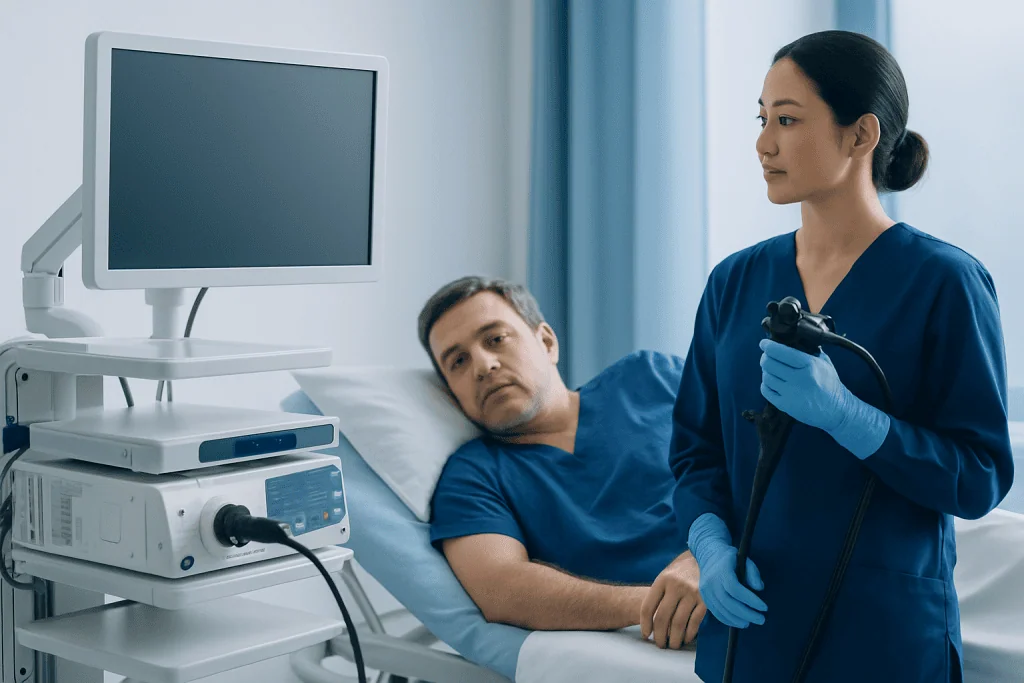
People describe blood clot feces in different ways. The stool may contain streaks of blood, red or maroon clots, or a mixture of stool and blood. Sometimes the blood is seen only after wiping, while in other cases there may be enough bleeding to visibly color the water in the toilet.
Associated symptoms can help guide urgency. Minor lower rectal bleeding may happen with pain during bowel movements, itching, constipation, or a feeling of straining. In contrast, more significant digestive bleeding may occur with abdominal cramps, diarrhea, fatigue, dizziness, weakness, fever, nausea, or unintentional weight loss.
It is also helpful to notice the pattern. A single episode after hard stool may suggest a local anal cause, while recurrent bleeding, changes in bowel habits, nighttime symptoms, or stool that becomes black and tarry raise concern for a deeper digestive problem. Keeping a brief note of stool color, frequency, pain, and any recent medications can be useful for the medical visit.
- Bright red blood: often rectum, anus, or lower colon
- Dark red or maroon blood: often colon or small intestine
- Black tarry stool: can suggest upper gastrointestinal bleeding
- Blood with mucus and diarrhea: may occur with infection or inflammatory bowel disease
Common Causes and Risk Factors

The most frequent causes of blood clot feces are conditions affecting the lower digestive tract. Hemorrhoids are swollen veins in or around the rectum that may bleed during bowel movements, especially with constipation or straining. Anal fissures, which are small tears in the lining of the anus, can also cause bright red bleeding and pain. These causes often produce small amounts of fresh blood rather than large clots, but clotting may still occur if blood collects briefly before passing.
Bleeding from the colon may occur with diverticular disease, colitis, inflammatory bowel disease, polyps, or cancer. Diverticular bleeding can appear suddenly and may be painless. Inflammatory conditions such as Crohn’s disease or ulcerative colitis may cause recurrent blood in stool along with diarrhea, cramping, and urgency. Polyps and colorectal cancer may bleed slowly or intermittently, sometimes without pain, which is why persistent rectal bleeding should never be ignored.
Infections can irritate the bowel and cause bloody diarrhea, especially if there is fever, recent travel, contaminated food exposure, or antibiotic use. Reduced blood flow to part of the bowel, known as ischemic colitis, can also lead to abdominal pain and blood in the stool, particularly in older adults or those with vascular risk factors.
Several factors raise the chance of digestive bleeding. These include constipation, chronic diarrhea, advancing age, inflammatory bowel disease, a family history of colorectal disease, heavy alcohol use, and certain medicines such as blood thinners, aspirin, nonsteroidal anti-inflammatory drugs, or some anti-inflammatory treatments. A doctor can help determine whether medication use is contributing to the problem.
How Doctors Find the Cause
Diagnosis begins with a careful history. A doctor will usually ask when the bleeding started, how much blood was seen, whether there are clots, what the stool looked like, and whether symptoms such as pain, dizziness, fever, diarrhea, weight loss, or bowel habit changes are present. Medication use, including aspirin, ibuprofen, and anticoagulants, is especially important to mention.
The physical examination may include checking vital signs, the abdomen, and the anal area. In some cases, a digital rectal exam helps identify hemorrhoids, fissures, or obvious lower rectal bleeding. Blood tests may be used to look for anemia, infection, inflammation, and signs of significant blood loss. Stool tests can help evaluate for infection or hidden blood.
If the source is not clear, endoscopic testing is often the next step. Colonoscopy allows the doctor to examine the colon directly, identify bleeding sources, and sometimes treat them during the same procedure. Depending on symptoms, age, and where the bleeding is suspected to begin, other tests such as sigmoidoscopy, upper endoscopy, imaging scans, or angiographic studies may be considered.
Prompt evaluation is particularly important when blood clots are recurrent, the bleeding is heavy, or the person has risk factors for colorectal disease. Assessment is not only about confirming the source of bleeding but also about checking overall stability and deciding whether urgent treatment is needed.
Treatment Options Depend on the Source
Treatment for blood clot feces is based on the underlying cause rather than the blood itself. Minor anorectal causes such as hemorrhoids or fissures may improve with stool-softening strategies, better hydration, more dietary fiber, warm sitz baths, and topical treatments recommended by a doctor. Avoiding prolonged straining and treating constipation are often central to recovery.
If the bleeding comes from inflammation, infection, or chronic bowel disease, treatment focuses on controlling the specific condition. For example, patients with ulcerative colitis or other forms of colitis may need medicines to reduce inflammation and prevent flare-ups. Infectious causes may require supportive care or targeted treatment depending on the organism involved.
More significant gastrointestinal bleeding may need hospital-based care. This can include intravenous fluids, blood tests, endoscopic treatment, and close monitoring. In some cases, endoscopy or colonoscopy can stop active bleeding by sealing a vessel, treating an ulcer, or removing a bleeding polyp. Surgery is less common but may be necessary if bleeding is severe or if a structural problem cannot be managed another way.
If polyps, advanced hemorrhoids, or suspected tumors are found, further procedures may be advised. Where a suspicious lesion is present, colon cancer treatment may become part of the care plan after specialist evaluation. Near the end of the diagnostic pathway, some patients may also be referred for multidisciplinary care; Acibadem International’s multidisciplinary specialists in JCI-accredited hospitals diagnose and treat digestive conditions for international patients.
Prevention and Self-Care
Not every cause of blood clot feces can be prevented, but daily habits can reduce the likelihood of common lower bowel bleeding. The main goals are to keep stools soft, reduce straining, support bowel regularity, and avoid irritation of the digestive tract. This is especially helpful for people with hemorrhoids, fissures, or constipation-related bleeding.
Good self-care includes drinking enough fluids, eating fiber-rich foods such as vegetables, fruits, legumes, and whole grains, and staying physically active within personal ability. It can also help to go to the toilet when the urge appears rather than delaying bowel movements. Some people benefit from discussing fiber supplements or stool-softening approaches with a clinician.
Medication review matters as well. People who take blood thinners, aspirin, or frequent pain relievers should not stop them on their own, but they should ask a doctor whether these medicines could be contributing to bleeding. Alcohol moderation and avoiding unnecessary nonsteroidal anti-inflammatory drugs may also reduce irritation and bleeding risk in some patients.
Self-care has limits. Home measures may help if the source is mild and known, but they should not replace evaluation when bleeding is new, recurrent, unexplained, or accompanied by systemic symptoms. Persistent rectal bleeding should always be discussed with a healthcare professional.
When to Seek Medical Care
Blood clot feces should be medically reviewed if it is a first episode without an obvious cause, happens again, or occurs alongside changes in bowel habits. A routine appointment is reasonable for small amounts of bright red blood in a stable person, especially if constipation or hemorrhoids seem likely, but the person should still be assessed to confirm the cause.
Urgent medical care is needed if bleeding is heavy, if large clots are passed, or if symptoms suggest significant blood loss. Warning signs include fainting, shortness of breath, chest discomfort, paleness, rapid heartbeat, confusion, severe weakness, black tarry stool, severe abdominal pain, persistent vomiting, or fever with bloody diarrhea. These symptoms can indicate more serious gastrointestinal bleeding or infection and should not be managed at home.
People over the usual screening age for colorectal cancer, those with a personal or family history of polyps or bowel disease, and anyone with unexplained weight loss or anemia should be especially prompt about evaluation. Even when the bleeding stops, follow-up still matters because some causes bleed intermittently.
Frequently asked questions
Is blood clot feces always an emergency?
Not always, but it should be taken seriously. Small amounts of bright red blood can come from hemorrhoids or an anal fissure, while heavier bleeding or repeated clots may point to a more significant bowel problem. Emergency care is important if there is dizziness, fainting, severe pain, or black tarry stool.
Can hemorrhoids cause blood clots in stool?
Hemorrhoids can cause rectal bleeding, usually bright red and seen on the stool, tissue, or in the toilet. They more often cause small-volume bleeding, but clot-like blood may be noticed if blood collects before passing. A doctor should still confirm the source because not all rectal bleeding is due to hemorrhoids.
What is the difference between bright red blood and black stool?
Bright red blood usually suggests bleeding closer to the anus or lower colon. Black, tarry stool often means blood has been digested, which can happen when bleeding starts in the stomach or upper digestive tract. Because black stool can signal more serious bleeding, it should be medically assessed promptly.
Should a person go to the doctor if the bleeding happened only once?
Yes, especially if the cause is not obvious or if the person is older, has bowel symptoms, takes blood thinners, or has a family history of colorectal disease. A single episode may still need evaluation because some conditions bleed off and on. If the amount was large or came with weakness or pain, urgent care is more appropriate.
How do doctors test for the cause of blood clots in stool?
Doctors usually start with questions about the color, amount, timing, associated symptoms, and medication use. They may examine the rectal area, order blood or stool tests, and recommend procedures such as colonoscopy to find the source. The exact tests depend on the suspected location and severity of bleeding.
Can constipation cause blood clot feces?
Constipation can contribute to bright red rectal bleeding by causing straining, hemorrhoids, or anal fissures. In many cases the amount is small, but if the bleeding appears as clots, recurs, or is mixed with the stool, further evaluation is wise. Constipation should not be assumed to be the only explanation without medical advice.
References
- National Institute of Diabetes and Digestive and Kidney Diseases
- American College of Gastroenterology
- National Health Service
- Mayo Clinic
- World Gastroenterology Organisation
This article is for general information only and is not a substitute for professional medical advice. Please consult a qualified doctor about your individual situation.
Persistent digestive symptoms? Get evaluated in Turkey
JCI-accredited · board-certified surgeons · reply within 24h
Add us as a Preferred Source to see more of our trusted health content across Google Search, AI Overviews and Discover.