Bone marrow transplant in Turkey: Hospitals, Safety & What to Expect

A bone marrow transplant replaces damaged or diseased blood-forming cells with healthy stem cells. Transplants may use a person's own cells (autologous) or donor cells (allogeneic).
Key Takeaways
- A bone marrow transplant replaces damaged or diseased blood-forming cells with healthy stem cells.
- Transplants may use a person's own cells (autologous) or donor cells (allogeneic).
- Eligibility depends on the diagnosis, disease status, overall health, organ function and donor options.
- Recovery requires close infection prevention, blood monitoring and support for treatment side effects.
- Choosing a hospital should include reviewing transplant-team expertise, laboratory support, infection-control systems and follow-up planning.
Bone marrow transplant in Turkey is a complex treatment delivered by specialist hematology and transplant teams for selected blood cancers, bone marrow disorders and immune conditions. The process includes detailed eligibility testing, donor assessment when needed, conditioning treatment, stem cell infusion and careful follow-up during recovery.
Overview: bone marrow transplant in Turkey
Bone marrow transplant in Turkey is a specialized treatment pathway for people with certain blood cancers, bone marrow failure disorders and immune-related conditions. It is also called a hematopoietic stem cell transplant (HSCT), because the treatment uses blood-forming stem cells that can rebuild the bone marrow and restore blood-cell production.
Care is usually coordinated by hematologists, oncologists, transplant physicians, infectious disease specialists, nurses, pharmacists, laboratory teams and supportive-care professionals. For international patients, planning should also cover medical records, donor arrangements, accommodation, interpreter support where needed and the length of time required for safe monitoring before travel home.
A transplant is not a single event but a carefully planned process. It begins with confirming whether transplant is appropriate, then may involve collecting stem cells, finding and testing a donor, preparing the body with conditioning treatment, infusing the stem cells and providing close follow-up while the new marrow begins producing blood cells.
How a bone marrow transplant works
Bone marrow is the soft tissue inside many bones where blood cells are made. Stem cells in the marrow develop into red blood cells that carry oxygen, white blood cells that help fight infection and platelets that support blood clotting. Disease or intensive cancer treatment can damage this system.
In an autologous transplant, clinicians collect and freeze the patient’s own stem cells before high-dose treatment. The stored cells are then returned to help the marrow recover. This approach is used for selected conditions, including some lymphomas and multiple myeloma.
In an allogeneic transplant, stem cells come from a donor whose tissue type is suitably matched. The donor may be a sibling, another relative or an unrelated volunteer donor. Donor cells can create a beneficial immune effect against remaining disease, but they can also attack healthy tissues, causing graft-versus-host disease. A transplant team explains which approach may be relevant for the individual diagnosis; further information is available through bone marrow transplant treatment.
Who may be a candidate

Bone marrow transplantation may be considered for diseases that affect blood-cell formation or the immune system, as well as for some blood cancers. Examples include acute leukemia, myelodysplastic syndromes, aplastic anemia, certain lymphomas, multiple myeloma and selected inherited blood or immune disorders. The best timing differs greatly by condition and disease stage.
Transplant candidacy is assessed individually. The team considers the precise diagnosis, response to prior treatment, risk of the disease returning, age, physical function, heart, lung, liver and kidney health, active infections and emotional and practical support during recovery. A person may be suitable for a reduced-intensity regimen even when standard high-intensity conditioning is not appropriate.
For allogeneic transplantation, human leukocyte antigen (HLA) testing helps identify compatible donors. A close match can lower some transplant-related risks, although no transplant is risk-free. The team may also discuss alternatives such as chemotherapy, targeted therapy, immunotherapy, observation or other supportive treatments when these are more suitable.
- Medical records, pathology reports and imaging are reviewed before a treatment recommendation is made.
- Blood tests, infection screening and organ-function tests help guide safety planning.
- Fertility preservation may be discussed before conditioning treatment, as some treatments can affect future fertility.
The transplant process step by step
Assessment and planning: After consultation, the transplant team confirms the diagnosis and performs pre-transplant testing. For an allogeneic transplant, donor search, tissue typing and donor screening take place. The team develops a plan for transfusions, infection prevention, medications, nutrition and practical support.
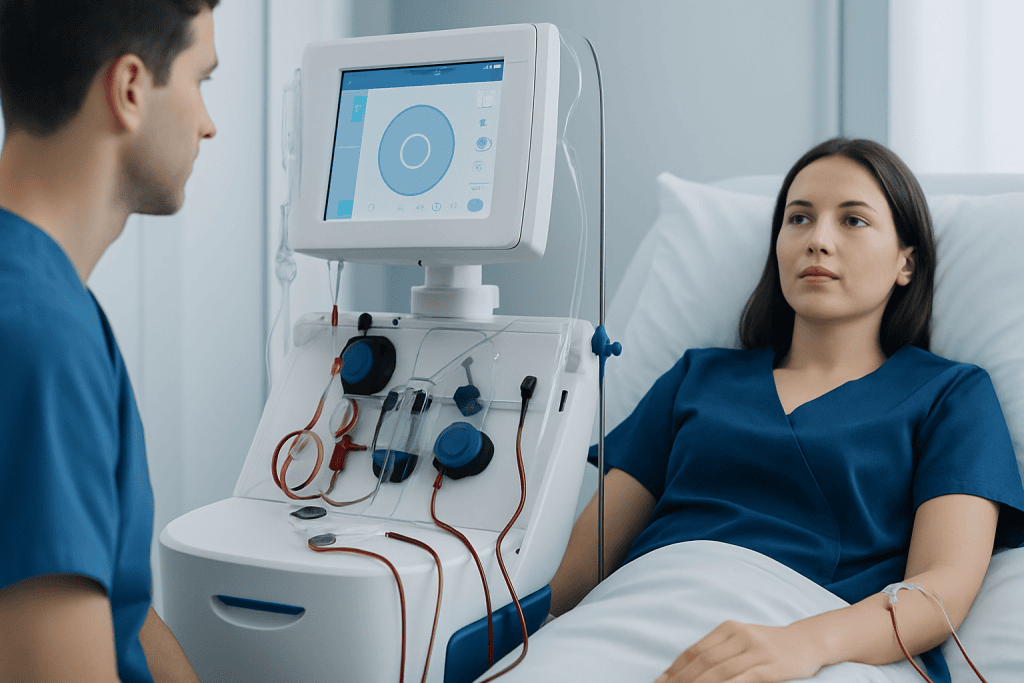
Stem cell collection: Stem cells are often collected from circulating blood through a procedure called apheresis. In some cases, marrow is collected from the donor under anesthesia. Autologous cells are stored until they are needed. Donors are assessed separately and give informed consent before donation.
Conditioning and infusion: Chemotherapy, sometimes combined with radiation therapy, is given to treat remaining disease, suppress the immune system when donor cells are used and make space in the marrow. The stem cells are infused through a central venous catheter, similar to a blood transfusion. The infusion itself is usually not an operation.
Engraftment and early monitoring: Over the following days to weeks, the stem cells travel to the marrow and begin making new blood cells. This is called engraftment. During this vulnerable period, patients need frequent blood counts, transfusions when necessary, protective infection-control measures and prompt treatment of complications.
Recovery timeline, benefits and possible risks
Recovery varies according to the underlying condition, transplant type, conditioning intensity, donor match and complications. In the early weeks, low blood counts can cause fatigue, infection risk, bruising or bleeding. Many people remain in hospital during the most intensive phase, although care models differ. Follow-up remains frequent after discharge, and immune recovery may take many months.
The potential benefit of transplant is that it may offer long-term disease control or, for some conditions, a chance of cure. In allogeneic transplantation, donor immune cells may help eliminate residual cancer cells. However, outcomes cannot be predicted for one person without reviewing their diagnosis, disease status and overall health.
Important risks include serious infections, mouth and digestive tract inflammation, nausea, fatigue, organ effects from treatment, bleeding, blood clots, infertility and disease relapse. Allogeneic transplants also carry risks of graft failure and graft-versus-host disease, which can affect the skin, liver, digestive system or other organs. Preventive medicines, regular tests and early reporting of symptoms are central to safer recovery.
After returning home, patients may need regular local hematology follow-up coordinated with the transplant center. Vaccinations are often repeated on an individualized schedule after immune recovery. The team will give clear guidance on food safety, medicines, physical activity, contact with people who are unwell and travel timing.
Hospital safety, travel and accommodation planning
When considering a bone marrow transplant in Turkey, it is important to look beyond the procedure itself. A suitable center should have a dedicated transplant program, experienced clinical and nursing staff, accredited laboratory services, blood-bank support, infection-control procedures, intensive-care access and a defined plan for emergencies and long-term follow-up.
Patients can ask whether the hospital holds relevant quality accreditation, including Joint Commission International (JCI) accreditation where applicable, and how transplant safety protocols are applied. They may also ask how donor testing, blood-product safety, isolation practices, medication monitoring and communication with a home-country doctor are managed.
International travel should be planned around clinical needs rather than a fixed holiday schedule. Patients and accompanying caregivers may need accommodation close to the hospital for outpatient appointments after discharge. Before departure, the team should confirm fitness to travel, provide a written medical summary and explain who to contact if symptoms develop after returning home.
Acibadem International’s multidisciplinary specialists and JCI-accredited hospitals support diagnosis and treatment planning for international patients requiring bone marrow transplantation. Individual recommendations should always follow a full medical review by a qualified transplant team.
When to seek medical care
Anyone being assessed for, receiving or recovering from a transplant should contact their transplant team promptly if they develop fever, chills, shortness of breath, chest pain, new confusion, severe weakness, uncontrolled vomiting or diarrhea, unusual bleeding, a widespread rash, severe abdominal pain or reduced urine output. These symptoms can have many causes, but after transplant they require timely clinical assessment.
People with a known blood cancer or bone marrow disorder should seek specialist advice if they have persistent unexplained fatigue, frequent infections, easy bruising or bleeding, persistent fever, night sweats, unintentional weight loss or abnormal blood-test results. These signs do not necessarily mean that transplantation is needed, but they deserve appropriate medical evaluation.
For planned treatment abroad, a person should seek care early if travel arrangements, accommodation or access to medications may interfere with follow-up. It is safer to clarify these issues before treatment begins than to delay urgent monitoring during recovery.
Frequently asked questions
Is bone marrow transplant the same as stem cell transplant?
The terms are often used interchangeably. Most modern transplants use blood-forming stem cells collected from the bloodstream, but the goal is the same: to restore healthy blood-cell production in the bone marrow.
How long does a bone marrow transplant take?
The stem cell infusion may take several hours, but the full treatment course is much longer. Testing, donor coordination, conditioning treatment, hospital monitoring and early recovery can extend over weeks to months, followed by ongoing follow-up.
Can an international patient travel home soon after transplant?
Travel timing depends on blood-count recovery, infection risk, complications and the availability of safe follow-up care at home. The transplant team should decide when travel is medically appropriate and provide a detailed discharge and follow-up plan.
What is graft-versus-host disease?
Graft-versus-host disease is a complication of donor stem cell transplantation in which donor immune cells attack some of the recipient's healthy tissues. It can be acute or chronic and may affect the skin, digestive tract, liver and other organs. Medicines and close monitoring can help prevent or manage it.
Will a bone marrow transplant cure cancer?
For some blood cancers and marrow disorders, transplant can provide long-term control or a chance of cure. It is not suitable for every patient, and the likelihood of benefit depends on the disease, treatment history, transplant type and overall health.
What should patients ask a transplant center before treatment?
Useful questions include which transplant type is recommended, why it is appropriate, what tests and donor steps are needed, expected monitoring requirements and the main risks for that individual. International patients should also ask about records transfer, accommodation, caregiver needs, language support and coordination with doctors at home.
References
- World Health Organization
- European Society for Blood and Marrow Transplantation
- American Society of Hematology
- National Cancer Institute
- Centers for Disease Control and Prevention
This article is for general information only and is not a substitute for professional medical advice. Please consult a qualified doctor about your individual situation.
Bone Marrow Transplant in Turkey — costs, top hospitals & a free quote
JCI-accredited · board-certified surgeons · reply within 24h
Add us as a Preferred Source to see more of our trusted health content across Google Search, AI Overviews and Discover.

Organ Transplantation
Kidney, liver and bone-marrow transplantation programs with dedicated coordination.
5 specialists in this unit