Bone Spurs: An Evidence-Based Guide for Patients

Bone spurs, also called osteophytes, are common and often linked to joint wear, inflammation, or repetitive stress. Many bone spurs cause no symptoms and are found incidentally on imaging tests.
Key Takeaways
- Bone spurs, also called osteophytes, are common and often linked to joint wear, inflammation, or repetitive stress.
- Many bone spurs cause no symptoms and are found incidentally on imaging tests.
- Symptoms depend more on location than size and may include pain, stiffness, limited motion, or nerve-related symptoms.
- Treatment usually starts with activity changes, physical therapy, pain relief, and management of the underlying joint problem.
- Surgery is considered when symptoms persist or when a bone spur causes significant nerve compression or mechanical joint problems.
Bone spurs are extra bits of bone that develop slowly, often where joints, tendons, or ligaments experience ongoing stress. Many cause no symptoms, but some can lead to pain, stiffness, reduced movement, or pressure on nearby nerves depending on where they form.
Overview: what bone spurs are and why they happen
Bone spurs are small, smooth bony outgrowths that form along the edges of bones. The medical term is osteophytes. They are not usually a disease on their own. Instead, they are often a sign that a joint or nearby tissue has been under strain for a long time, commonly from aging, cartilage wear, inflammation, or repeated pulling where tendons and ligaments attach to bone.
Many people have bone spurs without knowing it. In those cases, the spur is found on an X-ray or scan done for another reason. When symptoms do occur, they depend on where the spur is located. A bone spur in a knee or hip may limit motion, while one in the spine may narrow the space around nerves and lead to pain, tingling, or weakness.
Bone spurs can appear in many parts of the body, including the spine, shoulders, hips, knees, hands, heels, and feet. The body often forms them as a response to stress or instability, almost like reinforcement in an area experiencing ongoing load. That is why treatment focuses not just on the spur itself, but also on the joint condition or mechanical problem that led to it.
Symptoms: how bone spurs can feel in different parts of the body
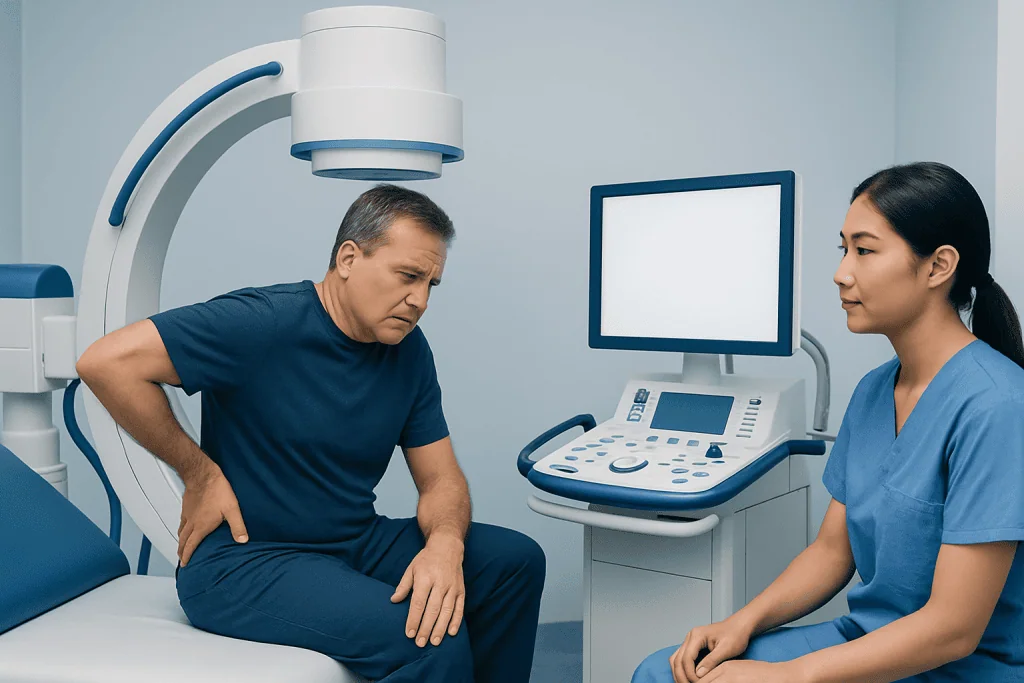
Bone spurs do not always cause symptoms. When they do, the symptoms usually relate to irritation of surrounding tissue, reduced joint movement, or pressure on a nerve. Pain may be sharp with certain motions or more like a deep ache that builds with activity. Stiffness is common, especially after rest or first thing in the morning.
Symptoms vary by location. In the spine, bone spurs may contribute to neck pain or back pain and can irritate nearby nerves. In the heel or foot, they may cause pain with standing or walking, especially if the surrounding soft tissues are inflamed. In the shoulder, a spur may narrow the space where tendons move and contribute to impingement symptoms. In the fingers, they may appear as bony enlargements around joints and can reduce dexterity.
- Joint pain that worsens with movement
- Stiffness or reduced range of motion
- A catching, rubbing, or grinding sensation in a joint
- Numbness, tingling, or weakness if a nerve is compressed
- Localized tenderness, especially in the foot or heel
The size of a bone spur does not always predict how bothersome it will be. A small spur in a sensitive location can cause more symptoms than a larger spur elsewhere. For that reason, diagnosis relies on the overall clinical picture rather than imaging alone.
Causes and risk factors
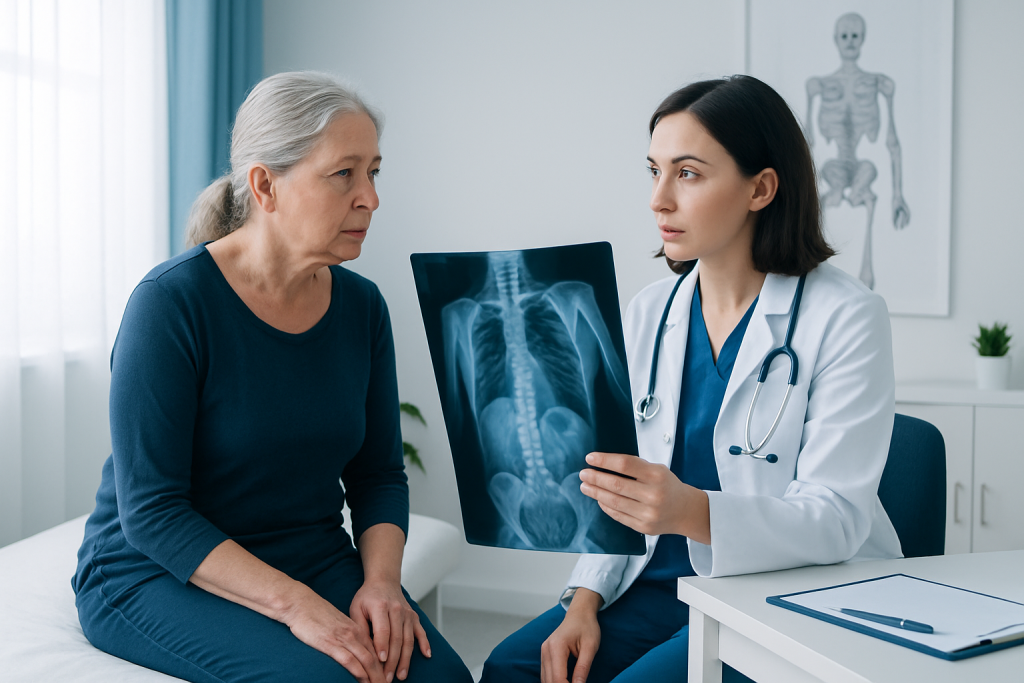
The most common reason bone spurs form is long-term joint wear and tear. As cartilage thins and joints become less smooth, the body may respond by laying down extra bone at the margins. This is especially common in osteoarthritis, where joint degeneration can trigger osteophyte formation over time.
Inflammation also plays a role. Certain forms of arthritis, old injuries, and chronic irritation at the attachment points of tendons or ligaments can encourage new bone growth. Repetitive activities, altered posture, foot mechanics, and excess body weight may increase stress on specific areas, particularly the spine, hips, knees, and feet.
Several factors can make bone spurs more likely:
- Increasing age
- Osteoarthritis or other joint disease
- Previous joint injury or surgery
- Repetitive motion from work, sports, or daily habits
- Poor biomechanics or structural foot and joint alignment issues
- Excess body weight, which increases load on weight-bearing joints
It is also important to understand that a bone spur can be a response to an existing problem rather than the primary cause of symptoms. For example, heel pain may be more related to inflammation of nearby soft tissue than to the spur itself, and neck or back symptoms may be driven by overall spinal narrowing rather than one isolated osteophyte.
How bone spurs are diagnosed
Diagnosis begins with a medical history and physical examination. A doctor will ask where the pain is felt, which movements trigger it, whether there is numbness or weakness, and how long the problem has been present. The physical exam may assess joint range of motion, tenderness, gait, posture, strength, and signs of nerve involvement.
Imaging tests help confirm the diagnosis and look for the underlying cause. Plain X-rays are often the first step because they can show osteophytes and changes related to arthritis or alignment. If nerve compression, tendon injury, or more detailed anatomy needs to be assessed, a doctor may recommend advanced imaging such as MRI scanning or a CT scan. These tests can show how a bone spur relates to surrounding nerves, discs, cartilage, and soft tissues.
Diagnosis is not based on imaging findings alone. Many adults have bone spurs that do not cause symptoms, so clinicians look for a clear match between the scan result and the person’s pain, stiffness, or nerve symptoms. This helps avoid unnecessary treatment and supports a plan tailored to the actual source of discomfort.
Treatment options: from conservative care to surgery
Treatment depends on symptoms, location, and the condition that led to the bone spur. If the spur is not causing problems, no treatment may be needed beyond observation and joint care. When symptoms are present, treatment usually begins conservatively. Rest from aggravating activities, changes in footwear, weight management, and guided exercise can all reduce stress on the affected area.
Physical therapy is often helpful. A structured program can improve flexibility, strengthen supporting muscles, and correct movement patterns that overload a joint or tendon. Doctors may also recommend medicines for pain relief or inflammation when appropriate. Shoe inserts, cushioning, braces, or assistive devices may help in the foot, knee, or other weight-bearing joints.
If symptoms remain significant, targeted treatments may be considered. In some situations, injections are used to calm inflammation around the affected structure. Surgery is generally reserved for persistent pain, major loss of function, or nerve compression that does not improve with non-surgical care. Depending on location, surgery may involve removing the spur or addressing the underlying joint problem through orthopedic surgery. If the spur is part of a wider degenerative process in the neck or back, treatment planning may overlap with care for spinal stenosis.
Because symptoms can come from several structures at once, treatment is most effective when it targets the whole problem rather than the X-ray finding alone. For example, a painful shoulder may improve when tendon irritation and mechanics are treated, even if the bone spur itself remains visible on imaging.
Prevention and self-care
It is not always possible to prevent bone spurs, especially when they are related to aging or established arthritis. However, healthy joint habits may reduce stress on the musculoskeletal system and lower the chance of symptoms. The goal is to keep joints moving well, support them with strong muscles, and avoid repeated overload where possible.
Practical self-care steps include regular low-impact activity, stretching, gradual strengthening, and maintaining a body weight that is appropriate for overall health. Good footwear can be especially important for heel, foot, knee, and hip problems. People whose work or sport involves repetitive motion may benefit from technique changes, rest breaks, or ergonomic adjustments.
- Stay active with joint-friendly exercise such as walking, cycling, or swimming
- Strengthen muscles that support the spine and major joints
- Use proper footwear and replace worn-out shoes
- Address injuries early to reduce long-term joint stress
- Follow a clinician’s plan for arthritis or chronic inflammatory conditions
For individuals with ongoing symptoms, self-care works best alongside professional guidance. A clinician or physiotherapist can help identify the specific movement or alignment issues contributing to pain and suggest changes that are realistic for daily life.
When to seek medical care
Medical evaluation is a good idea when joint or heel pain continues for more than a few weeks, limits daily activity, or keeps returning. A person should also seek care if stiffness is getting worse, movement is increasingly restricted, or home measures are not helping. Early assessment can clarify whether the symptoms are due to a bone spur, arthritis, tendon irritation, nerve compression, or another cause.
More urgent medical attention is needed if pain follows a significant injury, if there is sudden weakness, or if numbness spreads into an arm or leg. New problems with walking, loss of hand function, or severe neck or back pain with nerve symptoms should also be assessed promptly. These symptoms do not always mean a serious problem, but they deserve timely review.
Near the end of the care pathway, some patients may need coordinated assessment from orthopedics, physical medicine, radiology, or spine specialists. Acibadem International’s multidisciplinary teams in JCI-accredited hospitals diagnose and treat musculoskeletal conditions for international patients, including evaluation with X-ray imaging and specialist consultation when needed.
Frequently asked questions
Are bone spurs dangerous?
Bone spurs are usually not dangerous. Many are harmless and cause no symptoms at all. They become a medical issue mainly when they irritate nearby tissue, limit joint movement, or compress a nerve.
Can bone spurs go away on their own?
Bone spurs generally do not disappear on their own once they have formed. However, symptoms can improve significantly with conservative treatment such as exercise therapy, activity changes, supportive footwear, and management of inflammation. The focus is often on reducing pain and improving function rather than removing the spur.
Do bone spurs always cause pain?
No. Many bone spurs are found incidentally and never cause pain. Whether they hurt depends on their location and whether they affect a joint, tendon, ligament, or nerve.
What is the difference between a heel spur and plantar fasciitis?
A heel spur is a bony growth on the heel bone, while plantar fasciitis is inflammation or irritation of the plantar fascia, a band of tissue on the bottom of the foot. The two can occur together, but a heel spur is not always the true source of pain. A doctor can help determine which structure is causing symptoms.
When is surgery needed for bone spurs?
Surgery is usually considered only after non-surgical treatments have not provided enough relief. It may also be recommended if a bone spur causes significant nerve compression, repeated mechanical catching, or major loss of function. The exact procedure depends on where the spur is located and what underlying condition is present.
Can exercise make bone spurs worse?
Appropriate exercise usually helps rather than harms. Gentle, guided movement can improve flexibility, muscle support, and joint function. High-impact or repetitive activities may aggravate symptoms in some people, so exercise plans should be adjusted to the affected area and individual tolerance.
References
- American Academy of Orthopaedic Surgeons
- National Institute of Arthritis and Musculoskeletal and Skin Diseases
- MedlinePlus
- National Health Service
- Mayo Clinic
This article is for general information only and is not a substitute for professional medical advice. Please consult a qualified doctor about your individual situation.
Joint and spine care in Turkey — expert assessment & treatment
JCI-accredited · board-certified surgeons · reply within 24h
Add us as a Preferred Source to see more of our trusted health content across Google Search, AI Overviews and Discover.