Bone Spurs Explained: Causes, Symptoms, and When Treatment Is Needed

Bone spurs are common and often develop with aging, joint wear, or chronic irritation. Many bone spurs do not need treatment unless they cause pain, reduced movement, or pressure on nearby nerves or tissues.
Key Takeaways
- Bone spurs are common and often develop with aging, joint wear, or chronic irritation.
- Many bone spurs do not need treatment unless they cause pain, reduced movement, or pressure on nearby nerves or tissues.
- Symptoms vary by location and may affect the spine, heel, knee, hip, shoulder, hands, or big toe.
- Doctors diagnose bone spurs with a physical exam and imaging such as X-rays, sometimes with MRI or CT if nerves or soft tissues are involved.
- Treatment usually starts with rest, physical therapy, supportive footwear, pain relief measures, and management of the underlying joint condition.
- Surgery may be considered when symptoms are severe, persistent, or caused by nerve compression or joint damage.
Bone spurs, also called osteophytes, are extra bits of bone that form along the edges of joints or where tendons and ligaments attach to bone. Many cause no symptoms, but some can lead to pain, stiffness, or nerve irritation depending on where they develop.
Overview of Bone Spurs
Bone spurs are small, smooth, extra growths of bone that develop over time. The medical term is osteophytes. They are not usually sharp objects that suddenly appear; instead, they form gradually as the body responds to stress, joint wear, inflammation, or changes in the way a joint moves.
Bone spurs can develop in many parts of the body, but they are most often found in the spine, knees, hips, shoulders, hands, feet, and around the heel. Some are discovered by chance on an X-ray done for another reason. In many people, they never cause symptoms at all.
Problems tend to happen when a bone spur rubs against nearby tissue, limits joint movement, or presses on a nerve. For example, a spur in the spine may contribute to back pain or tingling in an arm or leg, while a heel spur may worsen discomfort with standing or walking. The symptoms depend more on the location and surrounding tissues than on the spur itself.
Symptoms of Bone Spurs
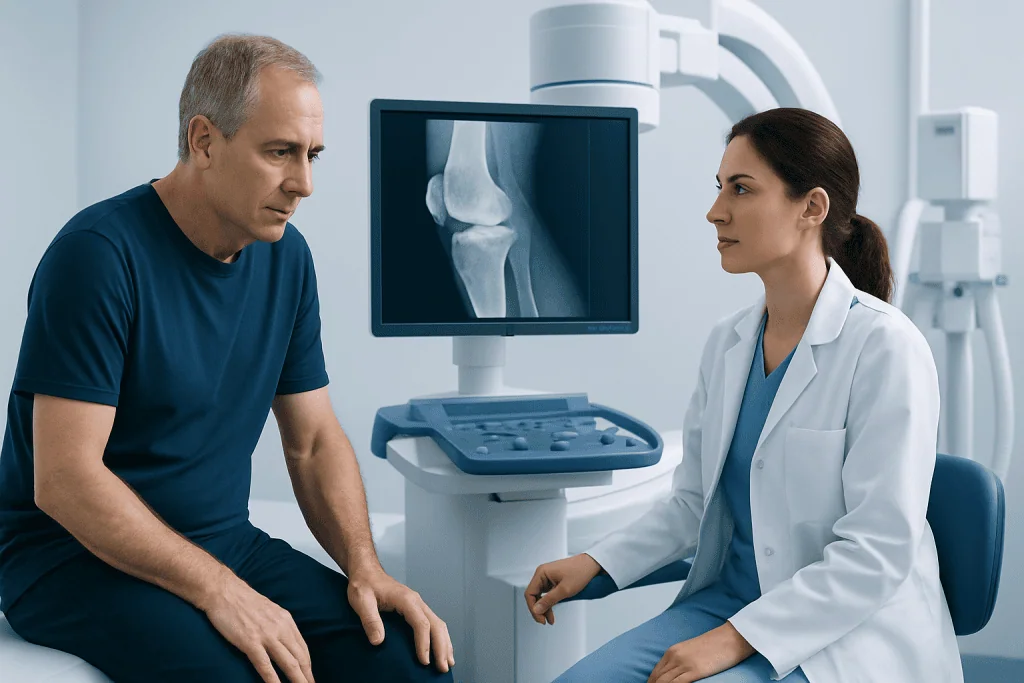
Many bone spurs are silent, meaning they do not cause any noticeable symptoms. When symptoms do occur, they may develop gradually and can be mistaken for other common joint or foot problems. The signs often come from irritation of muscles, tendons, ligaments, or nerves rather than from the extra bone alone.
Common symptoms may include pain near a joint, stiffness, reduced flexibility, a catching or rubbing sensation with movement, swelling from nearby irritation, or numbness and tingling if a nerve is compressed. In the foot, symptoms may feel worse after long periods of standing or walking. In the spine, a person may notice pain that travels into an arm or leg.
Symptoms vary by location. A spur in the knee can make bending or straightening more difficult. A spur in the shoulder may contribute to impingement and pain when lifting the arm. In the big toe, it may cause discomfort in shoes. A heel bone spur often occurs along with plantar fasciitis, although not every person with heel pain has a spur, and not every spur causes heel pain.
- Joint pain or tenderness
- Stiffness or reduced range of motion
- Foot pain during walking or standing
- Numbness, weakness, or tingling from nerve pressure
- A feeling of grinding or catching in a joint
Causes and Risk Factors
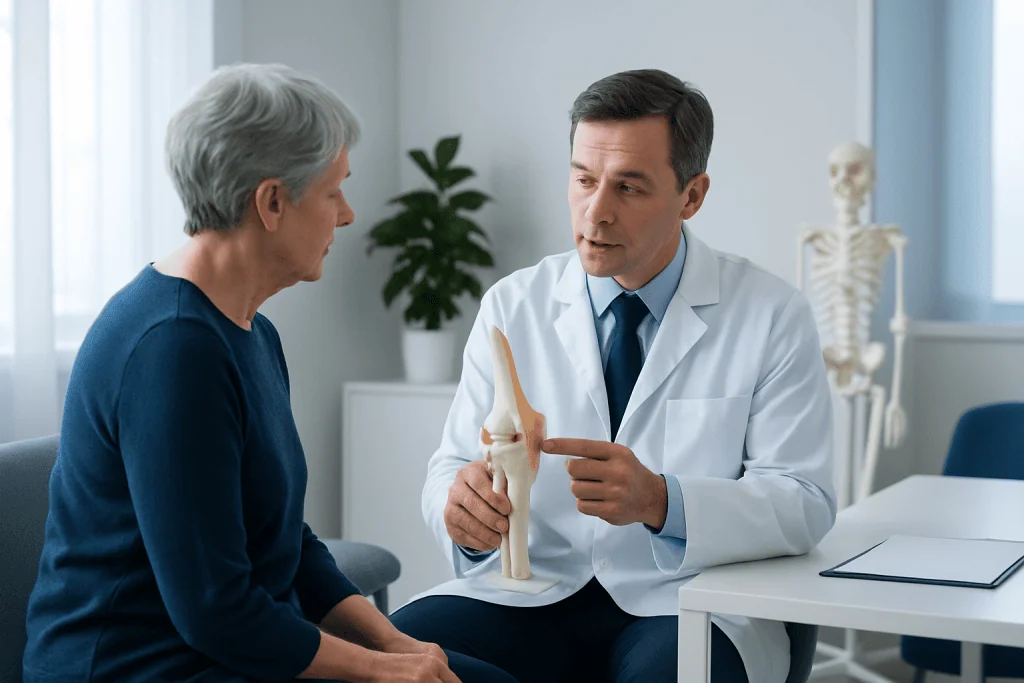
Bone spurs usually form when the body tries to stabilize an area under repeated stress. The most common cause is joint degeneration, especially osteoarthritis, where cartilage wears down and the body responds by building extra bone along joint margins. This process can happen gradually over many years.
Long-term inflammation can also play a role. Conditions that affect joints, tendons, or ligaments may increase the chance of spur formation. Repetitive motion, poor joint alignment, previous injury, and chronic pulling where a tendon or ligament attaches to bone can all contribute. In the foot, changes in biomechanics, tight calf muscles, and unsupported footwear may add strain.
Risk tends to increase with age, but younger people can also develop bone spurs, particularly after injury or from repeated athletic or occupational stress. Excess body weight may place extra pressure on weight-bearing joints such as the knees, hips, and feet. Certain inherited factors and structural differences in the feet or spine may also make spur formation more likely.
How Bone Spurs Are Diagnosed
Diagnosis begins with a medical history and physical examination. A doctor will ask where the pain is felt, what movements trigger it, how long it has been present, and whether there are symptoms such as numbness, weakness, or swelling. During the exam, the doctor may check range of motion, tenderness, alignment, walking pattern, and signs of nerve involvement.
X-rays are often the first imaging test because they can show osteophytes clearly. However, the size of a spur on an X-ray does not always match how severe the symptoms feel. Some large spurs do not hurt, while a smaller one in a sensitive location can be more troublesome.
If symptoms suggest pressure on a nerve, tendon, or spinal structure, additional imaging may be needed. MRI can help assess soft tissues, discs, and nerves. CT may be useful in selected cases for more detailed bone anatomy. In the foot and ankle, ultrasound may sometimes help evaluate nearby tendon or fascia irritation. The main goal is not only to see the spur, but also to understand whether it is truly the source of symptoms.
Treatment Options for Bone Spurs
Treatment depends on whether the bone spur is causing symptoms and what underlying problem is present. If there is no pain or limitation, treatment may not be needed. When symptoms are mild to moderate, doctors usually begin with conservative care. This may include activity changes, short periods of rest, ice or heat, physical therapy, stretching, and general pain-relief medicines when appropriate for the individual.
Supportive devices can also help. In the foot, cushioned shoes, orthotics, heel pads, or changes in footwear may reduce pressure. In the shoulder, guided exercises may improve mechanics and reduce impingement. When inflammation around the spur is contributing to pain, a doctor may consider an injection in selected cases. If the problem is linked to a broader joint disorder, treatment may focus on that condition as well, such as non-surgical care for degenerative joint disease.
Surgery is usually considered only when symptoms remain significant despite appropriate non-surgical treatment, or when a spur is clearly pressing on a nerve or severely limiting function. The exact procedure depends on location. This may involve minimally invasive or open removal of the spur, repair of affected tissue, or surgery to address the underlying joint problem. In carefully selected patients with advanced joint damage, options may include procedures such as knee replacement or hip replacement. For persistent spinal nerve compression related to bony overgrowth, a specialist may evaluate whether spine surgery is appropriate.
Prevention and Self-Care
Not all bone spurs can be prevented, especially those related to aging or long-term joint changes. Still, healthy habits may reduce joint stress and help slow the processes that contribute to spur formation. Keeping muscles strong and flexible supports better movement patterns and may lower strain on joints and tendons.
Helpful self-care steps include maintaining a healthy body weight, wearing shoes that fit well and provide support, warming up before exercise, and increasing activity gradually rather than suddenly. Good posture and workplace ergonomics may reduce stress on the neck, back, shoulders, and hands. For people with foot pain, avoiding worn-out shoes and using doctor-recommended inserts can be useful.
It is also important to manage underlying conditions that affect joints and movement. Early attention to joint pain, recurrent tendon problems, or changes in walking pattern may help prevent worsening irritation. Physical therapy can teach safe stretches and strengthening exercises tailored to the painful area, especially for the foot, knee, shoulder, or spine.
When to See a Doctor
A person should consider medical evaluation if joint or foot pain lasts more than a few weeks, keeps returning, limits daily activities, or makes it hard to walk, climb stairs, lift the arm, or sleep comfortably. Assessment is also wise if symptoms are getting worse instead of improving with simple self-care.
Prompt medical attention is especially important if there is numbness, tingling, weakness, loss of balance, or pain that travels down an arm or leg, since these may suggest nerve compression. Sudden major swelling, fever, inability to bear weight, or pain after an injury should also be checked without delay because another problem may be present.
Specialists in orthopedics, rehabilitation, pain management, and spine care may all be involved depending on the spur’s location. Near the end of the care journey, some patients may benefit from multidisciplinary evaluation; Acibadem International’s specialists in JCI-accredited hospitals diagnose and treat bone spur-related conditions for international patients when advanced assessment or treatment is needed.
Frequently asked questions
Are bone spurs dangerous?
Bone spurs are usually not dangerous and many do not cause any symptoms. They become a problem mainly when they irritate nearby tissues, limit joint movement, or press on a nerve. A doctor can help determine whether a spur is actually responsible for symptoms.
Can bone spurs go away on their own?
Bone spurs do not usually disappear on their own. However, symptoms can often improve with conservative treatment such as stretching, physical therapy, supportive footwear, and pain management. The focus is often on reducing irritation rather than removing the bone spur itself.
Do all heel spurs cause heel pain?
No, many heel spurs do not cause pain and are found incidentally on imaging. Heel pain is often related to inflammation of nearby tissues, especially the plantar fascia, rather than the spur alone. This is why treatment often targets the surrounding soft tissues and foot mechanics.
What is the difference between a bone spur and arthritis?
A bone spur is an extra growth of bone, while arthritis is a broader joint condition that may involve cartilage loss, inflammation, stiffness, and pain. Bone spurs commonly develop as a result of joint wear from osteoarthritis. In other words, a spur may be one feature of arthritis, not a separate disease in every case.
When is surgery needed for bone spurs?
Surgery is usually considered only when symptoms are persistent, significant, and do not improve with non-surgical care. It may also be recommended if a spur compresses a nerve, severely limits movement, or is part of advanced joint damage. The decision depends on the location, the person's symptoms, and overall joint health.
Can exercise help bone spurs?
Yes, the right type of exercise can often help by improving flexibility, strength, and joint mechanics. Low-impact activities and targeted physical therapy are usually more helpful than pushing through pain with high-strain exercise. A doctor or physiotherapist can suggest a plan suited to the affected area.
References
- American Academy of Orthopaedic Surgeons
- National Institute of Arthritis and Musculoskeletal and Skin Diseases
- National Health Service
- Mayo Clinic
- American College of Rheumatology
This article is for general information only and is not a substitute for professional medical advice. Please consult a qualified doctor about your individual situation.
Joint and spine care in Turkey — expert assessment & treatment
JCI-accredited · board-certified surgeons · reply within 24h
Add us as a Preferred Source to see more of our trusted health content across Google Search, AI Overviews and Discover.