

Brain Stimulation Therapies: How Neuromodulation Options Differ
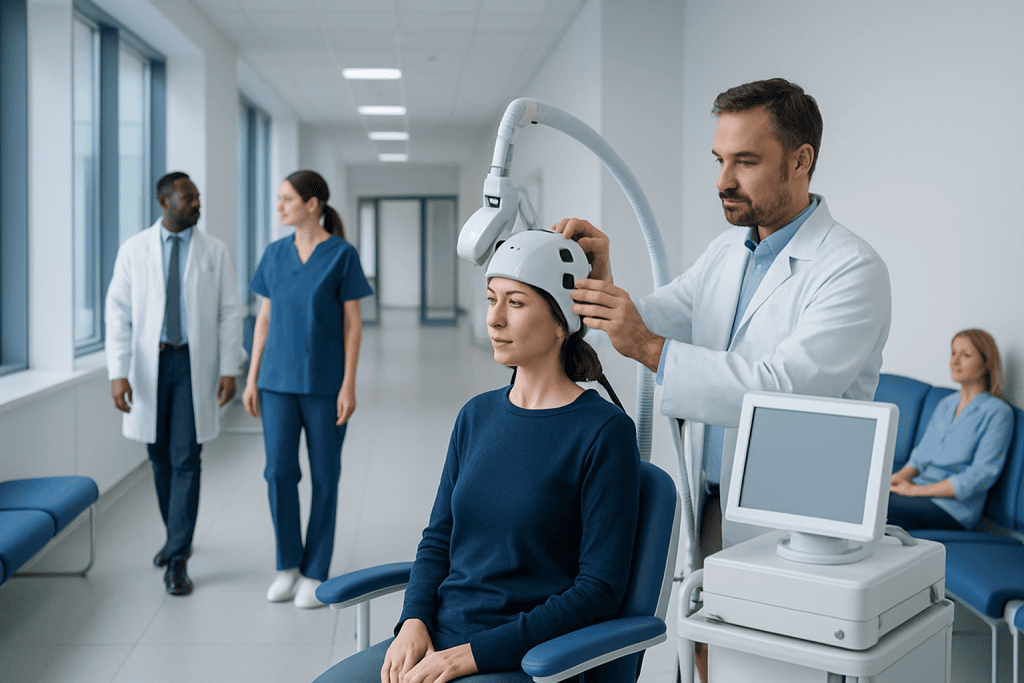
Brain stimulation therapies can be noninvasive, minimally invasive, or surgical. Different methods are used for different conditions, including movement disorders, epilepsy, depression, and chronic pain.
Key Takeaways
- Brain stimulation therapies can be noninvasive, minimally invasive, or surgical.
- Different methods are used for different conditions, including movement disorders, epilepsy, depression, and chronic pain.
- The best option depends on the diagnosis, symptoms, goals, and overall health of the individual.
- Evaluation usually involves a multidisciplinary team and careful discussion of benefits, risks, and alternatives.
- Some treatments are reversible or adjustable, while others are given as a series of sessions.
Brain stimulation therapies are medical treatments that change nerve activity using electrical or magnetic signals. Different neuromodulation options vary in how invasive they are, which conditions they treat, and how long their effects may last.
Overview: What brain stimulation therapies are
Brain stimulation therapies are treatments that influence how the nervous system works by using controlled electrical or magnetic energy. In medicine, these approaches are often grouped under the term neuromodulation. The goal is not to change the brain in a general way, but to target specific circuits involved in symptoms such as tremor, seizures, depression, pain, or movement difficulties.
These therapies differ in several important ways. Some are noninvasive, meaning nothing is placed inside the body. Others are implant-based, using a device that delivers stimulation through electrodes. Some treatments are done in an outpatient clinic over multiple sessions, while others involve surgery followed by long-term device programming and follow-up.
Brain stimulation therapies are usually considered when symptoms are significantly affecting daily life and when standard treatments such as medication, rehabilitation, or psychotherapy have not provided enough benefit or have caused side effects. In many cases, they are used alongside other treatments rather than replacing them completely.
How neuromodulation options differ
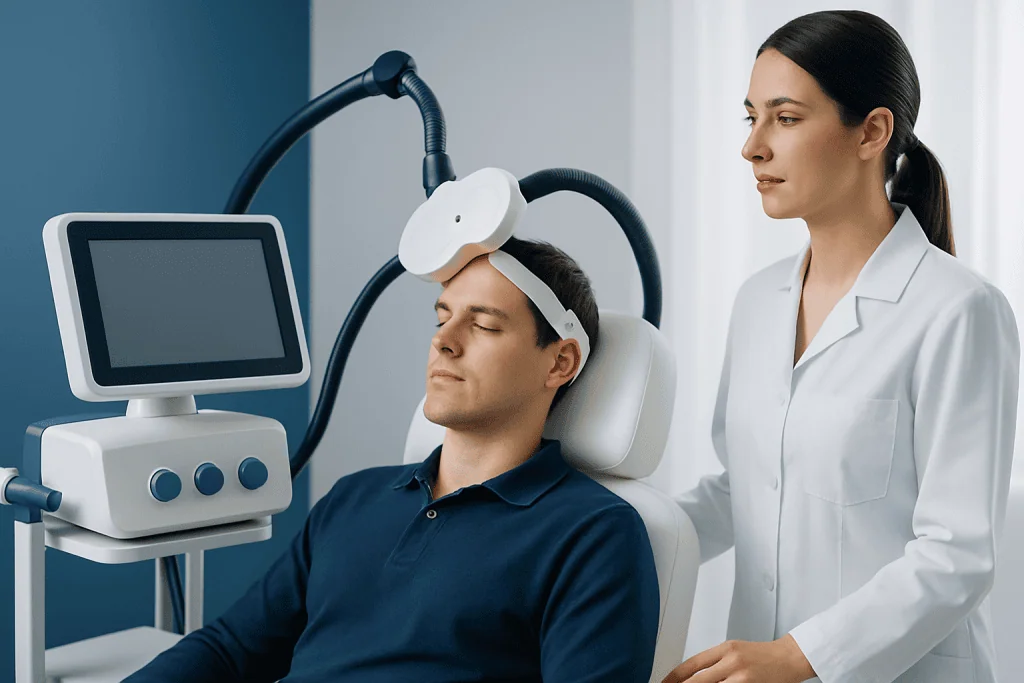
The main differences between neuromodulation options include where stimulation is delivered, how it reaches the nervous system, and what conditions it is intended to treat. For example, some therapies act directly on the brain, while others stimulate nerves that influence brain activity indirectly. This is why two treatments may both be called brain stimulation therapies but still work very differently.
Another key difference is invasiveness. Transcranial magnetic stimulation, often called TMS, uses magnetic pulses from outside the scalp and does not require surgery. By contrast, deep brain stimulation, or DBS, involves placing electrodes in carefully selected brain areas and connecting them to an implanted pulse generator. Vagus nerve stimulation, or VNS, is implanted in the chest and neck and works through the vagus nerve rather than by placing electrodes inside the brain.
Treatments also vary in adjustability and timing. Some implantable systems can be programmed and adjusted over time to match a person’s symptoms. Others are delivered in a course of sessions over days or weeks. The expected benefits, possible side effects, and the level of ongoing follow-up can be quite different, which is why careful selection is important.
- Noninvasive options: such as TMS, usually performed in outpatient sessions
- Surgical implant options: such as deep brain stimulation or VNS
- Procedure-based therapies: such as electroconvulsive therapy, typically given in a monitored medical setting
Common types of brain stimulation therapies
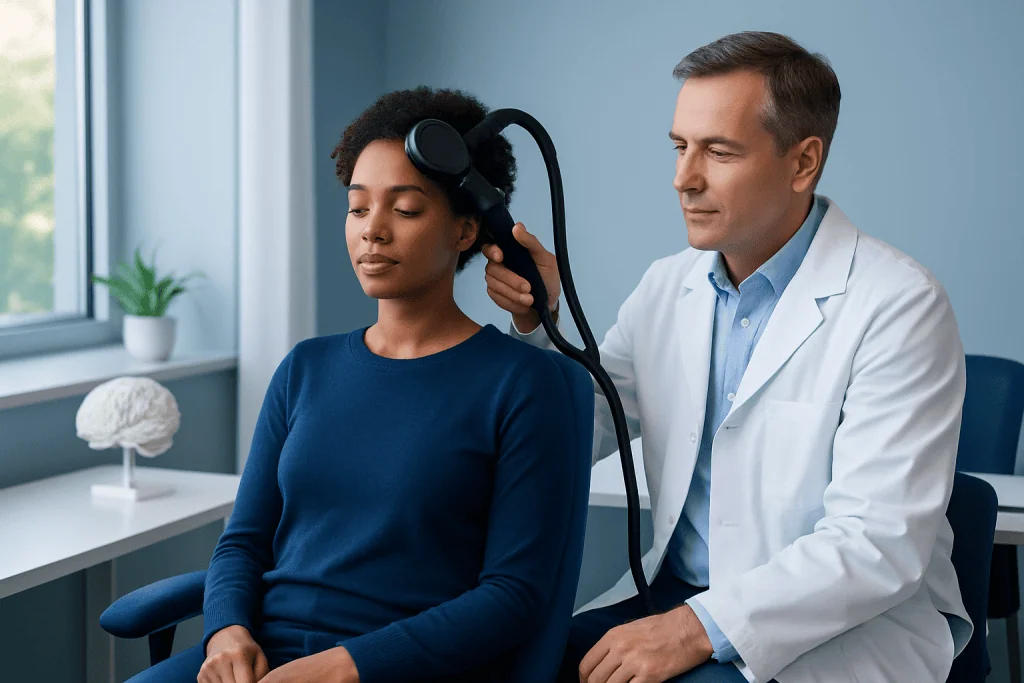
Deep brain stimulation (DBS) is most widely used for selected movement disorders, including Parkinson’s disease, essential tremor, and some forms of dystonia. In DBS, electrodes are placed in specific brain targets and connected to a small battery-powered device. The stimulation can often be adjusted after surgery, which makes DBS a flexible option for conditions that change over time.
Transcranial magnetic stimulation (TMS) uses repeated magnetic pulses to stimulate brain regions involved in mood and other functions. It is commonly used for certain patients with depression, especially when medications have not been enough or have caused unwanted effects. TMS does not require anesthesia or implantation, and people usually return to normal activities after each session.
Vagus nerve stimulation (VNS) uses an implanted device to send electrical impulses to the vagus nerve in the neck. It may be used in selected cases of epilepsy and sometimes treatment-resistant depression. Electroconvulsive therapy (ECT), while different from long-term implanted devices, is also a brain stimulation therapy. It is given under anesthesia in a controlled medical environment and may help severe depression or other serious psychiatric conditions when a rapid or strong response is needed.
Other neuromodulation approaches may be used in specialized settings, including responsive neurostimulation for some people with epilepsy and spinal cord or peripheral nerve stimulation for chronic pain. Depending on the condition, related care may also involve Parkinson's disease evaluation or treatment for epilepsy within a comprehensive neurology program.
Conditions these therapies may help treat
Brain stimulation therapies are not used for one single diagnosis. Instead, they are matched to specific conditions based on evidence, clinical guidelines, and individual patient factors. In neurology, they are commonly considered for movement disorders, epilepsy, chronic pain syndromes, and certain neurological symptoms that do not respond well enough to medication alone.
In mental health care, some neuromodulation treatments may help severe or treatment-resistant depression, obsessive-compulsive disorder, and a limited number of other psychiatric conditions. Not every patient with these diagnoses is a candidate. Doctors look closely at symptom pattern, previous treatments, treatment goals, and whether the expected benefits are likely to outweigh the risks.
Examples of conditions that may be treated with selected brain stimulation therapies include:
- Parkinson’s disease and medication-related movement fluctuations
- Essential tremor and some forms of dystonia
- Epilepsy that has not responded adequately to medication
- Major depressive disorder that remains severe despite standard treatment
- Obsessive-compulsive disorder in carefully selected cases
- Some chronic pain conditions, depending on the type and cause
The same therapy is not suitable for all conditions. For example, DBS is often discussed in movement disorder care, while TMS is more commonly associated with depression treatment. VNS and other device-based approaches may be considered when symptoms are persistent and a specialist team believes neuromodulation could be helpful.
How doctors decide which option is appropriate
Choosing a neuromodulation treatment usually starts with confirming the diagnosis and understanding how symptoms affect daily life. Specialists review which treatments have already been tried, how well they worked, and whether side effects or other health issues limit future options. This step is important because the best treatment depends not only on the condition itself but also on the person’s age, general health, priorities, and support system.
The evaluation may involve a multidisciplinary team that includes neurologists, psychiatrists, neurosurgeons, psychologists, rehabilitation specialists, and imaging experts. Depending on the situation, tests may include brain imaging, neuropsychological assessment, seizure monitoring, movement assessment, or review of medication response. For some surgical options, mapping and target planning are an important part of preparation.
Doctors also discuss practical questions such as how often follow-up is needed, whether programming adjustments may be required, and how a therapy might affect work, driving, exercise, or travel. When surgery is being considered, the team explains potential complications, recovery expectations, and whether the therapy is reversible or adjustable. In selected cases, patients may be referred for neurosurgery assessment or neurology care to help compare the available options.
Benefits, limitations, and possible side effects
For the right patient, brain stimulation therapies can reduce symptoms, improve function, and support quality of life. Some people experience fewer tremors, better control of seizures, or improvement in mood after other treatments have not been enough. Another advantage of some implantable systems is that stimulation settings can be adjusted over time, allowing the treatment to be tailored as symptoms change.
At the same time, no neuromodulation treatment works for everyone, and benefits may vary. Some therapies take time to show results, while others require repeated sessions or ongoing programming. In many cases, treatment is most effective as part of a broader care plan that may still include medication, therapy, rehabilitation, or lifestyle measures.
Possible side effects depend on the method used. Noninvasive therapies may cause temporary scalp discomfort, headache, or fatigue. Implanted systems carry surgical risks such as infection, bleeding, hardware problems, or need for battery replacement. Procedure-based treatments such as ECT may involve short-term confusion or memory-related effects in some patients. A specialist can explain expected risks and how they are monitored and managed in individual cases.
What treatment and follow-up usually involve
The treatment process looks different for each therapy. Noninvasive treatments such as TMS are usually given in a series of sessions over several weeks. The sessions are planned in advance, and progress is reviewed regularly. For ECT, treatments are performed in a monitored setting under anesthesia, often as a short course followed by reassessment.
For implantable therapies such as DBS or VNS, treatment typically has several stages: evaluation, the procedure itself, recovery, and device programming. The implantation is only one part of the process. After surgery, doctors adjust the settings and monitor symptom response, side effects, medication needs, and device function over time. Follow-up visits are an essential part of success.
Patients often benefit from setting realistic goals before treatment begins. The aim may be symptom reduction rather than a complete cure. Keeping a symptom diary, attending follow-up appointments, and reporting changes early can help the clinical team optimize treatment. Near the end of care planning, some international patients may also choose evaluation at Acibadem International, where multidisciplinary specialists in JCI-accredited hospitals diagnose and treat complex neurological conditions requiring neuromodulation.
When to speak with a doctor
A person should consider asking about brain stimulation therapies when symptoms remain disruptive despite standard treatment, when medications cause significant side effects, or when a doctor has suggested that the condition may be suitable for advanced therapy. It can also be helpful to seek specialist advice if there is uncertainty about the diagnosis or if treatment goals have changed over time.
Urgent medical attention is important for severe worsening of neurological or psychiatric symptoms, new seizures, sudden changes in thinking or behavior, or signs of complications after an implanted device procedure such as fever, increasing pain, redness, swelling, or unexpected changes in device function. These symptoms do not always mean a serious problem, but they should be reviewed promptly.
Because neuromodulation is highly individualized, the safest approach is a thorough discussion with a qualified specialist. A careful review of risks, likely benefits, alternatives, and follow-up needs can help patients and families make informed decisions with confidence.
Frequently asked questions
Are brain stimulation therapies the same as brain surgery?
No. Some brain stimulation therapies are noninvasive and do not involve surgery, such as transcranial magnetic stimulation. Others, such as deep brain stimulation, do require a surgical procedure to place a device.
Which conditions are most commonly treated with neuromodulation?
Common uses include certain movement disorders, epilepsy, treatment-resistant depression, and some chronic pain conditions. The exact therapy depends on the diagnosis, symptom severity, and how a person has responded to other treatments.
Is deep brain stimulation a cure?
Deep brain stimulation is generally not considered a cure. It is a treatment that may help control symptoms and improve daily function in selected patients, often alongside medication and other care.
How is TMS different from DBS?
TMS is a noninvasive treatment that uses magnetic pulses from outside the scalp, usually in repeated outpatient sessions. DBS is an implanted therapy that delivers electrical stimulation through electrodes placed in specific brain regions.
Can brain stimulation therapies be adjusted or stopped?
Some can. Implanted systems such as DBS can often be programmed and adjusted over time, and stimulation can usually be turned off if needed. Noninvasive treatments are typically given as scheduled sessions and then reassessed based on response.
Are these treatments safe?
When used for the right condition and delivered by experienced teams, brain stimulation therapies are generally considered safe, but each option has its own risks and side effects. A specialist evaluation is important to understand what is appropriate for the individual situation.
References
- World Health Organization
- National Institute of Neurological Disorders and Stroke
- National Institute of Mental Health
- American Academy of Neurology
- International Parkinson and Movement Disorder Society
This article is for general information only and is not a substitute for professional medical advice. Please consult a qualified doctor about your individual situation.
Neuromodulation in Turkey — costs, top hospitals & a free quote
JCI-accredited · board-certified surgeons · reply within 24h
Add us as a Preferred Source to see more of our trusted health content across Google Search, AI Overviews and Discover.

More from the Health Library

Related Specialists
Dr. Mustafa Kemal Gürsel
Otorhinolaryngology
Assoc. Prof. Dr. Hayrettin Dizen
General Surgery
Dr. Hande Aygün
Infectious Diseases & Clinical Microbiology
Dr. Mahir Bülent Özgen
Urology