Breathwork Therapy for Teens: How It Works, Results and What to Expect

Gentle, slow breathing practices may support relaxation, attention, and emotional regulation in teenagers. Intense or prolonged breathing techniques can cause dizziness, tingling, panic-like sensations, or emotional distress and are not appropriate for every teen.
Key Takeaways
- Gentle, slow breathing practices may support relaxation, attention, and emotional regulation in teenagers.
- Intense or prolonged breathing techniques can cause dizziness, tingling, panic-like sensations, or emotional distress and are not appropriate for every teen.
- A breathwork session should include explanation, consent, the option to pause, and time to return to a calm state.
- Breath-holding ability varies widely and is not a useful test of fitness, maturity, or emotional wellbeing.
- Teens with asthma, heart or lung conditions, panic symptoms, trauma histories, or certain mental health conditions should seek professional guidance before structured breathwork.
- Persistent anxiety, low mood, self-harm thoughts, chest symptoms, or breathing difficulty need medical or mental health assessment.
Breathwork therapy for teens involves guided breathing practices that may help some young people feel calmer, notice body signals, and build coping skills for stress. It is not a replacement for mental health or medical care, and the safest approach is gentle, age-appropriate practice led by a qualified professional when a teen has health concerns or significant symptoms.
Overview: What Is Breathwork Therapy for Teens?
Breathwork therapy for teens is a broad term for guided practices that bring attention to breathing patterns. Sessions may use slow diaphragmatic breathing, paced breathing, longer exhalations, mindful observation of the breath, or gentle movement combined with breathing. The goal is usually to help a teenager settle their nervous system, recognize stress responses, and practice a skill they can use in daily life.
Breathing exercises are often included within counselling, psychology, mindfulness programs, sports support, rehabilitation, or stress-management education. They are best understood as one coping tool rather than a stand-alone cure for anxiety, trauma, depression, or other health conditions. A clinician can help determine whether breath-focused practice fits a teen’s needs and whether another approach, such as psychotherapy or medical care, should be the main treatment.
Approaches marketed as intense breathwork may involve rapid, forceful, or prolonged breathing. These techniques are different from simple calming exercises and may cause uncomfortable physical sensations or strong emotions. For adolescents, gentle and brief practices with clear supervision are generally the more appropriate starting point.
How Breathwork Affects the Body
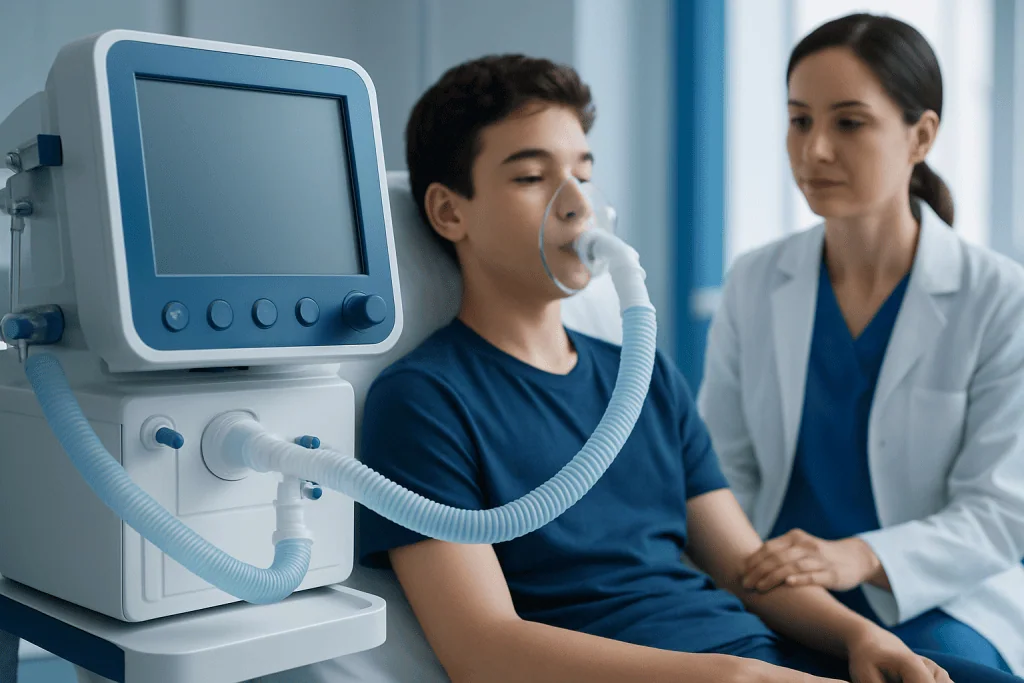
Breathing changes naturally with emotion and activity. During stress, breathing may become faster, shallower, or more irregular. Slow, comfortable breathing can encourage a shift toward a calmer physical state, especially when the exhale is unforced and slightly longer than the inhale. A teen may notice a slower heartbeat, reduced muscle tension, or a greater sense of steadiness.
Rapid or deep breathing beyond the body’s needs can lower carbon dioxide levels temporarily. This may lead to light-headedness, tingling around the mouth or hands, chest tightness, visual changes, or feelings that resemble panic. These sensations are usually temporary, but they can be distressing and are a reason to stop, return to normal breathing, and tell the facilitator.
Breathwork does not remove difficult experiences from the body in a literal way. It may help a young person notice sensations and emotions with support, but lasting improvement in trauma-related symptoms generally requires trauma-informed assessment and evidence-based mental health care. Breathing should never be used to pressure a teen to revisit distressing memories.
What happens to your body when you do breathwork? With gentle paced breathing, the body may move from a stress response toward a more settled state. With overly vigorous breathing, however, the body can develop symptoms of overbreathing, including dizziness and tingling, so the practice should remain comfortable and controlled.
Who May Benefit and Who Needs Extra Caution
Breathwork may be useful for teenagers who want a practical way to pause before a test, sports event, difficult conversation, or bedtime routine. It can also complement therapy for mild stress or worry when it is taught as one part of a broader care plan. A teen does not need to be highly athletic, flexible, or able to hold their breath for a long time to participate.
Before joining a structured program, it is sensible to discuss it with a doctor or mental health professional if a teen has asthma that is not well controlled, other lung disease, heart disease, fainting episodes, seizures, severe migraine, pregnancy, glaucoma, or a history of panic attacks. Extra care is also important for teens with trauma-related symptoms, dissociation, psychosis, bipolar disorder, active eating disorders, or self-harm concerns.
A qualified facilitator should ask about relevant health history, explain the type of breathing being offered, and adapt or avoid techniques that cause symptoms. Parents or caregivers may wish to ask about the facilitator’s training, safeguarding approach, privacy practices, and plan for responding if a participant becomes distressed. Breathwork should not require a teen to continue through discomfort.
For teens whose stress is affecting school, relationships, sleep, or daily functioning, assessment through psychotherapy or another appropriate mental health service may be more helpful than relying on breathing exercises alone.
What to Expect During a Breathwork Session
A safe teen-focused session usually begins with a conversation about goals, current wellbeing, health considerations, and consent. The facilitator should explain that the teen can choose not to participate, change position, open their eyes, return to normal breathing, or stop at any time. Sessions may take place seated or lying down in a comfortable, well-ventilated environment.
The practice commonly starts with noticing the natural breath without trying to change it. The facilitator may then suggest a simple pattern, such as a calm inhale followed by a relaxed, slightly longer exhale. Some sessions include grounding through feeling the feet on the floor, relaxing the shoulders, or naming things seen and heard in the room.
After several minutes, there should be time to notice any changes and return fully to ordinary breathing before leaving. A teenager may feel calmer, sleepy, emotionally neutral, or occasionally more aware of uncomfortable feelings. They should be encouraged to share this response rather than being told that any particular experience is expected.
What should I expect during a breathwork session? The teen should receive clear instructions, retain control throughout, and be able to pause whenever needed. The session should emphasize comfort and grounding, not pushing for intense sensations, crying, or a dramatic emotional release.
Procedure Steps, Results and Recovery Timeline
For a simple home or clinical practice, a teenager can sit upright with both feet supported, soften the jaw and shoulders, and breathe normally for a few moments. They may then inhale gently through the nose, if comfortable, and allow a slower relaxed exhale. The focus is on ease rather than counting, depth, or breath-holding. A short practice can be enough to learn how the body responds.
There is no universal timeline for results. Some teens feel temporarily calmer after a single gentle practice, while others need regular repetition to decide whether it is useful. Benefits may be more noticeable when breathing is practiced at calm times as well as during mild stress, because this helps the skill become familiar.
There is usually no physical recovery period after gentle breathwork. If a teen feels light-headed, nauseated, shaky, unusually emotional, or disconnected, they should stop, breathe normally, sit or lie safely, drink water if appropriate, and speak with a trusted adult or clinician. They should not drive, exercise intensely, swim, or continue an activating technique while symptoms persist.
How long should the average 15-year-old be able to hold their breath? There is no medically meaningful “average” target for a 15-year-old, because breath-holding varies with anxiety, training, lung health, technique, and the situation. Breath-holding is not recommended as a personal challenge or measure of health, and it should never be practiced alone, in water, or after rapid breathing because of the risk of fainting.
Benefits, Limits and Possible Risks
Potential benefits of gentle breathwork include improved awareness of stress signals, a sense of calm, and a simple routine for pausing before reacting. Some teenagers also find it helpful as part of sleep hygiene, mindfulness practice, sports preparation, or psychological therapy. Results are individual, and a teen may prefer other methods such as movement, journaling, talking with a counsellor, music, or relaxation training.
Breathwork has limits. It cannot diagnose the cause of breathing symptoms, replace medication for asthma or other medical conditions, or independently treat serious mental health concerns. Claims that breathing exercises reliably cure trauma, release toxins, or produce necessary emotional breakthroughs are not supported by strong clinical evidence.
Does breathwork really release trauma? Breathwork may help some people feel calmer or more connected to bodily sensations, but trauma is not stored in a way that can simply be released through a breathing technique. Teens with trauma symptoms may benefit from trauma-informed therapy, where coping skills such as gentle breathing are used carefully alongside assessment, emotional safety, and evidence-based treatment.
Possible side effects are most often linked to overbreathing or intense practice and may include dizziness, tingling, headache, chest discomfort, fear, or emotional overwhelm. Stop immediately if symptoms develop. Urgent medical assessment is important for severe chest pain, fainting, blue lips, serious breathing difficulty, or symptoms that do not settle.
Safe Self-Care and When to Seek Medical Care
For everyday stress, teens can use a brief, gentle breathing pause in a safe place: sit comfortably, allow normal breathing, and make the exhale easy and unforced. Practice should end if it feels unpleasant. Breath-holding contests, underwater breath-holding, and rapid breathing exercises should be avoided, particularly without trained supervision.
Parents, caregivers, teachers, and coaches can support teens by treating breathwork as optional and by avoiding language that suggests a young person has failed if they do not feel calm. Regular sleep, balanced meals, movement, supportive relationships, and access to mental health care remain important foundations for wellbeing.
When to seek medical care: A teenager should be assessed promptly for repeated shortness of breath, wheezing, chest pain, fainting, palpitations, or breathing symptoms during exercise. A doctor or mental health professional should also be consulted when anxiety, panic, low mood, trauma symptoms, sleep problems, or changes in behavior are persistent or interfere with daily life. Emergency help is needed if there are thoughts of self-harm or suicide, severe breathing difficulty, loss of consciousness, or immediate danger.
Acibadem International’s multidisciplinary specialists and JCI-accredited hospitals can assess physical and mental health concerns and guide appropriate care for international patients. Breathwork can be considered as a supportive skill within an individualized plan, rather than a substitute for diagnosis or treatment.
Frequently asked questions
Is breathwork safe for teenagers?
Gentle, slow breathing exercises are generally low risk for many teenagers when they are voluntary and stopped if they cause discomfort. Intense, rapid, or prolonged breathing techniques carry greater risk of dizziness, panic-like sensations, or emotional distress. Teens with medical or mental health conditions should ask a qualified clinician before starting a structured program.
Can breathwork help with teen anxiety?
Breathwork may help a teen manage momentary stress by creating a pause and encouraging calmer breathing. It is usually most helpful as one coping skill within a wider plan that may include counselling, sleep support, physical activity, and medical assessment when needed. Ongoing or severe anxiety should not be managed with breathwork alone.
How often should a teen practice breathing exercises?
There is no single schedule that suits every teenager. Short, comfortable practice at calm times can help a teen learn the skill, while forcing long or frequent sessions is unnecessary. A clinician or trained facilitator can suggest an approach based on the teen's goals and health history.
Should teens hold their breath during breathwork?
Breath-holding is not necessary for calming breathwork and should not be used as a test of ability. It can be unsafe when practiced in water, after hyperventilation, or when a person is alone. A teen who experiences fainting, chest discomfort, or breathing difficulty should seek medical advice.
Can breathwork make anxiety worse?
Yes, some breathing patterns can bring on sensations such as dizziness, tingling, or chest tightness that may feel similar to anxiety or panic. A teen should stop the technique, return to normal breathing, and use grounding strategies if this occurs. Recurrent panic symptoms or distress should be discussed with a healthcare professional.
Is breathwork a treatment for trauma?
Breathwork alone is not considered a primary treatment for trauma-related disorders. Gentle breathing may be used as a stabilization and grounding skill in trauma-informed care, but it should not force emotional exposure or replace therapy. A qualified mental health professional can recommend the safest treatment plan.
References
- American Academy of Pediatrics
- American Psychological Association
- National Institute of Mental Health
- National Center for Complementary and Integrative Health
- World Health Organization
This article is for general information only and is not a substitute for professional medical advice. Please consult a qualified doctor about your individual situation.
Explore treatments in Turkey — costs, top hospitals & a free quote
JCI-accredited · board-certified surgeons · reply within 24h
Add us as a Preferred Source to see more of our trusted health content across Google Search, AI Overviews and Discover.