

Respiratory Infection Treatment at Home: How It Works, Results and What to Expect

Most uncomplicated respiratory infections are viral and improve with supportive care rather than antibiotics. Rest, hydration, comfortable humidity and symptom-directed medicines can help people recover at home.
Key Takeaways
- Most uncomplicated respiratory infections are viral and improve with supportive care rather than antibiotics.
- Rest, hydration, comfortable humidity and symptom-directed medicines can help people recover at home.
- Symptoms alone cannot reliably distinguish bacterial from viral infection; a medical assessment may be needed.
- Urgent assessment is important for breathing difficulty, chest pain, confusion, blue lips or face, or significant worsening.
- Older adults, young children, pregnant people and those with chronic conditions may need earlier medical advice.
Respiratory infection treatment at home can ease symptoms and support recovery when illness is mild and breathing is comfortable. Rest, fluids, humidified air and appropriate over-the-counter symptom relief are often useful, while antibiotics are reserved for bacterial infections diagnosed by a clinician.
Overview: How respiratory infection treatment at home works
Respiratory infection treatment at home is usually supportive care: measures that help the body recover while reducing symptoms such as a blocked or runny nose, sore throat, cough, fever and fatigue. Many upper respiratory infections, including the common cold, are caused by viruses. In these cases, the immune system clears the infection over time, and antibiotics do not make recovery faster.
Home care works best when symptoms are mild, the person can drink fluids, and there is no concerning shortness of breath or chest pain. Helpful measures include resting, drinking regularly, using saline nasal spray or drops, and choosing suitable non-prescription medicines for pain, fever or congestion after checking with a pharmacist or clinician.
A respiratory infection can involve the nose, throat, sinuses, airways or lungs. A cough may remain after other symptoms improve because airway irritation can take time to settle. However, persistent, severe or worsening symptoms should not simply be managed at home without medical advice.
Who can use home care and what to expect step by step
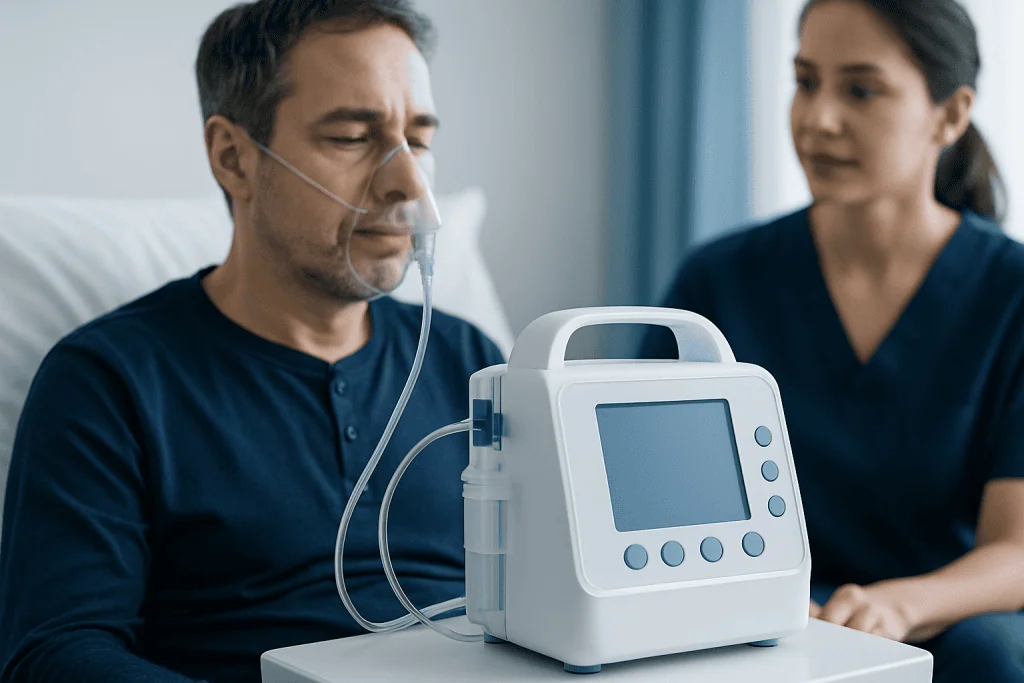
Home treatment is generally appropriate for otherwise well adults and older children with mild cold-like symptoms who are breathing normally and are able to eat or drink enough. It is not a substitute for medical evaluation when pneumonia, influenza, COVID-19, an asthma flare, chronic obstructive pulmonary disease (COPD) exacerbation or another more serious condition may be present.
A practical home-care plan begins with rest and fluids. Water, soup, warm drinks and oral rehydration fluids can be useful choices, especially if fever or reduced appetite is present. People can then target troublesome symptoms: saline rinses or sprays may relieve nasal congestion, warm fluids may soothe the throat, and honey may reduce cough in adults and children over 1 year of age. Honey should never be given to infants under 12 months.
For fever, aches or sore throat, a pharmacist or clinician can advise whether an over-the-counter pain or fever medicine is appropriate. Decongestants, cough medicines and combination cold products are not suitable for everyone, including some people with high blood pressure, heart disease, glaucoma, prostate problems, pregnancy, or certain medication regimens. Children should only receive products recommended for their age and weight, and aspirin should not be given to children or teenagers with viral illnesses.
Most people should expect gradual improvement rather than an immediate change. Monitoring symptoms once or twice daily, including temperature if fever is present, can help identify whether recovery is progressing or medical advice is needed.
How can I tell if my respiratory infection is bacterial or viral?

It is often not possible to tell with certainty from symptoms alone. Viral infections commonly begin with a runny or blocked nose, sore throat, cough, fatigue, body aches and sometimes fever. Symptoms may peak over several days and then improve. Mucus that becomes yellow or green does not, by itself, prove that an infection is bacterial.
Bacterial infections are less common but may be suspected when symptoms are severe, persist longer than expected without improvement, improve and then become significantly worse, or are accompanied by specific findings on examination. Examples can include bacterial sinusitis, strep throat or bacterial pneumonia. A clinician may use a medical history, physical examination, throat swab, oxygen measurement, chest imaging or other tests when appropriate.
Antibiotics treat bacterial infections, not viruses. Taking antibiotics when they are not needed can cause side effects and contributes to antibiotic resistance. If a clinician prescribes an antibiotic, it should be taken exactly as directed, and the person should ask what symptoms or side effects require follow-up.
What is the fastest way to recover from a respiratory infection?
There is no instant cure for most viral respiratory infections. The fastest safe approach is to give the body the conditions it needs to recover: adequate sleep, regular fluids, nourishing food as tolerated, and reduced physical exertion while feverish or very fatigued. Avoiding smoking, vaping and secondhand smoke is especially important because these irritate inflamed airways.
Symptom relief can make rest easier. A cool-mist humidifier, warm shower steam or saline nasal spray may ease nasal dryness and congestion. Warm liquids, throat lozenges for age-appropriate individuals and honey for people older than 1 year may relieve throat discomfort or cough. Humidifiers should be cleaned according to the manufacturer’s instructions to reduce mold and germ buildup.
People should avoid doubling up on ingredients in combination cold and flu products. For example, more than one product may contain the same pain reliever or decongestant. A pharmacist can help select a simple, appropriate option, particularly for people with long-term health conditions or those taking prescription medicines.
Can you heal from a respiratory infection without antibiotics?
Yes. Most respiratory infections are viral, and people usually recover without antibiotics. Supportive care can control symptoms while the immune system clears the virus. Depending on the cause, antiviral medicines may be considered for some people with influenza or COVID-19, particularly those at higher risk of complications, but these are different from antibiotics and are most effective when started promptly.
Antibiotics may be needed if a clinician identifies or strongly suspects a bacterial infection. They are not a routine treatment for colds, most sore throats, uncomplicated acute bronchitis or most cases of cough. Using them only when indicated helps preserve their effectiveness and reduces avoidable adverse effects such as diarrhea, rash or allergic reactions.
If symptoms are not improving, are returning after initial improvement, or are becoming more severe, a clinician can determine whether testing or a different treatment approach is needed. People should not use leftover antibiotics or antibiotics prescribed for someone else.
How long does a respiratory infection take to start?
The time between exposure to a germ and the first symptoms is called the incubation period. It varies by infection. Common cold symptoms often begin about one to three days after exposure, while influenza symptoms commonly begin around one to four days afterward. COVID-19 may begin several days after exposure, although the timing can vary by variant and individual.
Once symptoms start, many mild viral infections improve within about one to two weeks. A cough can last longer because the airways may remain sensitive after the infection itself has resolved. The pattern matters more than a single day count: gradual improvement is reassuring, whereas escalating fever, worsening breathing or a sharp decline after improvement deserves medical attention.
To reduce spread while ill, people should stay home when they have fever or feel unwell enough to limit normal activities, cover coughs and sneezes, wash hands, clean frequently touched surfaces and improve ventilation where possible. Local public health guidance can help with testing and return-to-work or school decisions for specific infections.
Benefits, limits and recovery timeline of home treatment
The main benefits of home treatment are comfort, hydration, sleep and the ability to monitor symptoms in a familiar setting. For uncomplicated viral illness, these measures are usually sufficient. Nasal symptoms and sore throat may start to settle within several days, while tiredness and cough can resolve more gradually.
Home care has limits. It cannot diagnose the cause of a respiratory illness or detect complications such as pneumonia without an assessment. Continuing ordinary activities too soon may worsen fatigue, and smoking or alcohol excess can interfere with hydration, sleep and airway recovery.
People with asthma, COPD, heart disease, weakened immunity, kidney disease or diabetes should follow any personalized sick-day or inhaler plan provided by their clinician. They should seek advice early if respiratory symptoms change their usual breathing, blood glucose control, ability to take medicines or fluid intake.
Acibadem International’s multidisciplinary specialists and JCI-accredited hospitals can assess respiratory symptoms and provide coordinated care for international patients when evaluation or treatment is needed.
When to seek medical care
Medical advice should be sought promptly for difficulty breathing, fast or labored breathing, chest pain or pressure, coughing up blood, bluish lips or face, confusion, fainting, severe weakness, dehydration, or an inability to keep fluids down. Emergency care is appropriate when these symptoms are severe or sudden.
A clinician should also be contacted for fever that is persistent or returns after improvement, symptoms that are worsening rather than gradually improving, a cough lasting longer than expected, or concern about pneumonia. Parents and caregivers should seek timely advice for infants, especially those under 3 months with fever, and for children who are struggling to breathe, unusually sleepy, not drinking, or producing fewer wet diapers.
Earlier assessment is sensible for adults aged 65 years and older, pregnant people, people with weakened immune systems, and those with chronic lung or heart conditions. Testing may be recommended when influenza, COVID-19 or another contagious infection is suspected, because targeted treatment and precautions may be time-sensitive.
Frequently asked questions
What should I do first for a respiratory infection at home?
Start with rest, regular fluids and simple symptom relief such as saline nasal spray, warm drinks and appropriate non-prescription medicine if suitable. Monitor how breathing, fever and overall energy change over time. Seek medical advice if symptoms are severe, worsening or not improving as expected.
Is a cough after a respiratory infection normal?
A cough can continue after other symptoms improve because airway inflammation and sensitivity may take time to settle. It should gradually become less frequent and less severe. Medical review is important if the cough is worsening, associated with breathlessness or chest pain, produces blood, or persists longer than expected.
Can I exercise while recovering from a respiratory infection?
Light activity may be reasonable once fever has resolved and energy is returning, but strenuous exercise should be postponed while a person feels unwell, feverish, dizzy or short of breath. Returning gradually is usually safer. People with chest symptoms or underlying heart or lung disease should ask a clinician for individual guidance.
Should I use antibiotics for a sore throat and cough?
Not usually, because many sore throats and coughs are caused by viruses. A clinician may recommend testing or antibiotics when there is evidence of a bacterial infection, such as strep throat or bacterial pneumonia. Antibiotics should only be used when prescribed for the current illness.
Can a humidifier help with respiratory infection symptoms?
A clean cool-mist humidifier may make dry nasal passages and throat irritation feel more comfortable for some people. It does not cure the infection, and it must be cleaned regularly to prevent mold or bacteria from growing. Saline nasal spray is another low-risk option for congestion and dryness.
When is a respiratory infection contagious?
Contagiousness depends on the cause, but many viral respiratory infections can spread shortly before symptoms begin and while symptoms are active. Hand hygiene, covering coughs, staying home when unwell and improving indoor ventilation can reduce transmission. Testing and local health guidance may provide more specific advice for infections such as influenza or COVID-19.
References
- World Health Organization
- Centers for Disease Control and Prevention
- National Health Service
- American Lung Association
- Mayo Clinic
This article is for general information only and is not a substitute for professional medical advice. Please consult a qualified doctor about your individual situation.
Explore treatments in Turkey — costs, top hospitals & a free quote
JCI-accredited · board-certified surgeons · reply within 24h
Add us as a Preferred Source to see more of our trusted health content across Google Search, AI Overviews and Discover.
Check your numbers in seconds
BMI, calories, due date, blood pressure and 30+ more clinical calculators — free, instant, doctor-reviewed ranges.

More from the Health Library



Related Specialists

Prof. Dr. Deniz Ulaş Uğur
Gynecology & Obstetrics
Dr. Nalyan Shener Gulagiz
Emergency Service
Prof. Dr. Ömer Fatih Ölmez
Medical Oncology
Dr. Alp Er Tunga Bölükbaşı
Orthopedic Surgery & Traumatology