Broccoli Is Good for Weight Loss: What Patients Need to Know
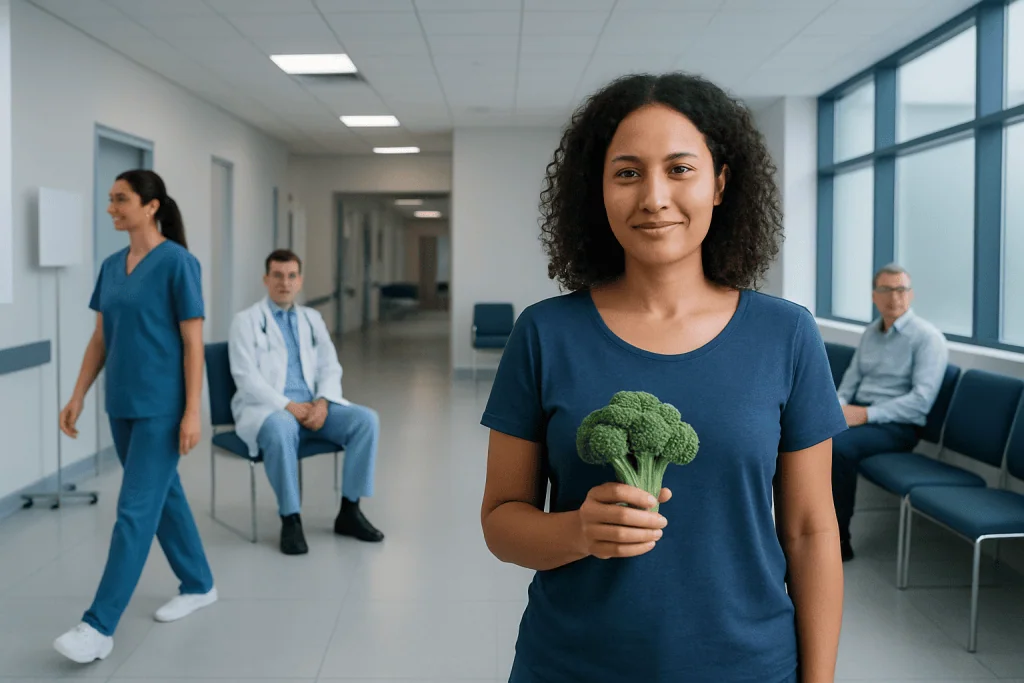
Broccoli is naturally low in calories and contains fiber, which may help a person feel full after eating. Its water-rich, high-volume texture can help replace more energy-dense side dishes in meals.
Key Takeaways
- Broccoli is naturally low in calories and contains fiber, which may help a person feel full after eating.
- Its water-rich, high-volume texture can help replace more energy-dense side dishes in meals.
- Preparation matters: steaming, roasting with modest oil or eating it raw usually adds fewer calories than creamy sauces or deep-frying.
- Lasting weight changes depend on overall eating patterns, activity, sleep, health conditions and individual needs.
- Persistent unintentional weight loss, major digestive symptoms or concerns about eating should be assessed by a clinician.
Broccoli can be a helpful food for weight management because it provides volume, fiber and important nutrients with relatively few calories. It does not cause weight loss on its own, but it can support satisfying, balanced meals and sustainable eating habits.
Is broccoli good for weight loss?
Yes, broccoli is good for weight loss support because it is low in calories, contains fiber and water, and can make meals feel more substantial. It is not a fat-burning food and cannot produce weight loss by itself, but it can be a useful choice within an overall eating pattern that matches a person’s health needs and energy goals.
Weight management is influenced by many factors, including usual food intake, physical activity, sleep, stress, medications, hormones and medical conditions. Rather than relying on one food, people generally benefit from building meals around vegetables, protein-rich foods, minimally processed carbohydrates and healthy fats in suitable portions.
Broccoli belongs to the cruciferous vegetable family, alongside cauliflower, cabbage, kale and Brussels sprouts. It can be eaten raw or cooked and is easy to include in soups, salads, grain bowls, omelets, stir-fries and side dishes.
Why broccoli may support a healthy weight
Broccoli has a low energy density, meaning it provides relatively few calories for the amount of food on the plate. Foods with low energy density may help people enjoy satisfying portions while managing overall calorie intake. Adding broccoli to a meal can therefore be more filling than choosing a smaller portion of a calorie-dense side dish.
Its dietary fiber supports fullness and contributes to regular bowel habits. Fiber-containing foods typically take longer to eat and may slow digestion compared with highly refined foods. This does not eliminate hunger or replace balanced meals, but it can make a planned eating pattern easier to maintain.
Broccoli also supplies nutrients such as vitamin C, vitamin K, folate and potassium, as well as plant compounds found in cruciferous vegetables. During intentional weight loss, choosing nutrient-dense foods is important because overall food intake may be lower. Variety remains essential, since no single vegetable provides every nutrient the body needs.
- Use broccoli to add bulk and color to lunch or dinner.
- Pair it with protein, such as beans, fish, eggs, yogurt or lean poultry, for a more satisfying meal.
- Include a source of healthy fat, such as olive oil, nuts or seeds, in an amount that fits the overall meal plan.
Broccoli nutrition and portion considerations

A serving of broccoli is rich in nutrients while being relatively modest in calories. Both the florets and the peeled, tender parts of the stalk are edible. Fresh and frozen broccoli can both be nutritious choices; frozen vegetables are often convenient, keep well and may make regular vegetable intake easier.
The best portion is not the same for everyone. Appetite, body size, activity level, medical conditions and the foods eaten alongside broccoli all matter. A practical approach is to make non-starchy vegetables such as broccoli a substantial part of the plate, while also including enough protein and carbohydrate to meet personal needs.
Cooking changes texture and flavor more than it changes broccoli’s basic role in a balanced diet. Light steaming, microwaving, roasting and quick stir-frying are common options. Very long boiling may reduce some water-soluble vitamins, while roasting or sautéing can increase calories if large amounts of oil, butter, cheese or sugary sauces are used.
How to include broccoli in weight-conscious meals
Broccoli is most helpful when it replaces, rather than simply adds to, higher-calorie foods. For example, a person might serve roasted broccoli alongside a protein and a whole-grain food instead of choosing a large portion of fries, creamy pasta or other heavily processed side dishes. The aim is a satisfying meal, not unnecessary restriction.
For breakfast or lunch, chopped broccoli can be added to an egg dish, soup, salad or wrap. For dinner, it can be steamed with lemon, roasted with herbs, or combined with beans and whole grains. Raw broccoli with a yogurt-based dip can also be a crunchy snack, although some people find cooked broccoli easier to digest.
Flavoring matters for long-term consistency. Herbs, garlic, lemon, vinegar, spices and small amounts of olive oil can make broccoli enjoyable without turning it into a high-calorie dish. Cream-based sauces, large quantities of cheese and deep-frying can still fit occasionally, but they substantially change the calorie content of the final meal.
People seeking structured support for healthy weight changes may benefit from discussing nutrition, activity and medical history with a qualified clinician. In some circumstances, a specialist evaluation for weight loss surgery may be appropriate, but surgery is not a substitute for individualized nutrition and long-term follow-up.
Digestive effects and people who may need caution
Broccoli can cause gas, bloating or abdominal discomfort in some people, particularly when eaten in large amounts or introduced suddenly. This is often related to its fiber and fermentable carbohydrates. Starting with smaller portions, cooking it thoroughly and increasing intake gradually may improve tolerance.
Individuals with irritable bowel syndrome or other digestive disorders may be sensitive to certain high-fiber foods. They do not necessarily need to avoid broccoli completely, but portion size and preparation may need adjustment with guidance from a doctor or registered dietitian. Ongoing symptoms should not be assumed to be caused only by a particular food.
Broccoli is high in vitamin K, which is relevant for people taking warfarin and some other anticoagulant medicines. Consistent intake of vitamin K-containing foods is usually more important than avoiding them, but medication changes or major dietary changes should be discussed with the prescribing clinician. People with kidney disease, thyroid disease or a prescribed therapeutic diet should also seek personalized advice before making major diet changes.
A realistic approach to healthy weight management
Long-term weight management is generally more successful when changes are gradual, realistic and enjoyable. Broccoli can support this approach, but it works best alongside regular meals, adequate protein and fiber, hydration, movement that is appropriate for the individual, and sufficient sleep. Extreme diets and eliminating whole food groups without medical advice are rarely necessary.
Tracking hunger, fullness and meal patterns can help a person notice whether vegetables are making meals more satisfying. It may also help to plan easy options in advance, such as keeping frozen broccoli available or preparing several portions at once. Small habits repeated consistently are usually more valuable than short-term dietary rules.
Weight gain or difficulty losing weight can sometimes be related to a medical condition, medications or changes in mental health. A clinician can assess the broader picture and, where needed, discuss safe options for obesity treatment. Acibadem International’s multidisciplinary specialists and JCI-accredited hospitals can assess and treat weight-related health concerns for international patients.
When to seek medical care
A person should speak with a doctor if they have unexplained weight loss, rapid weight gain, persistent fatigue, changes in appetite, ongoing constipation or diarrhea, recurrent abdominal pain, vomiting, blood in the stool, or difficulty swallowing. These symptoms have many possible causes and deserve appropriate medical assessment rather than self-treatment with dietary changes alone.
Medical advice is also important for anyone with an eating disorder or distressing thoughts about food, weight or body image. Support can be tailored to physical and emotional health, and early help can be beneficial. Children, adolescents, pregnant people, older adults and people with chronic illness should avoid restrictive weight-loss plans unless they have individualized professional guidance.
For most adults, eating broccoli as part of varied meals is safe and healthful. If it repeatedly triggers significant digestive discomfort or conflicts with a prescribed diet or medication plan, a doctor or dietitian can help identify suitable alternatives.
Frequently asked questions
Can eating broccoli every day help with weight loss?
Eating broccoli regularly may support weight loss when it replaces more calorie-dense foods and is part of an overall balanced eating pattern. It is filling and nutrient-dense, but no food alone causes meaningful or lasting weight loss. Variety is still important for meeting nutritional needs.
Is raw or cooked broccoli better for weight loss?
Both raw and cooked broccoli can fit well into a weight-conscious diet. Raw broccoli is crunchy and convenient, while cooked broccoli may be easier for some people to digest. The cooking method and added ingredients usually matter more than whether it is raw or cooked.
Does broccoli burn belly fat?
Broccoli does not specifically burn belly fat or target fat loss from one body area. Changes in body fat distribution are influenced by genetics, hormones and overall energy balance. Broccoli can support satisfying, lower-calorie meals as part of a broader health plan.
What is the healthiest way to cook broccoli?
Steaming, microwaving, roasting and quick stir-frying are all practical methods that preserve broccoli’s value as a nutritious vegetable. Using herbs, spices, lemon or a modest amount of olive oil can add flavor. Heavy cheese sauces, large amounts of butter or deep-frying add more calories.
Can broccoli cause bloating?
Yes. Broccoli contains fiber and fermentable carbohydrates that can cause gas or bloating in some people, especially after a large portion. Smaller servings, gradual increases and cooked preparations may improve tolerance; persistent symptoms should be discussed with a clinician.
Should people taking blood thinners avoid broccoli?
People taking warfarin should not make sudden large changes to their intake of vitamin K-rich foods, including broccoli, without advice from their healthcare professional. Consistency is often the key, rather than complete avoidance. Other blood thinners may have different considerations, so individualized guidance is important.
References
- World Health Organization
- Centers for Disease Control and Prevention
- Academy of Nutrition and Dietetics
- National Institutes of Health Office of Dietary Supplements
- U.S. Department of Agriculture
This article is for general information only and is not a substitute for professional medical advice. Please consult a qualified doctor about your individual situation.
Medical weight-loss options in Turkey — costs & eligibility
JCI-accredited · board-certified surgeons · reply within 24h
Add us as a Preferred Source to see more of our trusted health content across Google Search, AI Overviews and Discover.
Check your numbers in seconds
BMI, calories, due date, blood pressure and 30+ more clinical calculators — free, instant, doctor-reviewed ranges.