Bruised cervix: Symptoms, Causes, and Treatment — Complete Patient Guide

A bruised cervix is not usually dangerous, but it can be uncomfortable and may cause pain, cramping, or light bleeding. Common triggers include deep penetration during sex, pelvic procedures, and pressure from certain devices or products.
Key Takeaways
- A bruised cervix is not usually dangerous, but it can be uncomfortable and may cause pain, cramping, or light bleeding.
- Common triggers include deep penetration during sex, pelvic procedures, and pressure from certain devices or products.
- Symptoms often improve over several days with rest and avoidance of further irritation.
- Heavy bleeding, fever, severe pain, foul-smelling discharge, or symptoms that do not improve need medical assessment.
- A clinician may check for other causes such as infection, cervical inflammation, or structural gynecologic conditions.
A bruised cervix is a painful irritation or minor injury to the cervix, often caused by deep pressure during sex, pelvic exams, or use of menstrual products. It can lead to deep pelvic pain, cramping, and light spotting, and while it often settles with time, persistent or severe symptoms should be assessed by a doctor.
Overview
A bruised cervix refers to temporary soreness or minor tissue injury of the cervix, the lower part of the uterus that opens into the vagina. It most often happens when the cervix is exposed to repeated or forceful pressure, such as deep penetration during sex, insertion of a device, or a pelvic examination. People may describe it as a deep ache, sharp internal pain, or cramping that starts during or after the trigger.
Although the term is commonly used, it is not always a formal diagnosis on its own. In practice, clinicians also consider other explanations for the same symptoms, including cervical inflammation, infection, vaginal tearing, pelvic floor muscle tension, endometriosis, or conditions involving the uterus or ovaries. This is why symptoms that are intense, prolonged, or unusual should not be assumed to be only a bruise.
In many cases, a bruised cervix improves on its own over a few days as the tissue settles and inflammation decreases. During that time, avoiding further irritation and monitoring for warning signs is usually recommended. If symptoms recur frequently, an underlying issue may need evaluation, such as cervical changes or other gynecologic conditions.
Symptoms and what they may feel like
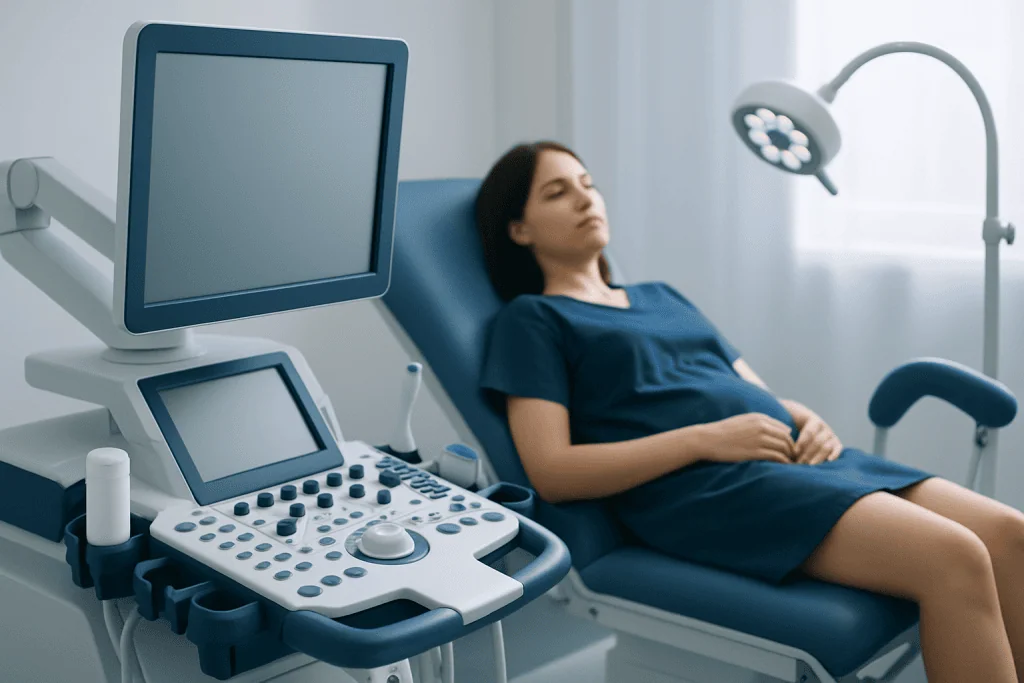
The most common symptom of a bruised cervix is deep pelvic pain, especially a pain that feels internal rather than near the vaginal opening. Some people notice discomfort during intercourse, with certain positions, or when sitting down soon afterward. Others describe a dull ache low in the pelvis that comes in waves, similar to menstrual cramps.
Light spotting can happen because the cervix has a rich blood supply and is sensitive to pressure. Small amounts of pink, red, or brown discharge after intercourse or a pelvic exam may occur. Mild lower back discomfort, pelvic heaviness, or a sense of tenderness during movement can also be present.
Symptoms that are less typical for a simple bruise include fever, chills, foul-smelling discharge, heavy bleeding, severe one-sided pelvic pain, or pain that worsens instead of gradually easing. These may suggest infection, a more significant injury, or another gynecologic problem. In some situations, doctors may also assess for conditions such as endometriosis if deep pain with sex is a repeated problem rather than a one-time event.
Common causes and risk factors
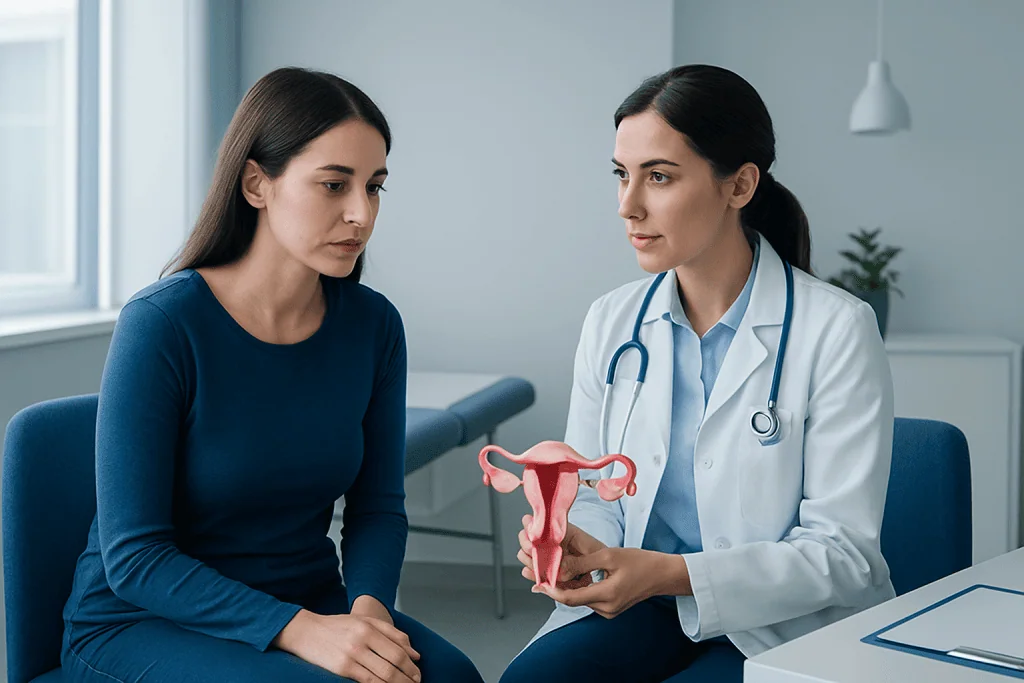
Deep pressure during penetrative sex is one of the most common reasons people think they may have bruised their cervix. Certain positions, forceful thrusting, inadequate lubrication, or sex soon after childbirth or a gynecologic procedure can make the cervix more sensitive. The same can happen with sex toys if they are inserted deeply or used without enough control or comfort.
Other possible causes include pelvic examinations, cervical screening tests, insertion or removal of an intrauterine device, or use of menstrual cups if insertion causes pressure or discomfort. Childbirth and postpartum healing may temporarily increase cervical tenderness. Cervical tissue can also be more sensitive at certain times of the menstrual cycle.
Some factors can increase the chance of pain or make a minor injury feel more intense. These include vaginal dryness, anxiety-related pelvic floor tightening, menopause-related tissue changes, recent surgery, and conditions that make the pelvis more sensitive. If discomfort with penetration is frequent, clinicians may evaluate for inflammation, infections, pelvic floor dysfunction, or fibroids. In selected cases, imaging such as MRI or ultrasound may help look for other causes of pelvic pain.
How doctors diagnose the cause
There is no single test that proves a bruised cervix in every case. Diagnosis usually begins with a careful discussion of symptoms, when they started, what triggered them, whether there is bleeding, and whether there are signs of infection or pregnancy. A doctor may ask about menstrual history, contraception, past gynecologic conditions, and whether pain with sex has happened before.
A physical and pelvic examination may be recommended if symptoms are ongoing, severe, or unclear. During the exam, a clinician can check for cervical tenderness, visible irritation, vaginal tears, discharge, and signs of infection or other abnormalities. If there is unexplained bleeding or a concern about cervical health, cervical screening or further assessment may be advised.
Additional tests depend on the situation. These may include a pregnancy test, swabs for sexually transmitted infections, urine testing, blood work, or pelvic imaging. The goal is not only to confirm that the cervix is irritated, but also to rule out more important causes of pain and bleeding. If a procedure is needed, options such as colposcopy may be used when the cervix needs closer examination.
Treatment and recovery
Most mild cases are managed with time and symptom relief. Resting the area by avoiding penetrative sex, tampons, menstrual cups, or anything else that causes pressure can help the tissue recover. Many people find that symptoms settle over several days, although healing may take longer if there has been repeated irritation.
General pain relief may include a warm compress or heating pad on the lower abdomen and over-the-counter pain medicines if they are appropriate for the individual. Hydration, gentle activity, and avoiding anything that triggers pain can also support recovery. If vaginal dryness contributed to the problem, a doctor may suggest ways to improve comfort during sex, such as using adequate lubrication and increasing arousal time.
Treatment changes if another cause is found. Infections may need prescription medication, significant tears may need direct medical care, and recurrent deep pelvic pain may lead to treatment for an underlying gynecologic condition rather than the cervix alone. If symptoms are linked to structural issues or chronic pelvic pain, a gynecologist can advise on tailored care. Near the end of the care pathway, patients may also wish to know that Acibadem International’s multidisciplinary specialists and JCI-accredited hospitals diagnose and treat gynecologic concerns for international patients.
Self-care, prevention, and sexual comfort
Prevention often focuses on reducing pressure on the cervix and paying attention to comfort signals. During sex, it may help to go slowly, communicate clearly, stop if there is sharp pain, and choose positions that allow better control of depth. Using enough lubrication can reduce friction and make penetration more comfortable, especially if dryness has been an issue.
After a recent pelvic procedure, childbirth, or infection, allowing the body enough recovery time can lower the chance of irritation. Menstrual cups, tampons, and sex toys should be inserted carefully and stopped if they cause pain. If discomfort happens repeatedly with products or penetration, it is sensible to ask a clinician to check for pelvic floor tension, cervical sensitivity, or other causes.
People who have repeated spotting after sex or recurring deep pain should not simply self-diagnose a bruised cervix each time. Ongoing symptoms deserve assessment because recurrent pain can be caused by cervical inflammation, hormonal dryness, endometriosis, fibroids, or other conditions that may benefit from treatment. Prevention is not only about avoiding triggers, but also about identifying patterns that point to a treatable underlying problem.
When to seek medical care
Medical advice is recommended if pelvic pain is severe, lasts more than a few days, or keeps returning. It is also important to seek care if there is heavy bleeding, bleeding during pregnancy, dizziness, fainting, or pain that makes normal activity difficult. These symptoms are not typical of a simple mild bruise and should be assessed promptly.
Urgent evaluation is needed for fever, chills, foul-smelling discharge, severe abdominal pain, or significant pain after a medical procedure or device insertion. These symptoms can point to infection, a larger injury, or another urgent gynecologic issue. If pregnancy is possible, sudden pelvic pain and bleeding should be discussed with a doctor without delay.
Even when symptoms seem mild, an appointment can be helpful if there is anxiety about what happened or uncertainty about whether the pain is coming from the cervix. Reassurance, an examination when appropriate, and advice on recovery can help prevent ongoing discomfort and address any underlying problem early.
Frequently asked questions
How long does a bruised cervix last?
A mild bruised cervix often improves within a few days, especially if further irritation is avoided. Some people may notice tenderness or cramping for a little longer. If symptoms are not clearly improving or keep returning, a medical review is advisable.
Can a bruised cervix cause bleeding?
Yes, it can cause light spotting because cervical tissue is delicate and has a good blood supply. The bleeding is usually small in amount and short-lived. Heavy bleeding or bleeding that continues should be assessed by a clinician.
Is it safe to have sex with a bruised cervix?
It is usually better to avoid penetrative sex until the pain has settled. Continued pressure may worsen irritation and prolong healing. If pain during sex is a repeated problem, a doctor can help look for an underlying cause.
Can a tampon or menstrual cup bruise the cervix?
They can contribute to discomfort if inserted deeply or if the cervix is already sensitive, but they are not a common cause of significant cervical injury when used correctly. If pain occurs with insertion or removal, it is best to stop and seek advice if the problem continues. Proper sizing and careful technique may help prevent recurrence.
How can someone tell the difference between a bruised cervix and an infection?
A bruised cervix more often causes deep tenderness, cramping, and possibly light spotting after a clear trigger such as intercourse or an exam. Infection may also cause pain, but it is more likely to come with fever, unusual discharge, odor, or worsening symptoms. Because the signs can overlap, persistent symptoms should be checked by a healthcare professional.
Should someone see a doctor after spotting following sex?
Occasional light spotting can happen after cervical irritation, but it should not be ignored if it happens repeatedly. Recurrent bleeding after sex can have several causes, including inflammation, infection, or cervical changes. A doctor can determine whether testing or an examination is needed.
References
- American College of Obstetricians and Gynecologists
- National Health Service
- Mayo Clinic
- Merck Manual Consumer Version
This article is for general information only and is not a substitute for professional medical advice. Please consult a qualified doctor about your individual situation.
Explore treatments in Turkey — costs, top hospitals & a free quote
JCI-accredited · board-certified surgeons · reply within 24h

More from the Health Library



Related Specialists

Prof. Dr. Elif Eroğlu Büyüköner
Cardiology
Dr. Mustafa Karaboğa
Anesthesiology
Prof. Dr. Ufuk Demirkılıç
Cardiovascular Surgery
Dr. Dilara Akman
Infectious Diseases & Clinical Microbiology