

Burning Sage: What Patients Need to Know

Burning sage is a cultural and personal practice, not a proven medical therapy. The main health risk comes from smoke, which may trigger coughing, asthma symptoms, or eye irritation.
Key Takeaways
- Burning sage is a cultural and personal practice, not a proven medical therapy.
- The main health risk comes from smoke, which may trigger coughing, asthma symptoms, or eye irritation.
- People with asthma, COPD, allergies, pregnancy-related sensitivities, or infants at home should be especially cautious with indoor smoke.
- Good ventilation, fire safety, and avoiding prolonged exposure can reduce risk.
- Persistent breathing problems, wheezing, chest tightness, or severe irritation after smoke exposure should be assessed by a clinician.
Burning sage is a traditional practice used in some cultures and households for ritual, scent, or a sense of calm. For most people, the main health consideration is smoke exposure: while some may find the ritual soothing, burning sage is not a medical treatment and can irritate the airways, eyes, or skin in sensitive individuals.
Overview: What burning sage means for health
Burning sage usually refers to lighting dried sage leaves or a sage bundle so that it smolders and releases fragrant smoke. Some people use it as part of spiritual or cultural traditions, while others use it simply because they enjoy the scent or the calming routine. From a health perspective, the most important point is that burning sage creates indoor smoke, and smoke can affect the body even when the smell seems mild.
There is limited high-quality medical evidence showing that burning sage provides direct health benefits. Some people report feeling more relaxed, focused, or emotionally settled during the ritual, which may reflect the effects of mindfulness, quiet breathing, and a familiar sensory experience. Those benefits can be meaningful on a personal level, but they should not be confused with treatment for anxiety, infection, breathing disease, or any other medical condition.
For many healthy adults, brief and well-ventilated exposure may cause little or no trouble. However, people with respiratory conditions, young children, older adults, and anyone sensitive to smoke may develop irritation or worsening symptoms. Understanding both the personal appeal and the practical safety issues helps patients make informed choices.
Possible benefits and common reasons people burn sage
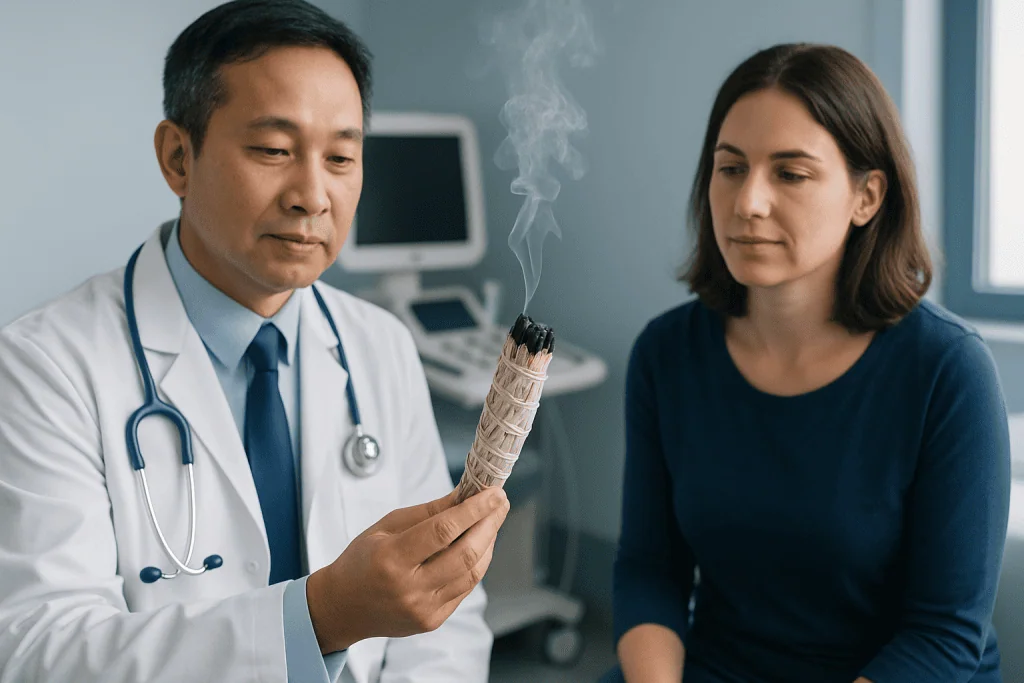
People choose burning sage for different reasons. Some use it as part of a spiritual or cultural practice intended to mark transitions, create a sense of cleansing, or support reflection. Others view it as an aromatically pleasant ritual that helps them slow down at the start or end of the day.
Any perceived benefit is usually related to the environment and the routine rather than a direct medical effect of the smoke. A quiet ritual can encourage slower breathing, stepping away from screens, and a feeling of order or comfort. These effects can support general well-being in some people, similar to other calming routines such as gentle stretching, meditation, or listening to music.
It is important to keep expectations realistic. Burning sage has not been proven to cure illness, remove toxins from the body, sterilize a home in a medically reliable way, or replace standard treatment. If a person is seeking symptom relief for ongoing stress, poor sleep, or low mood, supportive lifestyle strategies and professional care are safer and more effective paths when symptoms persist.
- Common reasons people burn sage include ritual or spiritual practice
- Creating a calming atmosphere at home
- Enjoying the herbal scent
- Pairing the ritual with mindfulness or reflection
Health risks of burning sage indoors

The main concern with burning sage is smoke inhalation. Any smoke contains tiny particles and gases that can irritate the nose, throat, eyes, and lungs. Even natural plant smoke is still smoke, and “natural” does not automatically mean risk-free. People may notice coughing, throat scratchiness, watery eyes, a headache, or a feeling of chest tightness during or after exposure.
For people with asthma or chronic lung disease, smoke can be more than an irritation. It may trigger wheezing, shortness of breath, or an asthma flare. Patients with ongoing breathing conditions such as asthma or COPD should be particularly careful with indoor smoke from candles, incense, fireplaces, or burning herbs.
There are also non-respiratory concerns. Direct contact with hot ash or a lit bundle can cause burns, and unattended embers create a fire risk. Fragrances and plant materials may irritate sensitive skin or trigger headaches in some people. Pets, infants, and people recovering from illness can also be more vulnerable to indoor air irritants.
Because symptoms such as persistent cough, wheezing, or breathlessness may have other causes, worsening symptoms should not simply be blamed on scent or smoke without evaluation. If breathing symptoms become recurrent, clinicians may recommend an assessment, lung function testing, or pulmonary function testing to better understand what is happening.
Who should be especially cautious
Some individuals are more likely to react to smoke exposure than others. This includes people with asthma, chronic bronchitis, emphysema, seasonal allergies, sinus disease, or a recent respiratory infection. If the airways are already inflamed, even a short period of smoke exposure can aggravate symptoms.
Pregnant people, newborns, infants, and older adults may also be more sensitive to indoor air pollution. In homes with babies or children, it is reasonable to avoid routine indoor smoke exposure when possible. People who get migraines, fragrance sensitivity, or watery, itchy eyes may also find that burning sage makes symptoms worse rather than better.
Anyone with a history of repeated cough, wheezing, or shortness of breath should pay attention to whether symptoms appear during or after exposure to smoke, incense, or strong scents. In some cases, this pattern can suggest airway sensitivity or an underlying respiratory issue. If symptoms are ongoing or unexplained, a clinician may consider further evaluation and, when appropriate, imaging such as chest X-ray alongside a full medical assessment.
How to use burning sage more safely
People who choose to burn sage can reduce risk by treating it like any other source of indoor smoke. Good ventilation matters. Opening windows, limiting the duration, and avoiding small enclosed rooms can help lower smoke concentration. It is also wise to keep the smoke away from the face and avoid deep inhalation.
Basic fire safety is essential. Use a heat-safe container, keep water or sand nearby to extinguish embers, and never leave burning sage unattended. Loose clothing, curtains, and paper should be kept away from the flame or smoldering bundle. After use, make sure the sage is fully extinguished before disposal.
Patients may also consider alternatives if they want the ritual without the smoke. A quiet mindfulness practice, a room spray that does not trigger symptoms, opening windows for fresh air, or simply keeping dried herbs unburned for fragrance may be gentler options. For people with chronic lung disease, avoiding indoor smoke entirely is often the safest choice.
- Burn sage only in a well-ventilated space
- Keep exposure brief and avoid repeated daily smoke if it causes symptoms
- Do not use around infants, pets, or people with active breathing problems
- Stop immediately if coughing, wheezing, eye irritation, or headache develops
When to seek medical care
Medical care is appropriate if symptoms after burning sage are more than mild or do not settle quickly once the smoke is gone. Seek prompt assessment for wheezing, chest tightness, shortness of breath, severe coughing, faintness, or swelling of the lips or throat. These symptoms can signal significant airway irritation or an allergic reaction and should not be ignored.
Patients should also speak with a doctor if they notice a pattern of recurrent coughing, worsening asthma control, frequent headaches triggered by smoke, or eye and sinus irritation that continues after exposure ends. These symptoms may suggest an underlying condition rather than a one-time reaction. Depending on the situation, clinicians may recommend evaluation by a lung specialist or allergy testing if sensitivity is suspected.
If someone has an open flame injury, a burn, or possible smoke inhalation from a larger indoor fire, emergency care may be needed. For routine health concerns, a clinician can help identify whether symptoms are related to smoke sensitivity, infection, asthma, reflux, or another cause. Acibadem International’s multidisciplinary specialists in JCI-accredited hospitals also diagnose and treat respiratory and allergy-related conditions for international patients.
A balanced view: ritual, comfort, and evidence-based care
Burning sage can be meaningful as a personal or cultural ritual, and many people value the sense of calm it brings. Respecting that practice is compatible with making health-based decisions about smoke exposure. The key is to understand that emotional comfort and medical treatment are not the same thing.
For patients managing stress, low mood, poor sleep, or ongoing physical symptoms, supportive habits can be helpful, but they work best alongside evidence-based care when needed. If symptoms are frequent, intense, or interfering with daily life, a qualified clinician can help identify the cause and discuss safer, more effective options.
In practical terms, burning sage is best viewed as a lifestyle choice that may suit some people but not others. Used thoughtfully and safely, it may be part of a calming routine. But if it triggers breathing, eye, or headache symptoms, stopping exposure and seeking medical advice is the safer and more health-conscious step.
Frequently asked questions
Is burning sage safe indoors?
It can be tolerated by some healthy adults in a well-ventilated space, but it still produces smoke and airborne particles. People with asthma, COPD, allergies, migraines, or sensitivity to scents may react more strongly and may be safer avoiding it indoors.
Does burning sage have proven medical benefits?
There is not strong medical evidence that burning sage treats disease or prevents infection in a reliable clinical sense. Some people may feel calmer or more centered during the ritual, but that is different from a proven medical treatment.
Can burning sage make asthma worse?
Yes. Smoke can irritate the airways and may trigger coughing, wheezing, chest tightness, or shortness of breath in people with asthma or other lung conditions. Anyone who notices worsening breathing symptoms should stop exposure and speak with a clinician.
What symptoms can burning sage cause?
Possible symptoms include watery eyes, throat irritation, coughing, headache, sinus discomfort, wheezing, or a feeling of chest tightness. Symptoms usually improve after exposure stops, but persistent or severe symptoms should be medically assessed.
Are there safer alternatives to burning sage?
Yes. People who want a calming routine may choose fresh air, meditation, quiet breathing exercises, or a non-irritating room fragrance instead of smoke. For those with lung disease or babies at home, smoke-free options are generally the better choice.
When should someone see a doctor after burning sage?
Medical advice is appropriate if symptoms are severe, keep returning, or do not improve after the smoke is gone. Urgent care is important for wheezing, significant shortness of breath, chest tightness, facial swelling, or signs of a burn or smoke inhalation injury.
This article is for general information only and is not a substitute for professional medical advice. Please consult a qualified doctor about your individual situation.
Explore treatments in Turkey — costs, top hospitals & a free quote
JCI-accredited · board-certified surgeons · reply within 24h
Add us as a Preferred Source to see more of our trusted health content across Google Search, AI Overviews and Discover.

More from the Health Library

Prebiotic Fiber: What Patients Need to Know

Desiccation: A Complete Medical Overview

Ginger Tea Stomach Acid — Explained by Medical Evidence, Not Myths

Healthy Vapes — Explained by Medical Evidence, Not Myths

Bergamot: What Patients Need to Know

Range of Motion: A Complete Medical Overview
Aesthetic Plastic & Reconstructive Surgery Specialists at Acibadem

Dr. Şenol Durukan
Aesthetic Plastic & Reconstructive Surgery
Dr. Serkan Tokgönül
Aesthetic Plastic & Reconstructive Surgery
Prof. Dr. Şükrü Yazar
Aesthetic Plastic & Reconstructive Surgery
Dr. Turgut Furkan Kuybulu
Aesthetic Plastic & Reconstructive Surgery