Burnout: A Complete Medical Overview

Burnout is more than ordinary tiredness; it is a prolonged stress response that can affect health and daily functioning. Common signs include exhaustion, irritability, poor concentration, sleep problems, and feeling detached or less effective.
Key Takeaways
- Burnout is more than ordinary tiredness; it is a prolonged stress response that can affect health and daily functioning.
- Common signs include exhaustion, irritability, poor concentration, sleep problems, and feeling detached or less effective.
- Burnout is not a medical diagnosis in the same way as depression or an anxiety disorder, but it can overlap with both and should be assessed carefully.
- Treatment focuses on reducing stressors, restoring sleep and recovery time, improving coping strategies, and addressing related mental or physical health concerns.
- Professional evaluation is important if symptoms are persistent, worsening, or affecting work, relationships, or safety.
Burnout is a state of physical, mental, and emotional exhaustion that develops after ongoing stress, often related to work, caregiving, or prolonged life demands. It can affect energy, concentration, sleep, motivation, and overall well-being, but recovery is possible with early recognition, supportive care, and practical changes.
Overview: what burnout means
Burnout is a state of physical, emotional, and mental exhaustion caused by ongoing stress that has not been managed successfully. It is often linked to the workplace, but it can also affect parents, students, caregivers, healthcare workers, and anyone under prolonged pressure. People with burnout may feel drained, overwhelmed, detached from their responsibilities, or less able to perform as they usually would.
Unlike a brief period of stress after a demanding week, burnout tends to build up gradually. A person may notice that rest no longer feels restorative, motivation is fading, and even routine tasks require more effort. Over time, the strain can affect mood, concentration, sleep, relationships, and physical health.
Clinically, burnout is not identical to a psychiatric diagnosis, but it deserves attention because it can overlap with conditions such as depression and anxiety disorders. A careful medical assessment helps distinguish burnout from other health problems and identify whether more than one issue is present.
How burnout can feel in daily life
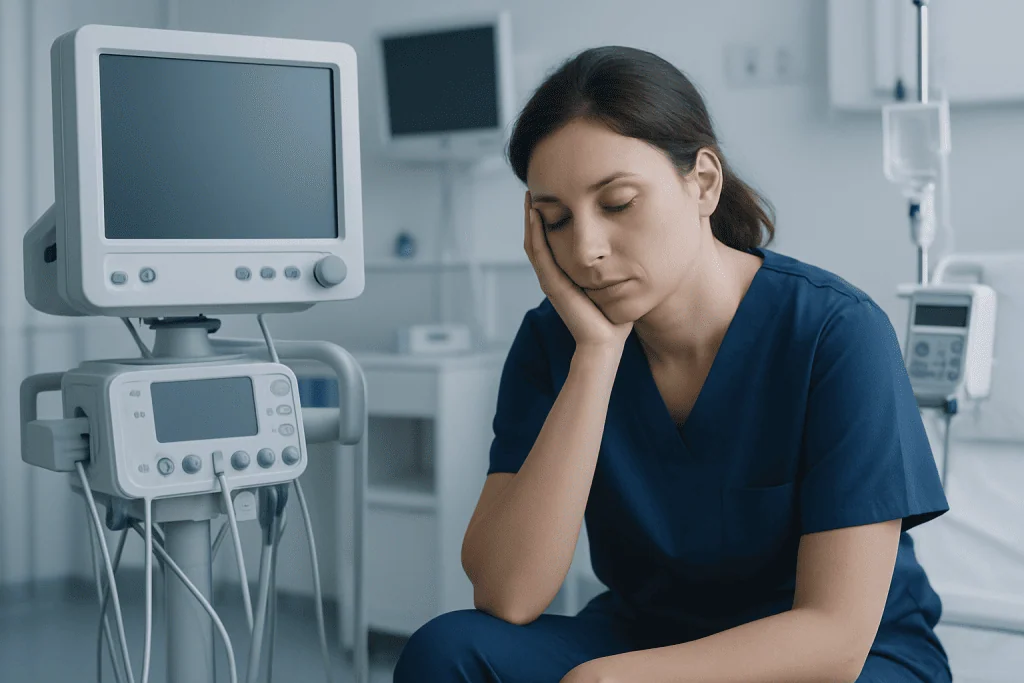
Burnout often shows up in three broad ways: exhaustion, detachment, and reduced effectiveness. Exhaustion may be physical, emotional, or both. Detachment can appear as cynicism, irritability, emotional numbness, or feeling disconnected from work, family, or responsibilities. Reduced effectiveness may be noticed as poor concentration, difficulty making decisions, increased mistakes, or a sense that nothing one does is good enough.
These changes can be subtle at first. Someone may begin skipping breaks, sleeping poorly, or feeling tense before the day even starts. As burnout progresses, the person may withdraw from activities they once enjoyed, procrastinate more, become short-tempered, or rely heavily on caffeine, alcohol, or screen time to get through the day.
Burnout can also affect the body. Persistent headaches, muscle tension, stomach discomfort, frequent minor illnesses, palpitations, and low energy are common complaints. Because these symptoms can also occur in many medical conditions, it is important not to assume stress is the only cause without proper evaluation.
Symptoms of burnout

The symptoms of burnout vary from person to person, but many people experience a combination of emotional, cognitive, behavioral, and physical effects. Symptoms usually develop over time rather than appearing all at once. Recognizing patterns early can make recovery easier.
- Ongoing tiredness or feeling depleted even after rest
- Sleep problems, such as insomnia or unrefreshing sleep
- Irritability, frustration, or a shorter temper than usual
- Loss of motivation, enjoyment, or sense of purpose
- Difficulty focusing, remembering details, or making decisions
- Feeling detached, cynical, or emotionally numb
- Reduced productivity or feeling ineffective despite effort
- Headaches, muscle tension, digestive upset, or more frequent minor illnesses
Not everyone with burnout has every symptom. Some people mainly notice emotional exhaustion, while others report more physical complaints or changes in work performance. In some cases, burnout may resemble chronic fatigue or coexist with sleep and mood problems, which is why individualized assessment matters.
Symptoms that include hopelessness, severe anxiety, panic attacks, thoughts of self-harm, or inability to function safely require prompt medical attention. These signs may point to a more urgent mental health condition rather than burnout alone.
Causes and risk factors
Burnout develops when demands remain high for a long time while recovery, support, or control are too limited. This imbalance can happen in many settings, including demanding jobs, caregiving roles, academic pressure, financial stress, or major life transitions. Often, burnout is not caused by one event but by repeated exposure to stress without enough time or resources to recover.
Work-related risk factors can include excessive workload, long hours, lack of autonomy, unclear expectations, insufficient recognition, value conflicts, poor team support, and difficulty separating work from personal time. In caregiving and family life, risk may rise when responsibilities are constant, emotionally heavy, or unsupported.
Personal factors can also influence vulnerability. People who are highly conscientious, perfectionistic, or inclined to take on too much may be more prone to burnout. Existing conditions such as sleep disorders, chronic pain, depression, anxiety, or untreated medical illness can make coping harder and worsen fatigue. Sometimes assessing related issues through specialties such as a comprehensive medical check-up or psychiatric evaluation and support is a helpful part of care.
How burnout is evaluated
There is no single lab test or scan that confirms burnout. Diagnosis begins with a detailed conversation about symptoms, work and life stressors, sleep, physical health, medications, alcohol or substance use, and mental well-being. A clinician will look at how long symptoms have been present and how strongly they affect daily life, safety, and functioning.
Because burnout can overlap with other conditions, evaluation may include screening for depression, anxiety, sleep disorders, thyroid problems, anemia, chronic infections, medication side effects, or other causes of fatigue and poor concentration. This step is important because treatment is most effective when underlying contributors are recognized rather than overlooked.
If physical symptoms are prominent, doctors may recommend examinations or basic tests to rule out medical causes. If emotional symptoms are significant, referral for mental health assessment may be appropriate. A careful evaluation does not minimize stress-related suffering; instead, it helps build a clear, safe, and realistic recovery plan.
Treatment and recovery options
Burnout treatment focuses on reducing ongoing stress, improving recovery, and treating any related medical or mental health conditions. For many people, the first step is identifying the main sources of strain and making practical changes where possible. This may involve adjusting workload, taking leave, improving boundaries, delegating tasks, or temporarily stepping back from nonessential commitments.
Supportive therapies can be very helpful. Psychological approaches such as cognitive behavioral therapy, stress-management counseling, and structured coping strategies may help a person recognize unhelpful patterns, regulate stress responses, and rebuild resilience. If burnout coexists with depression, anxiety, or severe insomnia, targeted treatment through psychological support or psychiatric care may be recommended.
Recovery also depends on restoring basic health habits. Regular sleep, balanced meals, hydration, light-to-moderate physical activity, and planned periods of rest are not minor details; they are part of treatment. For some individuals, a phased recovery works best, beginning with stabilization and rest, then gradually rebuilding routine, concentration, and confidence. Progress is often uneven, but many people improve with consistent support and realistic expectations.
Near the end of the care pathway, some patients benefit from coordinated assessment by multiple specialties, especially when symptoms involve both body and mind. Acibadem International’s multidisciplinary specialists and JCI-accredited hospitals diagnose and treat burnout-related concerns for international patients when broader evaluation is needed.
Self-care, prevention, and healthy boundaries
Preventing burnout is easier than recovering from severe exhaustion, but self-care alone cannot solve an unhealthy environment. Effective prevention usually combines personal strategies with changes in workload, schedule, support, or expectations. The goal is not to eliminate all stress, but to maintain a healthier balance between effort and recovery.
Helpful habits include protecting sleep, taking regular breaks, moving the body most days, spending time outdoors, and keeping some separation between work and personal time. Social support matters as well. Talking openly with trusted family, friends, supervisors, or colleagues can reduce isolation and make practical problem-solving easier.
Some people find it useful to notice early warning signs, such as increasing irritability, reduced concentration, skipped meals, or loss of interest in enjoyable activities. At that point, small changes may prevent deeper burnout. These can include limiting overtime, scheduling time off, reducing multitasking, and asking for help sooner rather than later.
If a person is responsible for others, such as a manager, parent, or caregiver, sustainable routines are especially important. Clear boundaries, realistic expectations, and regular recovery time can protect both well-being and performance over the long term.
When to seek medical care
Medical care is appropriate when symptoms are persistent, getting worse, or affecting work, study, caregiving, or relationships. A doctor can help determine whether burnout is the main issue or whether another medical or mental health condition is contributing. Seeking help early may shorten recovery time and reduce the risk of complications.
Prompt medical attention is especially important if there is chest pain, severe insomnia, panic symptoms, marked weight change, heavy alcohol or substance use, frequent crying, hopelessness, or thoughts of self-harm. These symptoms need urgent assessment and should not be managed alone.
People should also seek care if they feel unable to function safely, are making unusual errors, or cannot recover despite time off and rest. In these situations, professional support is not a sign of weakness; it is an important step toward restoring health and stability.
Frequently asked questions
Is burnout a medical diagnosis?
Burnout is recognized as a stress-related occupational phenomenon, but it is not the same as a formal psychiatric diagnosis such as major depression. Even so, its symptoms are real and can significantly affect health and daily functioning. A medical assessment helps determine whether burnout, another condition, or both are present.
How is burnout different from ordinary stress?
Ordinary stress is often short-term and may improve once the pressure passes. Burnout develops after prolonged, unresolved stress and is more likely to involve deep exhaustion, emotional detachment, and reduced effectiveness. People with burnout often feel that rest alone is no longer enough.
Can burnout cause physical symptoms?
Yes. Burnout can be associated with headaches, muscle tension, poor sleep, digestive upset, palpitations, and frequent minor illnesses. Because these symptoms can also signal other health conditions, it is important to discuss them with a doctor rather than assuming stress is the only cause.
How long does burnout recovery take?
Recovery time varies depending on symptom severity, the ongoing level of stress, sleep quality, general health, and access to support. Some people improve within weeks after meaningful changes, while others need longer and benefit from structured therapy or medical care. Recovery is often gradual rather than immediate.
Can burnout turn into depression?
Burnout and depression are different, but they can overlap and sometimes occur together. A person with burnout may develop persistent low mood, hopelessness, or loss of interest that suggests depression. If symptoms are severe or lasting, professional evaluation is important.
What is the best treatment for burnout?
The best treatment is individualized and usually combines reduced stress exposure, better recovery time, sleep support, practical changes in workload or responsibilities, and psychological support when needed. If depression, anxiety, insomnia, or a medical illness is also present, those issues should be treated as part of the plan. A healthcare professional can help guide the safest approach.
References
- World Health Organization
- National Institute of Mental Health
- Centers for Disease Control and Prevention
- Mayo Clinic
- American Psychological Association
This article is for general information only and is not a substitute for professional medical advice. Please consult a qualified doctor about your individual situation.
Explore treatments in Turkey — costs, top hospitals & a free quote
JCI-accredited · board-certified surgeons · reply within 24h
Add us as a Preferred Source to see more of our trusted health content across Google Search, AI Overviews and Discover.

More from the Health Library

Jealous: What Patients Need to Know
Allergic Shiners: A Complete Medical Overview

Heparin: A Complete Medical Guide for Patients

Burnt Toast Theory: A Complete Medical Overview

Lymph Nodes Behind Ear: An Evidence-Based Guide for Patients