

Busted Lip Treatment: How It Works, Results and What to Expect
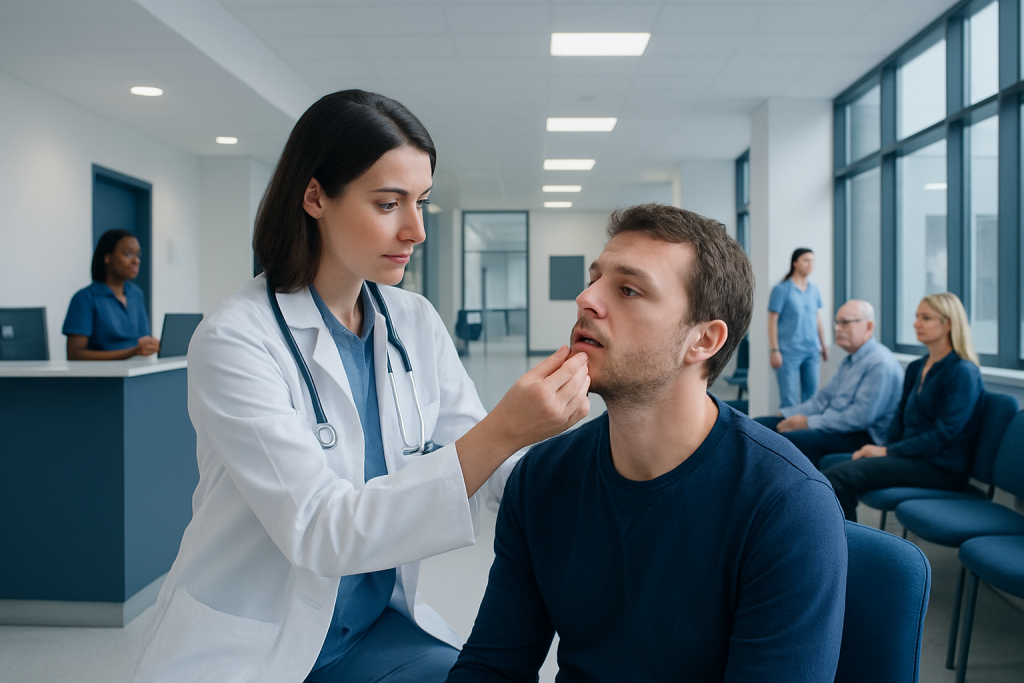
Most small lip cuts heal quickly because the lips have a rich blood supply. Pressure with clean gauze and a wrapped cold pack can help control bleeding and swelling.
Key Takeaways
- Most small lip cuts heal quickly because the lips have a rich blood supply.
- Pressure with clean gauze and a wrapped cold pack can help control bleeding and swelling.
- A cut crossing the lip border, exposing deeper tissue, or passing through the lip needs urgent clinical evaluation.
- White or pale tissue may be part of normal healing, but worsening pain, pus, fever, or spreading redness needs medical advice.
- Avoid picking scabs, smoking, and foods that irritate an inner-lip wound during recovery.
Busted lip treatment usually starts with gently cleaning the area, controlling bleeding, reducing swelling with a cold compress, and protecting the wound while it heals. Minor lip injuries often improve without procedures, but deep, gaping, contaminated, or through-and-through cuts may require prompt medical assessment and closure.
Busted Lip Treatment: What It Involves
Busted lip treatment depends on the depth, location, cleanliness, and cause of the injury. For a small split or cut, first aid is often enough: rinse the area gently, apply steady pressure with clean gauze or cloth, use a cold compress to limit swelling, and keep the wound protected. Lips can bleed more than expected because they contain many small blood vessels, but bleeding from a minor cut commonly settles with continuous pressure.
A clinician should assess a wound that is deep, gaping, crosses the edge where the red lip meets the skin, contains debris, results from an animal or human bite, or goes all the way through the lip. These injuries may need careful cleaning and closure with stitches, sometimes including absorbable stitches inside the mouth. Prompt assessment helps restore lip alignment and may reduce the chance of a noticeable scar.
It is also important to consider the cause of the injury. Falls, sports injuries, assaults, and vehicle accidents can affect the teeth, jaw, nose, or head as well as the lip. A healthcare professional may check for chipped or loose teeth, bite changes, jaw tenderness, and signs of concussion when appropriate.
How Busted Lip Treatment Works

The main goals of treatment are to stop bleeding, remove contaminants, support normal healing, preserve the natural lip contour, and prevent infection where risk is increased. A healthcare professional may numb the area with local anesthetic, irrigate the wound thoroughly, and examine its depth. If a wound needs closure, the edges are aligned precisely before stitches are placed.
Cuts involving the vermilion border, the distinct line between the colored portion of the lip and surrounding facial skin, require particular care. Even a small mismatch at this border can remain visible after healing. Depending on the injury, treatment may involve emergency medicine, plastic surgery, oral and maxillofacial care, or dental assessment. Plastic surgery assessment may be considered for complex facial wounds where meticulous repair is needed.
Not every lip cut should be stitched. Small, superficial wounds with well-approximated edges often heal safely with conservative care. A clinician weighs the benefits of closure against factors such as the time since injury, contamination, tissue loss, bite wounds, and the person’s overall health and tetanus vaccination status.
Who May Need a Procedure and What Happens Step by Step

Medical closure may be appropriate when the cut is open at rest, deeper than a surface scrape, continues through the lip, has uneven edges, or involves the lip border. Children may also need assessment after a mouth injury because teeth can penetrate the lip or gum. People taking medicines that affect bleeding, or those with diabetes or reduced immune function, should seek individualized advice after a significant cut.
During a repair, the clinician first checks for dental or facial injuries and asks about allergies, medicines, and tetanus protection. The wound is examined and washed with sterile fluid. Local anesthetic is usually used for a cooperative adult or older child; other approaches may be considered when necessary for safe, accurate repair.
The wound is then closed in layers if deeper tissues are involved. Dissolving stitches are commonly used on the moist inner surface of the mouth, while removable or dissolving stitches may be used on the outer lip depending on the wound. The clinician provides wound-care instructions, discusses pain relief options, and may recommend a tetanus vaccine update or other treatment based on the injury circumstances.
For injuries associated with damaged teeth, jaw pain, or a changed bite, a dental or oral and maxillofacial evaluation may be helpful. Dental trauma can occur alongside a lip injury and should not be overlooked.
How Long Does It Usually Take for a Busted Lip to Heal?
A minor busted lip often feels noticeably better within several days and usually heals in about one to two weeks. Small cuts inside the mouth may heal particularly quickly. Swelling is commonly greatest during the first 24 to 48 hours, then gradually decreases.
Deeper cuts, wounds requiring stitches, injuries with bruising, or wounds involving the outer skin may take longer. Although the surface may close within days to weeks, scar tissue can continue to soften and mature for several months. Healing can be slower in people who smoke, have poorly controlled diabetes, have nutritional difficulties, or develop an infection.
Follow-up timing depends on the type of closure and location of the wound. If non-dissolving stitches were used, the treating clinician will explain when they should be checked or removed. Patients should not pull at stitches or attempt to remove them themselves unless specifically instructed.
Does a Busted Lip Turn White When Healing?
A busted lip can appear white, pale, yellow-white, or slightly gray in places during healing, especially on the moist inner surface of the mouth. This may reflect fibrin, a normal healing material that forms over a wound, rather than pus. Temporary blanching can also occur when swelling changes circulation or when the lip has been exposed to cold.
However, color changes should be considered alongside other symptoms. A white area that is spreading, increasingly painful, associated with foul-smelling drainage, significant swelling, fever, or worsening redness should be reviewed by a clinician. Tissue that becomes dark purple, black, numb, or cold also needs urgent assessment, particularly after a crush injury.
It is best not to scrape away a pale layer from an inner-lip wound. This can restart bleeding and delay repair. Gentle oral hygiene and following the aftercare plan are safer ways to support healing.
How to Speed Up Busted Lip Healing
The safest way to support recovery is to protect the wound rather than trying to force faster healing. For a fresh injury, apply firm, continuous pressure with clean gauze for around 10 minutes without repeatedly checking it. A cold pack wrapped in cloth can be placed on the outside of the lip for short periods to reduce swelling. Ice should not be applied directly to the skin or lip.
After bleeding has stopped, gently rinse the mouth with clean water after meals if the cut is inside the lip. Keep the outside of the wound clean, and use only products recommended by a clinician. A simple protective ointment may be suitable for some external cuts, but people should avoid putting non-prescribed creams, alcohol, hydrogen peroxide, or harsh antiseptics into a wound because these can irritate healing tissue.
- Choose soft, cool foods if chewing is uncomfortable.
- Avoid spicy, acidic, very hot, or sharp foods that sting or reopen an inner-lip wound.
- Do not smoke or vape, as these can delay healing and irritate tissue.
- Avoid contact sports until swelling, pain, and the risk of reopening have passed; use appropriate mouth protection when returning.
- Rest, hydrate, and maintain balanced nutrition to support normal tissue repair.
Over-the-counter pain medicines may help some people, but the safest option depends on age, medical conditions, bleeding risk, and other medicines. A pharmacist or clinician can advise when needed.
How Does a Busted Lip Look When Healing?
In the first day or two, a healing busted lip may look swollen, red, bruised, and tender. A small scab can form on the outer lip or skin, while a moist wound inside the mouth may develop a pale protective coating rather than a dry scab. Mild tenderness and temporary tightness are common as the edges begin to close.
Over the next several days, swelling and bruising should gradually lessen. The wound may look pink or slightly raised as new tissue forms. An external cut may itch as it heals, but scratching, peeling a scab, or biting the area can reopen it. The final scar, if one develops, may initially look pink or firm before slowly fading and softening.
Healing should show an overall trend toward less pain, swelling, and drainage. Increasing pain, persistent bleeding, separation of the wound edges, new pus, or expanding redness are not expected recovery signs and should prompt medical advice.
When to Seek Medical Care
Urgent medical care is appropriate if bleeding does not stop after firm, uninterrupted pressure; the person has trouble breathing or swallowing; the wound is deep or widely open; or the cut crosses the lip border. Care is also needed for a through-and-through puncture, visible fat or muscle, missing tissue, a bite wound, a wound with glass or dirt embedded in it, or injury after a high-impact accident.
Prompt assessment is also recommended for loose, broken, or displaced teeth; severe jaw pain; inability to close the mouth normally; numbness; or symptoms after a head injury such as vomiting, confusion, severe headache, loss of consciousness, or unusual drowsiness. These concerns may require coordinated evaluation beyond the lip itself.
Seek medical advice during recovery if there is fever, spreading redness, warmth, worsening swelling, foul-smelling drainage, pus, or increasing pain. Acibadem International’s multidisciplinary specialists and JCI-accredited hospitals can assess facial, dental, and soft-tissue injuries for international patients when specialist care is needed.
Frequently asked questions
Should a busted lip be stitched?
A busted lip may need stitches if it is deep, gaping, passes through the lip, crosses the line between the lip and facial skin, or continues to bleed despite pressure. Small, superficial cuts with edges that stay together often do not need closure. A clinician should assess uncertain injuries as soon as possible.
Can I put ice directly on a busted lip?
Ice should not be placed directly on the lip or skin because it can cause cold injury. Instead, wrap a cold pack or ice in a clean cloth and apply it briefly to the outside of the lip. This may help reduce swelling and discomfort.
Is a white layer inside a cut lip normal?
A pale or white-yellow layer can be normal on a healing cut inside the mouth and may be fibrin, which supports wound healing. It should not be scraped off. Medical advice is needed if it occurs with worsening pain, foul drainage, fever, or spreading swelling and redness.
Can a busted lip become infected?
Yes, although many minor lip injuries heal without infection. Infection is more likely with contaminated wounds, bites, retained debris, delayed care, or certain health conditions. Increasing pain, redness, warmth, swelling, pus, fever, or an unpleasant smell should be assessed promptly.
What foods should be avoided with a cut inside the lip?
Spicy, acidic, salty, very hot, crunchy, or sharp foods may sting and irritate an inner-lip wound. Softer, cooler foods are often more comfortable while the area heals. Drinking enough water and rinsing gently with clean water after meals can help keep the mouth comfortable.
Will a busted lip leave a scar?
Many small lip injuries heal with little or no noticeable scarring. Deeper cuts, tissue loss, infection, repeated reopening, and injuries involving the lip border have a higher chance of a visible scar. Accurate early wound repair and careful aftercare can support the best possible cosmetic outcome.
References
- American Academy of Family Physicians
- American College of Emergency Physicians
- Mayo Clinic
- National Health Service
- Centers for Disease Control and Prevention
This article is for general information only and is not a substitute for professional medical advice. Please consult a qualified doctor about your individual situation.
Explore treatments in Turkey — costs, top hospitals & a free quote
JCI-accredited · board-certified surgeons · reply within 24h
Add us as a Preferred Source to see more of our trusted health content across Google Search, AI Overviews and Discover.

More from the Health Library



Related Specialists

Assoc. Prof. Dr. Emine Acar Akkaya
Nuclear Medicine
Assoc. Prof. Dr. Zuhal Atan Uçar
Internal Medicine
Dr. Hafsa Hicret Bülbül Göktaş
Neurology
Dr. Kamuran Mutluay
Pediatrics