Busted Lip: What Patients Need to Know

A busted lip usually heals well with prompt cleaning, cold compresses, and protection from further irritation. Medical care may be needed for deep cuts, ongoing bleeding, signs of infection, or concern about teeth, jaw, or facial injury.
Key Takeaways
- A busted lip usually heals well with prompt cleaning, cold compresses, and protection from further irritation.
- Medical care may be needed for deep cuts, ongoing bleeding, signs of infection, or concern about teeth, jaw, or facial injury.
- Small lip wounds can look dramatic because lips have a rich blood supply and may bleed more than expected.
- Children and adults should be checked after significant facial trauma for hidden dental or head injuries.
- Tetanus vaccination status may matter if the injury was caused by a dirty object or outdoor accident.
A busted lip is a common injury that often causes pain, swelling, and bleeding after a fall, sports impact, bite, or accident. Many cases improve with simple first aid, but some need medical or dental care, especially if the cut is deep, bleeding does not stop, or a tooth may be damaged.
Overview: what a busted lip means
A busted lip is a lip injury in which the soft tissue becomes bruised, swollen, cut, or split. It can happen after a fall, a sports collision, being hit in the mouth, accidentally biting the lip, or contact with a hard object. Because the lips contain many small blood vessels, even a minor injury can bleed a lot and look more serious than it is.
In many cases, a busted lip can be managed at home with gentle first aid. Cleaning the area, applying pressure to stop bleeding, using a cold compress, and avoiding foods that sting are often enough while the lip heals. However, not every lip injury is minor, and the mouth should also be checked for damage to the teeth, gums, tongue, and inside of the cheeks.
The location of the injury matters. A cut on the outside of the lip, a split that crosses the border between the lip and surrounding skin, or a wound inside the mouth may need different treatment. Injuries caused by major trauma can also occur with jaw fracture or a concussion, so symptoms beyond the lip itself should not be overlooked.
Common signs and symptoms
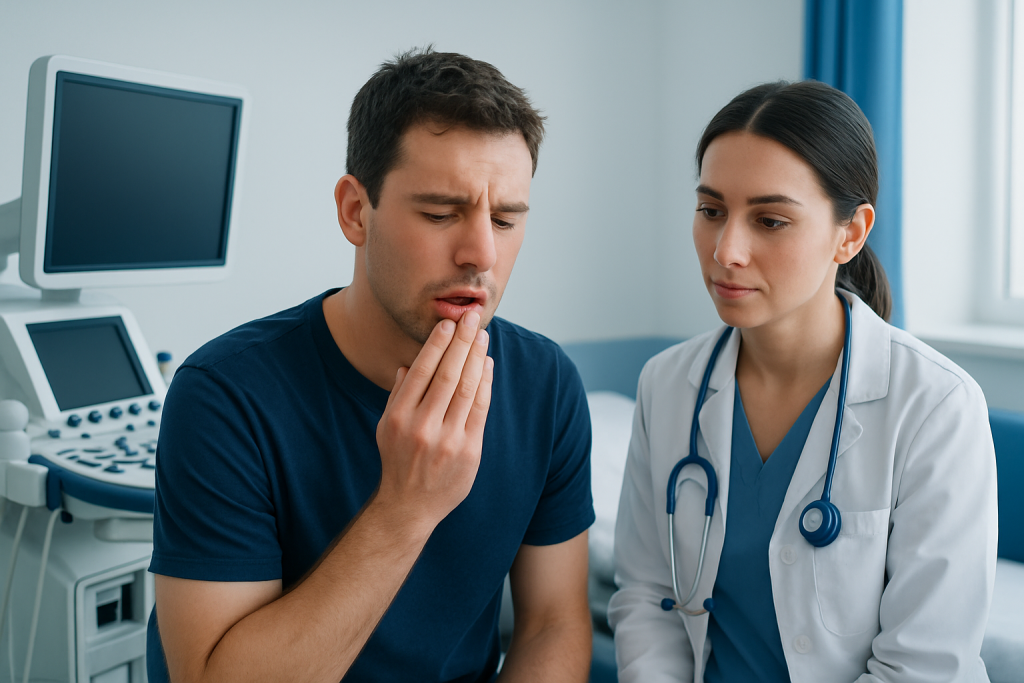
The most common symptoms of a busted lip are pain, swelling, tenderness, and bleeding. The area may feel warm, throb, or become stiff when speaking, smiling, or eating. A bruise may appear over the next several hours, and the lip may look larger than usual for one to three days.
Some injuries involve only the surface, while others create a deeper split. A person may notice a visible cut, a flap of tissue, or a break on the inside of the lip where the teeth made contact. If the lip was struck hard, there may also be loose teeth, gum bleeding, jaw pain, or difficulty closing the mouth normally.
It is also important to watch for symptoms that suggest a more than local injury. These can include dizziness, headache, vomiting, confusion, severe facial pain, or trouble opening the mouth. In children, crying, refusal to eat, excessive sleepiness, or a tooth pushed out of position should prompt a careful assessment.
- Bleeding from the lip or inside the mouth
- Swelling and tenderness
- A visible cut, split, or bruise
- Pain with eating, drinking, or talking
- Possible tooth, gum, or jaw injury after impact
What causes a busted lip and who is at risk

Most busted lips are caused by blunt trauma. Common examples include falls, sports injuries, playground accidents, bicycle crashes, physical contact during daily activities, and accidental self-biting during eating or after a dental anesthetic wears off. In toddlers and young children, lip injuries are especially common during early walking and running.
Risk can be higher in contact sports, rough play, and activities without protective gear. People with braces may also be more likely to develop lip cuts because metal edges can worsen injury during an impact. Dry or chapped lips may crack more easily, although a true busted lip usually follows a clear injury rather than dryness alone.
Not every swollen or sore lip is traumatic. Cold sores, allergic reactions, infections, burns from hot foods, and certain skin conditions can affect the lips and may look similar at first. When symptoms develop without a remembered injury, or when blisters, itching, or widespread swelling occur, another cause may need to be considered.
Sometimes a lip injury happens along with other mouth problems. For example, a blow to the face may damage a tooth and create a sharp edge that keeps cutting the lip, or swelling may become more noticeable when there is underlying dental abscess or gum disease. The cause helps guide the right treatment plan.
First aid and home care for a busted lip
The first step is to wash hands, then gently rinse the mouth or lip with clean water. If the lip is bleeding, steady pressure with clean gauze or a soft cloth for about 10 minutes often helps. Looking too soon can restart bleeding, so it is best to keep firm, continuous pressure unless the bleeding is heavy.
A cold compress or wrapped ice pack can reduce pain and swelling. It should be placed on the outside of the lip for short periods, such as 10 to 15 minutes at a time, with a cloth barrier to protect the skin. Sucking on ice chips or a cold ice pop may also soothe an inner lip injury in older children and adults.
Soft, cool foods are usually easier to tolerate for a day or two. Spicy, salty, acidic, or very hot foods can irritate the wound. Good oral hygiene matters during healing, but brushing should be gentle near the injured area. If there is a small cut inside the mouth, rinsing with plain water after meals can help keep food particles away from it.
Most minor lip injuries improve over several days. If there is a painful cut with irregular edges, a wound that keeps reopening, or concern about the shape of the lip as it heals, a clinician may evaluate whether repair is needed. In more severe cases, doctors may recommend wound closure, and some patients may need plastic and reconstructive surgery to restore both function and appearance.
How doctors diagnose and assess a lip injury
Diagnosis usually begins with a physical examination. A doctor looks at the size, depth, and location of the wound and checks whether it crosses the natural border of the lip. The inside of the mouth is also examined for hidden cuts, trapped debris, bleeding under the tissue, and damage to the gums, tongue, and cheeks.
Teeth and jaw alignment are important parts of the assessment. A clinician may check whether any teeth are chipped, loose, displaced, or tender. If the injury involved a hard blow, imaging may be considered to evaluate facial bones or teeth. Dental injuries can sometimes require coordination with specialists in dental treatment.
Doctors also assess whether the wound is contaminated and whether tetanus protection is up to date. Questions may include when the injury happened, how it occurred, whether there was loss of consciousness, and how long the bleeding lasted. This helps determine whether simple wound care is enough or whether stitches, imaging, or urgent referral are needed.
In children, the exam may include extra attention to behavior changes and hydration, since mouth pain can make drinking difficult. If there are signs of a head injury or facial fracture, care expands beyond the lip itself to make sure more serious problems are not missed.
Treatment options and healing time
Treatment depends on the severity of the injury. Small bruises or superficial cuts may need only cleaning, cold compresses, pain relief advice, and observation. Deeper cuts may need closure with stitches, especially if the wound edges are gaping, the cut goes all the way through the lip, or the border of the lip is involved. Precise repair can help healing and reduce visible scarring.
Doctors may also remove dirt or damaged tissue from the wound before closing it. If there is a concern about infection risk, contamination, or an associated bite injury, the treatment plan may be adjusted accordingly. A lip injury caused by a damaged tooth or associated with a major mouth injury may involve oral and maxillofacial or ENT evaluation.
Healing time varies. Minor swelling and tenderness often improve within a few days, while a cut may take one to two weeks to heal more fully. Scars typically continue to mature over time. The area can feel firm or look slightly uneven during early healing, but this often settles gradually.
Follow-up is important if pain worsens, swelling increases after the first couple of days, or the wound develops redness, pus, fever, or a bad smell. For complex facial injuries, reconstructive planning may include input from teams experienced in oral and dental surgery. Acibadem International’s multidisciplinary specialists in JCI-accredited hospitals diagnose and treat facial and mouth injuries for international patients when more advanced care is needed.
When to seek medical care
A short period of bleeding and swelling is common after a busted lip, but certain signs mean a person should seek medical attention promptly. The main concerns are uncontrolled bleeding, deep or widely separated cuts, possible damage to teeth or jaw, and symptoms that suggest a more significant facial or head injury.
Medical care is especially important if the cut crosses the edge of the lip, since careful alignment may affect both healing and appearance. Young children, older adults, and anyone taking blood thinners may also need earlier assessment because injuries can be harder to evaluate or bleeding may last longer.
- Bleeding that does not stop after 10 to 15 minutes of firm pressure
- A deep, large, or gaping cut, or a wound that goes through the lip
- A cut caused by a dirty object or a possible need for tetanus update
- Loose, broken, or missing teeth, or trouble biting normally
- Signs of infection such as increasing redness, warmth, pus, fever, or worsening pain
- Head injury symptoms such as vomiting, confusion, severe headache, or loss of consciousness
Emergency care may be needed after major trauma, especially if there is difficulty breathing, heavy bleeding, severe facial deformity, or inability to wake the person normally. When in doubt, a qualified doctor or dentist can advise the safest next step.
Prevention and practical self-care during recovery
Not every lip injury can be prevented, but simple steps can reduce risk. Seat belts, age-appropriate car seats, mouthguards during contact sports, bicycle helmets, and supervision during high-risk play all help protect the face. At home, reducing tripping hazards can lower the chance of falls, especially for young children and older adults.
During recovery, the goal is to protect the healing tissue. People should avoid picking at scabs, repeatedly stretching the lip, smoking, or eating foods that sharply sting the wound. Staying hydrated and choosing softer foods can make chewing more comfortable. If the lips are dry, a plain protective lip balm may help the surrounding skin, though it should not be rubbed into an open wound unless a clinician advises it.
Good dental care also matters because rough or broken teeth can worsen lip injuries or slow healing. If a tooth feels sharp after trauma, a dental check can be helpful even when the lip seems to be improving. It is also wise to monitor children after facial injuries because they may not be able to describe symptoms clearly.
Most busted lips heal without lasting problems. The best approach is calm first aid, attention to warning signs, and medical or dental evaluation when the injury looks deep, unusual, or linked to significant trauma.
Frequently asked questions
How long does a busted lip take to heal?
A mild busted lip often starts feeling better within a few days and may heal fully in about one to two weeks. Swelling usually improves sooner than tenderness or discoloration. Deeper cuts can take longer and may need medical repair.
Should ice be put on a busted lip?
Yes, a cold compress or wrapped ice pack on the outside of the lip can help reduce swelling and pain. It should be used for short periods with a cloth between the ice and skin. Ice should not be placed directly on bare skin for long periods.
Can a busted lip get infected?
Yes, although many lip injuries heal without infection if kept clean. Increasing redness, warmth, pus, worsening pain, fever, or a bad smell can suggest infection. A doctor should assess these symptoms.
Does a busted lip always need stitches?
No, many small or shallow lip injuries do not need stitches. Stitches are more likely if the cut is deep, gaping, goes through the lip, or crosses the natural edge of the lip. A clinician can decide whether repair would improve healing.
What should someone avoid eating with a busted lip?
It is usually best to avoid very hot, spicy, salty, or acidic foods for a day or two because they can irritate the wound. Softer, cooler foods are often easier to eat. Drinking enough fluids is also important, especially for children.
When should a child with a busted lip see a doctor?
A child should be checked if bleeding does not stop, the cut is deep, a tooth appears damaged, or the child has trouble drinking. Medical assessment is also important after a significant fall or blow to the face, especially if there is vomiting, sleepiness, or unusual behavior.
References
- American Academy of Pediatrics
- American Dental Association
- Mayo Clinic
- National Health Service
- MedlinePlus
This article is for general information only and is not a substitute for professional medical advice. Please consult a qualified doctor about your individual situation.
Explore treatments in Turkey — costs, top hospitals & a free quote
JCI-accredited · board-certified surgeons · reply within 24h
Add us as a Preferred Source to see more of our trusted health content across Google Search, AI Overviews and Discover.

More from the Health Library



Related Specialists

Prof. Dr. Mehmet Ali Şehitoğlu
Otorhinolaryngology
Assoc. Prof. Dr. Bora Özveren
Urology
Dr. Evren Baca
Ophthalmology
Dr. Bakytbek Kazybaev
Cardiovascular Surgery