Can Colon Tumors Cause Symptoms? What to Know
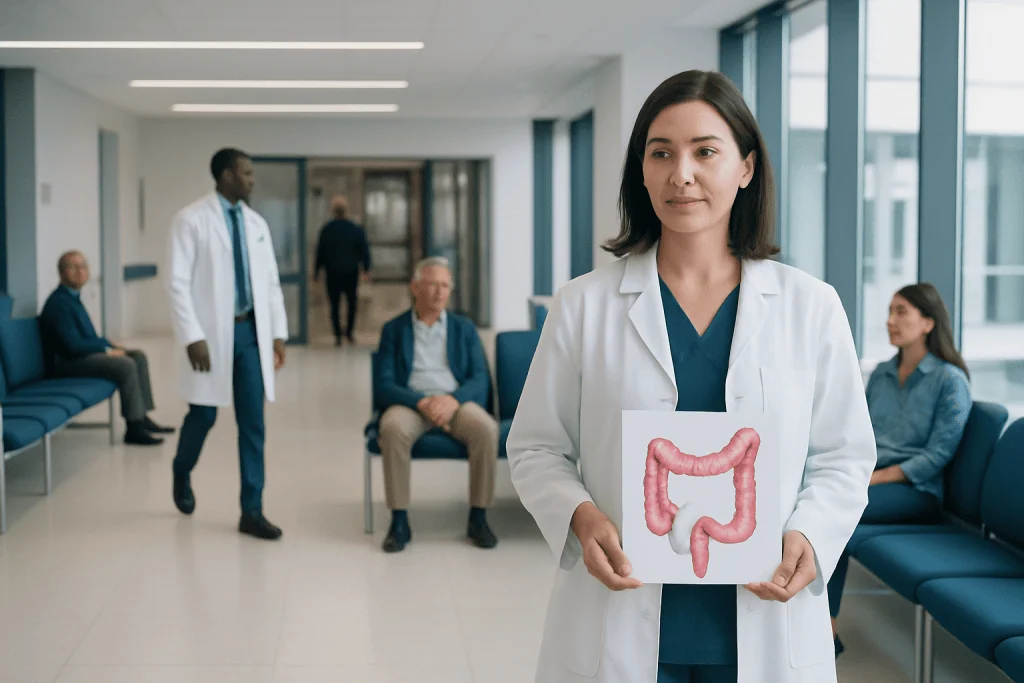
Colon tumors may cause symptoms, but early tumors can also be silent. Common warning signs include rectal bleeding, changes in bowel habits, abdominal pain, and unexplained anemia.
Key Takeaways
- Colon tumors may cause symptoms, but early tumors can also be silent.
- Common warning signs include rectal bleeding, changes in bowel habits, abdominal pain, and unexplained anemia.
- Symptoms do not always mean cancer, but they should be evaluated promptly.
- Diagnosis often involves medical history, physical exam, blood tests, stool tests, imaging, and colonoscopy.
- Treatment depends on whether the tumor is benign or cancerous, its size, and how far it has spread.
Colon tumors can cause symptoms, but some do not cause noticeable signs at first. Changes such as blood in the stool, ongoing bowel habit changes, abdominal discomfort, or unexplained tiredness should be checked by a doctor.
Overview: Can colon tumors cause symptoms?
Yes, colon tumors can cause symptoms. A tumor is an abnormal growth in the colon, also called the large intestine. Some tumors are benign, such as certain polyps, while others are malignant and represent colon cancer. Whether symptoms appear often depends on the tumor’s size, location, and whether it causes bleeding or blocks the bowel.
One important point is that colon tumors do not always cause noticeable problems early on. Small growths may be found only during screening tests. This is one reason routine screening is so valuable, especially for adults in recommended age groups or those with higher risk due to family history or inherited conditions.
When symptoms do occur, they are often related to irritation of the bowel lining, slow blood loss, or partial obstruction. Many of these symptoms can also be caused by noncancerous conditions such as hemorrhoids, irritable bowel syndrome, infections, diverticular disease, or inflammatory bowel disease. Even so, persistent or unexplained symptoms deserve medical attention so the cause can be identified.
Common symptoms of colon tumors
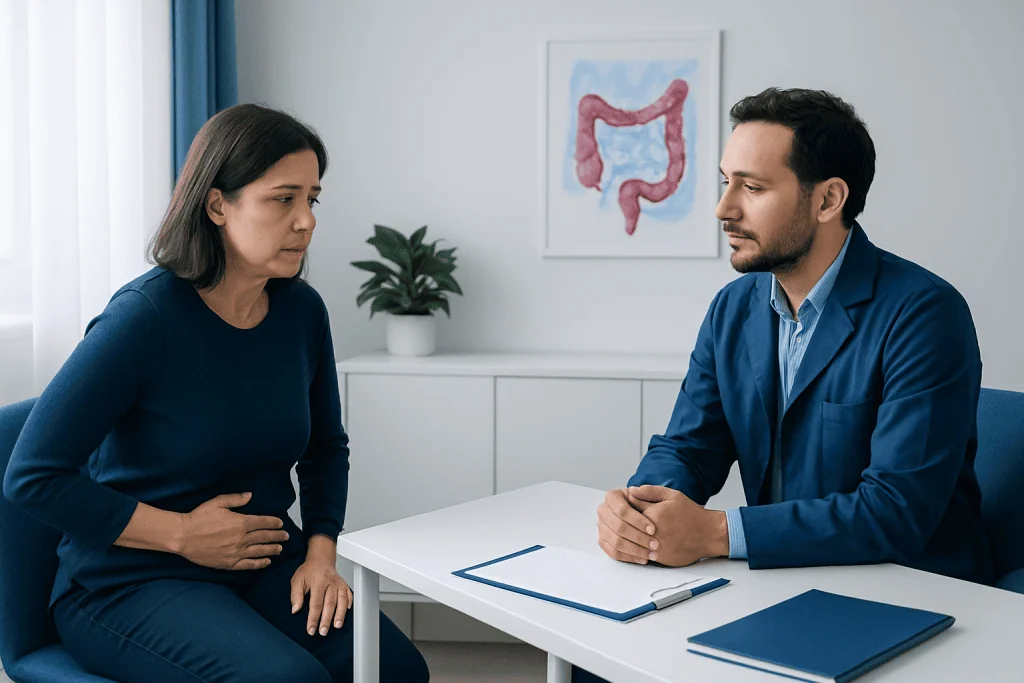
Colon tumors symptoms can vary from person to person. Some people notice obvious bowel changes, while others feel generally unwell without knowing why. Symptoms may develop gradually, which can make them easy to overlook at first.
Possible symptoms include:
- Blood in the stool or rectal bleeding
- A change in bowel habits, such as diarrhea, constipation, or narrower stools
- A feeling that the bowel does not empty completely
- Abdominal pain, cramping, bloating, or discomfort
- Unexplained fatigue or weakness
- Unintentional weight loss
- Iron-deficiency anemia, sometimes found on a blood test before symptoms are obvious
The location of the tumor may influence the pattern of symptoms. Tumors on the right side of the colon may bleed slowly and cause anemia and tiredness. Tumors on the left side are more likely to affect stool shape or bowel movements because the stool is more formed in this part of the colon. Growths in the rectum may cause bleeding, urgency, or a sensation of incomplete emptying.
Not every symptom appears in every person. Some people have only one subtle sign, such as new fatigue or a gradual change in bowel routine. Any symptom that persists, recurs, or seems unusual for that person should be discussed with a qualified doctor.
Why symptoms happen
Symptoms occur when a tumor affects the normal function of the colon. A growth can irritate the lining and bleed, either visibly or in small amounts over time. Slow blood loss may not be seen in the stool but can lead to low iron levels and anemia, which may cause tiredness, shortness of breath with activity, or dizziness.
A larger tumor can narrow the inside of the bowel. This may slow the movement of stool and gas, leading to constipation, cramping, bloating, or stools that seem thinner than usual. If the bowel becomes significantly blocked, symptoms can be more severe and may require urgent care.
Some tumors also cause inflammation in nearby tissues, which can lead to pain or changes in bowel rhythm. If a cancer spreads beyond the colon, symptoms may involve other parts of the body as well. For example, advanced disease may contribute to greater weight loss, ongoing weakness, or pain in other areas. A doctor may evaluate these possibilities when symptoms are persistent or concerning, including assessment for colon cancer.
Causes and risk factors
Colon tumors usually develop from changes in cells lining the colon. Many cancers begin as polyps, which are growths on the inner surface of the bowel. Not all polyps become cancer, but some types are more likely to change over time. This is why finding and removing certain polyps during screening can help prevent cancer.
Several factors can increase the chance of developing colon tumors. Risk tends to rise with age, though colon tumors can occur in younger adults as well. A personal history of colon polyps or inflammatory bowel disease, a family history of colorectal cancer, and inherited syndromes such as Lynch syndrome or familial adenomatous polyposis can all raise risk.
Lifestyle factors may also play a role. These can include smoking, heavy alcohol use, obesity, low physical activity, and diets high in processed or red meat and low in fiber. Having one or more risk factors does not mean a person will develop a tumor, and some people with colon tumors have no clear risk factors at all. Regular screening and attention to symptoms remain important.
How doctors diagnose colon tumors
Diagnosis starts with a careful medical history and physical examination. A doctor will ask about bowel changes, bleeding, abdominal pain, weight loss, tiredness, and family history. Blood tests may be used to look for anemia or other clues. In some cases, stool tests can help detect hidden blood.
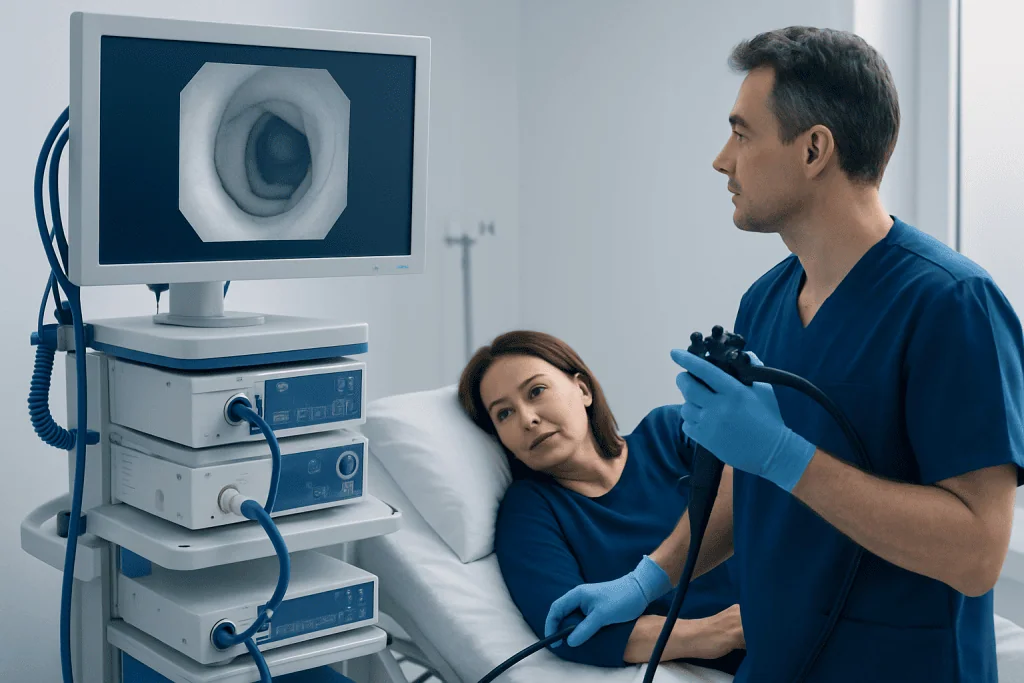
The most important test for many people is colonoscopy. This allows the doctor to look directly at the lining of the colon with a flexible camera and to remove or biopsy suspicious areas during the same procedure. Colonoscopy can both detect tumors and help determine whether a growth is benign or cancerous. Imaging tests such as CT scans may also be used to assess the colon and surrounding organs.
If cancer is found, further tests may be needed to determine the stage, meaning how far it has spread. Staging helps guide treatment decisions. Depending on the case, the evaluation may also involve specialists in gastroenterology, surgery, oncology, radiology, and pathology. In some settings, diagnostic work-up may be followed by therapies such as colonoscopy and coordinated colon cancer treatment planning.
Treatment options
Treatment depends on the type of tumor. Benign polyps can often be removed during colonoscopy. If the tumor is cancerous, treatment is based on the stage, location, the person’s overall health, and whether the tumor can be removed completely.
Surgery is a common treatment for localized colon cancer. The goal is to remove the tumor and nearby lymph nodes. Some people may also need chemotherapy, especially if the cancer has spread to lymph nodes or beyond the colon. In selected cases, targeted therapy or immunotherapy may be considered based on the tumor’s molecular features.
Treatment plans are individualized. Supportive care is also important and may include help with nutrition, pain control, bowel function, and recovery after treatment. For certain patients, minimally invasive approaches may be appropriate, and the care team may discuss options such as robotic surgery when suitable. Acibadem International’s multidisciplinary specialists in JCI-accredited hospitals diagnose and treat colon tumors for international patients.
Even when symptoms improve, follow-up remains essential. Surveillance may include repeat colonoscopy, blood tests, imaging, and clinic visits to check for recurrence or new polyps. The exact schedule depends on the pathology findings and the treatments used.
Prevention, screening, and self-care
Not all colon tumors can be prevented, but screening can greatly improve early detection and prevention. Screening can find polyps before they become cancer and can also detect cancer at an earlier stage, when treatment is often more effective. The right screening test and timing depend on age, personal history, family history, and overall risk.
Healthy habits may also help lower risk. These include staying physically active, maintaining a healthy weight, eating a balanced diet rich in fruits, vegetables, and fiber, limiting processed meat and excess alcohol, and avoiding tobacco. People with strong family histories or inherited syndromes may need earlier or more frequent screening based on medical advice.
Self-care does not mean ignoring symptoms or trying to diagnose the cause at home. Blood in the stool, persistent bowel changes, unexplained fatigue, or weight loss should not be assumed to be due to stress, hemorrhoids, or diet alone. Keeping a note of symptoms, when they started, and any associated triggers can help a doctor assess the situation clearly.
When to see a doctor
A doctor should be consulted if there is blood in the stool, new or persistent constipation or diarrhea, narrowing of stools, unexplained abdominal pain, ongoing bloating, unexplained fatigue, or unintentional weight loss. These symptoms do not always mean a tumor is present, but they should be assessed, especially if they continue for more than a short time or are getting worse.
Urgent medical attention is needed if there is heavy rectal bleeding, severe abdominal pain, vomiting with a swollen abdomen, fainting, or signs of bowel obstruction such as inability to pass stool or gas. These symptoms can occur with several serious conditions and should not be delayed.
People should also speak with a doctor about screening even if they feel well. This is especially important for those with a family history of colorectal cancer or polyps, a personal history of inflammatory bowel disease, or an inherited syndrome. Early evaluation offers the best chance to identify the cause of symptoms and begin the right care.
Frequently asked questions
Can a colon tumor be present without symptoms?
Yes. Early colon tumors and some polyps may not cause any noticeable symptoms. That is why screening is important, even for people who feel well.
Does blood in the stool always mean colon cancer?
No. Blood in the stool can also be caused by hemorrhoids, anal fissures, infections, inflammatory bowel disease, and other conditions. However, it should always be evaluated by a doctor, especially if it is new, recurrent, or unexplained.
What bowel changes are most concerning?
Changes that are persistent or clearly different from a person’s usual pattern are most important. These include ongoing constipation, diarrhea, narrower stools, urgency, or a feeling of incomplete emptying.
Can benign colon polyps cause symptoms too?
Yes, some benign polyps can bleed or cause changes in bowel habits, although many cause no symptoms at all. Because some polyps can become cancer over time, doctors often recommend removing them when found.
How is a colon tumor confirmed?
A colon tumor is usually confirmed with colonoscopy and biopsy. Imaging and blood tests may also be used to understand the size, location, and whether the condition has spread.
At what age should colon screening start?
The starting age depends on national guidelines and individual risk factors. Many average-risk adults begin screening in midlife, while those with a family history or inherited risk may need to start earlier.
References
- World Health Organization
- American Cancer Society
- National Cancer Institute
- U.S. Centers for Disease Control and Prevention
- National Health Service
This article is for general information only and is not a substitute for professional medical advice. Please consult a qualified doctor about your individual situation.
Persistent digestive symptoms? Get evaluated in Turkey
JCI-accredited · board-certified surgeons · reply within 24h
Add us as a Preferred Source to see more of our trusted health content across Google Search, AI Overviews and Discover.