Can Pneumonia Kill You? Causes, Explanations, and Next Steps

Most pneumonia cases are treatable, but severe pneumonia can become dangerous if breathing or oxygen levels are affected. Higher-risk groups include older adults, infants, pregnant people, and those with heart, lung, kidney, or immune problems.
Key Takeaways
- Most pneumonia cases are treatable, but severe pneumonia can become dangerous if breathing or oxygen levels are affected.
- Higher-risk groups include older adults, infants, pregnant people, and those with heart, lung, kidney, or immune problems.
- Red flags include shortness of breath, chest pain, confusion, bluish lips, high fever, dehydration, or symptoms that rapidly worsen.
- Doctors diagnose pneumonia using a medical history, physical exam, oxygen measurement, and often a chest X-ray.
- Vaccination, hand hygiene, not smoking, and early medical review can lower the risk of serious complications.
Yes, pneumonia can be life-threatening in some situations, but many people recover fully with prompt diagnosis and appropriate treatment. The key is recognizing warning signs early, especially in older adults, babies, and people with chronic illness or weakened immunity.
Overview: Can Pneumonia Kill You?
Yes, pneumonia can kill you, but this outcome is not the norm. Many cases are mild to moderate and improve with rest, fluids, monitoring, and the right treatment when needed. The concern is that pneumonia can sometimes interfere with oxygen delivery, spread infection through the body, or place extra strain on the heart and lungs.
Pneumonia is an infection that inflames the air sacs in one or both lungs. These air sacs may fill with fluid or pus, which can lead to cough, fever, fatigue, and breathing difficulty. Some people develop pneumonia after a viral illness such as influenza, while others get it from bacteria, fungi, or aspiration of food or liquids into the lungs.
The most important question is not only whether pneumonia can be dangerous, but who is more likely to become seriously ill and which symptoms need prompt medical attention. In general, healthy adults with early treatment often recover well, while older adults, infants, and people with chronic disease need closer monitoring.
Why Pneumonia Can Become Serious
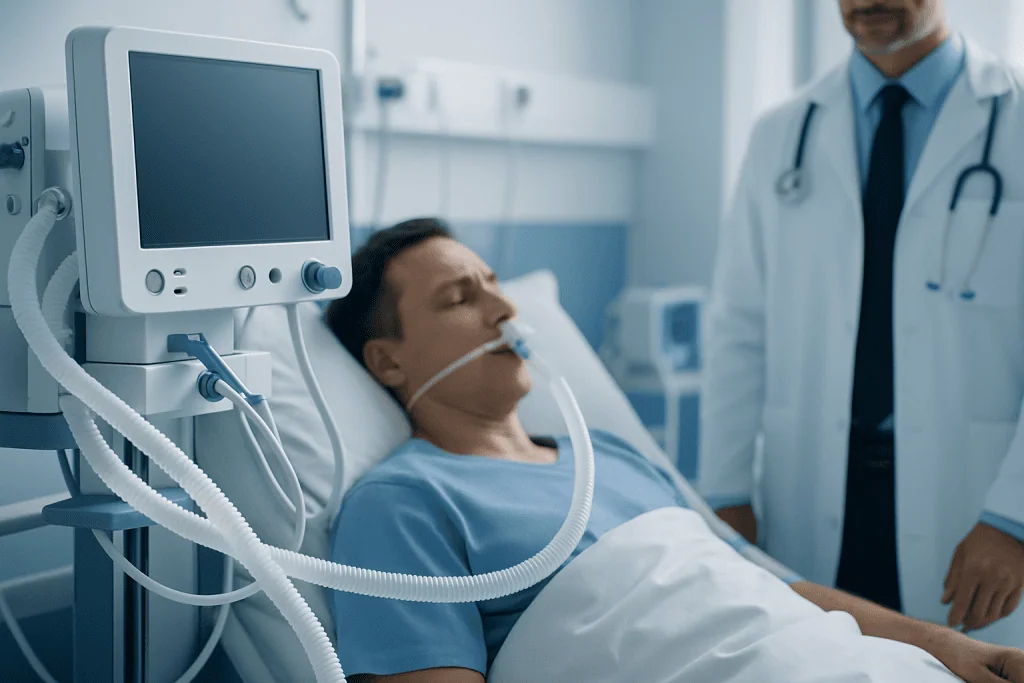
Pneumonia can become life-threatening when the lungs cannot exchange enough oxygen. If inflammation is extensive, a person may breathe faster, feel extremely short of breath, or develop low oxygen levels. In severe cases, the body’s organs may not receive the oxygen they need to work properly.
Another reason pneumonia can be dangerous is that the infection may lead to complications. These can include pleural effusion, where fluid collects around the lungs, lung abscess, worsening of asthma or chronic obstructive pulmonary disease, or sepsis, a serious body-wide response to infection. People with reduced immunity may also have more trouble clearing the infection.
Risk does not depend only on the germ causing the infection. It also depends on age, general health, how quickly symptoms progress, and whether treatment begins early. Pneumonia may also be linked with other lung infections or respiratory conditions, including bronchitis or chronic obstructive pulmonary disease, which can make symptoms harder to tolerate.
Symptoms and Red Flags to Watch For

Common pneumonia symptoms include cough, fever, chills, tiredness, chest discomfort, and shortness of breath. Some people cough up mucus, while others mainly notice weakness, reduced appetite, or trouble taking a full breath. Viral pneumonia may begin more gradually, while bacterial pneumonia can start suddenly with fever and productive cough.
Symptoms are not always dramatic. In older adults, pneumonia may show up as confusion, unusual sleepiness, poor appetite, or a sudden decline in function rather than a very high fever. In young children, parents may notice rapid breathing, poor feeding, grunting, flaring of the nostrils, or fewer wet diapers.
Red flags that deserve urgent medical assessment include:
- Difficulty breathing or breathing much faster than normal
- Chest pain, especially when breathing deeply
- Bluish lips or fingertips
- Confusion, fainting, or extreme drowsiness
- High fever that does not improve, or fever with shaking chills
- Dehydration, inability to keep fluids down, or very low urine output
- Symptoms that are clearly worsening after a few days instead of improving
If these symptoms appear, it is safer not to wait and see. Timely review can help identify whether oxygen support, imaging, antibiotics, antivirals, or hospital care are needed.
Who Is at Higher Risk of Severe Pneumonia?
Anyone can develop pneumonia, but some people are more likely to become seriously ill. Adults over 65, babies and very young children, and people who are pregnant may have a higher risk of complications. The same is true for people living with chronic heart disease, lung disease, kidney disease, liver disease, diabetes, or neurological conditions that affect swallowing.
Immune suppression is another major risk factor. This includes people receiving chemotherapy, taking long-term corticosteroids or other immune-suppressing medicines, living with certain blood cancers, or recovering from organ transplantation. Smoking and heavy alcohol use can also weaken the lungs’ natural defenses and make infection more severe.
Risk may rise when pneumonia follows another infection such as influenza or COVID-19, because the lungs are already irritated. People with swallowing difficulties or reduced consciousness are also at risk of aspiration pneumonia, which happens when food, saliva, or stomach contents enter the lungs. When risk factors are present, doctors may monitor more closely and may use imaging or lab tests sooner.
How Doctors Evaluate and Diagnose It
When someone asks, “can pneumonia kill you,” doctors focus on two things at the same time: confirming whether pneumonia is present and judging how severe it is. The assessment usually starts with symptom history, recent infections, medical conditions, medications, and a physical examination. A clinician listens to the lungs, checks breathing rate, blood pressure, pulse, temperature, and oxygen level.
A chest X-ray is commonly used to help confirm pneumonia and see how much of the lung is affected. Depending on the situation, doctors may also order blood tests, sputum testing, or viral testing. If oxygen levels are low or symptoms are severe, they may perform further evaluation with blood gas testing or more advanced imaging. These steps help decide whether care at home is reasonable or hospital treatment is safer.
In some cases, doctors may recommend additional evaluation through chest X-ray imaging or CT scan if symptoms are severe, prolonged, or not responding as expected. The aim is not only to identify infection, but also to detect complications such as fluid around the lungs or other causes of breathing difficulty.
Treatment Options and What Recovery Usually Looks Like
Treatment depends on the likely cause, the person’s age and health, and how severe the illness is. Bacterial pneumonia is often treated with antibiotics, while viral pneumonia may be managed with supportive care and, in selected cases, antiviral medicine. Supportive care can include fluids, fever control, rest, and careful monitoring of breathing and oxygen.
Some people can recover at home, but others need hospital care for oxygen, intravenous fluids, closer observation, or treatment of complications. If breathing becomes severely affected, intensive care support may be necessary. This can sound worrying, but it reflects a careful medical approach to protecting oxygen delivery and preventing organ stress.
Recovery time varies. Fever may settle before energy fully returns, and cough can persist for some time even as the lungs heal. Follow-up is important if symptoms fail to improve, come back after getting better, or if there is underlying lung disease such as asthma. In centers with multidisciplinary respiratory care, evaluation may include pulmonology assessment and, when appropriate, oxygen or hospital-based support.
Prevention, Self-Care, and When to Seek Medical Care
Prevention can lower both the chance of getting pneumonia and the chance of it becoming severe. Vaccination against influenza, COVID-19, and pneumococcal infection may be recommended depending on age and health status. Other helpful steps include regular handwashing, avoiding smoking, managing chronic conditions well, and seeking care early for worsening respiratory symptoms.
At home, self-care may include rest, drinking enough fluids, taking prescribed medicines correctly, and avoiding strenuous activity until breathing improves. It is important not to ignore ongoing shortness of breath or assume that every chest infection will resolve on its own. If symptoms are getting worse rather than better, medical review is sensible.
Medical care should be sought promptly for trouble breathing, chest pain, confusion, blue lips, dehydration, or symptoms in a baby, older adult, or immunocompromised person. Even without dramatic symptoms, a cough with fever and increasing fatigue deserves attention if it lasts several days. Near the end of the care pathway, some people may benefit from specialist respiratory review; Acibadem International’s multidisciplinary specialists in JCI-accredited hospitals diagnose and treat pneumonia and related lung conditions for international patients.
Frequently asked questions
Is pneumonia always dangerous?
No. Many pneumonia cases are mild or moderate and improve with timely medical care and supportive treatment. It becomes more concerning when breathing is affected, oxygen levels drop, or the person has risk factors such as older age or chronic illness.
How do I know if pneumonia is serious?
Warning signs include shortness of breath, fast breathing, chest pain, confusion, bluish lips, dehydration, or symptoms that quickly worsen. These signs suggest the lungs may not be working efficiently enough and should be assessed by a doctor promptly.
Can a healthy adult die from pneumonia?
It is possible, but uncommon. Healthy adults usually recover well, especially when they seek care early if symptoms are significant or worsening. Risk rises if treatment is delayed, the infection is severe, or complications develop.
What causes pneumonia to become fatal?
The most serious problems are low oxygen levels, overwhelming infection, and complications such as sepsis or fluid around the lungs. Existing heart, lung, kidney, or immune problems can make it harder for the body to cope with the infection.
When should someone go to the hospital for pneumonia symptoms?
Hospital assessment is important if there is trouble breathing, persistent chest pain, confusion, blue lips, fainting, or inability to drink enough fluids. Babies, older adults, and people with weak immune systems should seek care sooner because symptoms can become serious more quickly.
Can pneumonia get better without antibiotics?
Some cases, especially viral pneumonia, may improve without antibiotics because antibiotics do not treat viruses. However, it is important not to guess the cause at home, since bacterial pneumonia often does need antibiotics and a doctor can decide the safest approach.
References
- World Health Organization
- Centers for Disease Control and Prevention
- National Heart, Lung, and Blood Institute
- American Lung Association
- Infectious Diseases Society of America
This article is for general information only and is not a substitute for professional medical advice. Please consult a qualified doctor about your individual situation.
Pneumonia in Turkey — costs, top hospitals & a free quote
JCI-accredited · board-certified surgeons · reply within 24h
Add us as a Preferred Source to see more of our trusted health content across Google Search, AI Overviews and Discover.

More from the Health Library



Related Specialists

Prof. Dr. Mert Akan
Anesthesiology
Dr. Levent Konur
Gynecology & Obstetrics
Assoc. Prof. Dr. Serap Şahin Önder
Otorhinolaryngology
Prof. Dr. Ata Can Atalar
Orthopedic Surgery & Traumatology