Can You Eat Raw Pumpkin? A Doctor-Reviewed Answer
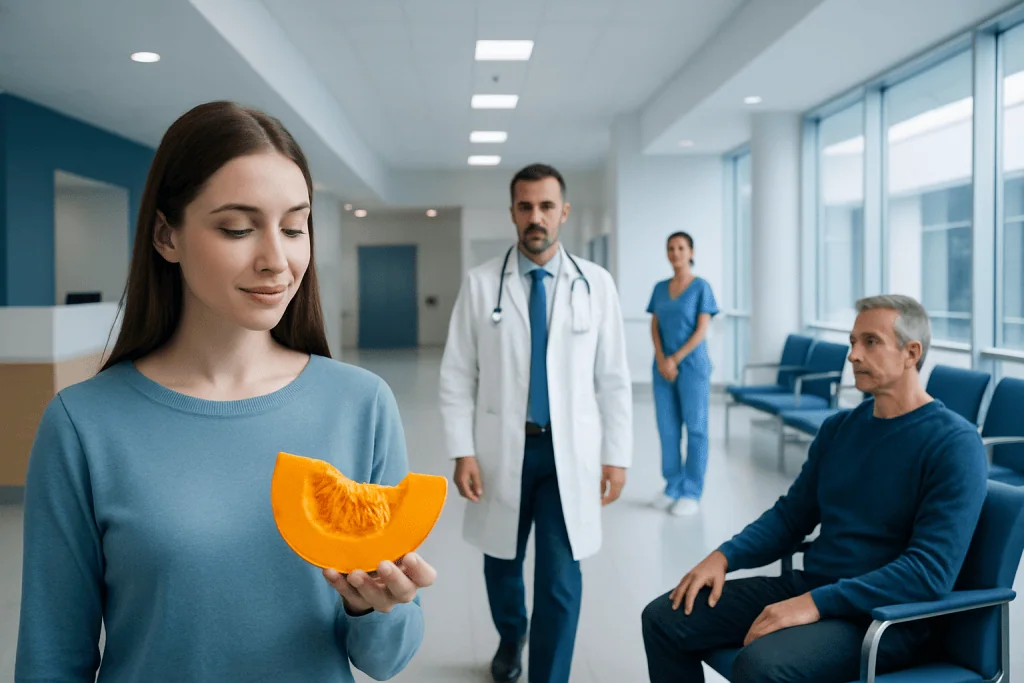
Fresh raw pumpkin is generally safe in small portions, although cooking makes it softer and easier to digest. Raw pumpkin may cause bloating, gas, nausea, or stomach discomfort in people with sensitive digestion.
Key Takeaways
- Fresh raw pumpkin is generally safe in small portions, although cooking makes it softer and easier to digest.
- Raw pumpkin may cause bloating, gas, nausea, or stomach discomfort in people with sensitive digestion.
- Pumpkin with a strong or unpleasant bitter taste should be discarded rather than tasted further or cooked.
- Food safety matters: wash the rind, use clean utensils, and refrigerate cut pumpkin promptly.
- Urgent medical assessment is appropriate for severe or persistent vomiting, diarrhea, abdominal pain, dehydration, or symptoms after eating very bitter pumpkin.
Yes, people can eat raw pumpkin, and a small amount of fresh, properly washed pumpkin is usually harmless for most healthy adults. However, raw pumpkin can be difficult to digest, and pumpkin that tastes unusually bitter should not be eaten because bitterness may signal naturally occurring compounds that can cause significant stomach and intestinal symptoms.
Can You Eat Raw Pumpkin?
Yes. Most people can eat raw pumpkin in small amounts without a problem, especially when it is fresh, clean, and prepared safely. Raw pumpkin flesh is edible, but it is firm, mildly sweet, and more fibrous than cooked pumpkin. Many people find it more pleasant when shaved thinly, grated into salads, or blended into a smoothie rather than eaten in large chunks.
For some people, however, raw pumpkin can cause temporary digestive symptoms such as gas, bloating, nausea, cramping, or loose stools. This is usually related to its fiber content and tough plant structure rather than poisoning. Cooking softens the fiber and may make pumpkin easier to chew, digest, and tolerate.
One important exception is pumpkin that tastes distinctly bitter. An unusually bitter taste can indicate high levels of cucurbitacins, natural plant compounds that can irritate the digestive tract. Bitter pumpkin should be thrown away, even if it looks normal and even if only a small taste has been taken.
What Raw Pumpkin Tastes Like and How It Is Used

Raw pumpkin has a crisp, dense texture similar to a very firm winter squash. Its flavor is usually mild, earthy, and subtly sweet. The bright orange flesh is often used raw in very thin slices, ribbons, slaws, salads, or blended recipes. The skin may be edible on some varieties, but it is often tough and is usually removed for a more comfortable texture.
Not every pumpkin sold for decoration is ideal for eating. Carving pumpkins are edible, but they often have more watery, stringy flesh and less flavor than culinary varieties. Small pumpkins sold specifically for cooking are generally better suited to recipes, whether raw or cooked. The seeds can also be eaten after cleaning and roasting, although raw seeds should be chewed carefully and stored properly.
Raw pumpkin does not provide a special health advantage over cooked pumpkin for most people. Pumpkin contains fiber and nutrients such as carotenoids, including beta-carotene, which the body can convert to vitamin A as needed. Cooking can improve the availability of some carotenoids, while raw preparation may preserve certain heat-sensitive nutrients. A varied diet can include both raw and cooked vegetables.
Possible Digestive Symptoms After Eating Raw Pumpkin

A small serving of raw pumpkin is unlikely to cause symptoms in most people. If symptoms occur, they are commonly mild and short-lived. Fiber can increase stool bulk and support regular bowel movements, but a sudden high-fiber intake may also lead to gas, abdominal fullness, bloating, or changes in bowel habits, particularly in people who do not usually eat many fruits and vegetables.
Raw pumpkin may be harder to tolerate for people with a sensitive gut, irritable bowel syndrome, slowed stomach emptying, or certain digestive conditions. Its dense texture can also be challenging for people who have difficulty chewing or swallowing. In these situations, cooked, mashed, or pureed pumpkin is often a gentler option, but dietary changes should be discussed with a clinician when symptoms are ongoing.
Symptoms that begin soon after eating pumpkin are not always caused by the pumpkin itself. Rich dressings, unwashed produce, cross-contamination during preparation, or another food eaten at the same meal may be responsible. Keeping note of the food, portion size, preparation method, and timing of symptoms can help a doctor or dietitian assess a recurring concern.
Why Bitter Pumpkin Should Not Be Eaten
Pumpkins, squash, zucchini, cucumbers, and gourds belong to the cucurbit family. These plants can produce cucurbitacins, intensely bitter compounds that naturally help protect the plant from pests. Commercial edible varieties are usually grown to contain very low levels. Occasionally, however, cross-pollination, plant stress, or unusual growing conditions may lead to a fruit with higher levels.
The key warning sign is a very bitter, unpleasant taste. Normal pumpkin may taste mild, earthy, or slightly sweet, but it should not taste sharply bitter. Cooking, blending, seasoning, or removing the skin does not reliably make bitter pumpkin safe, because the compounds are not necessarily destroyed by ordinary cooking. It is safest to discard the entire item and avoid serving it to others.
Eating bitter cucurbit vegetables can cause nausea, vomiting, diarrhea, and abdominal pain. Serious reactions are uncommon, but severe gastrointestinal illness and dehydration need prompt medical attention. People should not repeatedly taste a bitter pumpkin to decide whether it is safe; one small taste is enough to recognize an abnormal bitterness.
Food Safety and Safer Preparation
Good food-handling practices reduce the risk of illness from raw pumpkin. Before cutting it, wash the outside under running water and scrub the rind with a clean produce brush. This matters because a knife can transfer germs from the outer rind to the edible flesh. Hands, cutting boards, blenders, and knives should also be washed before and after preparation.
Choose pumpkin that is firm and free from major soft spots, mold, deep cracks, leaking fluid, or an unpleasant smell. Once cut, cover and refrigerate the flesh promptly. Fresh-cut pumpkin should not be left at room temperature for long periods, especially in warm environments. If prepared pumpkin has been stored incorrectly, develops mold, becomes slimy, or smells off, it should be discarded.
People trying raw pumpkin for the first time may start with a small portion and see how they feel. Grating or slicing it very thinly can make it easier to chew. Those who are older, pregnant, immunocompromised, or managing a significant digestive illness may wish to choose thoroughly cooked pumpkin and seek individualized dietary guidance from their healthcare professional.
When to Seek Medical Care
Most mild bloating or stomach discomfort after eating raw pumpkin improves with rest, fluids, and avoiding further intake of the food. Medical advice is appropriate if symptoms are persistent, recurrent, or interfere with eating and drinking. A person should contact a healthcare professional if they develop repeated vomiting, ongoing diarrhea, worsening abdominal pain, fever, blood in stool, or signs of dehydration such as marked thirst, dizziness, fainting, very dry mouth, or reduced urination.
Urgent assessment is especially important after eating pumpkin or another squash-like vegetable that tasted very bitter, particularly if severe vomiting, diarrhea, or abdominal pain develops. Emergency care is also needed for symptoms of a serious allergic reaction, including swelling of the lips, tongue, or throat; widespread hives; wheezing; trouble breathing; or faintness. Food allergy to pumpkin is uncommon, but it can occur.
A doctor will usually ask about the food eaten, its taste, amount, storage, preparation, and the timing of symptoms. Depending on the situation, assessment may include checking hydration and vital signs, examining the abdomen, and arranging blood or stool tests when infection, dehydration, inflammation, or another digestive condition is suspected. Bringing a photo of the product or packaging, if available, may be helpful.
Practical Advice for Including Pumpkin in a Balanced Diet
Pumpkin can be a nutritious part of meals in many forms: roasted, steamed, baked, pureed into soups, added to grains, or used in salads. Cooking is often the most comfortable and versatile choice, particularly for children, older adults, and anyone prone to digestive upset. If raw pumpkin is preferred, a small amount of fresh, non-bitter flesh is a reasonable starting point for most healthy people.
Portion size and overall dietary pattern matter more than choosing raw versus cooked pumpkin. Pairing pumpkin with protein, healthy fats, and other vegetables can make a meal more satisfying. People who have diabetes, kidney disease, food allergies, swallowing difficulties, or medically prescribed dietary restrictions should ask their healthcare team how pumpkin fits into their individual eating plan.
For people with unexplained or recurrent digestive symptoms, professional assessment is more useful than unnecessarily eliminating many foods. Acibadem International’s multidisciplinary specialists and JCI-accredited hospitals can assess digestive concerns and support international patients who need individualized evaluation and care.
Frequently asked questions
Is it safe to eat raw pumpkin every day?
For most healthy people, eating a modest amount of fresh raw pumpkin can be safe as part of a varied diet. However, daily large portions may cause gas, bloating, or bowel changes because pumpkin contains fiber. Cooked pumpkin may be a more comfortable choice for people with sensitive digestion.
Can raw pumpkin make someone sick?
Raw pumpkin can cause digestive discomfort, especially if a large amount is eaten or the person is not used to high-fiber foods. It can also cause illness if it is contaminated through poor handling or storage. Pumpkin that tastes strongly bitter should be discarded because it may contain irritating natural compounds.
Should raw pumpkin be peeled?
Peeling is not always required, but the rind of many pumpkin varieties is thick, tough, and unpleasant to eat raw. Removing it can improve texture and reduce the effort needed to chew the pumpkin. The outer surface should still be washed before cutting to prevent transferring germs to the flesh.
Can children eat raw pumpkin?
Children can eat small, age-appropriate amounts of raw pumpkin if it is fresh, washed, and cut or grated to reduce choking risk. Hard chunks and seeds may be difficult for young children to chew safely. Cooked, soft pumpkin is usually the easier option for infants and younger children.
What should a person do after eating bitter pumpkin?
They should stop eating it immediately and discard the remaining pumpkin. If no symptoms occur after a small taste, monitoring and drinking fluids may be sufficient. Prompt medical advice is needed if vomiting, diarrhea, severe abdominal pain, weakness, or signs of dehydration develop.
Is raw pumpkin more nutritious than cooked pumpkin?
Both raw and cooked pumpkin can contribute useful nutrients and fiber to a balanced diet. Cooking may increase the body's ability to use some carotenoids, while raw preparation may preserve some nutrients that are sensitive to heat. The best choice is the form that is safe, enjoyable, and well tolerated.
References
- U.S. Food and Drug Administration
- Centers for Disease Control and Prevention
- National Institutes of Health Office of Dietary Supplements
- U.S. Department of Agriculture
- National Capital Poison Center
This article is for general information only and is not a substitute for professional medical advice. Please consult a qualified doctor about your individual situation.
Persistent digestive symptoms? Get evaluated in Turkey
JCI-accredited · board-certified surgeons · reply within 24h
Add us as a Preferred Source to see more of our trusted health content across Google Search, AI Overviews and Discover.