Cancer Injection Treatment: How It Works, Results and What to Expect

Cancer injections may include chemotherapy, immunotherapy, targeted therapy, hormone therapy or supportive medicines. Some injections are quick under-the-skin treatments, while intravenous infusions can take from minutes to several hours.
Key Takeaways
- Cancer injections may include chemotherapy, immunotherapy, targeted therapy, hormone therapy or supportive medicines.
- Some injections are quick under-the-skin treatments, while intravenous infusions can take from minutes to several hours.
- Treatment plans are individualized and may be used alone or alongside surgery, radiation therapy and oral medicines.
- Side effects vary by drug and should be discussed promptly with the oncology team, especially fever, breathing changes or severe diarrhea.
- Regular blood tests, scans and clinical reviews help clinicians assess safety and response over time.
Cancer injection treatment is a broad term for anticancer medicines given under the skin, into a vein, into a muscle, or directly into or near a tumor. The medicine, schedule and expected results depend on the cancer type, stage, treatment goal and each person’s overall health.
Overview: what cancer injection treatment means
Cancer injection treatment refers to medicines administered by a healthcare professional through an injection or infusion rather than taken only by mouth. It can include chemotherapy, immunotherapy, targeted therapy, hormone therapy and medicines that help prevent or manage cancer-related complications. Depending on the medicine, it may be injected under the skin, into a muscle, into a vein, or in selected situations directly into a tumor or a body cavity.
These treatments may aim to cure a cancer, lower the chance of recurrence after local treatment, shrink a tumor before surgery or radiation, slow cancer growth, or relieve symptoms. An injection is a route of administration, not one single treatment type. The likely outcome depends on the specific diagnosis, cancer stage, tumor biology, previous treatments and the person’s general health.
Oncologists usually recommend injection-based treatment as part of a wider plan. This can include surgery, radiotherapy, oral treatments, supportive care and regular monitoring. Patients should feel comfortable asking what medicine is being offered, why it is appropriate, how it will be given and what signs should prompt a call to the treatment team.
How cancer injections work
Different injected cancer medicines work in different ways. Chemotherapy circulates through the bloodstream and damages rapidly dividing cells, including cancer cells. It is commonly given intravenously, although a limited number of chemotherapy medicines can be injected under the skin or into a muscle. Because some healthy cells also divide quickly, chemotherapy can affect the bone marrow, digestive tract, hair follicles and other tissues.
Immunotherapy helps the immune system recognize or respond more effectively to cancer. Many immunotherapy medicines are given by intravenous infusion, while some may be given under the skin. Targeted therapies act on specific changes or signaling pathways in cancer cells and may be injected when an injectable form is available. Hormone treatments, used for certain breast and prostate cancers, may reduce or block hormones that encourage cancer growth.
In some cases, a clinician may inject a medicine into or around a tumor. This approach is used only for carefully selected cancers and treatments. The oncology team chooses the route that best matches the medicine, the cancer location, treatment evidence, safety considerations and practical needs.
Who may be a candidate for cancer injection treatment?

Candidacy is based on much more than whether a medicine can be given by injection. The care team considers the exact cancer type and stage, pathology findings, molecular or biomarker test results where relevant, treatment goals, organ function, other health conditions and prior cancer therapies. Age alone does not determine whether someone can receive an injected treatment.
Before treatment begins, patients may have blood tests, imaging studies and assessments of heart, kidney, liver or lung function. These checks help clinicians select a safe regimen and establish a baseline for future monitoring. Some immunotherapies are more suitable when a tumor has certain biomarkers, while other medicines are selected according to cancer subtype or hormone receptor status.
People with autoimmune disease, a history of organ transplant, active infection, pregnancy or significant heart, liver or kidney disease may need additional assessment. This does not automatically rule out treatment, but it can influence medicine selection, monitoring and supportive care. A multidisciplinary cancer team can help balance expected benefit with potential risks for the individual.
What happens during the procedure?
Before each appointment, a nurse or oncology clinician commonly checks symptoms, temperature, blood pressure and recent blood test results. The team may ask about infections, new medicines, allergies, bowel changes, numbness or tingling, breathlessness and any side effects since the previous session. Treatment may be postponed or adjusted if blood counts are low or side effects need attention.
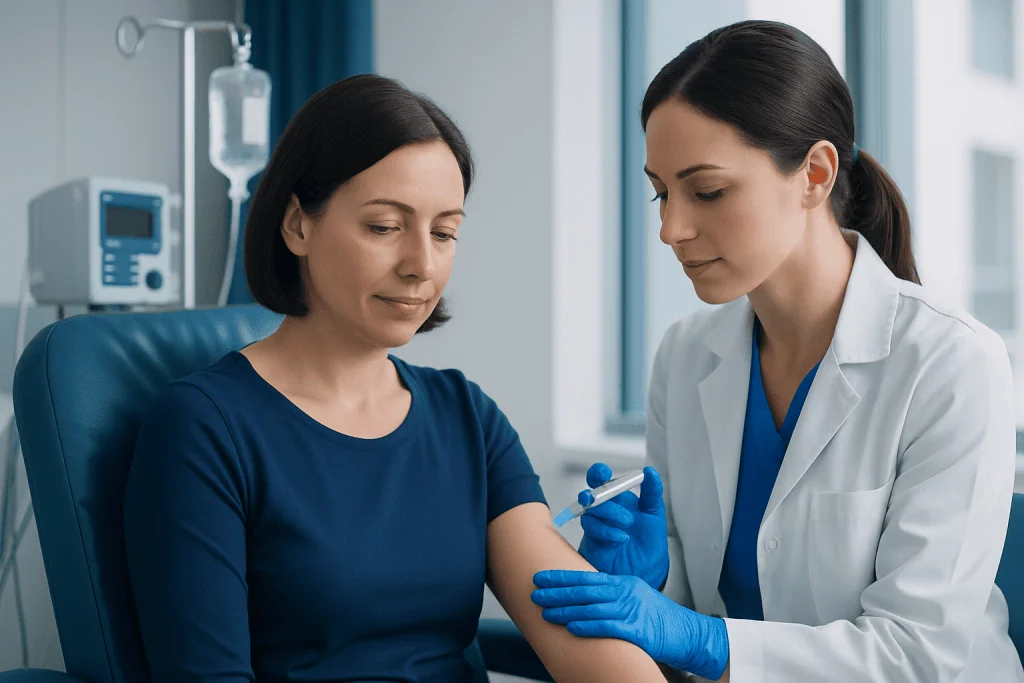
For a subcutaneous injection, the skin is cleaned and the medicine is injected into fatty tissue, often in the abdomen, upper arm or thigh. The injection itself usually takes seconds to minutes, followed by a short observation period when appropriate. Intravenous treatment is given through a small cannula, a long-term central line or an implanted port, and may take longer depending on the medicine and protocol.
Some treatments require premedication, such as anti-nausea medicine, allergy-reducing medicine or steroids, to lower the chance of particular reactions. During an infusion, staff monitor for symptoms such as rash, chills, chest discomfort, dizziness or breathing changes. Patients should report any unusual sensation immediately; many infusion reactions can be managed promptly by trained staff.
- Check-in, symptom review and any needed blood tests
- Preparation of the medicine and premedication when indicated
- Injection or infusion with clinical observation
- Instructions for home monitoring, next appointments and contact details
Recovery timeline, benefits and possible risks
Recovery after a simple injection is often quick, and many people return home the same day. A small amount of soreness, redness or bruising at the injection site may occur and usually settles within days. After an intravenous infusion, some people feel well enough for normal light activities, while others need extra rest that day or for several days.
Side effects can start during treatment, within days, or later in the treatment course. Chemotherapy may cause fatigue, nausea, appetite changes, mouth sores, diarrhea or constipation, hair loss with some regimens, nerve symptoms and lower blood cell counts. Lower white blood cell counts can raise infection risk. Not every person experiences every side effect, and supportive medicines can often reduce symptoms.
Immunotherapy side effects are different because they result from an overactive immune response. They can involve the skin, bowel, lungs, liver, hormone-producing glands or other organs. New or worsening cough, shortness of breath, persistent diarrhea, severe abdominal pain, yellowing of the skin or eyes, marked weakness or unusual headache should be reported without delay. Early assessment is important because immune-related side effects may need treatment even after immunotherapy has stopped.
The main benefit of injection treatment is that it can deliver evidence-based medicines in a controlled clinical setting with monitoring. However, no treatment can guarantee a particular result. The oncology team uses scans, examinations, blood tests and symptom reviews to judge whether treatment is helping and whether the balance of benefit and side effects remains appropriate.
Common questions about injection-based cancer care
How long does a chemo injection last? The injection itself may take only a few minutes when chemotherapy is given under the skin or into a muscle. Intravenous chemotherapy can take from a short infusion to several hours, depending on the medicine, premedication and observation needed. A full visit may be longer because it can include blood tests, clinical review and preparation time.
Can cancer be treated with injections? Yes. Injections and infusions are established ways to deliver chemotherapy, immunotherapy, targeted treatments, hormone therapies and other cancer medicines. Whether an injected treatment is suitable depends on the cancer and its treatment plan; some cancers are treated mainly with surgery or radiation, while others benefit from systemic medicines given by injection.
How long do cancer patients stay on immunotherapy? The duration varies considerably. Some people receive immunotherapy for a defined period, such as several months or up to a set number of treatment cycles, while others continue while the cancer is responding and side effects remain manageable. The planned duration is based on the specific medicine, cancer type, treatment setting and current evidence.
Which is harder on the body, chemo or immunotherapy? Neither is universally harder. Chemotherapy and immunotherapy have different side-effect patterns, and each can range from mild to serious depending on the medicine and the individual. Chemotherapy more often causes low blood counts, nausea and hair loss, whereas immunotherapy can cause immune-related inflammation in organs; an oncologist can explain the likely effects of a particular regimen.
Self-care and monitoring between appointments
Patients should follow the personalized advice given by their oncology team. This often includes keeping appointments for blood tests and treatment, taking prescribed supportive medicines as directed, drinking adequate fluids if permitted, eating regular nourishing meals and planning rest around expected fatigue. Gentle activity can be helpful for some people, but activity should be adjusted to energy levels and medical advice.
Reducing infection exposure is particularly important when chemotherapy may lower white blood cell counts. Good hand hygiene, food safety and avoiding close contact with people who are unwell can help. Patients should ask their team before receiving vaccines, using supplements or starting over-the-counter medicines, as these may not be appropriate with every cancer treatment.
A written symptom diary can help patients record fatigue, temperature, bowel changes, skin symptoms, pain, appetite and any injection-site reaction. Bringing this information to appointments supports timely treatment adjustments. Emotional support is also part of cancer care; family, counseling services, patient support groups and palliative care teams can help with practical and psychological needs at any stage.
When to seek medical care
Patients receiving cancer injections should contact their oncology team promptly for a fever or chills, signs of infection, uncontrolled vomiting, persistent diarrhea, severe constipation, unusual bleeding or bruising, worsening pain, dehydration, a spreading rash, or symptoms that interfere with daily activities. The treatment center will provide specific instructions, including the temperature threshold that requires urgent contact.
Urgent medical assessment is needed for severe shortness of breath, chest pain, confusion, fainting, facial or throat swelling, severe allergic symptoms, sudden weakness, new seizures or uncontrolled bleeding. These symptoms may have causes unrelated to treatment, but they should not be ignored. If in doubt, patients should seek urgent local medical advice rather than waiting for the next appointment.
Acibadem International’s multidisciplinary specialists and JCI-accredited hospitals diagnose and treat cancer for international patients, with treatment plans coordinated across relevant specialties. People considering cancer injection treatment should discuss all available options, expected benefits, likely side effects and follow-up requirements with a qualified oncology team.
Frequently asked questions
Are cancer injections always chemotherapy?
No. Cancer injections may deliver chemotherapy, but they can also deliver immunotherapy, hormone therapy, targeted therapy or supportive medicines. The medicine and route are chosen according to the cancer diagnosis and treatment plan.
Are cancer injections painful?
A subcutaneous or intramuscular injection may cause a brief sting, pressure or mild soreness afterward. Intravenous treatment involves placing a cannula or using a port, and the care team can suggest ways to improve comfort if needle procedures are difficult.
Can someone drive home after cancer injection treatment?
Many people can travel home after treatment, but this depends on how they feel, the medicines used and whether sedating premedication was given. It may be sensible to arrange support for the first session until the individual response is known.
How is response to injection treatment checked?
Clinicians monitor symptoms, physical examinations, blood tests and imaging scans at planned intervals. For some cancers, tumor markers or molecular tests may also contribute to the assessment, but results are always interpreted in the clinical context.
Can treatment be delayed if blood counts are low?
Yes. Low blood cell counts or significant side effects may lead the oncology team to delay, reduce or change treatment to protect safety. This is a common part of individualized cancer care and does not by itself mean treatment has failed.
What should patients bring to an injection or infusion appointment?
Useful items can include identification, a current medication list, water and a light snack if allowed, comfortable clothing and something to pass the time during longer infusions. Patients should also bring questions or a symptom diary to discuss with the care team.
References
- National Cancer Institute
- American Cancer Society
- European Society for Medical Oncology
- World Health Organization
- Cancer Research UK
This article is for general information only and is not a substitute for professional medical advice. Please consult a qualified doctor about your individual situation.
Oncology care in Turkey — second opinion and treatment plan
JCI-accredited · board-certified surgeons · reply within 24h
Add us as a Preferred Source to see more of our trusted health content across Google Search, AI Overviews and Discover.
Check your numbers in seconds
BMI, calories, due date, blood pressure and 30+ more clinical calculators — free, instant, doctor-reviewed ranges.