Cancer Rehabilitation: Fatigue, Mobility, and Daily Function Support
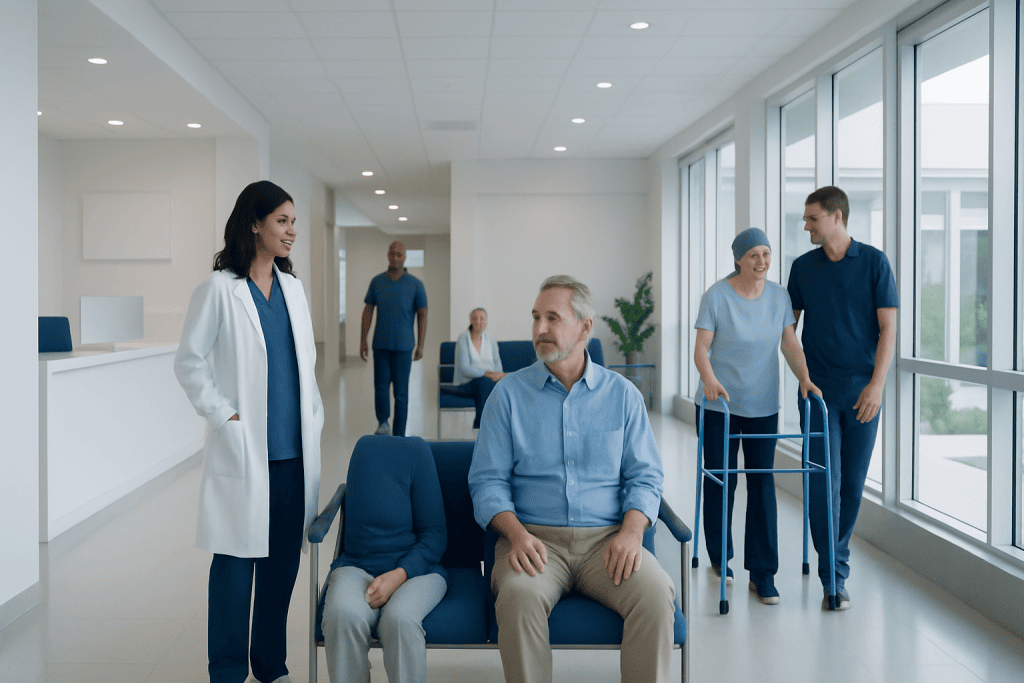
Cancer rehabilitation can begin before, during, or after cancer treatment, depending on the person's needs and medical condition. Fatigue is one of the most common cancer-related symptoms, and supervised activity, pacing, sleep support, and nutrition guidance can help.
Key Takeaways
- Cancer rehabilitation can begin before, during, or after cancer treatment, depending on the person's needs and medical condition.
- Fatigue is one of the most common cancer-related symptoms, and supervised activity, pacing, sleep support, and nutrition guidance can help.
- A rehabilitation plan may include physical therapy, occupational therapy, speech and swallowing therapy, exercise guidance, and psychosocial support.
- Rehabilitation is personalized to cancer type, treatment history, side effects, safety concerns, and the person's goals for daily life.
- People should seek medical advice if fatigue, weakness, pain, swelling, falls, or difficulty with daily tasks affects safety or quality of life.
Cancer rehabilitation helps people maintain or regain strength, movement, independence, and confidence during and after cancer treatment. It addresses common concerns such as fatigue, pain, balance, swallowing, speech, memory, and daily activity challenges.
Overview
Cancer rehabilitation is specialized care that helps people affected by cancer improve daily function, reduce treatment-related limitations, and participate more fully in work, family, and personal activities. It may be helpful at many points: before surgery or chemotherapy, during active treatment, after treatment ends, or as part of supportive care for advanced cancer.
The focus is not only on exercise. Cancer rehabilitation can address fatigue, muscle weakness, joint stiffness, nerve symptoms, balance problems, pain, swallowing or speech changes, memory and concentration concerns, and challenges with bathing, dressing, cooking, working, or returning to hobbies. The goal is to support safety, independence, comfort, and realistic personal goals.
Rehabilitation is usually delivered by a multidisciplinary team. Depending on the person’s needs, this may include a physiatrist or rehabilitation physician, physical therapist, occupational therapist, speech and language therapist, dietitian, oncology nurse, psychologist, pain specialist, and the treating oncology team. The plan should be coordinated with cancer treatment to ensure that activities are appropriate and safe.
How Cancer and Treatment Affect Fatigue, Mobility, and Function
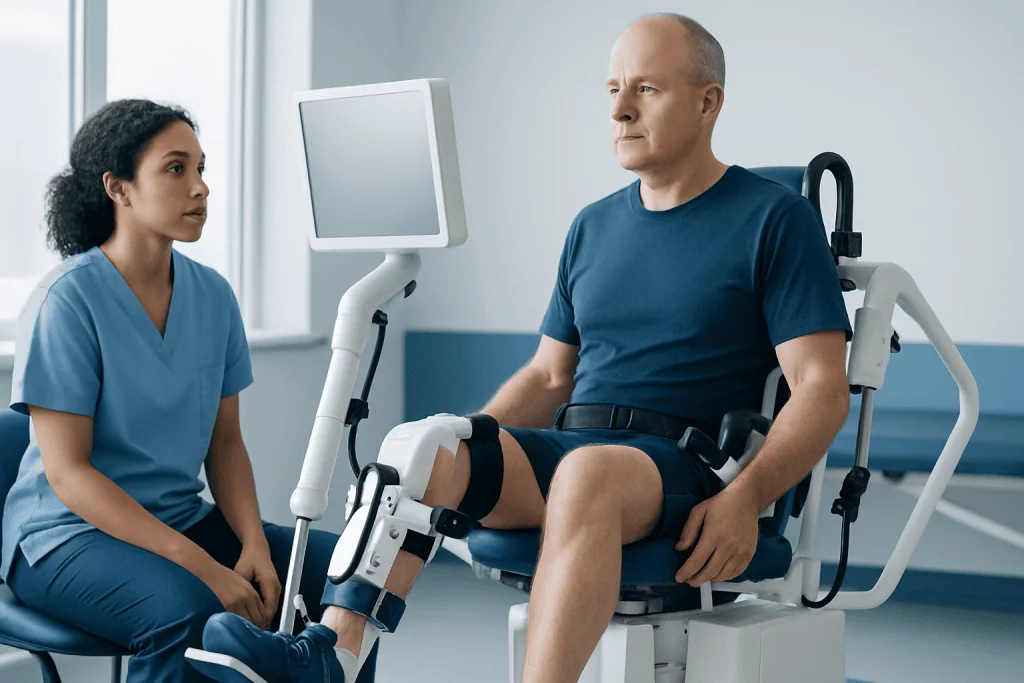
Cancer and its treatments can affect the body in several ways. Surgery may reduce range of motion or cause scar tightness. Chemotherapy can contribute to fatigue, anemia, reduced fitness, nausea, numbness, or tingling in the hands and feet. Radiation therapy may cause skin sensitivity, tissue stiffness, swelling, or long-term changes in the treated area. Hormonal therapies and targeted treatments may also affect energy, muscle mass, joints, or mood.
Fatigue related to cancer is different from ordinary tiredness. It may not improve fully with rest, and it can make routine tasks feel difficult. People may notice that walking short distances, climbing stairs, concentrating, preparing meals, or socializing requires much more effort than before. This fatigue often has more than one cause, including treatment effects, sleep disruption, pain, emotional stress, reduced activity, nutritional changes, or other medical conditions.
Mobility may also be affected by weakness, balance changes, neuropathy, bone involvement, shortness of breath, or fear of falling. When activity decreases, the body can lose strength and endurance more quickly, which may worsen fatigue. Rehabilitation helps interrupt this cycle by introducing safe, gradual, and personalized strategies to rebuild function without pushing beyond medical limits.
Rehabilitation Assessment and Goal Setting
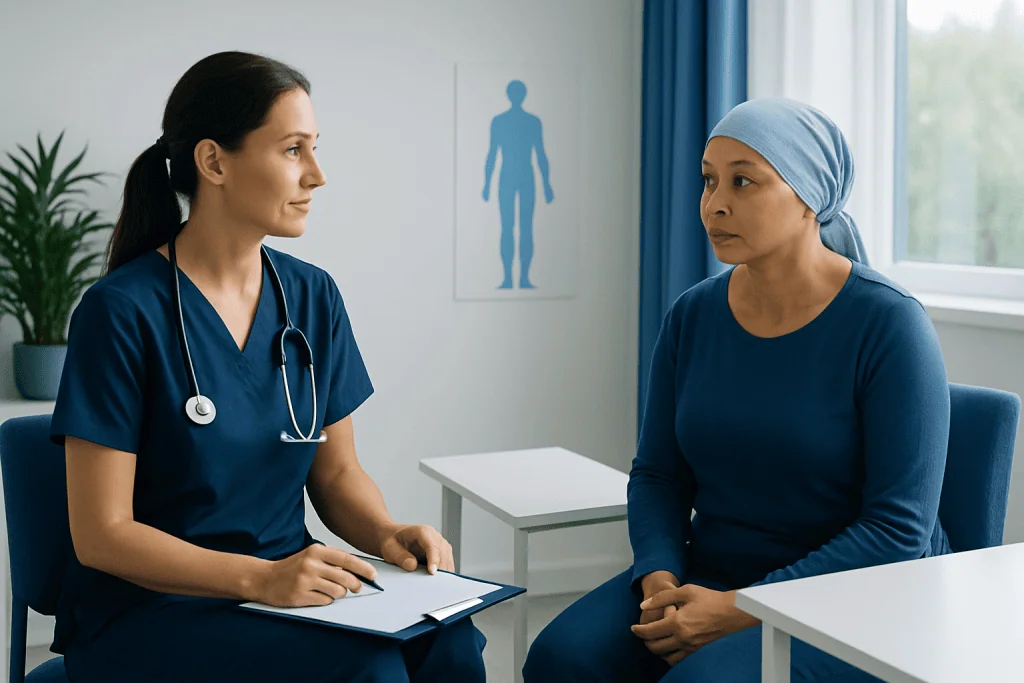
A cancer rehabilitation assessment begins with a detailed discussion of symptoms, cancer treatment history, current medications, medical precautions, daily routines, and personal goals. The clinician may ask about fatigue patterns, sleep, pain, falls, numbness, swelling, appetite, mood, work demands, home environment, and support from family or caregivers.
The physical assessment may include strength, flexibility, walking speed, balance, posture, breathing pattern, arm or leg movement, scar mobility, swelling measurements, and endurance. If there are concerns about speech, swallowing, cognition, or self-care, additional evaluations may be performed by the appropriate specialist. The results help identify what is limiting function and what can be improved safely.
Goal setting is an important part of rehabilitation. Goals may include walking to the bathroom without help, climbing stairs, preparing a simple meal, returning to desk work, managing childcare, improving shoulder movement after breast surgery, reducing fall risk, or building endurance for travel. Goals should be specific, realistic, and updated as treatment and recovery progress.
Managing Cancer-Related Fatigue
Fatigue management usually combines several approaches. Gentle, structured physical activity is one of the best-supported strategies for many people, but it must be matched to the person’s medical status. The plan may begin with short walks, seated exercises, breathing exercises, or light strengthening, then progress gradually. Rest is also important, but prolonged inactivity can lead to further deconditioning.
Pacing is a practical method for conserving energy. A therapist may help the person identify essential tasks, plan activities for the time of day when energy is highest, take scheduled breaks before exhaustion occurs, and alternate heavier tasks with lighter ones. Occupational therapists can recommend adaptive equipment or changes to routines that reduce unnecessary effort.
Fatigue can also be influenced by anemia, thyroid problems, infection, pain, depression, anxiety, poor sleep, dehydration, or medication side effects. For this reason, persistent or worsening fatigue should be discussed with the oncology team. Rehabilitation works best when medical causes are reviewed and treated when appropriate.
- Prioritize important activities and simplify nonessential tasks.
- Use short, frequent activity sessions rather than one long session.
- Keep commonly used items within easy reach to reduce strain.
- Ask for help with heavy household tasks during demanding treatment periods.
- Track fatigue levels to notice patterns and triggers.
Improving Mobility, Strength, and Balance
Physical therapy in cancer rehabilitation may focus on walking, transfers, posture, range of motion, strengthening, balance, and endurance. Exercises are adapted to the person’s treatment stage, blood counts, bone health, surgical restrictions, cardiopulmonary status, and pain level. Some people need a very gentle program; others may safely progress to more challenging strength and aerobic exercise.
Balance and fall prevention are especially important for people with neuropathy, weakness, dizziness, vision changes, or bone metastases. A therapist can assess walking safety and may recommend assistive devices such as a cane or walker when needed. The aim is not to create dependence, but to improve safety and confidence while strength and coordination are addressed.
For people who have had surgery, rehabilitation may help restore movement and reduce compensatory strain. For example, shoulder mobility may be addressed after breast or chest surgery, neck movement after head and neck treatment, pelvic floor function after some pelvic surgeries, or abdominal strength after abdominal surgery. Any exercise should follow the surgeon’s and oncologist’s precautions, especially during wound healing or when there is a risk of lymphedema, fracture, or infection.
Support for Daily Function, Work, Speech, and Swallowing
Occupational therapy helps people perform daily activities more safely and efficiently. This may include bathing, dressing, cooking, cleaning, childcare, driving readiness, computer use, and return-to-work planning. The therapist may suggest activity modification, home safety changes, splints, adaptive tools, or strategies for memory and attention problems sometimes described as cancer-related cognitive changes.
Speech and language therapy may be important for people with head and neck cancers, brain tumors, neurological complications, or treatment effects that affect voice, communication, swallowing, or cognitive communication. Swallowing assessment and therapy can help reduce the risk of choking, improve nutrition and hydration, and guide safe food or liquid textures when needed.
Emotional and social support are also part of function. Cancer may change roles at home, work capacity, body image, intimacy, and confidence. Rehabilitation professionals often work alongside psychologists, social workers, and oncology teams to help people adjust, communicate needs, and plan a realistic return to meaningful activities.
Safety, Prevention, and Self-Care
Self-care during cancer rehabilitation should be guided by the medical team, because safety needs vary. People receiving chemotherapy, immunotherapy, radiation therapy, or recent surgery may have temporary precautions. Low blood counts, infection risk, severe anemia, uncontrolled pain, fever, dizziness, unstable blood pressure, or new shortness of breath require medical review before increasing activity.
General self-care includes gentle movement as tolerated, balanced nutrition, hydration, sleep routines, skin care after radiation as advised, and safe use of prescribed medicines. People with or at risk of lymphedema may need education about skin protection, swelling monitoring, compression garments when prescribed, and careful progression of exercise.
Prehabilitation, or rehabilitation before treatment, may help some people prepare for surgery or intensive therapy by improving fitness, nutrition, breathing, and functional reserve. Even small improvements in strength, walking ability, and daily routines can support recovery. The best program is individualized and coordinated with the oncology plan.
- Report new swelling, redness, fever, or sudden pain promptly.
- Wear supportive footwear to reduce fall risk.
- Use handrails and remove tripping hazards at home.
- Increase activity gradually rather than suddenly.
- Stop exercising and seek advice if chest pain, fainting, severe breathlessness, or new neurological symptoms occur.
When to See a Doctor or Rehabilitation Specialist
A person should discuss rehabilitation with a doctor if fatigue, weakness, pain, stiffness, swelling, balance problems, swallowing difficulty, speech changes, memory concerns, or difficulty with daily tasks affects quality of life. Early referral can prevent small limitations from becoming larger barriers to independence.
Medical advice is especially important if symptoms are new, worsening, or sudden. Warning signs that need prompt evaluation include fever, unexplained severe pain, new leg swelling, sudden shortness of breath, chest pain, fainting, new weakness on one side of the body, confusion, inability to swallow safely, or repeated falls. These symptoms may have causes that require urgent medical care.
People do not need to wait until cancer treatment is finished to ask for help. Rehabilitation can often be integrated with oncology care and adjusted from week to week. Acibadem International’s multidisciplinary specialists and JCI-accredited hospitals provide diagnosis, treatment, and rehabilitation support for international patients with cancer-related functional needs.
Frequently asked questions
What is cancer rehabilitation?
Cancer rehabilitation is care that helps people maintain or improve physical, cognitive, and daily function during or after cancer treatment. It may include physical therapy, occupational therapy, speech and swallowing therapy, exercise guidance, fatigue management, and support for returning to everyday activities.
When should cancer rehabilitation start?
It can start before treatment, during treatment, after treatment, or during long-term supportive care. Starting early may help identify risks, preserve strength, and teach safe strategies before fatigue or mobility problems become more difficult.
Can exercise help cancer-related fatigue?
For many people, carefully planned physical activity can help reduce fatigue and improve stamina, mood, and daily function. The exercise plan should be personalized, especially if the person has anemia, low blood counts, bone involvement, heart or lung disease, recent surgery, or severe pain.
Is cancer rehabilitation only for people who are cancer-free?
No. Rehabilitation can benefit people at many stages of cancer care, including those receiving active treatment or supportive care for advanced cancer. The goals may differ, but improving comfort, safety, independence, and participation in meaningful activities remains important.
What symptoms should prompt a rehabilitation referral?
A referral may be helpful for persistent fatigue, weakness, reduced walking ability, balance problems, falls, pain, stiffness, swelling, numbness, swallowing problems, speech changes, or difficulty with self-care and household tasks. A doctor or oncology team can help decide which rehabilitation services are appropriate.
How is a cancer rehabilitation plan personalized?
The team considers the cancer type, treatment history, current symptoms, medical precautions, blood counts, bone health, surgical restrictions, personal goals, and home or work demands. The plan is adjusted over time as treatment side effects, strength, endurance, and daily needs change.
References
- World Health Organization
- American Cancer Society
- National Cancer Institute
- European Society for Medical Oncology
- American Physical Therapy Association
This article is for general information only and is not a substitute for professional medical advice. Please consult a qualified doctor about your individual situation.
Joint and spine care in Turkey — expert assessment & treatment
JCI-accredited · board-certified surgeons · reply within 24h
Add us as a Preferred Source to see more of our trusted health content across Google Search, AI Overviews and Discover.