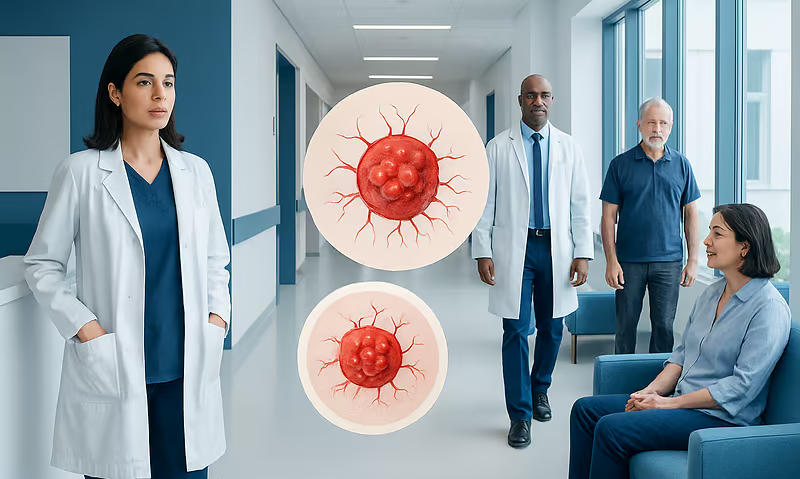
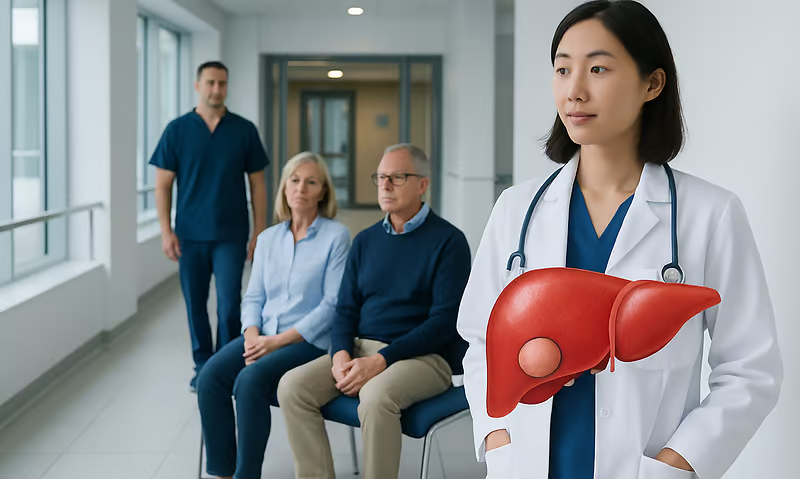
Cancer Treatment Doctors: How It Works, Results and What to Expect

Cancer care is usually led by one or more oncologists working alongside surgeons, radiologists, pathologists and supportive-care professionals. The recommended treatment depends on the cancer type, location, stage, tumor biology, general health and personal priorities.
Key Takeaways
- Cancer care is usually led by one or more oncologists working alongside surgeons, radiologists, pathologists and supportive-care professionals.
- The recommended treatment depends on the cancer type, location, stage, tumor biology, general health and personal priorities.
- Cancer treatment may involve surgery, chemotherapy, radiation therapy, immunotherapy, targeted therapy, hormone therapy or a combination.
- Doctors assess response through symptoms, examinations, blood tests, scans and, in selected cases, tissue testing.
- Patients should contact their cancer team promptly for new or worsening symptoms, treatment side effects or concerns about their plan.
Cancer treatment doctors are specialists who diagnose, stage and manage cancer using treatments such as surgery, systemic therapies and radiation therapy. They work with a wider care team to create an individualized plan, explain choices clearly and monitor both treatment response and wellbeing.
Overview: What Cancer Treatment Doctors Do
Cancer treatment doctors are medical professionals who help people understand a cancer diagnosis and guide care from the first assessment through treatment, follow-up and survivorship. Their role is not simply to prescribe a treatment. They interpret test results, explain the likely goals of care, coordinate different specialists and help a person make informed choices that fit their health needs and preferences.
The doctor who leads care may vary by cancer type and treatment plan. A medical oncologist manages medicines used to treat cancer, including chemotherapy, immunotherapy, targeted treatments and hormone therapy. A surgical oncologist or organ-specific surgeon removes tumors when surgery is appropriate, while a radiation oncologist plans and supervises radiation treatment. Some people also see hematologist-oncologists, gynecologic oncologists, pediatric oncologists or other specialists with focused expertise.
Modern cancer care is commonly multidisciplinary. This means that specialists review imaging, pathology and treatment options together, often in a tumor board meeting. The aim is to recommend a coordinated plan rather than treating each part of care in isolation. The plan may change over time as new test results, treatment response or personal circumstances emerge.
How Cancer Care Planning Works
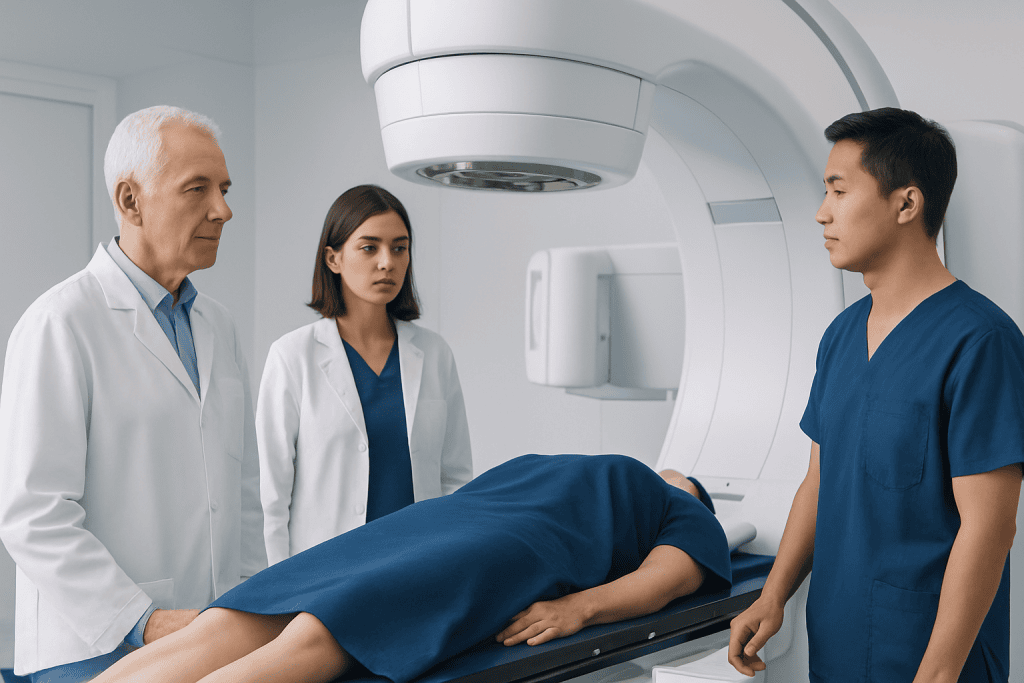
Cancer treatment begins with confirming the diagnosis and defining the extent of disease. Doctors review the pathology report from a biopsy or surgery, imaging scans and laboratory tests. For many cancers, the tumor may also be tested for biomarkers, such as genetic changes or protein features, that can help identify whether a targeted medicine or immunotherapy may be suitable.
Staging describes the size and location of a cancer and whether it has spread to lymph nodes or other parts of the body. Staging is important, but it is not the only factor used for treatment planning. Tumor grade, molecular findings, symptoms, other health conditions, previous treatment, fertility considerations and a person’s own goals can all affect recommendations.
Doctors usually explain the purpose of each option. Treatment may aim to cure cancer, reduce the chance of recurrence after surgery, control disease for as long as possible, relieve symptoms or improve comfort and quality of life. Supportive and palliative care can be offered at any stage and works alongside cancer-directed treatment to manage pain, fatigue, nausea, emotional strain and other concerns.
- Medical oncology: treatment with cancer medicines and monitoring their effects.
- Surgical oncology: removal of cancer and, when needed, nearby tissue or lymph nodes.
- Radiation oncology: precise radiation planning to treat a defined area.
- Supportive care: symptom management, nutrition, rehabilitation, mental health and social support.
Who May Be a Candidate for Cancer Treatment?

Most people with a confirmed or strongly suspected cancer benefit from evaluation by cancer treatment doctors. The appropriate approach is highly individual. Some early cancers can be treated with surgery or focused radiation alone, while others are best treated with medicines before or after local treatment. Certain slow-growing cancers may be monitored carefully through active surveillance rather than treated immediately.
Eligibility for a particular treatment depends on the cancer’s type, stage and biological features, as well as a person’s overall health and ability to tolerate potential side effects. Kidney, liver, heart and lung function may be assessed before particular medicines or procedures. Age alone does not determine whether someone can receive treatment; functional health, independence and personal priorities are often more informative.
People are encouraged to ask whether a proposed treatment is standard care, what alternatives exist and whether a clinical trial may be relevant. A second opinion can also be useful when the diagnosis is uncommon, the treatment decision is complex or a person would feel more confident after another specialist review. Seeking another perspective does not mean delaying necessary care unnecessarily.
Step by Step: From First Oncology Visit to Treatment
At the first appointment, the oncologist reviews medical records, scans, pathology findings, symptoms, medicines and personal medical history. It can help to bring a trusted relative or friend, a written list of questions and copies of previous results where available. The clinician may request additional imaging, pathology review, blood tests or molecular testing before recommending a final plan.
Once the treatment plan is agreed, the care team explains practical steps. Surgery may require preoperative assessment and recovery planning. Radiation therapy generally involves a simulation appointment and detailed planning scans before daily treatments begin. Systemic treatment may involve blood tests, education about side effects and, when needed, placement of a device to make repeated intravenous treatment easier.
During treatment, appointments are used to assess symptoms, review test results and decide whether treatment should continue as planned. Some therapies are given over a defined number of cycles, while others continue for months or longer if they remain beneficial and tolerable. Adjusting timing, supportive medicines or dose intensity can be an appropriate part of safe, individualized care.
After active treatment, follow-up usually includes physical examinations, discussion of symptoms and selected tests or scans. The schedule depends on the cancer type and treatment received. Follow-up also addresses longer-term effects, emotional recovery, return to work or daily activities and health promotion.
Benefits, Risks and Recovery Timeline
The main benefit of cancer treatment is that it may remove or destroy cancer cells, lower recurrence risk, slow cancer growth or reduce symptoms. The benefit expected from a specific treatment depends on the clinical situation. Cancer treatment doctors should explain what outcomes are realistic, what uncertainty remains and how success will be monitored.
Risks differ substantially between treatments. Surgery can involve pain, bleeding, infection, blood clots and changes in body function depending on the operation. Radiation can cause temporary skin, bowel, bladder, swallowing or fatigue symptoms depending on the area treated. Systemic therapies can cause fatigue, nausea, infection risk, nerve symptoms, skin changes, hormone-related effects or immune-related inflammation; not everyone experiences the same effects.
Recovery has no single timetable. Recovery after a minor procedure may take days or weeks, while major surgery can require several weeks or longer. Radiation-related fatigue often builds gradually and may improve in the weeks after treatment ends. Medicines may be given intermittently or continuously, and side effects can improve between cycles or require ongoing management.
Patients should tell the team about symptoms early rather than waiting until the next scheduled visit. Good supportive care can often reduce side effects, maintain nutrition and activity where possible, and help treatment remain on track. It is important not to start supplements, herbal remedies or new medicines without checking for interactions with the oncology team.
How Do You Know If Cancer Treatments Are Working?
Cancer treatment doctors use several sources of information to assess whether treatment is working. These may include changes in symptoms, physical examination findings, blood tests, tumor markers for selected cancers and imaging such as CT, MRI, PET or ultrasound scans. In some situations, repeat biopsy or molecular testing may also be considered.
A scan result is interpreted in context. A tumor may shrink, remain stable or occasionally appear temporarily larger because of inflammation related to treatment. This can occur with some immune-based treatments. The timing of assessments is planned in advance when possible, because scans performed too early may not provide a clear picture of benefit.
Response does not always mean that all visible cancer has disappeared. Stable disease can be a meaningful result in some advanced cancers, particularly when symptoms are controlled and treatment is well tolerated. Conversely, rising tumor markers or worsening symptoms do not always prove progression, so doctors may investigate other possible causes before changing a plan.
What Do Oncologists Not Tell You?
Oncologists are expected to provide clear information about diagnosis, treatment benefits, risks and alternatives. However, cancer care involves a great deal of information, and not every practical or emotional issue may be covered in a first appointment. Patients may need to raise concerns about work, family responsibilities, sexual health, fertility, sleep, finances, mood, transportation or caregiving needs.
It is also reasonable to ask direct questions about uncertainty. No doctor can predict an individual outcome with complete precision, even when survival statistics or treatment response rates are available for groups of patients. A useful conversation can include the likely goal of treatment, best-case and worst-case possibilities, what would prompt a change in plan and which side effects require urgent contact.
Patients should not feel they have to manage symptoms alone or appear positive at every visit. Reporting fatigue, anxiety, pain, appetite changes and treatment burden helps the team provide appropriate support. Asking for written instructions, an interpreter or another appointment to review decisions can make complex information easier to use.
How Much Time Does Cancer Take From Stage 1 to 4?
There is no reliable fixed timeline for cancer to progress from stage 1 to stage 4. Different cancers grow and spread at very different rates. Some may progress over months, while others may remain localized or change slowly over years. Cancer behavior also varies within the same cancer type according to tumor biology and individual health factors.
Stage is determined at a particular point in time using available tests; it is not necessarily a sequence that every cancer passes through in a predictable way. Some cancers are diagnosed at an advanced stage because they caused few symptoms earlier, not because anyone did something wrong or because progression occurred over a known period.
A treating oncologist can explain what is known about a specific cancer and whether additional tests are needed. Rather than trying to estimate a universal timeline, it is usually more helpful to focus on completing recommended assessment promptly, understanding treatment goals and reporting new symptoms to the care team.
What Is the 62 Day Rule for Cancer?
The 62 day rule is a cancer care performance target used in parts of the United Kingdom’s National Health Service. In general terms, it refers to a target for starting first definitive cancer treatment within 62 days after an urgent suspected-cancer referral. It is a healthcare system standard, not a biological rule about how fast cancer grows or a guaranteed deadline that applies in every country.
Diagnostic pathways vary internationally, and the time needed for care can depend on the type of cancer, required imaging, biopsy processing, molecular tests, medical optimization and whether several specialists need to coordinate treatment. Some cancers require urgent action, while others can safely undergo detailed planning before treatment starts.
Anyone who is worried about delays should ask their healthcare team what tests are pending, what the anticipated next step is and whether symptoms require more urgent review. Clear communication can help people understand their pathway and avoid unnecessary uncertainty.
When to Seek Medical Care
A person should seek medical assessment for symptoms that are persistent, unexplained or getting worse, especially a new lump, unexplained bleeding, an ongoing change in bowel or bladder habits, difficulty swallowing, unexplained weight loss, persistent cough, coughing up blood or a changing skin lesion. These symptoms are common and often have causes other than cancer, but timely evaluation is important.
People already receiving cancer treatment should contact their treatment team promptly for fever, chills, shortness of breath, chest pain, new confusion, severe vomiting or diarrhea, uncontrolled pain, unusual bleeding, rapidly worsening weakness or an allergic-type reaction during or after treatment. The team can advise whether urgent assessment is needed.
Acibadem International’s multidisciplinary specialists and JCI-accredited hospitals support international patients with cancer diagnosis, treatment planning and follow-up. A qualified oncology team can help clarify options and coordinate care based on the person’s diagnosis, health and goals.
Frequently asked questions
Which doctor treats cancer first?
The first specialist depends on how the cancer is found and where it begins. A primary care doctor, surgeon or organ-specific specialist may arrange initial tests, while an oncologist usually becomes involved after cancer is suspected or confirmed. Many people ultimately receive care from more than one cancer specialist.
Can a patient choose their cancer treatment doctor?
In many healthcare systems, patients can request information about specialist options or seek a second opinion. Availability may depend on insurance, referral pathways, location and the type of cancer. It is appropriate to ask about a doctor’s experience with a particular cancer and how the wider care team is organized.
Do all people with cancer need chemotherapy?
No. Chemotherapy is only one type of cancer treatment and is not appropriate or necessary for every cancer. Depending on the diagnosis, treatment may include surgery, radiation therapy, targeted therapy, immunotherapy, hormone therapy, active surveillance or supportive care.
How often will an oncologist see a patient during treatment?
Visit schedules vary with the treatment type and the person’s needs. Some people see their oncology team before each treatment cycle, while others have regular reviews during radiation treatment or after surgery. Additional appointments may be arranged for side effects, new symptoms or test results.
Should cancer treatment start immediately after diagnosis?
Some situations need urgent treatment, but many cancers require careful staging and planning before therapy begins. Waiting for essential pathology review, imaging or biomarker testing can help ensure the treatment matches the cancer. The oncology team can explain the recommended timeframe for an individual situation.
Can cancer treatment be changed if it causes difficult side effects?
Yes, side effects should be reported promptly because many can be treated or reduced. Depending on the situation, the team may adjust supportive medicines, timing, dose or the treatment plan itself. Changes are made by balancing safety, treatment benefit and the person’s quality of life.
References
- World Health Organization
- National Cancer Institute
- American Society of Clinical Oncology
- European Society for Medical Oncology
- NHS England
This article is for general information only and is not a substitute for professional medical advice. Please consult a qualified doctor about your individual situation.
Oncology care in Turkey — second opinion and treatment plan
JCI-accredited · board-certified surgeons · reply within 24h
Add us as a Preferred Source to see more of our trusted health content across Google Search, AI Overviews and Discover.