

Carpal Tunnel Syndrome: Hand Numbness, Nerve Testing, and Treatment

Carpal tunnel syndrome happens when the median nerve is compressed at the wrist. Typical symptoms include numbness or tingling in the thumb, index, middle, and part of the ring finger.
Key Takeaways
- Carpal tunnel syndrome happens when the median nerve is compressed at the wrist.
- Typical symptoms include numbness or tingling in the thumb, index, middle, and part of the ring finger.
- Diagnosis may include a physical examination, nerve conduction studies, and electromyography when needed.
- Treatment can include wrist splinting, activity changes, anti-inflammatory strategies, injections, therapy, or surgery.
- Early medical advice is important if symptoms are persistent, worsening, or causing weakness.
Carpal tunnel syndrome is a common nerve compression condition that can cause numbness, tingling, pain, or weakness in the hand. With the right diagnosis and a step-by-step treatment plan, many people can reduce symptoms and protect hand function.
Overview
Carpal tunnel syndrome is a condition in which the median nerve becomes compressed as it passes through a narrow space in the wrist called the carpal tunnel. The median nerve helps provide feeling to the thumb, index finger, middle finger, and part of the ring finger. It also supports some of the small muscles at the base of the thumb that are important for gripping and pinching.
The carpal tunnel contains the median nerve and tendons that bend the fingers. If swelling, irritation, or pressure develops in this area, the nerve may not work normally. This can lead to hand numbness, tingling, discomfort, or weakness. Symptoms often start gradually and may come and go before becoming more noticeable.
Carpal tunnel syndrome is treatable. Some people improve with non-surgical care such as wrist splints, ergonomic changes, and guided exercises. Others may need injections or surgery, especially when symptoms are severe, long-lasting, or associated with muscle weakness. A careful evaluation helps determine the safest and most effective plan for each person.
Symptoms
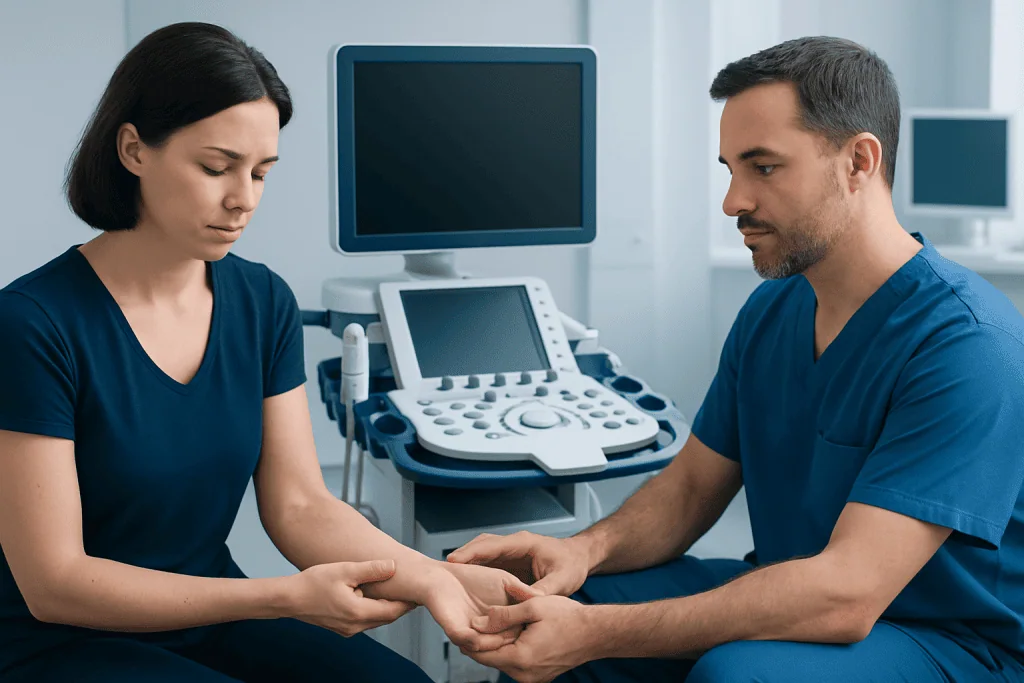
The most common symptoms are numbness and tingling in the hand, especially in the thumb, index finger, middle finger, and the thumb-side of the ring finger. The little finger is usually not affected because it is supplied by a different nerve. Symptoms may feel like pins and needles, burning, mild electric sensations, or a hand that “falls asleep.”
Many people notice symptoms at night or early in the morning. This can happen because the wrist may bend during sleep, increasing pressure inside the carpal tunnel. Shaking the hand, changing position, or hanging the hand over the side of the bed may temporarily relieve the sensation.
As the condition progresses, symptoms may occur during daytime activities such as holding a phone, driving, typing, using tools, or reading a book. Some people report dropping objects, difficulty buttoning clothes, or reduced grip strength. In more advanced cases, the muscles at the base of the thumb may become smaller or weaker, which can affect daily hand function.
- Numbness or tingling in the thumb, index, middle, or ring finger
- Nighttime hand symptoms that wake the person from sleep
- Pain that may travel from the wrist into the hand or forearm
- Weakness with gripping, pinching, or holding objects
- Clumsiness or reduced hand coordination
Causes and Risk Factors

Carpal tunnel syndrome develops when the median nerve is under increased pressure at the wrist. This pressure may be related to swelling around the tendons, a smaller carpal tunnel space, wrist position, inflammation, fluid retention, or medical conditions that affect nerves and tissues. In many people, there is not one single cause but a combination of factors.
Repetitive hand use can contribute to symptoms, especially when tasks involve forceful gripping, vibration, prolonged wrist bending, or repeated pinching. However, typing alone is not the only cause. Work-related, household, sports, and hobby activities may all play a role when they place sustained stress on the wrist and hand.
Some health conditions can increase the likelihood of carpal tunnel syndrome. These include diabetes, thyroid disease, rheumatoid arthritis, kidney disease, and conditions that cause fluid retention. Pregnancy can also lead to temporary symptoms due to hormonal and fluid changes. Prior wrist fractures, arthritis, or structural changes in the wrist may narrow the carpal tunnel and increase nerve pressure.
- Repetitive or forceful hand and wrist activity
- Use of vibrating tools
- Diabetes or other conditions that affect nerve health
- Inflammatory arthritis or tendon swelling
- Pregnancy-related fluid retention
- Previous wrist injury or fracture
Diagnosis and Nerve Testing
Diagnosis begins with a medical history and physical examination. The doctor will ask which fingers are affected, when symptoms occur, what activities make them worse, and whether there is weakness or pain elsewhere in the arm. The examination may include checking sensation, muscle strength, thumb movement, reflexes, and signs of nerve irritation at the wrist.
Specific examination maneuvers may reproduce symptoms by gently positioning or tapping around the wrist. These tests can support the diagnosis, but they are not perfect on their own. Doctors also consider other possible causes of hand numbness, such as nerve compression in the neck, ulnar nerve problems at the elbow, peripheral neuropathy, arthritis, or tendon disorders.
Nerve conduction studies are commonly used when the diagnosis is uncertain, symptoms are moderate to severe, surgery is being considered, or another nerve condition must be ruled out. During this test, small electrical signals measure how well the median nerve carries impulses across the wrist. Electromyography, often called EMG, may be performed with nerve conduction testing to assess muscle electrical activity and check for nerve injury or other conditions.
Imaging is not needed for every patient. Ultrasound or MRI may be used in selected cases, such as suspected masses, unusual anatomy, previous trauma, or persistent symptoms after treatment. The goal of testing is to confirm the diagnosis, understand severity, and choose treatment that matches the person’s symptoms and nerve function.
Treatment Options
Treatment depends on symptom severity, how long symptoms have been present, nerve test results, hand function, and the person’s daily needs. Mild or early carpal tunnel syndrome may improve with non-surgical care. More advanced cases, especially those with constant numbness, muscle weakness, or nerve damage on testing, may require more direct treatment.
Non-surgical care often starts with a wrist splint worn at night. A splint keeps the wrist in a neutral position and may reduce pressure on the median nerve during sleep. Activity modification can also help, such as taking breaks, changing tool grips, adjusting keyboard or workstation position, avoiding prolonged wrist bending, and reducing vibration exposure where possible.
Medication may be used to ease pain or inflammation, depending on the person’s health history and a doctor’s advice. Corticosteroid injection into the carpal tunnel may provide symptom relief for some patients, particularly when symptoms are inflammatory or temporary. Hand therapy may include nerve-gliding exercises, tendon-gliding exercises, ergonomic education, and strategies to reduce irritation during daily tasks.
Carpal tunnel release surgery may be recommended when conservative treatment does not help, symptoms are severe, or there is evidence of nerve compression that threatens lasting function. The procedure releases the ligament forming the roof of the carpal tunnel, creating more space for the median nerve. It may be performed through an open or endoscopic technique, depending on the patient and surgeon’s assessment. Recovery varies, but many people gradually regain comfort and hand use with appropriate wound care and rehabilitation guidance.
Prevention and Self-Care
Not all cases of carpal tunnel syndrome can be prevented, especially when symptoms are related to anatomy, pregnancy, or medical conditions. However, reducing strain on the wrist and supporting general nerve health may lower symptom burden and help prevent flare-ups. Self-care should be gentle and should not replace medical assessment when symptoms persist.
Keeping the wrist in a neutral position during repeated activities can reduce pressure in the carpal tunnel. People who work at a computer may benefit from adjusting chair height, keyboard position, mouse use, and forearm support. Those using tools may consider padded grips, lighter force, alternating tasks, and regular rest breaks. If a task causes tingling or numbness, changing position early may prevent symptoms from building.
At night, a neutral wrist splint can be helpful for people who wake with hand numbness. Stretching the fingers, gently moving the wrist, and avoiding sleeping with the wrist bent under the body may also help. People with diabetes, thyroid disease, inflammatory arthritis, or other related conditions should follow their doctor’s plan, as good overall condition management may support nerve and tendon health.
- Use a neutral wrist posture when possible
- Take short, regular breaks during repetitive hand tasks
- Reduce forceful gripping and vibration exposure when practical
- Use a night splint if recommended by a clinician
- Seek care early for persistent numbness or weakness
When to See a Doctor
A person should seek medical advice if numbness, tingling, pain, or weakness in the hand lasts more than a short time, returns frequently, wakes them at night, or affects daily activities. Early evaluation is especially important if symptoms are constant, if objects are being dropped, or if the thumb muscles seem weaker or smaller. These signs may indicate more significant nerve compression.
Medical care is also important when symptoms are present in both hands, associated with neck pain, spreading up the arm, or occurring with other nerve symptoms in the feet or body. In these situations, the doctor may look for additional causes such as cervical nerve compression or peripheral neuropathy. A precise diagnosis helps avoid delays and ensures the right treatment is chosen.
People with pregnancy-related symptoms, diabetes, inflammatory arthritis, thyroid disease, or a history of wrist injury should discuss symptoms with a qualified clinician. Treatment may need to be adapted to the person’s overall health, medications, and life stage. For international patients, Acibadem International’s multidisciplinary specialists and JCI-accredited hospitals can provide assessment and treatment planning for carpal tunnel syndrome when appropriate.
Frequently asked questions
What does carpal tunnel syndrome feel like?
It often feels like numbness, tingling, burning, or pins and needles in the thumb, index finger, middle finger, and part of the ring finger. Symptoms may be worse at night or during activities such as driving, holding a phone, or using tools. Some people also notice hand weakness or clumsiness.
Can carpal tunnel syndrome go away without surgery?
Mild or early symptoms may improve with wrist splinting, activity changes, hand therapy, and treatment of contributing medical conditions. Some pregnancy-related cases improve after delivery as fluid balance changes. Persistent, worsening, or severe symptoms should be assessed by a doctor to avoid ongoing nerve irritation.
What is nerve testing for carpal tunnel syndrome?
Nerve conduction studies measure how well electrical signals travel through the median nerve at the wrist. Electromyography, or EMG, may also be used to evaluate muscle activity and look for signs of nerve injury. These tests help confirm the diagnosis and estimate severity.
Is carpal tunnel surgery painful?
Carpal tunnel release is usually performed with anesthesia to keep the patient comfortable during the procedure. Some soreness, swelling, or tenderness can occur during recovery, but this is typically managed with the surgeon’s aftercare plan. The expected recovery timeline varies depending on the technique used, the person’s health, and the type of work or activity they return to.
Which fingers are affected by carpal tunnel syndrome?
Carpal tunnel syndrome usually affects the thumb, index finger, middle finger, and the thumb-side of the ring finger. The little finger is typically not involved because it is supplied by the ulnar nerve, not the median nerve. If the little finger is numb, another nerve condition may also need evaluation.
Can exercises help carpal tunnel syndrome?
Some people benefit from guided tendon-gliding or nerve-gliding exercises, especially when symptoms are mild. Exercises should be gentle and should not worsen numbness or pain. A doctor or hand therapist can recommend appropriate movements based on the person’s symptoms and examination.
References
- American Academy of Orthopaedic Surgeons
- National Institute of Neurological Disorders and Stroke
- Mayo Clinic
- Cleveland Clinic
- British Society for Surgery of the Hand
This article is for general information only and is not a substitute for professional medical advice. Please consult a qualified doctor about your individual situation.
Joint and spine care in Turkey — expert assessment & treatment
JCI-accredited · board-certified surgeons · reply within 24h
Add us as a Preferred Source to see more of our trusted health content across Google Search, AI Overviews and Discover.

Orthopedics & Spine
Care for bones, joints and the musculoskeletal system, including joint replacement, sports injuries and trauma.
125 specialists in this unitMore from the Health Library



Related Specialists

Dr. Gül Yüksel
Anesthesiology
Merve Güvendi
Physical Medicine & Rehabilitation
Assoc. Prof. Dr. Serap Aktaş Yıldırım
Anesthesiology
Prof. Dr. Kemal Özyurt
Dermatology