Cells: A Complete Medical Overview

Cells are the body's basic structural and functional units. Different cells have specialized jobs, such as carrying oxygen, sending nerve signals, or fighting infection.
Key Takeaways
- Cells are the body's basic structural and functional units.
- Different cells have specialized jobs, such as carrying oxygen, sending nerve signals, or fighting infection.
- Healthy cells need oxygen, nutrients, balanced hormones, and protection from toxins and infections.
- Changes in cell growth, repair, or communication can lead to many medical conditions.
- Doctors use blood tests, imaging, biopsies, and genetic tests to investigate cell-related disorders.
Cells are the smallest living units in the human body and the foundation of every tissue, organ, and body system. Understanding how cells work helps explain growth, healing, immunity, aging, and many diseases in a clear, practical way.
Overview: What Are Cells?
Cells are the basic building blocks of life. In the human body, every organ, tissue, and system is made of cells working together in an organized way. They take in nutrients, produce energy, respond to signals, repair damage, and help keep the body alive and balanced.
Although cells are microscopic, their role is enormous. Muscle movement, brain activity, wound healing, hormone release, and immune defense all depend on healthy cells. Even when people think about a condition affecting a specific organ, the problem often begins with changes inside individual cells or in how groups of cells communicate.
Human cells share a common structure, but they are not all the same. A skin cell, nerve cell, and blood cell each look different and perform very different tasks. This specialization allows the body to carry out complex functions efficiently, from breathing and digestion to memory and reproduction.
Looking at health through the lens of cells can make medical information easier to understand. It helps explain why nutrition, sleep, exercise, stress management, infection prevention, and regular medical care all matter: these factors influence how cells grow, repair themselves, and function over time.
How Cells Are Built and How They Work
Most human cells contain several important parts. The cell membrane forms the outer boundary and controls what enters and leaves the cell. Inside, the cytoplasm holds specialized structures that help the cell perform daily tasks. In many cells, the nucleus stores genetic material, which acts like an instruction manual for growth, function, and repair.
Cells also contain smaller internal structures called organelles. Mitochondria help produce energy. Ribosomes help build proteins. The endoplasmic reticulum and Golgi apparatus process and transport important substances. Lysosomes help break down waste. These systems work together continuously, often without any awareness from the person.
Cells do not work in isolation. They receive chemical messages from hormones, nerves, and nearby cells. They also respond to oxygen levels, hydration, inflammation, and immune activity. This communication is essential because the body must coordinate billions of cells to maintain temperature, blood pressure, metabolism, and healing.
One of the most important features of cells is their ability to divide and renew. Some cells, such as skin and blood cells, are replaced often. Others, such as many nerve cells, are less easily replaced. When cell division or repair becomes abnormal, health problems can develop, including infections, immune disorders, organ dysfunction, or cancer.
Main Types of Cells in the Human Body

The human body contains many cell types, each adapted for a specific role. Epithelial cells cover body surfaces and line organs, helping with protection, absorption, and secretion. Muscle cells contract to create movement. Nerve cells, also called neurons, send electrical signals that support sensation, thought, and body control.
Blood cells are another major group. Red blood cells carry oxygen from the lungs to tissues. White blood cells help defend against infection and coordinate immune responses. Platelets support clotting and wound repair. Problems affecting blood cell production or function may be investigated with laboratory testing and, in some cases, more specialized assessment for disorders such as leukemia.
Connective tissue cells include bone cells, cartilage cells, and fat cells. Bone cells help maintain skeletal strength. Fat cells store energy and produce hormones that influence metabolism. Cells in the digestive tract help absorb nutrients, while liver cells process toxins and support metabolism. Reproductive cells have specialized roles in fertility and development.
Stem cells deserve special mention because they can develop into different cell types under the right conditions. They play an important role in growth, maintenance, and repair. In some medical settings, stem-cell-based approaches may be considered as part of advanced care, including selected bone marrow transplant programs for blood-related diseases.
Why Cell Health Matters
When cells are healthy, organs can do their jobs properly. The heart pumps, the lungs exchange oxygen, the kidneys filter waste, and the brain processes information. Good cell function also supports immunity, fertility, tissue repair, and healthy aging. This is why cell health is closely linked to overall well-being.
Cells need a steady supply of oxygen, water, vitamins, minerals, proteins, and healthy fats. They also depend on balanced blood flow and normal hormone signaling. If these needs are not met, cells may become stressed or damaged. Temporary stress can often be repaired, but long-term injury may lead to inflammation, tissue dysfunction, or cell death.
Many everyday factors affect cells. Smoking, excessive alcohol use, air pollution, chronic high blood sugar, poor sleep, and prolonged stress can all interfere with normal cell function. Infections may invade cells directly or trigger inflammatory responses that disturb surrounding tissues. Over time, these effects may contribute to chronic disease.
Cellular changes are also a normal part of aging. Older cells may repair damage less efficiently or communicate less effectively. This does not automatically mean disease, but it can increase vulnerability to conditions involving the heart, metabolism, immune system, bones, or the nervous system. Regular health monitoring helps identify concerns early, often before symptoms become severe.
How Cell Problems Lead to Disease
Many illnesses begin when cells are injured, inflamed, infected, or no longer able to regulate growth properly. For example, a viral infection may enter cells and use them to reproduce. In autoimmune disease, the immune system may mistakenly attack the body’s own cells. In metabolic disease, cells may not respond normally to insulin or other signals.
Abnormal cell growth is another important mechanism. Normally, the body controls when cells divide, mature, and die. If these controls fail, cells may multiply too quickly or survive when they should not. This can lead to benign growths or cancers. When doctors suspect abnormal tissue growth, they may recommend imaging and sometimes biopsy to examine cells more closely.
Inherited genetic changes can also affect how cells function. Some conditions are present from birth, while others increase disease risk later in life. Genetic changes may influence blood cells, muscle cells, nerve cells, or organ-specific cells. In selected situations, genetic testing can help clarify diagnosis, risk, or family implications.
Cell-related disease may be acute or chronic. A short-term infection can disturb cells briefly and then resolve. Chronic conditions, such as diabetes, inflammatory disorders, or kidney disease, may place ongoing stress on cells across multiple organs. Understanding the cellular basis of disease helps guide treatment, follow-up, and lifestyle support.
How Doctors Evaluate Cell Health and Cell-Related Disorders
Doctors do not usually examine most body cells directly during a routine visit, but they gather important clues through symptoms, examination findings, and tests. Blood tests can show how blood cells are functioning, whether inflammation is present, and whether organs such as the liver, kidneys, or thyroid are affecting cellular balance.
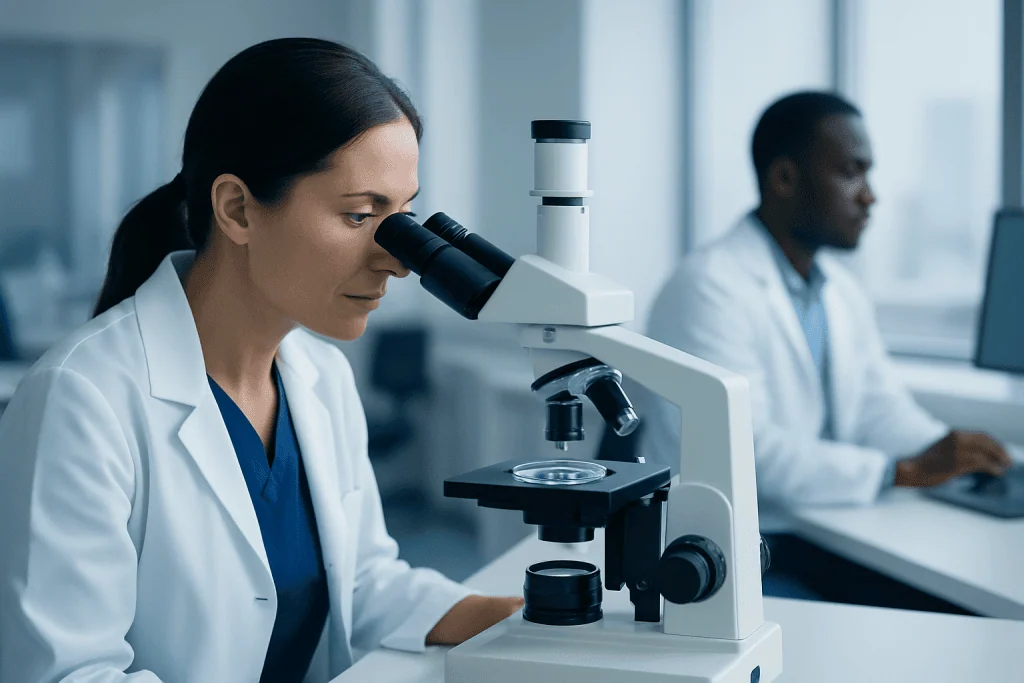
Imaging tests, including ultrasound, CT, or MRI, may reveal structural changes in tissues that suggest cell injury, inflammation, or abnormal growth. If a more precise answer is needed, a tissue sample may be taken and examined under a microscope. This allows specialists to assess cell appearance, organization, and signs of infection or malignancy.
Depending on the situation, doctors may also use microbiology tests, immune system markers, or molecular and genetic studies. These tools help identify infections, inherited conditions, blood disorders, and cancers. The choice of tests depends on age, symptoms, medical history, family history, and the organ system involved.
Evaluation is often multidisciplinary. A primary care physician may work with specialists in hematology, oncology, pathology, neurology, endocrinology, or genetics. For international patients who need coordinated assessment, Acibadem International’s multidisciplinary specialists in JCI-accredited hospitals diagnose and treat complex cell-related conditions using modern laboratory, imaging, and specialty services.
Supporting Healthy Cells in Daily Life
While not all cell problems can be prevented, many healthy habits support normal cell function. A balanced diet provides building blocks for repair and energy production. Adequate hydration supports circulation and transport of nutrients. Regular physical activity improves blood flow, insulin sensitivity, and cardiovascular health, all of which help cells work efficiently.
Sleep is another essential factor. During sleep, the body carries out repair processes that affect immunity, hormone balance, brain function, and tissue recovery. Managing stress also matters because persistent stress hormones can influence inflammation, blood pressure, sleep quality, and metabolic regulation at the cellular level.
People can further protect cells by avoiding tobacco, limiting alcohol, following vaccination guidance, and using sun protection. Reducing exposure to environmental toxins when possible may also help. Preventive care, including age-appropriate screening and management of chronic conditions such as high blood pressure or diabetes, lowers long-term strain on cells and tissues.
Self-care should complement, not replace, professional advice. Symptoms such as unexplained fatigue, weight loss, frequent infections, unusual bleeding, persistent pain, or a new lump deserve medical evaluation. Early assessment can identify whether the issue is temporary, treatable, or a sign of a more serious underlying problem.
When to Seek Medical Care
Most people do not need medical attention simply because they are learning about cells. However, they should seek care if they have symptoms that suggest the body’s cells, tissues, or organs are not functioning normally. Examples include ongoing fever, unusual bruising, persistent swelling, skin changes, new neurological symptoms, shortness of breath, or fatigue that does not improve with rest.
Prompt assessment is especially important when symptoms are severe, sudden, or progressive. A doctor may recommend examination, blood work, imaging, or referral to a specialist depending on the pattern of symptoms. Early evaluation can improve diagnosis and guide treatment before complications develop.
People with a strong family history of inherited disorders, certain cancers, or unexplained blood diseases may also benefit from discussing screening or genetic counseling with a qualified clinician. This does not always mean disease is present, but it can help clarify personal risk and support informed decisions.
Medical care should always be individualized. If there is concern about persistent or unexplained symptoms, the safest step is to consult a healthcare professional who can interpret the full clinical picture and recommend the next steps.
Frequently asked questions
What are cells in simple terms?
Cells are the smallest living units that make up the human body. They form tissues and organs, produce energy, carry information, and perform specialized jobs needed for life.
How many types of cells are in the human body?
There are many different types of human cells, often grouped by function and tissue type. Examples include blood cells, nerve cells, muscle cells, skin cells, and bone cells, each with a distinct role.
Why are cells important for health?
Cells are important because every body function depends on them. Growth, healing, immunity, movement, and organ function all rely on cells working normally and communicating effectively.
Can damaged cells recover?
Some damaged cells can recover if the stress is mild and the body has the resources to repair them. In other cases, cells may die and be replaced, or the damage may become long term if the underlying cause continues.
What causes cells to become abnormal?
Cells can become abnormal because of infections, inflammation, toxins, radiation, inherited genetic changes, aging, or chronic diseases. Problems in cell growth and repair can sometimes lead to tumors or cancer.
How do doctors check for cell-related problems?
Doctors often start with a medical history, physical examination, and blood tests. Depending on the concern, they may also use imaging, tissue biopsy, or genetic testing to understand how cells are behaving.
References
- World Health Organization
- National Institutes of Health
- MedlinePlus
- National Cancer Institute
- Centers for Disease Control and Prevention
This article is for general information only and is not a substitute for professional medical advice. Please consult a qualified doctor about your individual situation.
Explore treatments in Turkey — costs, top hospitals & a free quote
JCI-accredited · board-certified surgeons · reply within 24h
Add us as a Preferred Source to see more of our trusted health content across Google Search, AI Overviews and Discover.
Check your numbers in seconds
BMI, calories, due date, blood pressure and 30+ more clinical calculators — free, instant, doctor-reviewed ranges.

More from the Health Library



Related Specialists
Dr. Müjgan Orman
Radiology
Dr. Mehtap Baştuğral
Clinical Laboratory
Asst. Prof. Dr. Hülya Kuşoğlu
Infectious Diseases & Clinical Microbiology
Prof. Dr. Eren Erken
Internal Medicine