Cerclage — Explained by Medical Evidence, Not Myths

Cerclage is used to support the cervix in pregnancies at risk of early cervical opening. It may be recommended based on past pregnancy history, ultrasound findings, or changes seen on examination.
Key Takeaways
- Cerclage is used to support the cervix in pregnancies at risk of early cervical opening.
- It may be recommended based on past pregnancy history, ultrasound findings, or changes seen on examination.
- The procedure does not prevent every preterm birth, but it can be helpful for selected patients.
- Warning signs after cerclage include contractions, bleeding, leakage of fluid, fever, or increasing pelvic pressure.
- Close follow-up with an obstetrician or maternal-fetal medicine specialist is important before and after the procedure.
Cerclage is a procedure in which a strong stitch is placed around the cervix during pregnancy to help it stay closed when there is concern that it may open too early. It is not needed in most pregnancies, but for carefully selected patients it can reduce pregnancy loss or preterm birth risk.
Overview: what cerclage is and what it is not
Cerclage, also called cervical cerclage, is a procedure used during pregnancy when the cervix may be at risk of opening too soon. A doctor places a stitch around the cervix to help keep it closed and support the pregnancy. The goal is to reduce the chance of pregnancy loss in the second trimester or certain types of preterm birth.
Medical evidence shows that cerclage is most useful in specific situations rather than as a routine treatment for all pregnant patients. It is usually considered when there is a history strongly suggesting cervical insufficiency, when ultrasound shows a very short cervix in a high-risk pregnancy, or when the cervix is already opening early on examination.
Cerclage is sometimes described online in overly simple terms, but it is neither a guarantee nor a sign that something was done wrong. It is one tool among several used to manage preterm birth risk. Depending on the situation, doctors may also consider ultrasound monitoring, activity guidance, treatment of infections when present, or other supportive pregnancy care.
Most cerclage procedures are performed through the vagina. In more complex cases, a stitch may be placed higher on the cervix through the abdomen, often called transabdominal cerclage. The type used depends on the patient’s medical history, cervical anatomy, and prior pregnancy outcomes.
Why cerclage may be recommended
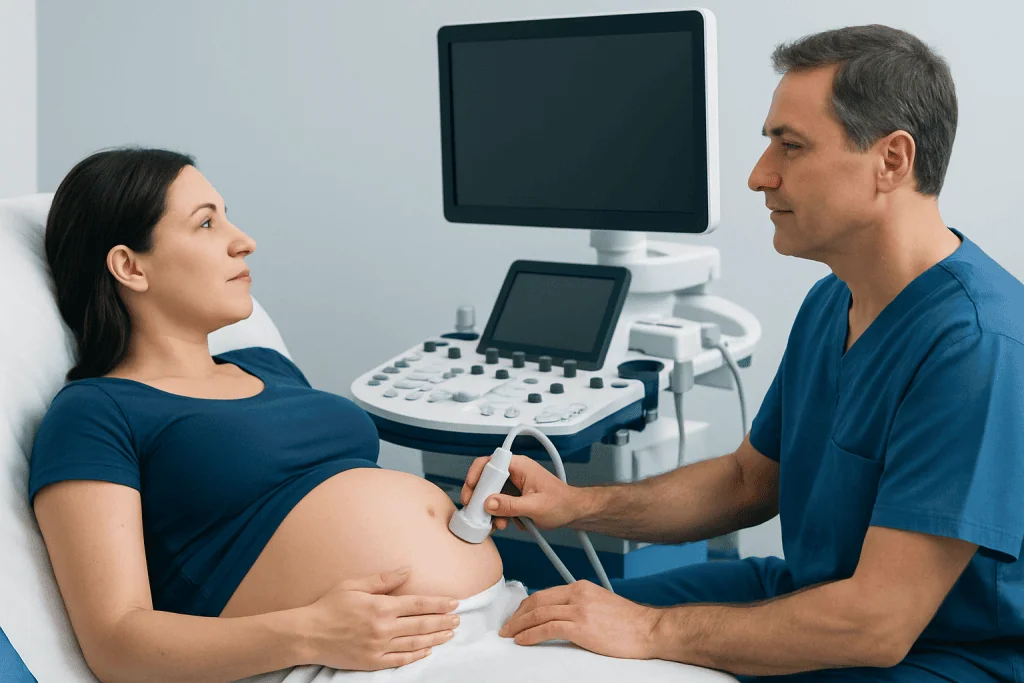
The main reason for cerclage is concern about cervical insufficiency. This term refers to a cervix that shortens, softens, or opens too early without the usual signs of labor. When this happens in the second trimester, it can increase the risk of pregnancy loss or very early delivery.
Doctors generally consider cerclage in three evidence-based settings. One is a history-indicated cerclage, used for patients with certain prior second-trimester losses or previous cerclage due to painless cervical dilation. Another is an ultrasound-indicated cerclage, considered when a patient with a prior spontaneous preterm birth develops a short cervix on pregnancy ultrasound. The third is an exam-indicated or emergency cerclage, used when the cervix is already opening on physical examination.
Not every short cervix leads to cerclage. For some patients, other approaches may be more appropriate depending on gestational age, symptoms, pregnancy history, and ultrasound results. This is why obstetric care teams rely on a full clinical picture rather than one measurement alone.
When related concerns such as preterm labor or fetal conditions are present, specialists may also evaluate for associated issues. In broader pregnancy care, patients may hear related terms such as premature birth risk or the need for detailed perinatology care during high-risk pregnancy assessment.
Symptoms and signs that can lead to evaluation

Cervical changes can happen silently, which is why some patients have no clear symptoms before evaluation. In other cases, there may be mild pelvic pressure, lower back discomfort, increased vaginal discharge, light spotting, or a feeling that something is different from the usual course of pregnancy.
These symptoms do not automatically mean the cervix is opening. They can also occur with normal pregnancy changes, infection, or early contractions. Even so, they deserve medical attention, especially in the second trimester or if the patient has a history of preterm birth or pregnancy loss.
Some patients are identified only because routine ultrasound shows cervical shortening. A transvaginal ultrasound is often the most accurate way to measure cervical length during pregnancy. This helps doctors decide whether close monitoring is enough or whether interventions should be discussed.
It is also important to separate cervical insufficiency from active labor. Cerclage is generally not used if there are strong ongoing contractions, significant vaginal bleeding, infection inside the uterus, or ruptured membranes, because in those situations the risks may outweigh the benefits.
How doctors diagnose the need for cerclage
There is no single blood test that determines whether cerclage is needed. Diagnosis and decision-making rely on pregnancy history, symptoms, pelvic examination, and ultrasound findings. The care team considers when any past losses or preterm births occurred, whether they were associated with contractions, and how the cervix looks in the current pregnancy.
Transvaginal ultrasound is a key tool because it allows precise cervical length measurement. In some high-risk pregnancies, serial ultrasounds are done over time to see whether the cervix is shortening. A very short cervix, especially in a patient with a prior spontaneous preterm birth, may support a recommendation for cerclage.
If the cervix appears open on physical examination, the doctor may discuss an urgent or rescue cerclage. Before proceeding, they usually check for signs of labor, bleeding, infection, or ruptured membranes. The fetal condition and gestational age are also part of the decision.
The evaluation may include broader obstetric imaging and specialist review. In some cases, this naturally overlaps with services such as pregnancy follow-up and targeted ultrasonography to guide safe, individualized care.
Types of cerclage and what the procedure involves
The most common methods are vaginal cerclage techniques, usually called McDonald or Shirodkar cerclage. Both place a strong stitch around the cervix through the vagina. The exact technique depends on the doctor’s judgment and the patient’s anatomy, but the overall aim is the same: to reinforce the cervix and help it remain closed.
A transabdominal cerclage is less common and is usually reserved for patients who have had a failed vaginal cerclage before or have cervical anatomy that makes the vaginal approach less suitable. This stitch is placed higher at the cervix, through abdominal surgery, and it is often left in place for future pregnancies. Delivery in that situation is typically by cesarean birth.
Most vaginal cerclages are placed under regional or general anesthesia. The procedure is usually relatively short, and many patients go home the same day or after brief observation, depending on the clinical situation. Some cramping or light spotting can occur afterward.
In many cases, a vaginal cerclage is removed near the end of pregnancy, often around 36 to 37 weeks, or earlier if labor begins or the membranes rupture. Removal is usually simpler than placement. The timing may differ based on individual circumstances and the type of stitch used.
Benefits, risks, and limits of treatment
For the right patient, cerclage can lower the risk of pregnancy loss or early preterm birth. The benefit is strongest when the reason for placing the stitch matches situations supported by clinical evidence, such as certain prior pregnancy losses or a high-risk pregnancy with marked cervical shortening.
Still, cerclage has limits. It does not eliminate all risk, and it is not helpful for every cause of preterm birth. Preterm birth can also result from infection, placental problems, multiple pregnancy, fetal conditions, or spontaneous preterm labor unrelated to cervical insufficiency.
Potential risks include cramping, bleeding, infection, rupture of membranes, injury to the cervix, or triggering contractions. Emergency cerclage can carry higher risks than planned placement because the cervix may already be opening and membranes may be bulging.
Doctors weigh these risks carefully before recommending the procedure. Shared decision-making is important, and patients should feel comfortable asking why cerclage is or is not advised in their particular case. The goal is individualized care based on current pregnancy findings and the person’s obstetric history.
Recovery, self-care, and follow-up after cerclage
After cerclage, many patients are advised to rest briefly on the day of the procedure and then return gradually to usual daily activities as recommended by their doctor. Mild cramping, light spotting, or a small amount of discharge may happen for a short time. Follow-up visits help check symptoms and monitor the ongoing pregnancy.
Patients are often told to avoid intercourse, vaginal insertion, or strenuous activity for a period after placement, although advice differs depending on the case and the doctor. It is important to follow the specific instructions given by the obstetric care team rather than relying on general online advice.
Self-care also includes paying attention to hydration, taking prescribed medications exactly as directed, and reporting new symptoms promptly. Some patients will continue to have cervical length monitoring, while others may need a different pattern of follow-up based on gestational age and risk level.
Near the end of pregnancy, the team will discuss when the stitch should be removed and how labor planning may be affected. At centers caring for international patients, Acibadem International’s multidisciplinary specialists and JCI-accredited hospitals provide diagnosis and treatment for high-risk pregnancy conditions, including coordinated obstetric follow-up when cerclage is being considered.
When to seek medical care
Medical care should be sought promptly during pregnancy if there is vaginal bleeding, fluid leakage, fever, regular contractions, severe pelvic pressure, worsening back pain, or a feeling that the baby or membranes are pressing downward. These symptoms do not always mean a complication, but they should be assessed without delay.
After cerclage, urgent evaluation is especially important if symptoms suggest infection, ruptured membranes, or labor. Patients should also contact their doctor if they notice foul-smelling discharge, chills, or pain that is getting stronger rather than improving.
Even before any procedure, patients with a history of second-trimester loss, prior spontaneous preterm birth, or a previously diagnosed short cervix should discuss this early in pregnancy. Early review allows time for monitoring and, if needed, consideration of preventive options.
If there is uncertainty, it is safer to call an obstetrician, maternity unit, or emergency service for guidance. Pregnancy symptoms can change quickly, and timely assessment helps doctors decide whether observation, testing, or treatment is needed.
Frequently asked questions
What is cerclage in pregnancy?
Cerclage is a stitch placed around the cervix during pregnancy to help it stay closed if there is concern it may open too early. It is used in selected situations to reduce the risk of certain pregnancy losses or preterm births.
Is cerclage the same as treatment for a short cervix?
Not exactly. A short cervix is one finding that may lead doctors to consider cerclage, but not everyone with a short cervix needs the procedure. The decision depends on the pregnancy history, gestational age, symptoms, and ultrasound findings.
When is cerclage usually done?
A planned cerclage is often placed in the late first trimester or early second trimester when there is a strong reason based on prior history. In some cases, it is done later if ultrasound or physical examination shows the cervix is shortening or opening.
Does cerclage guarantee that a baby will not be born early?
No. Cerclage can reduce risk in the right situation, but it does not prevent every preterm birth. Other causes of early delivery may still occur, so ongoing pregnancy follow-up remains important.
Is bed rest always required after cerclage?
Not always. Recommendations vary by patient and by the reason the cerclage was placed. Many people can return to light daily activities after a short recovery period, but they should follow their doctor's specific instructions.
Can cerclage be removed before delivery?
Yes. A vaginal cerclage is commonly removed near the end of pregnancy or earlier if labor starts, the membranes rupture, or another medical reason arises. The timing is individualized, so the obstetrician will explain the plan clearly.
References
- American College of Obstetricians and Gynecologists
- Society for Maternal-Fetal Medicine
- Royal College of Obstetricians and Gynaecologists
- National Institute for Health and Care Excellence
- World Health Organization
This article is for general information only and is not a substitute for professional medical advice. Please consult a qualified doctor about your individual situation.
Explore treatments in Turkey — costs, top hospitals & a free quote
JCI-accredited · board-certified surgeons · reply within 24h
Add us as a Preferred Source to see more of our trusted health content across Google Search, AI Overviews and Discover.

More from the Health Library

Rapid Cycling Bipolar: What Patients Need to Know

French Cognac: A Complete Medical Overview

Labia Majora: A Complete Medical Overview

Parasitism: What Patients Need to Know

Thai Basil: What Patients Need to Know