Cerebral Angiography Recovery: Side Effects, Activity Limits, and Warning Signs

Most people recover from cerebral angiography within a day or two, though individual instructions may vary. Mild bruising, tenderness, and fatigue are common after the procedure.
Key Takeaways
- Most people recover from cerebral angiography within a day or two, though individual instructions may vary.
- Mild bruising, tenderness, and fatigue are common after the procedure.
- Heavy lifting, strenuous exercise, and soaking the puncture site are usually limited for a short time.
- Urgent warning signs include increasing bleeding, worsening swelling, severe headache, chest pain, trouble breathing, or stroke-like symptoms.
- Following hydration, wound-care, and medication instructions helps support safe recovery.
Cerebral angiography recovery is usually straightforward, with most people going home the same day or after a short observation period. Mild soreness and tiredness are common, but certain warning signs need prompt medical attention.
Overview of Cerebral Angiography Recovery
Cerebral angiography is a test that shows the blood vessels in the brain, head, and neck using contrast dye and X-ray imaging. It is often performed through a small catheter placed in an artery, commonly in the groin or wrist. Recovery begins as soon as the procedure ends, when the catheter is removed and pressure or a closure device is used to reduce bleeding.
For many people, cerebral angiography recovery is short and manageable. Some return home the same day, while others stay longer for observation depending on their overall health, the reason for the angiogram, and whether any additional treatment was done at the same time. The care team usually monitors blood pressure, pulse, the puncture site, and neurologic status before discharge.
It is normal to have questions about side effects, activity limits, and what symptoms are expected. Understanding the usual course of angiogram recovery can make the experience less stressful and help patients and families know when to rest, when to resume routine activities, and when to call a doctor.
Common Side Effects After the Procedure
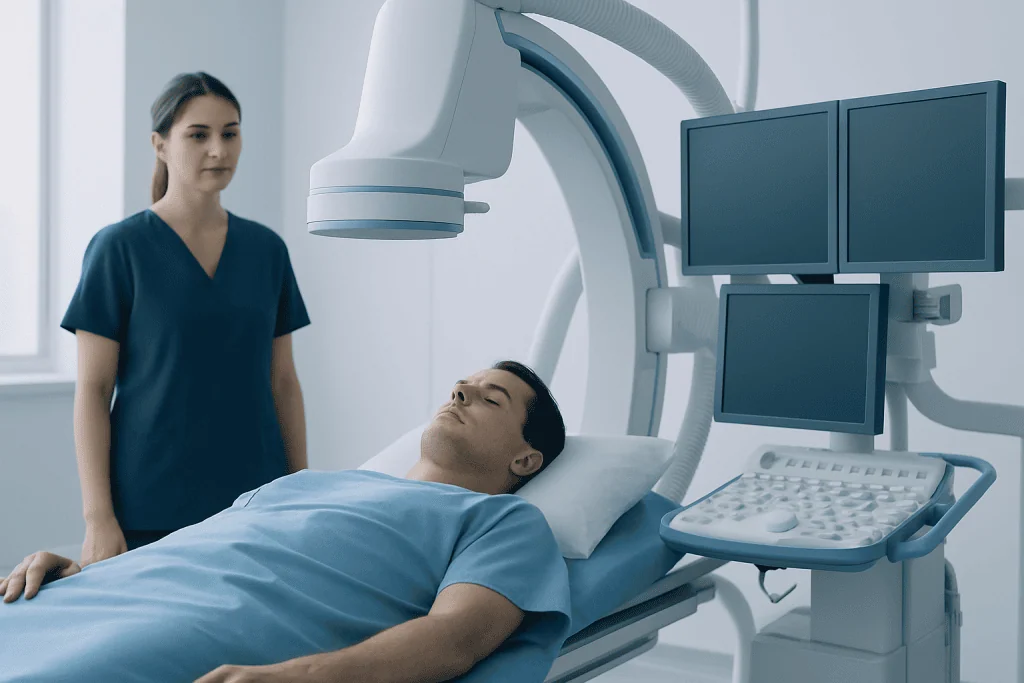
Most side effects after cerebral angiography are mild and temporary. A small bruise, soreness, or tenderness where the catheter entered the artery is common. Some people also notice mild fatigue, especially if they had sedating medication, spent time fasting before the procedure, or feel tired from the stress of the test.
A small lump at the puncture site can occur and may improve gradually over days to weeks. If contrast dye was used, some people feel briefly warm or flushed during the test, but that sensation usually passes quickly. Mild nausea or headache may happen in some cases and often settles with rest, fluids, and the care team’s advice.
Less commonly, people may have irritation from the bandage, temporary soreness from lying still, or mild dehydration if they have not had much to drink. If the angiogram was part of an evaluation for a condition such as an aneurysm or narrowed brain vessel, recovery instructions may be tailored to that condition as well, such as after assessment for a brain aneurysm.
- Bruising or tenderness at the wrist or groin
- Mild swelling around the puncture site
- Tiredness for the rest of the day
- Occasional mild headache or nausea
- Temporary discomfort from keeping the limb still
Activity Limits and Daily Care at Home

After discharge, patients are usually advised to take it easy for the rest of the day. If the catheter was placed in the groin, prolonged standing, climbing many stairs, bending deeply, and heavy lifting may be restricted for a short period. If the wrist was used, lifting, pushing, or repeated twisting with that hand may be limited. The exact timeline depends on the access site and the doctor’s instructions.
Driving is often discouraged until the effects of sedation have fully worn off, so arranging for someone to accompany the patient home is important. Many people can return to desk work and light activities within a day, but strenuous exercise, gym workouts, and sports usually need to wait a little longer. Sexual activity may also be postponed briefly if it could strain the puncture site.
Good home care supports smooth cerebral angiography recovery. Drinking water, unless a doctor has advised fluid restriction, may help the body clear contrast dye and reduce dehydration. The puncture site should be kept clean and dry. Showering is often allowed after a set period, but soaking in a bathtub, hot tub, or swimming pool is usually delayed until the site begins to heal.
Patients should follow all instructions about dressing changes and medicines, especially blood thinners, antiplatelet drugs, diabetes medicines, or blood pressure medicines. It is safest not to restart or stop any medicine without medical guidance.
Possible Risks and Warning Signs to Watch For
Although serious complications are uncommon, it is important to know the warning signs after cerebral angiography. Bleeding from the puncture site that does not stop with firm pressure needs urgent attention. Rapidly increasing swelling, severe pain, a large expanding bruise, or a cool, pale, numb, or weak hand or leg may suggest a circulation problem and should be assessed promptly.
Because cerebral angiography involves blood vessels leading to the brain, stroke-like symptoms should never be ignored. Emergency care is needed for sudden weakness, facial drooping, numbness, trouble speaking, confusion, vision changes, dizziness, loss of balance, or a sudden severe headache. These symptoms are not expected parts of routine angiogram recovery.
Other warning signs include chest pain, shortness of breath, fainting, fever, or signs of an allergic reaction such as widespread rash, swelling, or trouble breathing. A small amount of bruising is common, but worsening redness, warmth, pus, or increasing tenderness around the puncture site may point to infection and should be reported to a clinician.
- Bleeding that continues or soaks the bandage
- Rapid swelling or severe pain at the puncture site
- Numbness, weakness, or color change in the affected limb
- Sudden severe headache or stroke-like symptoms
- Chest pain, breathing difficulty, fainting, or fever
How Doctors Assess Recovery Problems
If symptoms occur after discharge, doctors assess whether they are expected side effects or signs of a complication. They may ask when symptoms started, whether they are getting worse, and whether there was any bleeding, weakness, severe headache, or allergic reaction. Examination often includes checking blood pressure, pulse, the puncture site, limb circulation, and a neurologic exam.
Additional tests are sometimes needed. Blood tests may look at kidney function or blood counts, particularly if there was significant bleeding or concern about contrast-related effects. Ultrasound can help assess the artery and detect problems such as a hematoma or pseudoaneurysm near the access site. If neurologic symptoms are present, urgent brain imaging may be required.
Assessment is individualized based on why the angiogram was done in the first place. For example, some people have cerebral angiography as part of planning for interventional neuroradiology treatment or to investigate conditions such as carotid artery disease. In these situations, the medical team considers both recovery from the procedure and the underlying cerebrovascular condition.
Treatment for Side Effects and Complications
Most routine side effects need only simple supportive care. Rest, fluids, and following discharge instructions are often enough for mild soreness, bruising, or tiredness. If pain relief is needed, patients should use only the medications approved by their doctor, because some medicines can increase bleeding risk.
If there is ongoing bleeding from the puncture site, firm pressure and urgent medical review are important. Larger hematomas, pseudoaneurysms, or circulation problems may require monitoring, ultrasound-guided treatment, or vascular intervention. If an allergic reaction to contrast dye is suspected, treatment depends on the severity and may include observation, medications, or emergency care.
Neurologic complications are treated as emergencies. Sudden weakness, speech difficulty, or severe headache may prompt rapid imaging and specialist evaluation. In some cases, patients may need further hospital-based care, including stroke treatment or vascular procedures. If the angiogram was part of a broader plan for a vascular problem, options such as aneurysm treatment may be discussed after recovery from the diagnostic procedure itself.
Prevention, Self-care, and Follow-up
Careful preparation and follow-up help reduce problems after cerebral angiography. Before the test, patients should tell the care team about allergies, kidney disease, diabetes, pregnancy, and all medicines they take, especially blood thinners. After the procedure, they should follow instructions about hydration, wound care, activity, and when to restart medications.
Having a family member or friend nearby for the first several hours can be helpful, especially after sedation. It is wise to avoid alcohol, major decisions, and strenuous tasks until fully alert and physically comfortable. Checking the puncture site periodically for bleeding or swelling can help identify problems early.
Follow-up appointments are important because the angiogram results may guide next steps in care. The doctor may explain whether blood vessels looked normal or whether further monitoring or treatment is needed. Near the end of the recovery process, some patients may also discuss long-term risk reduction such as managing blood pressure, diabetes, cholesterol, or smoking.
For patients traveling for care, a coordinated plan for discharge, written instructions, and clear contact information are especially useful. Acibadem International’s multidisciplinary specialists and JCI-accredited hospitals diagnose and treat cerebrovascular conditions for international patients, including evaluation and aftercare planning when cerebral angiography is part of the care pathway.
When to See a Doctor
Patients should contact their doctor if they have concerns that are not improving as expected. Examples include increasing bruising, persistent nausea, worsening pain, a fever, redness at the puncture site, or difficulty returning to normal activity. Even when symptoms seem minor, it is reasonable to ask for guidance if something feels unusual.
Urgent or emergency care is needed for bleeding that will not stop, severe swelling, fainting, chest pain, shortness of breath, or any signs of stroke. It is better to seek prompt evaluation than to wait if neurologic symptoms appear. Quick action can be especially important when symptoms involve the brain or blood vessels.
Many people recover without difficulty, but each person’s medical situation is different. The safest approach is to use the discharge instructions as the main guide and to contact a qualified healthcare professional with any questions about cerebral angiography recovery.
Frequently asked questions
How long does cerebral angiography recovery usually take?
Many people feel mostly back to normal within 24 to 48 hours after a straightforward cerebral angiogram. Recovery can take longer if there were access-site issues, underlying medical problems, or another procedure was performed at the same time.
Is bruising normal after a cerebral angiogram?
Yes, a small bruise or mild tenderness at the groin or wrist is common after catheter removal. However, rapidly expanding bruising, severe pain, or bleeding that does not stop should be assessed urgently.
When can normal activity be resumed after cerebral angiography?
Light activity is often possible within a day, but heavy lifting and strenuous exercise are usually restricted for a short time. The exact timing depends on whether the groin or wrist was used and on the doctor’s discharge instructions.
What should be avoided after cerebral angiography?
Patients are often told to avoid driving right away if they had sedation, along with heavy lifting, vigorous exercise, and soaking the puncture site in water. They should also avoid changing blood-thinner or other prescription medicines unless their doctor advises it.
What are the danger signs after cerebral angiography?
Danger signs include uncontrolled bleeding, rapidly increasing swelling, severe headache, chest pain, trouble breathing, and any stroke-like symptom such as weakness, facial drooping, or trouble speaking. These symptoms need urgent medical attention.
Can cerebral angiography cause a headache?
A mild headache can occur in some people and may improve with rest and fluids. A sudden severe headache, especially if it is very different from usual headaches or occurs with neurologic symptoms, needs immediate medical evaluation.
References
- American Heart Association
- National Institute of Neurological Disorders and Stroke
- Radiological Society of North America
- Society of Interventional Radiology
This article is for general information only and is not a substitute for professional medical advice. Please consult a qualified doctor about your individual situation.
Explore treatments in Turkey — costs, top hospitals & a free quote
JCI-accredited · board-certified surgeons · reply within 24h
Add us as a Preferred Source to see more of our trusted health content across Google Search, AI Overviews and Discover.
Check your numbers in seconds
BMI, calories, due date, blood pressure and 30+ more clinical calculators — free, instant, doctor-reviewed ranges.

More from the Health Library



Related Specialists

Fzt. Osman Karaoğlan
Physical Medicine & Rehabilitation
Prof. Dr. Kahraman Öztürk
Orthopedic Surgery & Traumatology
Dr. Kutluhan Demirarslan
Inpatient Clinic Physicians Clinical Service
Kübra Otabaş
Physical Medicine & Rehabilitation