Cesarean Section Recovery: Pain, Activity, and When to Call Your Doctor

Cesarean section recovery usually improves week by week, but full healing takes time. Mild to moderate pain, fatigue, vaginal bleeding, and movement discomfort are common early on.
Key Takeaways
- Cesarean section recovery usually improves week by week, but full healing takes time.
- Mild to moderate pain, fatigue, vaginal bleeding, and movement discomfort are common early on.
- Gentle walking and avoiding heavy lifting can support healing and lower complication risk.
- Fever, worsening pain, heavy bleeding, shortness of breath, or incision problems should prompt medical advice.
- Follow-up care is important for physical recovery, emotional wellbeing, and breastfeeding support if needed.
Cesarean section recovery is a gradual process that involves healing from both childbirth and abdominal surgery. Most people improve steadily over several weeks with rest, pain control, wound care, and knowing when symptoms may need medical attention.
Overview of Cesarean Section Recovery
Cesarean section recovery begins immediately after birth and continues for several weeks as the body heals from a surgical delivery. A cesarean, or C-section, involves an incision through the abdominal wall and uterus, so recovery is usually longer than after a vaginal birth. At the same time, the body is also adjusting to normal postpartum changes such as uterine shrinking, vaginal bleeding, hormonal shifts, sleep disruption, and milk production.
Most people spend a few days in the hospital after a C-section, depending on their overall health, the reason for surgery, and whether there were any complications. During this time, the medical team monitors pain, bleeding, urination, walking, bowel function, and the surgical incision. Early support with feeding, infant care, and mobility can make the first days more manageable.
It is normal for recovery to feel different from one person to another. Previous births, emergency versus planned surgery, anemia, infection, sleep deprivation, and emotional stress can all affect how someone feels. A realistic expectation is that healing happens gradually, with good days and more tiring days along the way.
What Pain and Other Symptoms Are Normal?
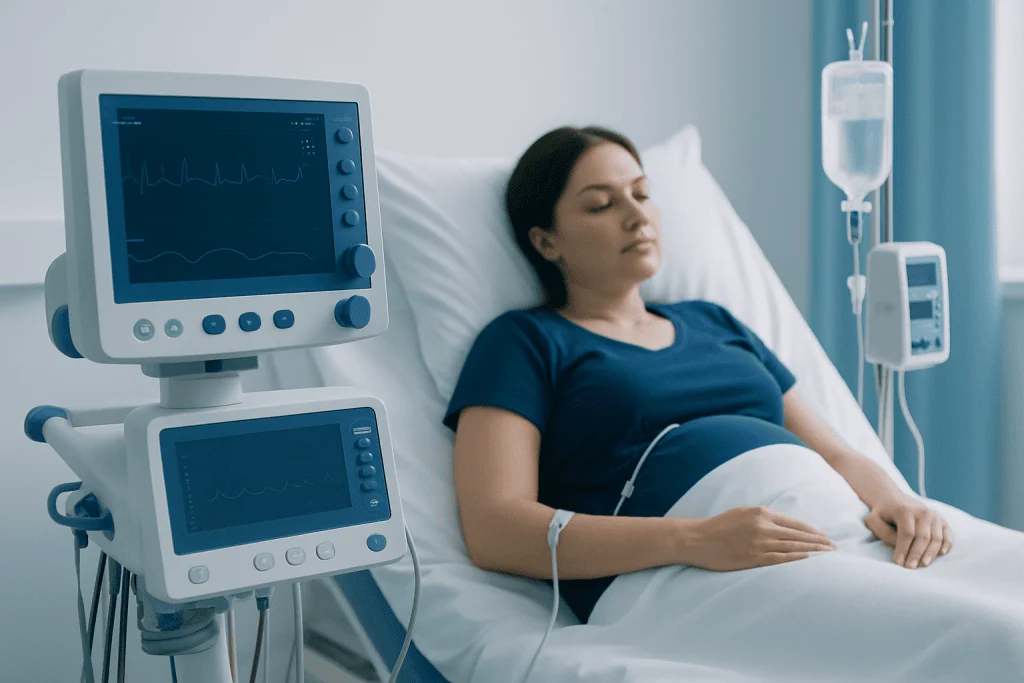
Pain around the incision is expected, especially when standing up, coughing, laughing, or changing positions. Many people describe soreness, pulling, burning, or tenderness in the lower abdomen during the first days and weeks. Cramping can also occur as the uterus contracts back to its usual size, and this may be more noticeable during breastfeeding.
Other common symptoms include fatigue, swelling in the legs or feet, constipation, gas pain, and light vaginal bleeding called lochia. The bleeding is often heaviest at first, then becomes lighter and changes from bright red to pink, brown, and then yellow-white over time. Some itching, numbness, or firmness around the scar can also happen as tissues heal.
Emotional changes are also part of recovery. Many new mothers feel tearful, overwhelmed, or more sensitive in the first days after birth. These feelings often improve with rest, support, and time. However, if sadness, anxiety, panic, hopelessness, or difficulty bonding with the baby becomes intense or persistent, medical support is important because postpartum mental health conditions are treatable.
- Common early symptoms: incision soreness, cramping, tiredness, gas pain, constipation
- Normal postpartum changes: vaginal bleeding, breast fullness, mood changes, sleep disruption
- Healing-related sensations: itching, mild swelling, numbness near the scar
Activity, Movement, and Daily Recovery Tips
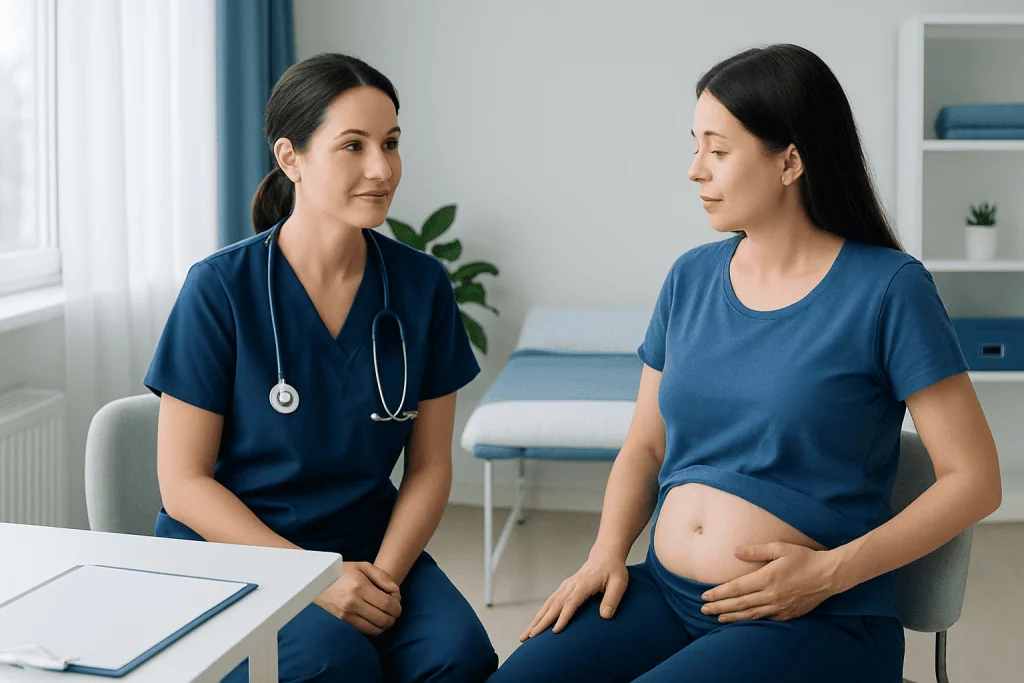
Gentle movement is an important part of cesarean section recovery. Walking as soon as the doctor or nurse says it is safe can help improve circulation, reduce the risk of blood clots, support bowel function, and ease stiffness. In the beginning, short and slow walks are enough. Over time, activity can be increased gradually based on comfort and medical advice.
Heavy lifting should usually be avoided in the early recovery period. A common practical rule is not to lift anything heavier than the baby unless the doctor says otherwise. Activities that strain the abdomen, such as intense exercise, sit-ups, or vigorous housework, should wait until healing is further along and a clinician confirms it is safe.
Simple steps can make daily tasks easier. Supporting the abdomen with a pillow when coughing or laughing may reduce discomfort. Rolling onto one side before sitting up can protect the incision area. Staying hydrated, eating fiber-rich foods, and moving regularly can also help with constipation. Adequate rest matters, even though sleep may be interrupted by newborn care.
If recovery feels slower than expected, it does not always mean something is wrong. People heal at different speeds, and pain or fatigue can increase temporarily after doing too much. A balanced approach that combines rest with gentle activity often works best.
Incision Care, Bleeding, and Self-Care at Home
Keeping the incision clean and dry is a key part of home care. Patients should follow the specific instructions given by their surgeon or maternity team, since closure methods can vary. In general, gentle washing with water and mild soap, careful drying, and wearing loose clothing can help reduce irritation. It is usually best to avoid applying creams, powders, or herbal products unless a clinician recommends them.
The incision should be checked daily for changes such as increasing redness, warmth, swelling, drainage, or separation of the wound edges. Mild bruising or tenderness can be normal early on, but worsening pain or a bad smell is not. If there are strips or dressings in place, they should be managed according to discharge instructions.
Vaginal bleeding after a C-section is also normal because the uterus is healing after pregnancy. Pads rather than tampons are usually recommended in the early postpartum period to reduce infection risk and allow easier monitoring of bleeding. Sexual activity, swimming, and baths may need to wait until a doctor confirms that healing is adequate.
Self-care after a C-section includes eating nourishing meals, drinking enough fluids, taking prescribed or recommended pain medicines as directed, and accepting practical help when available. For some patients, structured aftercare or consultation with specialists in obstetrics and gynecology care can be helpful if recovery concerns come up after discharge.
When to Call Your Doctor After a C-Section
Knowing the warning signs of complications can make recovery safer and more reassuring. A doctor should be contacted promptly if there is fever, worsening abdominal pain, heavy vaginal bleeding, passing large clots, or any sign that the incision may be infected. Bleeding that suddenly becomes much heavier after it had started to lighten should also be assessed.
Urgent medical attention is important for symptoms that may suggest a blood clot or serious infection. These include chest pain, shortness of breath, one-sided leg swelling or pain, confusion, fainting, or severe weakness. A severe headache, vision changes, or very high blood pressure symptoms can also need urgent evaluation in the postpartum period.
Mental health symptoms matter too. If a new mother feels unable to care for herself or the baby, has severe anxiety, or has thoughts of self-harm or harming the baby, emergency medical help is needed right away. Postpartum complications can be physical, emotional, or both, and early treatment can make a meaningful difference.
- Call a doctor for fever, worsening incision redness, pus, or opening of the wound
- Seek care for heavy bleeding, large clots, severe pain, or foul-smelling discharge
- Get urgent help for chest pain, breathing difficulty, severe headache, or leg swelling
- Do not ignore severe sadness, panic, or thoughts of self-harm
Medical Follow-Up and Treatment for Recovery Problems
Routine follow-up after cesarean birth gives the care team a chance to assess healing, review pain control, discuss bleeding, and address emotional wellbeing. The clinician may examine the incision, ask about urination and bowel movements, and talk about breastfeeding, contraception, sleep, and return to exercise. This visit is also a good time to raise questions that may have seemed minor at first but continue to cause concern.
If there are recovery problems, treatment depends on the cause. Incision infections may need wound care and antibiotics. Significant bleeding may need urgent assessment to identify whether retained tissue, poor uterine tone, or another issue is involved. Constipation, urinary discomfort, or severe pain can often be improved once the source is clearly identified.
Some people need additional support such as pelvic floor assessment, scar care guidance, lactation support, or mental health care. If symptoms suggest a postpartum condition such as infection, clotting problems, or depression, prompt evaluation is important. Broader postpartum concerns can overlap with other conditions that may require assessment by women’s health specialists.
In more complex cases, multidisciplinary care may be appropriate. Acibadem International’s multidisciplinary specialists in JCI-accredited hospitals diagnose and treat postpartum and surgical recovery concerns for international patients when further evaluation is needed.
Recovery Timeline and Returning to Normal Activities
Many people notice the most discomfort in the first one to two weeks, followed by gradual improvement. By around six weeks, daily movement is often easier, the incision is more comfortable, and bleeding has usually reduced significantly or stopped. Even so, internal healing continues beyond the early visible recovery stage, so overexertion can still lead to discomfort.
Driving, exercise, work, and sexual activity should be resumed based on individual recovery and a doctor’s advice. The right timing depends on pain levels, medication use, mobility, and whether there were complications during birth or surgery. Someone who cannot comfortably brake a car, move freely, or concentrate well because of pain or fatigue may not be ready to drive or return to work safely.
People recovering from a C-section sometimes compare themselves to others and worry they are behind. In reality, recovery is not identical for everyone. Rest, nutrition, emotional support, and medical follow-up all affect healing. Persistent symptoms should not be dismissed simply because several weeks have passed.
For patients with ongoing pelvic pain, scar discomfort, or mobility concerns, additional rehabilitation-based support may be advised. When needed, structured physical therapy and rehabilitation can help address strength, movement, and comfort after abdominal surgery and childbirth.
Frequently asked questions
How long does cesarean section recovery usually take?
Early recovery usually takes several weeks, and many people feel significantly better by about six weeks. However, complete healing can take longer, especially after a difficult labor, emergency surgery, or if complications occur.
Is it normal to have pain weeks after a C-section?
Yes, some pain, tenderness, pulling, or numbness around the scar can continue for weeks as tissues heal. Pain should generally improve over time, so worsening or severe pain should be discussed with a doctor.
When can someone exercise after a C-section?
Gentle walking usually starts early, often within the first days if medically safe. More strenuous exercise should wait until a doctor confirms healing is adequate, which is often around the postpartum follow-up period.
What are signs of infection after a cesarean section?
Warning signs include fever, increasing redness, warmth, swelling, pus, bad-smelling drainage, or worsening pain at the incision. Foul-smelling vaginal discharge or feeling generally unwell can also suggest infection and should be assessed.
How much bleeding is normal after a C-section?
Vaginal bleeding after birth is normal even after a cesarean delivery because the uterus is healing. It should gradually become lighter over time, so very heavy bleeding, large clots, or a sudden increase after improvement should prompt medical advice.
When should someone go to the hospital instead of waiting for an appointment?
Emergency care is needed for chest pain, shortness of breath, fainting, severe headache, one-sided leg swelling, very heavy bleeding, or signs of severe infection. Urgent help is also needed for thoughts of self-harm or harming the baby.
References
- World Health Organization
- American College of Obstetricians and Gynecologists
- National Health Service
- Centers for Disease Control and Prevention
- Royal College of Obstetricians and Gynaecologists
This article is for general information only and is not a substitute for professional medical advice. Please consult a qualified doctor about your individual situation.
Explore treatments in Turkey — costs, top hospitals & a free quote
JCI-accredited · board-certified surgeons · reply within 24h
Add us as a Preferred Source to see more of our trusted health content across Google Search, AI Overviews and Discover.