Chemo Brain vs Dementia: Differences Explained

Chemo brain commonly involves attention, processing speed, word-finding and short-term memory difficulties during or after cancer treatment. Dementia is a syndrome of progressive cognitive decline that increasingly interferes with independent daily life.
Key Takeaways
- Chemo brain commonly involves attention, processing speed, word-finding and short-term memory difficulties during or after cancer treatment.
- Dementia is a syndrome of progressive cognitive decline that increasingly interferes with independent daily life.
- Symptoms alone cannot reliably distinguish chemo brain from dementia; a clinical assessment is important, especially when symptoms worsen.
- Sleep disruption, fatigue, depression, anxiety, pain and some medicines can worsen cognitive symptoms during cancer care.
- Many people with chemo brain improve gradually with time, rehabilitation strategies and treatment of contributing health concerns.
Chemo brain and dementia can both affect memory, concentration and daily functioning, but they have different causes and typical patterns. Chemo brain is a cognitive change associated with cancer and its treatment, whereas dementia is a progressive decline caused by disorders affecting the brain, including Alzheimer’s disease.
Chemo Brain vs Dementia: The Main Difference
Chemo brain vs dementia is an important distinction because both can cause forgetfulness and difficulty concentrating, yet they usually have different causes and outlooks. Chemo brain, also called cancer-related cognitive impairment, is a change in thinking that may occur during or after cancer treatment. Dementia is a broader medical syndrome involving ongoing decline in memory and other thinking abilities that eventually affects everyday independence.
Chemo brain often feels like mental slowing, distractibility, trouble multitasking or difficulty finding the right word. It may begin around diagnosis or treatment and can be influenced by chemotherapy, other cancer therapies, stress, sleep problems, fatigue and emotional strain. Symptoms may improve over months, although some people experience longer-lasting effects.
Dementia is not a normal part of ageing. It results from diseases or injuries affecting the brain, such as Alzheimer’s disease, vascular disease, Lewy body disease or frontotemporal dementia. In most forms, symptoms gradually progress rather than fluctuate mainly with treatment schedules, fatigue or sleep.
How Symptoms Can Differ
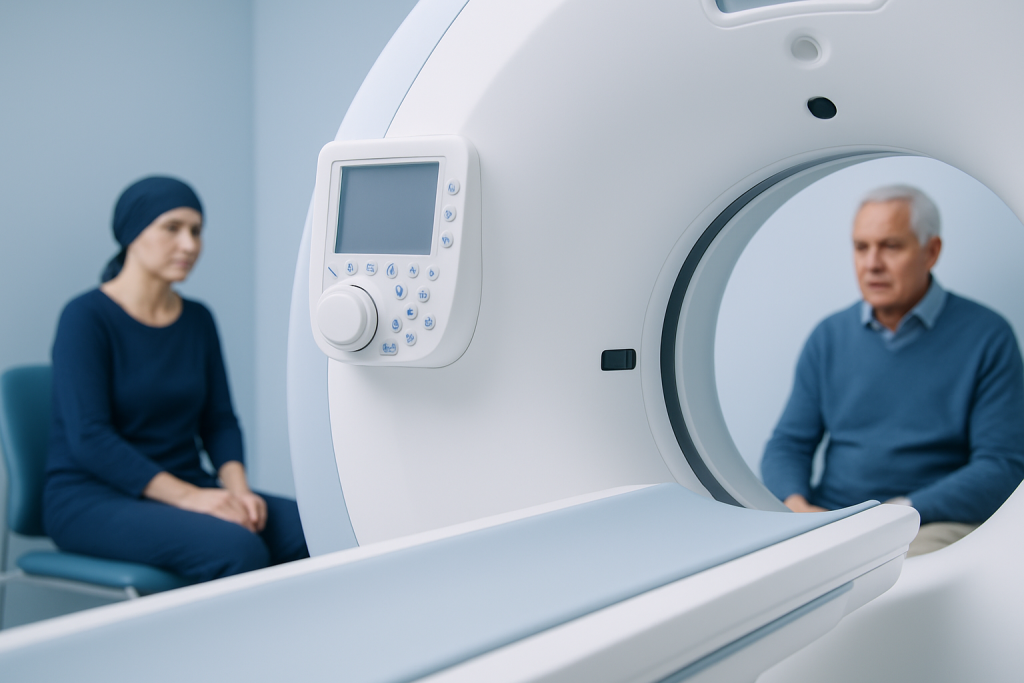
The difference between chemo brain and dementia is often clearer when clinicians consider the full symptom pattern and how it changes over time. Chemo brain commonly affects attention, mental efficiency and executive skills such as planning or switching between tasks. A person may know what they want to say but need extra time to retrieve a word, lose their train of thought or feel overwhelmed by several tasks at once.
Dementia may begin with subtle memory, language, judgement, visual-spatial or behavioural changes, depending on the underlying condition. Forgetting recently learned information repeatedly, becoming disoriented in familiar places, struggling to manage finances or medicines, or needing increasing help with routine activities can be more concerning for dementia. However, no single symptom confirms a diagnosis.
In a comparison of chemo brain vs Alzheimer’s disease, memory impairment may occur in both conditions. Alzheimer’s disease typically causes a gradually worsening inability to form and retain new memories, often alongside changes in orientation and function. Chemo brain may be more variable, with symptoms becoming more noticeable after poor sleep, a demanding day, pain or treatment-related fatigue.
- More typical of chemo brain: fluctuating concentration, slower processing, mental fatigue and difficulty multitasking.
- More typical of dementia: steadily worsening cognitive difficulties and increasing loss of independence.
- Possible in either condition: forgetfulness, word-finding difficulty, low confidence and frustration.
Why Chemo Brain Happens and Who May Be Affected

Chemo brain is not necessarily caused by chemotherapy alone. Cancer itself can affect inflammation, metabolism and energy levels, while treatments such as chemotherapy, hormone therapy, immunotherapy, radiation involving the brain, surgery and certain supportive medicines may contribute. The physical and emotional demands of a cancer diagnosis can also affect sleep, mood and concentration.
Risk may be higher in people who have intensive treatment, pre-existing cognitive concerns, older age, depression or anxiety, chronic pain, anaemia, thyroid disorders, nutritional problems, poor sleep or other medical illnesses. This does not mean that a person will develop long-term cognitive problems. It means that symptoms deserve attention and should be assessed in the context of the whole person.
Dementia has different risk factors, depending on its cause. Age is an important risk factor, but dementia can also occur in younger adults. Vascular risk factors such as high blood pressure, diabetes, smoking and high cholesterol can contribute to vascular cognitive impairment. Family history may matter in some forms of dementia, but it does not determine an individual’s outcome.
Assessment: How Clinicians Tell Them Apart
There is no single test that definitively separates chemo brain fog vs dementia. A clinician usually begins by asking when symptoms started, how they have changed, which abilities are affected and whether they interfere with work, home responsibilities, safety or personal care. Input from a family member or trusted person can be helpful because cognitive changes are not always easy to notice oneself.
Assessment may include a brief cognitive screening test and, when needed, more detailed neuropsychological testing. Blood tests may check for potentially treatable contributors such as anaemia, thyroid dysfunction, vitamin deficiencies, infection or metabolic problems. The care team also reviews medicines, sleep, mood, alcohol or substance use, pain and cancer treatment history.
Brain imaging may be considered when symptoms are new, rapidly worsening, associated with focal neurological signs, or when doctors need to assess for stroke, tumour involvement, treatment effects or another brain disorder. Testing is tailored to the individual; not everyone needs the same investigations. A careful evaluation can identify reversible causes and guide practical support.
Management and Support: What the Care Plan May Involve
There is no procedure that treats chemo brain itself. Care is usually a personalised, multidisciplinary process that identifies contributing factors, supports recovery and helps the person function confidently in daily life. A clinician may adjust medicines when appropriate, address sleep or mood concerns, treat pain or medical problems, and coordinate care with oncology, neurology, rehabilitation and mental health professionals.
For many people, useful strategies include using a calendar or phone reminders, keeping important items in consistent locations, doing one task at a time, taking planned breaks and scheduling demanding activities during the time of day when energy is best. Regular physical activity suited to the person’s health, social engagement and mentally stimulating activities may also support overall cognitive wellbeing.
Cognitive rehabilitation may be considered for persistent or functionally significant symptoms. This approach begins with an assessment of attention, memory, planning and daily goals, followed by structured exercises and compensatory strategies. Progress is reviewed over time and the plan is adapted to the person’s treatment status, fatigue and responsibilities. If assessment suggests dementia or another neurological condition, management focuses on the identified cause, safety, symptom support and long-term planning.
Acibadem International’s multidisciplinary specialists and JCI-accredited hospitals can assess cognitive concerns in people receiving cancer care and coordinate appropriate neurological, oncological and rehabilitation support for international patients.
Recovery Timeline, Benefits and Limitations of Support
Recovery from chemo brain varies. Some people notice improvement shortly after treatment ends or after fatigue and sleep improve, while others have symptoms that continue for months or longer. A gradual pattern of improvement is reassuring, but persistent symptoms should still be discussed with the cancer care team rather than accepted without support.
The benefits of a structured care plan may include clearer understanding of symptoms, treatment of reversible contributors, improved daily organisation and reduced distress. Rehabilitation and practical strategies do not erase every cognitive difficulty, but they can help people protect energy, maintain independence and return to valued activities at a manageable pace.
There are also limits and uncertainties. Cognitive symptoms can have more than one cause, and treatment changes are not always possible during active cancer therapy. Some medicines or interventions may have side effects, so decisions should be individualised. New or progressive symptoms require reassessment rather than assuming they are always chemo brain.
When to Seek Medical Care
Anyone with new, persistent or troubling changes in memory, attention, language or judgement should tell their oncology team or primary care clinician. This is particularly important if symptoms interfere with work, driving, medication management, appointments, finances or personal care. Early assessment can identify practical solutions and rule out conditions that need prompt treatment.
Urgent medical assessment is needed for sudden confusion, new weakness or numbness on one side, facial drooping, trouble speaking, a severe new headache, seizure, fainting, fever with confusion, or a rapid change in alertness. These symptoms can have causes unrelated to chemo brain and should not be managed by waiting for them to pass.
Family members should also seek advice if they notice escalating forgetfulness, getting lost in familiar surroundings, major personality changes, unsafe behaviour or a steady decline in the person’s ability to manage everyday tasks. Compassionate evaluation can clarify whether symptoms are treatment-related, due to a reversible medical issue or suggestive of a neurocognitive disorder.
Frequently asked questions
Is chemo brain the same as dementia?
No. Chemo brain describes cognitive changes associated with cancer, cancer treatment and related factors such as fatigue or sleep disruption. Dementia is a progressive syndrome caused by diseases or injuries affecting the brain and increasingly affecting daily independence.
Can chemotherapy cause Alzheimer’s disease?
Current evidence does not show that chemotherapy directly causes Alzheimer’s disease. Some people develop cognitive symptoms during or after cancer treatment, but these symptoms need individual assessment because they may have several possible causes.
How long does chemo brain usually last?
The timeline varies widely. Some people improve during the months after treatment, while others have symptoms for longer; fatigue, sleep, mood and other health concerns can influence recovery. Persistent or worsening symptoms should be reviewed by a clinician.
What tests are used for chemo brain?
Clinicians may use a medical history, cognitive screening tools, medication review and blood tests to look for treatable contributors. More detailed neuropsychological testing or brain imaging may be recommended when symptoms are significant, unusual or progressive.
Can dementia symptoms appear during cancer treatment?
Yes, dementia can first become noticeable during cancer treatment, particularly in older adults, but cognitive symptoms during treatment are not automatically dementia. Evaluation is important to distinguish treatment-related changes from dementia, delirium, stroke, medication effects or other medical conditions.
What can a person do at home for chemo brain?
Keeping a regular routine, using written reminders, reducing multitasking, protecting sleep and taking planned breaks can be helpful. It is also important to discuss symptoms with the medical team, especially if they affect safety or everyday responsibilities.
References
- National Cancer Institute
- American Cancer Society
- Alzheimer's Association
- National Institute on Aging
- World Health Organization
This article is for general information only and is not a substitute for professional medical advice. Please consult a qualified doctor about your individual situation.
Dementia in Turkey — costs, top hospitals & a free quote
JCI-accredited · board-certified surgeons · reply within 24h
Add us as a Preferred Source to see more of our trusted health content across Google Search, AI Overviews and Discover.
Check your numbers in seconds
BMI, calories, due date, blood pressure and 30+ more clinical calculators — free, instant, doctor-reviewed ranges.

Neurology
Diagnosis and treatment of disorders of the brain, spinal cord, nerves and muscles.
51 specialists in this unit