Chemotherapy in Pregnancy: How It Works, Results and What to Expect
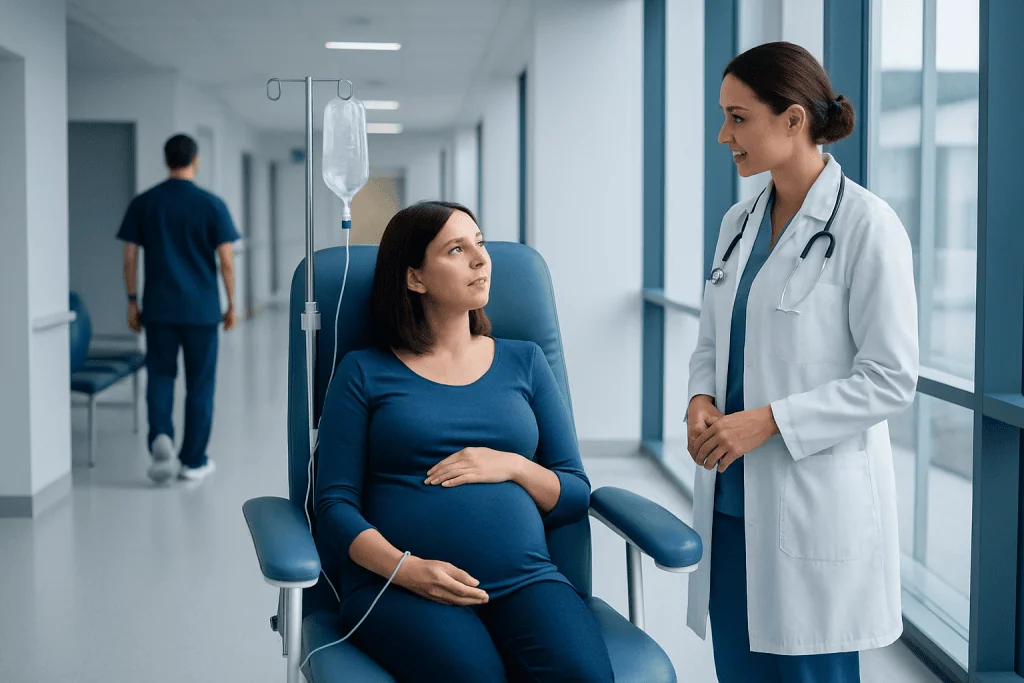
Chemotherapy is generally avoided during the first trimester because this is when major organs develop. Some established chemotherapy regimens can be considered during the second and third trimesters under specialist supervision.
Key Takeaways
- Chemotherapy is generally avoided during the first trimester because this is when major organs develop.
- Some established chemotherapy regimens can be considered during the second and third trimesters under specialist supervision.
- Treatment plans are individualized according to cancer type, stage, gestational age and the pregnant person's overall health.
- Blood tests, fetal growth assessments and communication between oncology and maternity teams support safer care.
- Chemotherapy is commonly paused several weeks before a planned delivery to allow blood counts to recover.
- Symptoms after chemotherapy vary by regimen and should be reported promptly, especially fever or signs of infection.
Chemotherapy in pregnancy can be an appropriate part of cancer care when treatment cannot safely wait until after delivery. A multidisciplinary team balances effective cancer treatment with fetal development, usually avoiding chemotherapy during the first trimester and planning close monitoring throughout pregnancy.
Overview: chemotherapy in pregnancy
Chemotherapy in pregnancy means using anticancer medicines while a person is pregnant. It may be recommended when cancer needs treatment during pregnancy rather than after birth. Although the decision can feel complex, treatment is carefully planned by cancer and maternity specialists to protect the health of both the pregnant person and the developing baby.
Chemotherapy medicines circulate in the bloodstream and work by damaging or stopping the division of rapidly growing cancer cells. Some healthy cells also divide quickly, which explains common effects such as tiredness, nausea, hair loss and low blood counts. Whether a medicine reaches the fetus depends on the medicine itself, its dose, the placenta and the stage of pregnancy.
In general, chemotherapy is avoided during the first trimester, when fetal organs are forming. For several cancers, selected standard regimens may be used from the second trimester onward when the expected benefit of treating the cancer outweighs potential risks. Cancer surgery may also be possible during pregnancy in selected circumstances, while radiotherapy and some targeted or hormone treatments are usually postponed until after delivery.
How chemotherapy works and who may be a candidate
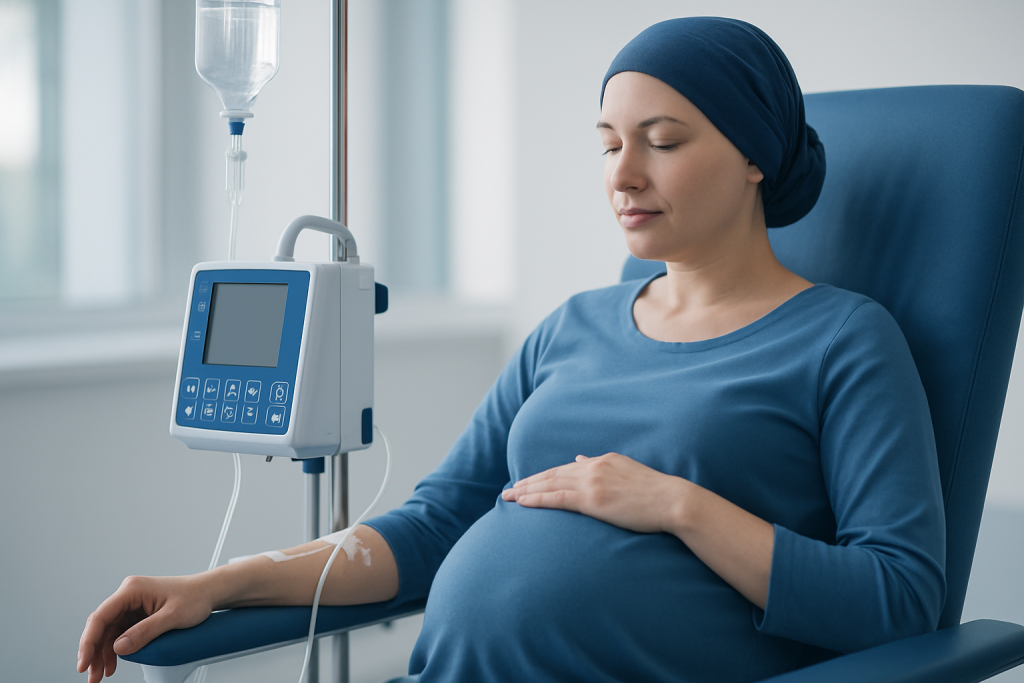
Chemotherapy may be given to cure cancer, reduce the chance that it returns, shrink a tumour before surgery, or control cancer that has spread. The treatment plan depends on the diagnosis. Breast cancer, lymphoma, leukemia and some other cancers can arise during pregnancy, but each condition requires its own assessment rather than a one-size-fits-all approach.
Candidacy is determined jointly by a medical oncologist, obstetrician experienced in high-risk pregnancy, maternal-fetal medicine specialist and other relevant clinicians, such as a surgeon, hematologist, neonatologist or fertility specialist. They consider the cancer type and stage, tumour biology, urgency of treatment, pregnancy stage, previous health conditions and the person’s wishes.
Doctors may recommend treatment during pregnancy when delaying cancer therapy could affect the parent’s prognosis and a suitable pregnancy-compatible regimen is available. The goal is to use evidence-based treatment without unnecessary delay while avoiding medicines or treatment approaches known to pose higher fetal risks at that stage of development.
- Care planning may include cancer imaging that is appropriate during pregnancy and minimizes fetal exposure where possible.
- Medication choices and scheduling are reviewed throughout pregnancy as fetal development and maternal needs change.
- A pediatric or neonatal team may be involved before delivery if early birth becomes medically necessary.
What happens when you do chemo while pregnant?
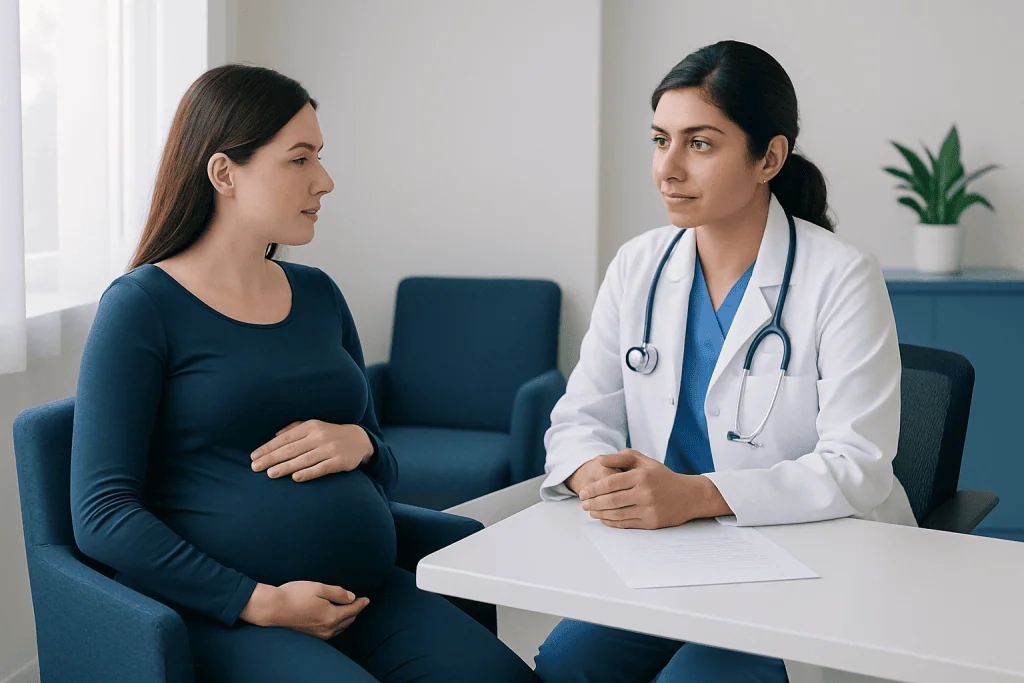
When chemotherapy is given during pregnancy, the person usually receives treatment in an oncology infusion unit or hospital setting, much as they would outside pregnancy. Before each cycle, clinicians review symptoms, check blood counts and assess whether treatment can proceed safely. The maternity team follows the pregnancy and fetal growth at intervals appropriate to the situation.
Many chemotherapy drugs used after the first trimester do not appear to substantially increase the risk of major congenital malformations when used in established protocols. However, chemotherapy in later pregnancy can still be associated with complications such as low blood counts in the parent or newborn, fetal growth concerns and a higher chance of preterm delivery. Some reported newborn risks may be related to early delivery rather than chemotherapy itself.
Because chemotherapy can lower blood cell counts, teams often avoid giving a cycle close to delivery. This allows the parent’s bone marrow and immune system time to recover and reduces the likelihood of low blood counts or infection-related complications around birth. After delivery, cancer treatment can be reassessed and adjusted, including therapies that were deferred during pregnancy.
Breastfeeding recommendations depend on the exact medicine and timing. Most chemotherapy medicines can pass into breast milk or could harm an infant, so breastfeeding is generally not advised during active chemotherapy. The oncology and pediatric teams can provide individualized guidance on feeding and when breastfeeding may be reconsidered.
The treatment process: from planning to each cycle
Before treatment begins, the team confirms the diagnosis and stage of cancer, reviews pathology results, assesses the pregnancy and discusses the available options. Baseline blood tests, heart testing for certain medicines and pregnancy-related assessments may be arranged. The team explains potential benefits, likely side effects, practical support needs and the proposed timing of treatment and delivery.
On treatment day, chemotherapy may be given through a vein or a central venous access device, depending on the regimen. Some medicines are delivered as an infusion over minutes or hours, while others may be taken by mouth. Medicines to help prevent nausea or allergic reactions may be used when considered appropriate in pregnancy.
Following an infusion, the person returns home or stays for observation depending on the regimen and overall health. Treatment is given in cycles, with rest periods between them to allow healthy tissues and blood counts to recover. The interval between cycles varies, and appointments are coordinated with prenatal care whenever possible.
At Acibadem International, multidisciplinary specialists at JCI-accredited hospitals can coordinate cancer treatment and high-risk pregnancy care for international patients. The treatment approach should always be individualized and agreed with the patient’s oncology and obstetric teams.
What is the 7 day rule in chemotherapy?
The phrase “7 day rule” does not have one universal meaning in chemotherapy. It may be used informally to describe the period after a treatment cycle when some side effects begin or when blood counts start to fall. Its meaning varies by chemotherapy regimen, cancer type and local clinical practice, so it should not replace advice from the treating oncology team.
For many regimens, white blood cell levels may reach their lowest point, called the nadir, roughly 7 to 14 days after treatment. This is one reason people may feel more tired or be more vulnerable to infection during this part of a cycle. The exact timing can be earlier or later, and not all chemotherapy medicines follow the same pattern.
In pregnancy, this timing also matters when coordinating delivery. Chemotherapy is commonly stopped several weeks before an expected delivery date, rather than relying on a fixed seven-day interval. This gives maternal blood counts time to recover and helps reduce risks of bleeding, infection or low blood counts around birth.
Benefits, risks and the recovery timeline
The main potential benefit of chemotherapy during pregnancy is timely cancer treatment. For cancers that need prompt systemic therapy, starting an appropriate regimen during the second or third trimester may avoid a prolonged delay while allowing the pregnancy to continue under close observation. The best plan balances cancer control with maternal and fetal safety.
Side effects can include fatigue, nausea, vomiting, appetite changes, constipation or diarrhea, mouth soreness, hair loss, numbness or tingling, and changes in blood counts. Effects vary widely between medicines and individuals. Pregnancy symptoms, including tiredness or reflux, can overlap with chemotherapy effects, so new or worsening symptoms should be discussed with the care team.
Recovery after each cycle is gradual. Some symptoms, such as infusion-day tiredness or nausea, may occur during the first few days. Others, including low white blood cell counts, may be more likely later in the cycle. Blood counts often recover before the next cycle, but ongoing fatigue may accumulate over several treatments and can continue for weeks after the final dose.
When are the worst days after chemo treatment?
There is no single worst day for everyone. Nausea, fatigue or appetite changes may be most noticeable in the first few days, while infection risk related to low white blood cell counts is often greatest around 7 to 14 days after many regimens. The oncology team can explain the expected pattern for the individual medicines being used and may recommend blood tests or supportive treatments when needed.
What are some signs that chemotherapy is working?
Improvement in cancer-related symptoms can sometimes be encouraging, such as less pain, reduced swelling, easier breathing or improved energy. However, symptoms alone cannot reliably show whether chemotherapy is working. Doctors assess response using examinations, blood tests when relevant, and imaging or other evaluations selected to be appropriate during pregnancy.
Self-care, monitoring and emotional support
Supportive care can make treatment more manageable. Rest, gentle activity if approved by the maternity team, regular fluids and small, nourishing meals may help with fatigue and nausea. Food safety is especially important when blood counts are low: good hand hygiene, careful food preparation and avoiding close contact with people who are unwell can reduce infection exposure.
Patients should keep a record of symptoms, temperature if advised, fluid intake and any medicines taken. Before using over-the-counter medicines, herbal products or supplements, they should check with the oncology and obstetric teams. Even products described as natural may interact with cancer therapy or may not be suitable during pregnancy.
A diagnosis of cancer during pregnancy can bring uncertainty, grief, fear and practical concerns about family life and birth planning. Counseling, psycho-oncology support, social work services and trusted family or community support can help. Asking for information in clear steps and involving a chosen support person in appointments may also make decisions easier to navigate.
When to seek medical care
People receiving chemotherapy during pregnancy should contact their oncology team promptly for a fever or chills, feeling suddenly unwell, shortness of breath, chest pain, confusion, uncontrolled vomiting, inability to keep fluids down, severe diarrhea, unusual bleeding or bruising, or severe pain. A fever during chemotherapy can be a sign of infection and requires urgent medical advice, even if it is the only symptom.
They should also contact the maternity team urgently for vaginal bleeding, leaking fluid, regular painful contractions, reduced fetal movement after movement has previously been established, severe headache, visual changes, sudden swelling or persistent abdominal pain. These symptoms do not always mean a serious problem, but prompt assessment is important.
Appointments should not be missed without discussing this with the treating team. Regular oncology and prenatal reviews allow clinicians to monitor blood counts, treatment effects, fetal development and the timing of delivery. Individual instructions from the care team should take priority over general health information.
Frequently asked questions
Can chemotherapy be given during pregnancy?
Chemotherapy may be given during pregnancy when cancer requires treatment and the expected benefit outweighs the risks. It is generally avoided during the first trimester, while selected regimens may be considered in the second and third trimesters with specialist monitoring.
Does chemotherapy during pregnancy harm the baby?
The level of risk depends on the chemotherapy medicines, treatment timing and pregnancy stage. Major fetal development is most vulnerable in the first trimester, which is why chemotherapy is usually deferred then. Later in pregnancy, care teams monitor growth, maternal blood counts and delivery timing closely.
Can a pregnant person have chemotherapy and deliver vaginally?
In many cases, the mode of delivery is based on usual obstetric and cancer-related considerations rather than chemotherapy alone. Vaginal birth may be possible if there is no medical reason for a cesarean delivery. The timing of the last chemotherapy cycle is planned to allow blood counts to recover before birth.
Can chemotherapy be continued until the due date?
Chemotherapy is commonly paused several weeks before planned delivery because blood counts can be low after treatment. Allowing time for recovery may reduce infection and bleeding risks around childbirth. The exact schedule is individualized by the oncology and maternity teams.
Is breastfeeding safe during chemotherapy?
Breastfeeding is generally not recommended during active chemotherapy because many anticancer medicines may pass into breast milk and could affect an infant. The treating team can advise when breastfeeding might be safe after treatment, based on the medicines used and how long they remain in the body.
Will chemotherapy side effects be different during pregnancy?
Many usual chemotherapy side effects can occur during pregnancy, including fatigue, nausea and low blood counts. Pregnancy symptoms can overlap with these effects, making regular communication with both oncology and obstetric teams especially important. Supportive medicines are selected carefully for pregnancy.
References
- American Cancer Society
- National Cancer Institute
- American College of Obstetricians and Gynecologists
- European Society for Medical Oncology
- Macmillan Cancer Support
This article is for general information only and is not a substitute for professional medical advice. Please consult a qualified doctor about your individual situation.
Chemotherapy in Turkey — costs, top hospitals & a free quote
JCI-accredited · board-certified surgeons · reply within 24h
Add us as a Preferred Source to see more of our trusted health content across Google Search, AI Overviews and Discover.

Medical Oncology Department
Medical treatment of cancer with chemotherapy, immunotherapy and targeted therapies under a multidisciplinary tumor board.
60 specialists in this unitMore from the Health Library



Related Specialists

Dt. Ayşegül Coşkun
Oral & Dental Health
Dt. Alen Palancıoğlu
Oral Dental & Maxillofacial Surgery
Dr. Ufuk Bülent Dilek
Anesthesiology
Dr. Şelale Doğan
Anesthesiology