Chemotherapy vs Radiation Oncology: Key Differences and When Each Is Used
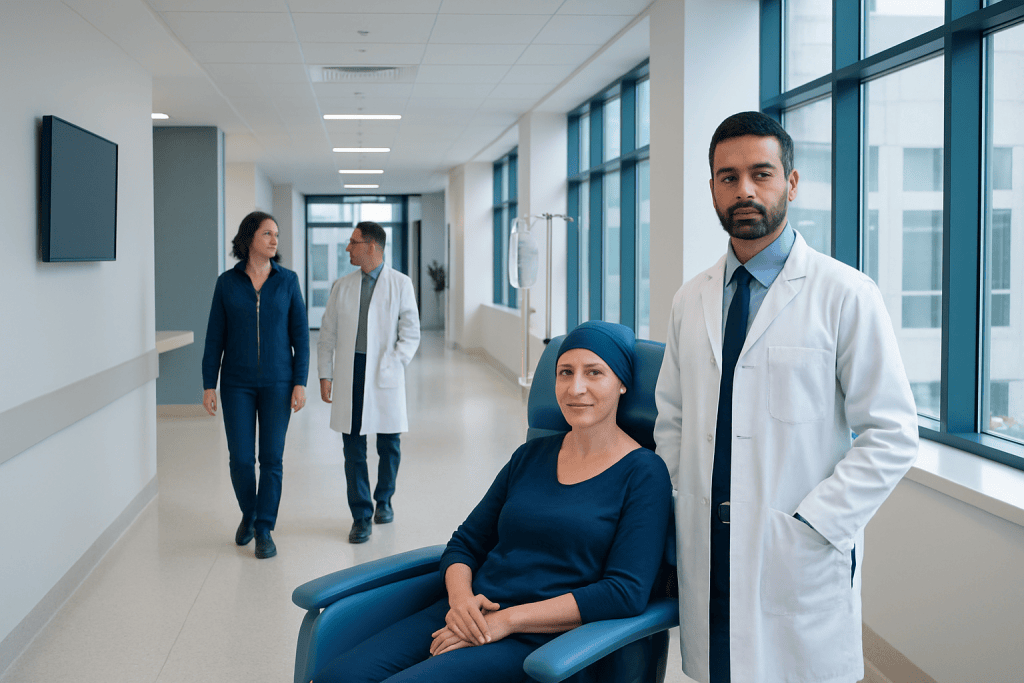
Chemotherapy uses medicines that travel through the bloodstream to treat cancer cells throughout the body. Radiation therapy uses high-energy beams to target a specific tumor or body area.
Key Takeaways
- Chemotherapy uses medicines that travel through the bloodstream to treat cancer cells throughout the body.
- Radiation therapy uses high-energy beams to target a specific tumor or body area.
- Some cancers are treated with one method, while others benefit from both treatments together.
- The best option depends on the cancer type, stage, location, overall health, and treatment goals.
- Side effects differ because chemotherapy affects the whole body more broadly, while radiation side effects are usually limited to the treated area.
Chemotherapy and radiation oncology are two common cancer treatments, but they work in different ways and are used for different goals. Understanding how each treatment acts, what side effects to expect, and when both may be combined can help patients feel more prepared for care.
Overview: How Chemotherapy and Radiation Oncology Differ
When comparing chemotherapy vs radiation oncology, the main difference is how treatment reaches cancer cells. Chemotherapy uses anti-cancer medicines that circulate through the bloodstream, so it can treat cancer cells almost anywhere in the body. Radiation oncology, often called radiation therapy, uses carefully directed high-energy radiation to destroy or damage cancer cells in one specific area.
Because of this difference, chemotherapy is often used when cancer may have spread beyond its original location or when doctors want to treat the whole body. Radiation is often chosen when the goal is to shrink or control a localized tumor, reduce the chance of cancer returning in one area, or relieve symptoms caused by a tumor pressing on nearby tissues.
These treatments are not competing options in every case. Many patients receive one treatment alone, while others receive both as part of a coordinated cancer care plan. Treatment may also be combined with surgery, immunotherapy, hormone therapy, or targeted therapy, depending on the cancer type and stage.
What Chemotherapy Is and When It Is Used
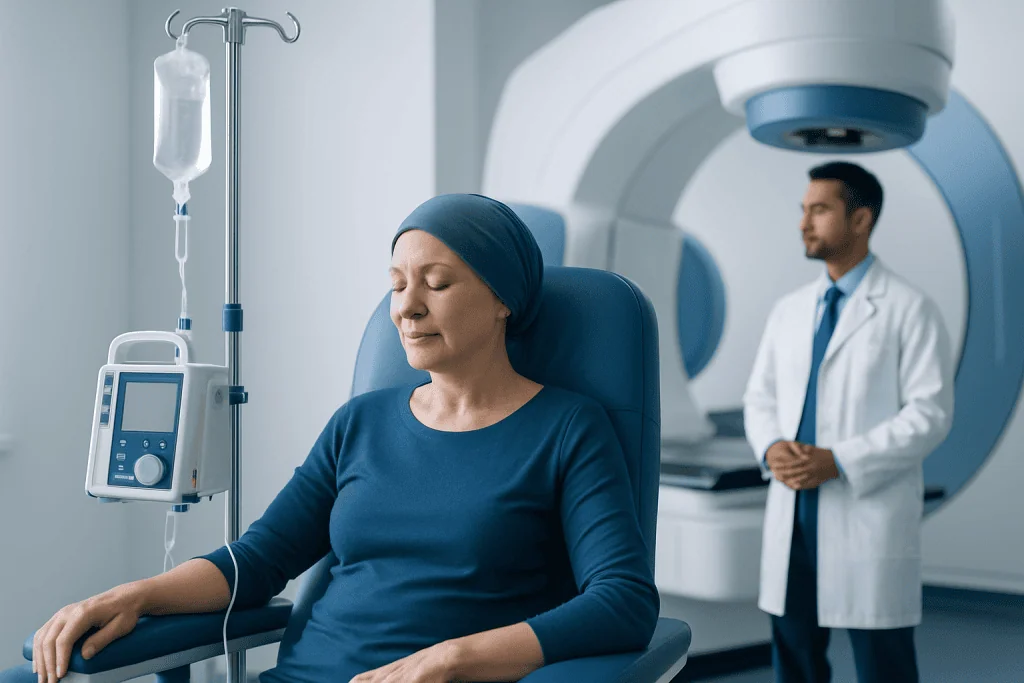
Chemotherapy is a medical treatment that uses drugs to kill cancer cells or stop them from growing and dividing. It is usually managed by a medical oncologist and may be given through a vein, by injection, or sometimes as tablets or capsules. The exact medicines, schedule, and duration depend on the cancer being treated.
One of chemotherapy’s strengths is that it can reach cancer cells throughout the body. This makes it especially useful for blood cancers, advanced cancers, or cancers that may have spread microscopically even if scans do not show distant tumors. It may also be given before surgery or radiation to shrink a tumor, or after other treatments to lower the risk of recurrence.
Common reasons chemotherapy may be recommended include:
- To treat cancer that has spread beyond the original tumor
- To shrink a tumor before surgery or radiation
- To destroy remaining cancer cells after surgery
- To improve symptoms and quality of life in advanced cancer
- To enhance the effect of other treatments in combined therapy plans
Not all chemotherapy is given with the same goal. In some cases it aims to cure cancer, while in others it is used to control disease or relieve symptoms. The treatment plan is individualized, and patients are usually monitored closely with blood tests, physical exams, and imaging when needed.
What Radiation Oncology Is and When It Is Used
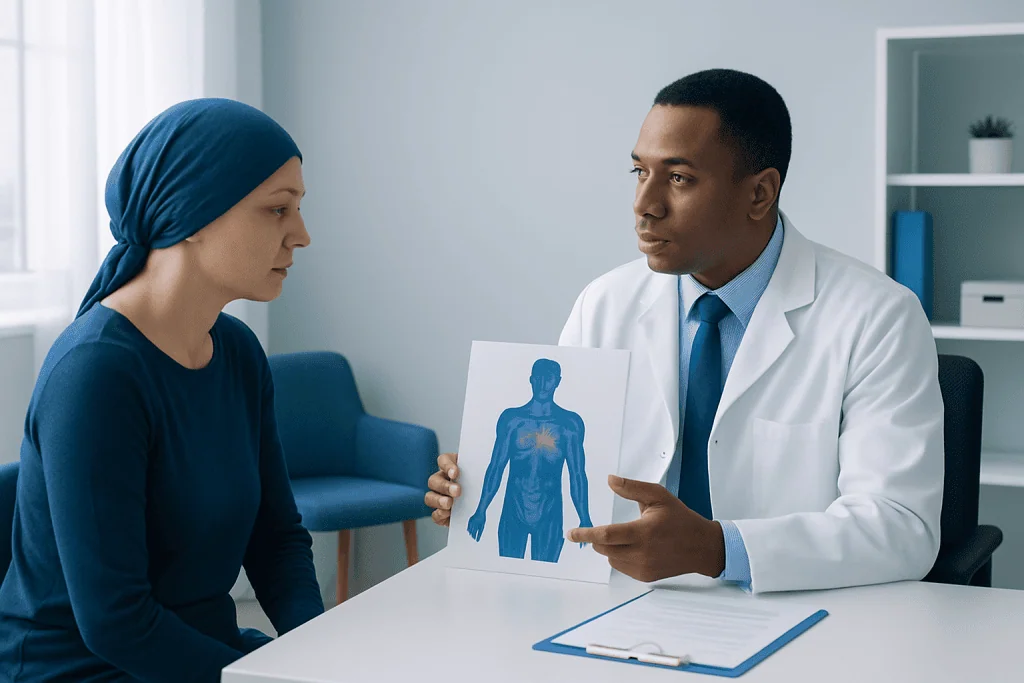
Radiation oncology is the medical specialty that uses radiation to treat cancer. Most patients receive external beam radiation, where a machine directs radiation precisely at the tumor from outside the body. In selected cases, internal radiation, also called brachytherapy, may be used by placing a radiation source close to or inside the tumor.
Radiation therapy works best when cancer is located in a defined area. It damages the DNA of cancer cells, making it harder for them to grow and divide. Healthy cells in the treatment field can also be affected, but modern planning techniques are designed to limit exposure as much as possible.
Radiation may be used on its own or alongside surgery and chemotherapy. It can be given before surgery to reduce tumor size, after surgery to lower the risk of local recurrence, or as the main treatment when surgery is not appropriate. It is also commonly used to relieve pain, bleeding, or pressure caused by cancer.
Radiation oncology plays an important role in many solid tumors, including certain cases of breast, prostate, head and neck, lung, brain, and rectal cancers. Techniques and treatment schedules vary widely, so the radiation oncologist creates a plan based on the tumor’s size, shape, and location.
How Doctors Decide Which Treatment Is Best
Choosing between chemotherapy, radiation therapy, or a combination of both depends on several factors. Doctors first consider the type of cancer, because some cancers respond particularly well to one approach. For example, a localized tumor may be best treated with radiation, while a cancer with a higher chance of spread may need chemotherapy or other systemic treatment.
The stage of cancer is also very important. Early-stage cancers are often managed with local treatment such as surgery and radiation, while later-stage cancers may require chemotherapy because treatment needs to reach the whole body. Tumor location, size, whether lymph nodes are involved, and whether the cancer has returned after earlier treatment all influence the plan.
Patient-related factors matter as well. Age alone does not determine treatment, but overall health, kidney and liver function, blood counts, prior treatments, pregnancy status, and personal preferences are all considered. Doctors also look at the main goal of care, whether that goal is cure, long-term control, or symptom relief.
In many hospitals, treatment decisions are made by a multidisciplinary tumor board. This may include medical oncologists, radiation oncologists, surgeons, radiologists, pathologists, and supportive care teams. This team-based approach helps ensure that recommendations are balanced, personalized, and based on current evidence.
Can Chemotherapy and Radiation Be Used Together?
Yes. Chemotherapy and radiation are often used together, either at the same time or one after the other. This is sometimes called chemoradiation when both are given concurrently. The purpose may be to make radiation work better, improve cancer control, or avoid more extensive surgery in selected patients.
Combined treatment is used in several cancer types, including some head and neck, cervical, lung, rectal, and esophageal cancers. In these situations, chemotherapy may act as a radiosensitizer, meaning it can make cancer cells more sensitive to radiation. However, using both treatments together can also increase side effects, so close monitoring is essential.
Sometimes treatment is sequenced rather than simultaneous. A patient may receive chemotherapy first to shrink the cancer and treat cells elsewhere in the body, followed by radiation to the remaining tumor area. In other situations, radiation may come first, with chemotherapy added later depending on pathology results or response to treatment.
Other therapies may also be part of the plan. Some patients receive immunotherapy or surgery in addition to chemotherapy and radiation. The exact order is highly individualized and depends on what offers the best balance of benefit, safety, and quality of life.
Side Effects: What Patients Can Expect
Because chemotherapy circulates throughout the body, its side effects are often more general. Common effects may include fatigue, nausea, vomiting, mouth sores, changes in appetite, temporary hair loss, a higher risk of infection, bruising, or changes in blood counts. The exact side effects depend on the medicines used, and many can now be prevented or reduced with supportive care.
Radiation side effects are usually more localized, meaning they occur in the area being treated. For example, radiation to the head and neck may cause mouth soreness or difficulty swallowing, while radiation to the chest may cause skin irritation or tiredness, and radiation to the pelvis may affect bowel or bladder habits. Skin in the treated area may become red, dry, or sensitive.
Some side effects appear during treatment, while others develop gradually afterward. Most improve over time, but a small number can be longer lasting depending on the dose and treatment site. Patients should always tell their care team about new symptoms so they can receive advice, medications, nutritional support, or changes in the treatment plan if needed.
Supportive care is an important part of cancer treatment. This can include anti-nausea medicines, pain control, hydration, nutritional counseling, rest, exercise guidance, emotional support, and measures to reduce infection risk. Prompt communication with the care team often makes treatment more manageable.
Diagnosis, Planning, and Monitoring During Treatment
Before treatment starts, doctors need a clear diagnosis and accurate staging. This often includes a biopsy, blood tests, and imaging such as CT, MRI, or PET scans. These tests help show where the cancer began, whether it has spread, and how active it appears, which in turn guides the choice between local and systemic treatment.
Chemotherapy planning focuses on the cancer type, genetic or molecular features when relevant, previous treatments, and the patient’s overall health. Radiation planning is highly detailed and usually includes simulation scans, careful body positioning, and mapping of the tumor and nearby organs. This preparation helps deliver the planned dose as precisely as possible.
During treatment, the team monitors progress and safety through clinic visits, lab tests, and sometimes repeat imaging. The schedule depends on the treatment type and the cancer involved. If side effects become significant or the cancer response is different than expected, the plan may be adjusted.
In some cases, cancer care may involve additional approaches such as PET-CT imaging for staging or response assessment, or comprehensive cancer treatment delivered by a coordinated oncology team. For international patients, Acibadem International’s multidisciplinary specialists at JCI-accredited hospitals diagnose and treat cancer with individualized planning and follow-up.
Questions to Ask and When to Seek Medical Advice
Patients often feel more confident when they understand why one treatment is being recommended over another. Helpful questions may include whether the goal is cure or control, why chemotherapy or radiation is advised, whether both are needed, how long treatment will last, what side effects are most likely, and how daily activities may be affected. Asking about fertility, nutrition, work, travel, and symptom support can also be useful.
It is important to contact the care team promptly if there is fever, trouble breathing, severe vomiting, signs of dehydration, unusual bleeding, rapidly worsening pain, confusion, or an inability to eat or drink. These symptoms do not always mean a serious problem, but they should be assessed without delay, especially during chemotherapy when infection risk can be higher.
Patients should also reach out if side effects are making it hard to follow the treatment plan. Early support can often prevent small problems from becoming larger ones. Regular follow-up after treatment is equally important, because it allows doctors to check recovery, manage lingering side effects, and watch for any signs that the cancer has returned.
Every cancer diagnosis is different. A qualified oncology team can explain the likely benefits and limitations of each option and help patients make informed decisions that fit their medical needs and personal priorities.
Frequently asked questions
What is the main difference between chemotherapy and radiation oncology?
Chemotherapy uses drugs that travel through the bloodstream, so it can treat cancer cells throughout the body. Radiation oncology uses targeted high-energy beams to treat a specific tumor or area. The choice depends on where the cancer is and whether it may have spread.
Is chemotherapy stronger than radiation therapy?
Neither treatment is simply "stronger" than the other because they work in different ways. Chemotherapy is systemic, while radiation is local. The better option depends on the cancer type, stage, and treatment goal.
Can a person receive chemotherapy and radiation at the same time?
Yes, some patients receive both treatments together, often called chemoradiation. This approach may improve cancer control in selected cancers, but it can also increase side effects. Doctors decide this carefully based on expected benefit and overall health.
Which treatment has more side effects?
Side effects are different rather than uniformly greater with one treatment. Chemotherapy often causes body-wide effects such as fatigue, nausea, or low blood counts, while radiation usually affects the treated area more directly. The exact experience varies widely by treatment plan.
Does radiation therapy make a patient radioactive?
External beam radiation therapy does not make a patient radioactive after the session ends. Most people can safely be around family members and the public. Special precautions are only needed in certain forms of internal radiation, and the care team explains these clearly if they apply.
How do doctors decide if chemotherapy or radiation is needed first?
Doctors look at the cancer type, stage, size, location, symptoms, and whether there is evidence of spread. They also consider surgery plans and the patient's overall health. In some cases chemotherapy comes first, while in others radiation or surgery leads the plan.
References
- National Cancer Institute
- American Cancer Society
- World Health Organization
- National Comprehensive Cancer Network
- European Society for Medical Oncology
This article is for general information only and is not a substitute for professional medical advice. Please consult a qualified doctor about your individual situation.
Chemotherapy in Turkey — costs, top hospitals & a free quote
JCI-accredited · board-certified surgeons · reply within 24h
Add us as a Preferred Source to see more of our trusted health content across Google Search, AI Overviews and Discover.

Medical Oncology Department
Medical treatment of cancer with chemotherapy, immunotherapy and targeted therapies under a multidisciplinary tumor board.
60 specialists in this unitMore from the Health Library
Related Specialists

Prof. Dr. Handan Onur Topuzlu
Medical Oncology
Dr. Halise Akgüneş
Emergency Service
Dr. Ceren Hande Seyyar
Pediatrics
Prof. Dr. Feyzullah Çetinkaya
Pediatric Allergy