Children’s Mental Health at School: Signs and Support Strategies
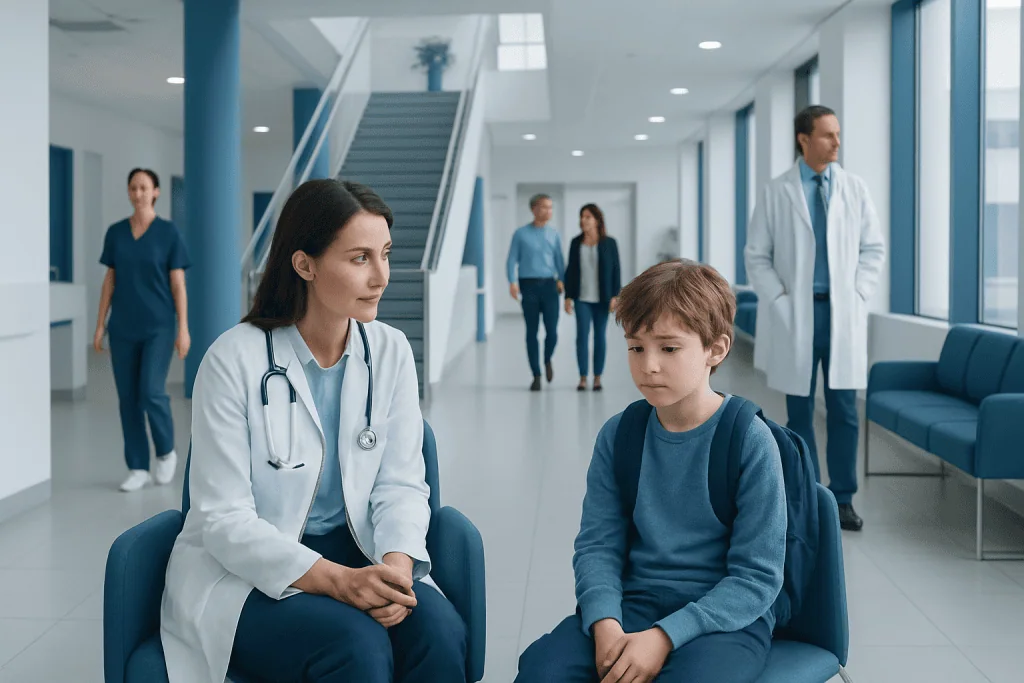
Changes in mood, behavior, sleep, attendance, or school performance can be early signs that a child needs support. Mental health concerns in children may appear as physical complaints, irritability, withdrawal, or difficulty concentrating.
Key Takeaways
- Changes in mood, behavior, sleep, attendance, or school performance can be early signs that a child needs support.
- Mental health concerns in children may appear as physical complaints, irritability, withdrawal, or difficulty concentrating.
- Support works best when families, teachers, school counselors, and healthcare professionals communicate clearly.
- Early evaluation can help identify stress, learning differences, bullying, anxiety, depression, or other underlying concerns.
- A calm routine, emotional validation, healthy sleep, and problem-solving skills can strengthen resilience.
Children's mental health at school can shape how a child learns, behaves, and connects with others. Recognizing early signs and building steady support at home and school can help children feel safer, more confident, and better able to cope.
Overview
Children spend a large part of their day at school, so school is often where emotional or behavioral difficulties first become noticeable. Children’s mental health at school includes how a child feels, thinks, behaves, learns, and relates to teachers and classmates. Good mental health does not mean a child is always happy or never stressed. It means the child is generally able to manage emotions, cope with everyday challenges, and participate in learning and relationships in a healthy way.
It is normal for children to have ups and downs. A difficult week, temporary worries about tests, or occasional sadness after a disappointment are part of development. Concern usually grows when changes are intense, last for weeks, affect school attendance or performance, or interfere with friendships and family life.
School-related mental health concerns can develop for many reasons. Academic pressure, social conflict, bullying, family stress, sleep problems, learning differences, and underlying conditions such as anxiety or depression may all play a role. Some children show clear emotional distress, while others appear mainly restless, oppositional, tired, or physically unwell.
Early support can make a meaningful difference. When adults notice changes early and respond with patience rather than blame, children are more likely to receive the right help and regain confidence in school and daily life.
Common Signs to Watch For

Warning signs can look different depending on a child’s age, personality, and developmental stage. Some children become quiet and withdrawn, while others become irritable, impulsive, or argumentative. A child who used to enjoy school may suddenly resist going, ask to stay home often, or seem overwhelmed by routine tasks.
Changes in learning and concentration are also common. A child may have trouble paying attention, finishing assignments, remembering instructions, or keeping up with classwork. Teachers may notice a drop in grades, frequent incomplete homework, or difficulty staying organized. Sometimes these changes are linked to emotional distress, and sometimes they overlap with learning or attention conditions that also need assessment.
Physical complaints can be an important clue. Children may report headaches, stomachaches, nausea, fatigue, or dizziness, especially on school mornings. These symptoms are real and distressing, even when no clear physical illness is found. Emotional stress can affect the body in powerful ways.
- Frequent school refusal or increased absences
- Ongoing sadness, worry, or tearfulness
- Irritability, anger, or emotional outbursts
- Withdrawal from friends, activities, or family
- Changes in sleep, appetite, or energy
- Drop in school performance or motivation
- Physical complaints without a clear medical cause
- Loss of confidence, excessive perfectionism, or fear of failure
Possible Causes and Risk Factors
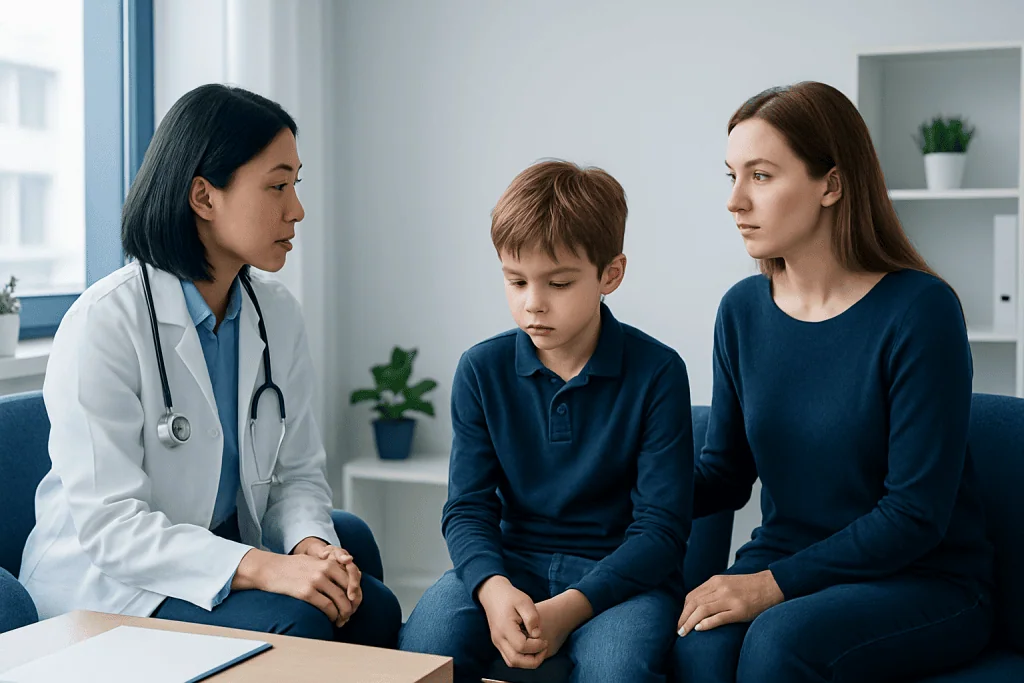
There is rarely one single cause behind school mental health concerns. Emotional wellbeing is shaped by a mix of biological, psychological, social, and environmental factors. Some children are naturally more sensitive to stress, while others may struggle after a change such as moving home, changing schools, parental separation, illness in the family, or bereavement.
School experiences matter greatly. Bullying, social exclusion, friendship problems, academic pressure, and unrealistic expectations can all affect a child’s sense of safety and belonging. Children who feel different from peers, including those with disabilities, chronic illness, or neurodevelopmental differences, may be at greater risk of distress if they are not well supported.
Underlying mental health conditions may also become more visible at school. Anxiety can lead to avoidance, perfectionism, or physical symptoms. Depression may show up as low mood, tiredness, poor concentration, or loss of interest. Attention, behavior, or sensory regulation difficulties can also affect school functioning and may need specialist assessment, including for conditions such as ADHD.
Healthy routines influence resilience. Inadequate sleep, excessive screen time, poor nutrition, lack of exercise, and limited time for rest can all make stress harder to manage. These factors do not cause every mental health concern, but they can worsen symptoms and reduce a child’s ability to cope.
How Mental Health Concerns Are Assessed
Assessment usually starts with careful listening. A pediatrician, child psychologist, child psychiatrist, or school counselor may ask about the child’s mood, worries, behavior, sleep, friendships, school experience, recent changes, and family history. Parents and teachers often provide important observations because children may behave differently at home and at school.
A thorough evaluation looks beyond a single symptom. Difficulty concentrating, for example, may be related to anxiety, lack of sleep, a learning difficulty, trauma, low mood, or attention problems. For this reason, doctors often ask about the whole picture rather than focusing only on grades or behavior. In some cases, screening questionnaires, developmental history, and school reports are used to build a clearer understanding.
Physical health may also need review. Vision or hearing problems, sleep disorders, chronic pain, medication side effects, thyroid issues, and other medical conditions can affect mood, behavior, and learning. When needed, a child may be referred for additional support such as a pediatric check-up or further developmental assessment.
The goal of diagnosis is not to label the child, but to understand what is making school hard and what kind of support is most likely to help. A good assessment identifies strengths as well as challenges, so care can be practical, individualized, and encouraging.
Treatment and Support Options
Support depends on the child’s needs and the cause of the difficulty. Many children benefit from a combination of school-based support, family strategies, and professional care. Early measures may include adjustments in workload, a safe space to check in during the day, extra help with organization, or a plan for managing overwhelming situations. Simple changes can sometimes reduce stress significantly.
Talking therapies are often helpful. Depending on age and needs, children may benefit from counseling, cognitive behavioral strategies, play-based therapy, family therapy, or skills work focused on emotional regulation and coping. If a child has symptoms of persistent anxiety or low mood, formal assessment and treatment through child and adolescent psychiatry may be appropriate.
Parents and caregivers are a central part of care. Guidance may focus on how to respond to distress calmly, set consistent routines, reduce conflict around school, and strengthen communication. When school staff and families work together, children often feel more secure and understood. If a learning or developmental issue is suspected, targeted educational support may also be needed.
In some cases, specialist care is recommended for conditions such as depression or significant anxiety-related school avoidance. Medication may be considered for certain diagnosed conditions, but this decision is individualized and usually combined with psychological and practical support. Near the end of the care pathway, some families may choose evaluation through experienced centers such as Acibadem International, where multidisciplinary specialists in JCI-accredited hospitals support international patients.
Support Strategies at Home and at School
Children respond best when the adults around them provide predictability, warmth, and clear communication. At home, it helps to create a regular schedule for sleep, meals, homework, physical activity, and downtime. A child who is struggling emotionally may need shorter tasks, more breaks, and reassurance that asking for help is a strength, not a failure.
At school, supportive adults can reduce stress by noticing triggers and making practical adjustments. A teacher might offer seating changes, check written instructions, allow extra time for transitions, or provide a quiet place for the child to regroup. The aim is not to remove all challenge, but to make learning manageable while the child develops coping skills.
Emotion coaching is often useful. Adults can name feelings, validate them, and guide problem-solving: for example, “It sounds like lunchtime feels overwhelming. Let’s think about one thing that could make it easier tomorrow.” This approach helps children feel understood while also building resilience and self-awareness.
- Keep routines predictable, especially around sleep and school mornings
- Ask open questions and listen without rushing to judge or fix
- Work with the school to agree on clear, realistic goals
- Encourage friendships, movement, hobbies, and time away from screens
- Praise effort, coping, and progress rather than perfection
- Seek timely professional advice if symptoms persist or worsen
When to Seek Professional Help
Professional help is worth seeking when symptoms last more than a few weeks, interfere with school or relationships, or cause significant distress. This includes repeated school refusal, panic symptoms, prolonged sadness, withdrawal from usual activities, sudden behavior changes, severe sleep problems, or frequent unexplained physical complaints. Parents do not need to wait for a crisis before asking for guidance.
Urgent help is especially important if a child talks about self-harm, hopelessness, wanting to disappear, or not wanting to live. Concerning signs also include extreme agitation, confusion, very risky behavior, or a marked loss of contact with reality. In these situations, immediate assessment by emergency or urgent mental health services is needed.
Even when symptoms are less severe, early intervention is often easier than waiting. A pediatrician, school counselor, psychologist, or child psychiatrist can help identify what is happening and recommend next steps. Some children may also benefit from broader developmental review through services such as pediatric care when emotional and school concerns overlap with growth, sleep, or behavior issues.
With thoughtful support, many children improve significantly. The most helpful message for families is that struggling at school does not mean a child is lazy, difficult, or destined to fail. It means the child may need understanding, structure, and the right kind of help.
Frequently asked questions
How can parents tell if school stress is more than a normal phase?
School stress becomes more concerning when it lasts for weeks, keeps returning, or begins to affect attendance, learning, sleep, appetite, or relationships. A noticeable change from the child's usual behavior is often an important clue. If parents are unsure, speaking with the school and a healthcare professional can help clarify what is typical and what may need support.
Can mental health problems cause physical symptoms before emotional ones appear?
Yes. Children often express stress through the body, especially with headaches, stomachaches, nausea, tiredness, or dizziness. These symptoms are real and should be taken seriously, while also considering whether anxiety, bullying, or school-related stress may be contributing.
What should a parent say if a child refuses to go to school?
It helps to stay calm, acknowledge the child's feelings, and avoid framing the situation as stubbornness or bad behavior. Parents can say that they believe the child is having a hard time and will work together to understand why. Ongoing school refusal should be discussed promptly with the school and a qualified clinician.
Do poor grades always mean a child has a mental health problem?
No. Grades can fall for many reasons, including teaching changes, learning differences, attention difficulties, family stress, sleep problems, or simple academic gaps. However, a sudden or persistent drop in performance can be a useful sign that a child needs a broader assessment.
How can schools support children's mental health in practical ways?
Schools can help by providing a safe, respectful environment, clear routines, anti-bullying measures, access to counseling, and individualized accommodations when needed. Regular communication with families is also important. Small supports, such as check-ins or a calm place to regroup, can make a meaningful difference.
When is urgent mental health help needed for a child?
Urgent help is needed if a child talks about self-harm, suicide, or hopelessness, or shows extreme agitation, confusion, or dangerous behavior. These signs should never be ignored. Families should seek immediate emergency or urgent mental health assessment.
References
- World Health Organization
- American Academy of Pediatrics
- Centers for Disease Control and Prevention
- UNICEF
- National Institute of Mental Health
This article is for general information only and is not a substitute for professional medical advice. Please consult a qualified doctor about your individual situation.
Explore treatments in Turkey — costs, top hospitals & a free quote
JCI-accredited · board-certified surgeons · reply within 24h
Add us as a Preferred Source to see more of our trusted health content across Google Search, AI Overviews and Discover.

More from the Health Library



Related Specialists

Erkan Akpınar
Physical Medicine & Rehabilitation
Dr. Özgür Bolat
Anesthesiology
Dr. Mehmet Murat Soysal
Internal Medicine
Assoc. Prof. Dr. Selim Ergün
Orthopedic Surgery & Traumatology