Chordee Repair: Procedure, Recovery and Results

Chordee is a penile curvature that may be present with or without hypospadias. Chordee repair aims to create a straighter erection and support comfortable urinary and sexual function later in life.
Key Takeaways
- Chordee is a penile curvature that may be present with or without hypospadias.
- Chordee repair aims to create a straighter erection and support comfortable urinary and sexual function later in life.
- Most children return to quiet activities within days, while complete tissue healing takes several weeks.
- The operation is performed under general anesthesia, so the patient does not feel pain during surgery.
- Follow-up care is important to monitor wound healing, urinary flow and the final straightening result.
Chordee repair is a reconstructive urology procedure used to correct a downward or sideways curvature of the penis. It is commonly performed in childhood, often alongside hypospadias repair, and the surgical approach is tailored to the degree and cause of the curvature.
Chordee Repair: An Overview
Chordee repair is surgery to correct chordee, a condition in which the penis curves, most often downward. The curvature is usually noticed in infancy or childhood and may occur on its own, but it is frequently associated with hypospadias, where the urethral opening is located on the underside of the penis rather than at the tip.
The purpose of surgery is to straighten the penis as fully as possible while preserving normal tissue, appearance and urinary function. Repair is often recommended during early childhood because tissues heal well at this age and because treatment can be completed before body awareness and later sexual development. However, teenagers and adults with untreated or recurrent curvature can also be assessed by a reconstructive urologist.
A curved penis does not always require surgery. Mild curvature without hypospadias, urinary symptoms or anticipated functional concerns may simply be observed. A pediatric urologist considers the degree of curvature, anatomy of the urethra and foreskin, and the family’s goals before recommending treatment.
Who May Benefit From Chordee Repair?
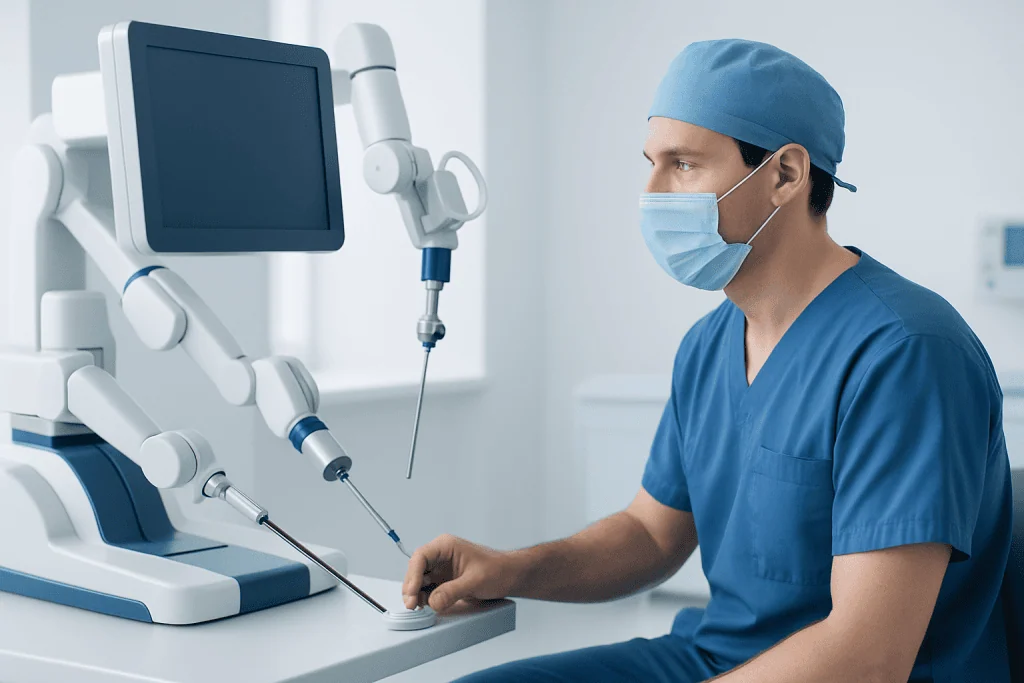
Chordee repair may be considered when the curve is clearly visible, is expected to interfere with future sexual function, or occurs with hypospadias requiring reconstruction. Curvature can result from tight skin on the underside of the penis, fibrous tissue beneath the skin, a short urethra or unequal development of erectile tissues. Identifying the cause helps the surgeon choose the appropriate repair.
Children with hypospadias are usually evaluated for both conditions together. During surgery, the specialist can straighten the penis and, when needed, reconstruct the urethra so urine exits closer to the tip. Families can learn more about the related condition through hypospadias information.
Before recommending surgery, the care team reviews medical history, growth, previous genital procedures and any bleeding or anesthesia concerns. In most children, extensive testing is not needed. The physical examination is usually sufficient, although the degree of curvature is confirmed accurately during the operation after anesthesia has relaxed the tissues.
- Noticeable downward, upward or sideways curvature
- Chordee occurring with hypospadias or an unusual urinary opening
- Difficulty aiming the urine stream in older children
- Concerns about future erections, intercourse or self-esteem
- Persistent curvature after a prior repair
How the Chordee Repair Procedure Works
Chordee repair is performed by a pediatric urologist or reconstructive urologist under general anesthesia. The exact chordee repair procedure steps differ from one person to another because surgeons first determine what is pulling the penis into a curve. The goal is correction that is durable while minimizing changes to penile length and protecting the urethra.
After anesthesia begins, the surgical team prepares the area and makes a small incision, commonly around the head of the penis. The skin is carefully released and moved back temporarily, a process called degloving. This alone may correct curvature caused by tethered skin or superficial bands. The surgeon then creates an artificial erection with sterile fluid to assess the direction and severity of the remaining curve.
If curvature persists, deeper fibrous tissue may be released. Depending on the anatomy, the surgeon may use small plication stitches on the longer side of the penis to balance the tissues, or may lengthen the shorter side with carefully planned incisions and, in selected complex cases, a graft. If hypospadias is present, urethral reconstruction may be completed during the same operation. A final artificial erection test confirms the correction before the incision is closed and a dressing is applied.
In some repairs, a soft urinary catheter or stent remains temporarily to protect the reconstructed urethra and allow urine to drain. For families considering combined reconstruction, hypospadias surgery provides related information about urethral repair. The operation is commonly an outpatient procedure, although the plan depends on the complexity of repair and the patient’s overall health.
Chordee Repair Recovery and Post-Operative Care
Chordee repair recovery begins at home shortly after surgery for many patients. Temporary swelling, bruising and mild spotting on the dressing are common. The penis can look larger, redder or more bruised than expected during the first several days; this generally improves as healing progresses. Parents should follow the surgeon’s specific instructions about bathing, dressing care, diaper changes and medicines.
If a catheter or stent is in place, it should be kept secure and free of bends. Urine may drain through the tube or leak around it, depending on the repair, and the clinical team will explain what is expected. The catheter is usually removed at a follow-up visit after a period determined by the surgeon. It should never be pulled out or adjusted at home unless the care team gives direct instructions.
During chordee repair post op care, infants and young children generally need calm, supervised activity while the incision heals. Straddle toys, bicycles, rough play and contact sports are usually avoided for the period advised by the surgeon. Loose clothing and frequent diaper changes can help reduce friction and keep the area clean.
Follow-up appointments allow the surgeon to examine healing, remove a catheter if present and check urinary flow. Families should contact the surgical team promptly for fever, worsening redness or swelling, persistent bleeding, foul-smelling drainage, inability to pass urine, a catheter problem, or pain that is not improving with the prescribed plan.
How Long Does Chordee Surgery Take to Heal?
The initial chordee repair recovery time is usually around one to two weeks for the incision and swelling to settle substantially, although the timing varies with the extent of curvature and whether urethral reconstruction was also performed. Many children feel comfortable enough for gentle daily activities within several days. The surgeon may recommend avoiding vigorous or straddle activities for two to four weeks, or longer after a more complex repair.
Complete tissue healing and scar maturation continue for several weeks to months. The final appearance cannot always be judged immediately because swelling and sutures can temporarily alter the shape of the penis. If a catheter is used, its removal often marks an important recovery milestone, but the surgical area still needs protection while deeper tissues heal.
For adolescents and adults, the recovery plan may include temporary restrictions on sexual activity and masturbation until the surgeon confirms that healing is adequate. Following the individualized instructions is important, as returning to activities too soon can increase discomfort or affect wound healing.
How Successful Is Chordee Surgery?
Chordee surgery is generally effective at substantially reducing or correcting curvature, particularly when it is performed by an experienced pediatric or reconstructive urology team. Success is assessed by the straightness achieved during surgery, healing of the incision, urinary function when a urethral repair is involved, and longer-term appearance and function as the patient grows.
Results depend on the original degree of curvature and whether there is associated hypospadias, scar tissue, a short urethra or previous surgery. Some complex cases may need staged reconstruction or a later revision. A small amount of residual curvature may be acceptable in some situations, while significant recurrent curvature should be reviewed by the surgeon.
Long-term follow-up can be particularly valuable for children repaired early in life because growth and puberty reveal how the penis functions during erections. Families should keep recommended review appointments and seek assessment if they later notice substantial curvature, spraying urine, difficulty urinating, pain with erections or concerns about appearance.
Is Chordee Surgery Painful?
The patient is under general anesthesia during chordee repair and does not feel the operation. Afterward, it is normal to have soreness, tenderness and discomfort from swelling for several days. The surgical team provides an age-appropriate pain-control plan, which may include non-opioid medicines and, in some cases, a regional anesthetic block given during surgery to reduce pain in the first hours after the procedure.
For babies and young children, discomfort may show as fussiness, poor sleep or reluctance to move normally. Older children, teenagers and adults may notice burning or discomfort when passing urine, particularly if a catheter has been used. These symptoms should gradually improve rather than become more severe.
Parents and patients should use medicines only as directed by the treating clinician. Severe pain, pain that increases after initially improving, or discomfort accompanied by fever, marked swelling, heavy bleeding or trouble urinating should be discussed with the surgical team without delay.
How Much Does Chordee Surgery Cost?
The cost of chordee surgery varies considerably and cannot be estimated accurately without an individual clinical assessment. Important factors include the country and hospital, surgeon and anesthesia fees, complexity of the curvature, whether hypospadias reconstruction is needed, the need for a catheter or an overnight stay, laboratory tests and follow-up care.
Insurance coverage also differs by policy and by whether the procedure is considered medically necessary. Families should ask their insurer and hospital financial counseling team for a written estimate that explains what is included and what may be billed separately. It is useful to confirm arrangements for follow-up visits, medicines and any travel-related needs before scheduling surgery.
For international patients, Acibadem International’s multidisciplinary specialists and JCI-accredited hospitals assess and treat pediatric and adult urology conditions, including chordee requiring reconstructive care. A consultation helps establish the appropriate surgical plan and the practical services required for each patient.
When to Seek Medical Care
A parent or caregiver should arrange a medical assessment if a baby or child has a visibly curved penis, an opening that is not at the tip of the penis, an unusual urine stream, or a penis that appears tethered downward. These findings are not usually an emergency, but early evaluation by a pediatric urologist provides clear information about whether observation or repair is appropriate.
After chordee repair, urgent advice is appropriate if there is fever, increasing redness, rapidly worsening swelling, significant bleeding, pus-like drainage, a dressing or catheter that has moved unexpectedly, or difficulty passing urine. It is also important to contact the surgical team if pain is not controlled by the recommended plan.
Older teenagers and adults who notice curvature during erections, pain with erections, changes after injury, or difficulty with intercourse should seek evaluation. Not every curved erection is caused by congenital chordee; a clinician can distinguish congenital curvature from other penile conditions and recommend suitable care.
Frequently asked questions
What is chordee repair?
Chordee repair is surgery that straightens a penis with congenital curvature, often a downward bend. It may be performed alone or together with hypospadias repair when the urethral opening is not in the usual position.
At what age is chordee repair usually performed?
When surgery is recommended for a child, it is often planned in infancy or early childhood. The best timing depends on the child’s anatomy, overall health and whether hypospadias reconstruction is also needed.
How long does chordee surgery take to heal?
Most swelling and incision discomfort improve substantially over one to two weeks, while deeper tissues continue healing for several weeks. Activity restrictions and catheter care, if needed, should follow the surgeon’s individual guidance.
How successful is chordee surgery?
Chordee surgery commonly achieves substantial straightening, especially when performed by an experienced urology team. Outcomes vary with the severity and cause of the curve, associated hypospadias and whether prior surgery has occurred.
How much does chordee surgery cost?
Costs vary by the complexity of repair, location, hospital services, anesthesia, insurance coverage and whether hypospadias repair is required. A hospital and insurance provider can provide an individualized estimate after clinical review.
Is chordee surgery painful?
The operation itself is not painful because it is performed under general anesthesia. Soreness and swelling afterward are expected and are usually managed with the pain-relief plan provided by the surgical team.
References
- American Urological Association
- European Association of Urology
- Urology Care Foundation
- National Institute of Diabetes and Digestive and Kidney Diseases
This article is for general information only and is not a substitute for professional medical advice. Please consult a qualified doctor about your individual situation.
Explore treatments in Turkey — costs, top hospitals & a free quote
JCI-accredited · board-certified surgeons · reply within 24h
Add us as a Preferred Source to see more of our trusted health content across Google Search, AI Overviews and Discover.