Christina Piercing — Explained by Medical Evidence, Not Myths

A christina piercing is primarily decorative and does not usually increase sexual sensation. Because it is a surface piercing, migration, rejection, and prolonged healing are relatively common concerns.
Key Takeaways
- A christina piercing is primarily decorative and does not usually increase sexual sensation.
- Because it is a surface piercing, migration, rejection, and prolonged healing are relatively common concerns.
- Mild tenderness and swelling can be expected at first, but spreading redness, pus, fever, or worsening pain need medical attention.
- Good aftercare focuses on gentle cleaning, reducing friction, and avoiding unnecessary touching or trauma.
- People with certain skin conditions, diabetes, immune suppression, or a history of poor wound healing may face higher risks.
A christina piercing is a surface piercing placed at the upper vulva, where healing can be slow and complications are more common than many myths suggest. Medical evidence supports careful hygiene, realistic expectations about migration or rejection, and prompt evaluation if signs of infection or significant pain develop.
What is a christina piercing?
A christina piercing is a type of external genital piercing placed at the top of the vulva, where the outer labia meet near the mons pubis. It passes through a pinch of surface tissue rather than through deeper anatomy. Because of this placement, it is generally considered a decorative piercing rather than one intended to improve sexual function or sensation.
Medical evidence and piercing aftercare guidance agree on one important point: this is a surface piercing, and surface piercings behave differently from more stable piercings such as an earlobe piercing. They are more prone to irritation from pressure, friction, shaving, tight clothing, and normal body movement. That means healing may be slower, and the chance of migration or rejection may be higher than many people expect.
A christina piercing is not the same as an internal genital piercing, and it should not be confused with conditions that cause lumps, irritation, or pain in the same area. If a person notices persistent swelling, drainage, or a painful bump, a clinician may also consider skin infection, an ingrown hair, or a gland problem such as a Bartholin cyst depending on the exact location.
What is normal during healing, and what is not?
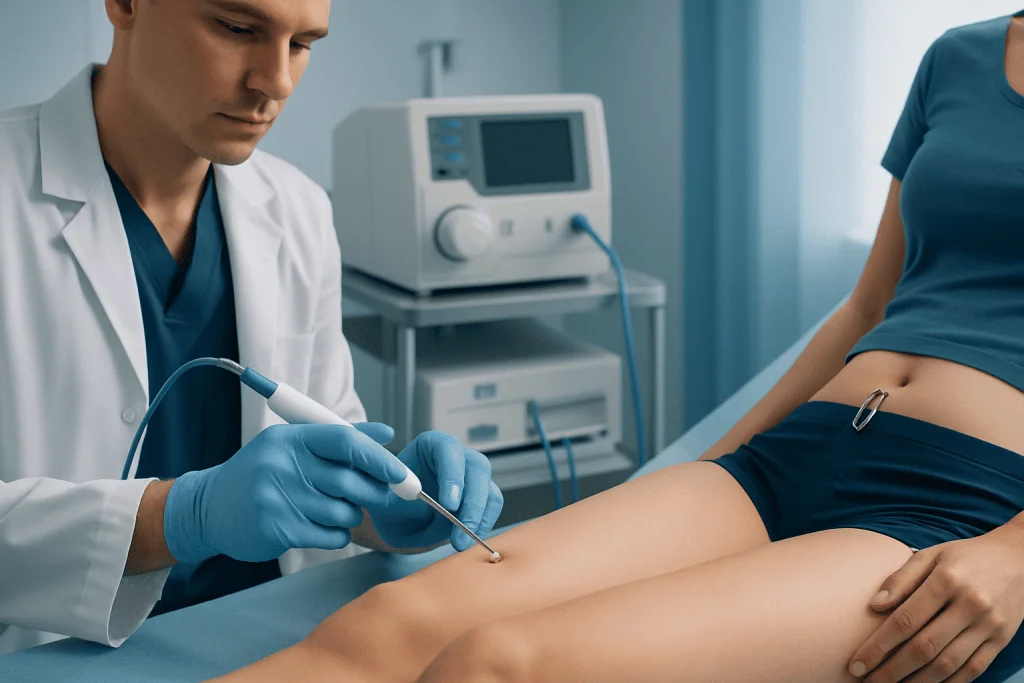
Early healing often includes mild swelling, localized tenderness, light bleeding or spotting, and clear to pale yellow crusting around the jewelry. These changes can occur in the first days to weeks and do not automatically mean infection. The tissue may also feel sensitive when walking, exercising, or wearing tight underwear.
Healing is usually measured in months rather than days. Even when the outside looks better, deeper tissue may still be recovering. During this period, repeated touching, changing jewelry too early, or friction from clothing can delay healing and increase inflammation.
Signs that are less typical include worsening pain after the first few days, increasing redness that spreads beyond the piercing site, thick pus, a bad odor, fever, or tissue that seems to thin around the jewelry. Another concern is migration, where the jewelry appears closer to the skin surface over time. In more advanced rejection, the body gradually pushes the jewelry out, leaving a thinning strip of skin or a scar.
- Often expected: mild swelling, tenderness, slight spotting, clear or pale crusting
- Concerning: spreading redness, significant heat, pus, fever, severe pain, or jewelry moving toward the skin surface
- Urgent review: rapidly worsening swelling, severe bleeding, or signs of a deep skin infection
Medical risks and common myths

One common myth is that a christina piercing is low risk because it is external. In reality, the area is exposed to moisture, friction, sweat, and bacteria from nearby skin and clothing. This does not mean complications are inevitable, but it does mean sterile technique, appropriate jewelry, and careful aftercare are important.
Another myth is that pain during healing is proof that the piercing is “working” or settling into place. Persistent or worsening pain is not a reassuring sign. It may suggest irritation, allergy to metal, trauma, embedding, or infection. Medical evaluation can help distinguish expected healing from a developing complication.
A third myth is that this piercing reliably enhances sexual pleasure. The christina piercing is usually placed through superficial tissue and is mainly ornamental. Although individuals may have different personal experiences, anatomy and available evidence do not support a consistent sensory benefit.
There is also a misconception that all redness or drainage means infection. Irritation can cause redness and fluid, while infection more often causes increasing warmth, swelling, pain, pus, and sometimes fever. If there is doubt, a healthcare professional can assess whether the problem is local irritation, allergic contact dermatitis, trauma, or an infection such as skin infection.
Who may have a higher risk of problems?
Not everyone has the same healing capacity. People with diabetes, poor circulation, immune suppression, active inflammatory skin disease, or a history of keloids or poor wound healing may have more difficulty recovering from any body piercing. Smoking can also impair healing by reducing blood flow to tissue.
Mechanical factors matter as well. Tight clothing, frequent cycling, intense exercise, shaving over the area, or jobs and activities that create repeated friction can increase irritation and the risk of migration. Anatomy also influences how stable the piercing will be, since the amount and shape of available surface tissue affect tension on the jewelry.
Metal sensitivity is another issue. Jewelry containing nickel may trigger allergic contact dermatitis in some people, leading to itching, redness, and delayed healing. High-quality materials are usually preferred to reduce this risk. A clinician may consider allergy, trauma, or underlying skin disease if symptoms persist despite good hygiene.
Anyone with recurrent boils, abscesses, or painful nodules in the groin or underarms should mention this before or after a piercing, because some symptoms can overlap with chronic skin conditions such as hidradenitis suppurativa.
How doctors assess a problem
Most piercing-related concerns are diagnosed through a clinical examination. A doctor will usually ask when the piercing was placed, how symptoms changed over time, what cleansing products were used, whether the jewelry has been changed, and whether there has been sexual activity, shaving, trauma, or friction. They will also look for signs of local infection, allergic reaction, migration, tissue thinning, or scarring.
Testing is not always necessary. If infection is mild and limited to the skin, treatment may be based on examination alone. However, a swab or culture may be considered if there is significant discharge, recurrent infection, or poor response to initial treatment. If a person has fever, severe swelling, or extensive redness, the clinician may assess for a deeper soft tissue infection.
Because this piercing is in the vulvar region, doctors may also consider gynecologic or dermatologic causes of symptoms. In some cases, specialist evaluation is helpful, especially when there is uncertainty about whether the issue is piercing-related or due to another skin or gland condition. Imaging is rarely needed unless a deeper abscess or another diagnosis is suspected.
Treatment and aftercare based on evidence
The best approach depends on the problem. For uncomplicated healing, general advice focuses on gentle saline cleansing, hand hygiene before touching the area, and reducing friction. Harsh antiseptics, scrubbing, and frequent manipulation can worsen irritation rather than help it. Jewelry should not be changed too early, and any change is best handled by an experienced professional or guided by a clinician if complications are present.
If a doctor suspects infection, treatment may include local wound care and sometimes antibiotics. It is important not to start self-treating with random creams or leftover medicines, especially in the genital area, because these can irritate tissue or mask an infection. If an abscess has formed, medical drainage may be required. In some cases, removing the jewelry is appropriate, but this decision should ideally be individualized because premature removal can sometimes trap infection or affect drainage.
When migration, rejection, embedding, or persistent trauma is the main issue, the safest option may be to retire the piercing and allow the tissue to heal. If a persistent bump, scar, or cosmetic concern remains, treatment from a skin or surgical specialist may help. For patients who develop a true abscess or a complex wound, treatment may overlap with minor abscess drainage or other wound care procedures. If chronic irritation leaves a problematic scar, selected patients may later discuss options in a scar revision consultation.
If symptoms suggest significant vulvar irritation, recurrent infection, or another diagnosis entirely, a doctor may refer the person for dermatology, gynecology, or gynecologic surgery review. The aim is not only to treat the piercing itself, but also to identify any underlying condition that may be interfering with healing.
Prevention and practical self-care
Prevention starts before the piercing is placed. People should choose a licensed, reputable piercing professional who uses sterile technique, appropriate single-use equipment, and implant-grade jewelry. Although healthcare providers do not perform most cosmetic piercings, they strongly support infection prevention measures and realistic counseling about healing time and complications.
During recovery, simple routines are usually best. Clean the area gently as advised, avoid picking crusts, wash hands before any contact, and wear loose, breathable clothing when possible. Limiting friction is especially important with a christina piercing because repeated movement can contribute to inflammation and migration.
It also helps to avoid activities that repeatedly stress the area until healing is well established. Shaving around the site should be done cautiously, if at all, and only when the tissue is calm. If sexual activity causes pulling, pressure, or pain, pausing until healing improves is generally wise. A clinician can offer tailored guidance if there are questions about exercise, clothing, or return to normal routines.
Near the end of care, some people benefit from specialist assessment if they are not healing as expected. Acibadem International’s multidisciplinary specialists and JCI-accredited hospitals diagnose and treat skin, gynecologic, and wound-related concerns for international patients, including when a piercing problem may require wound care or a more detailed women’s health evaluation.
When to seek medical care
Medical care is appropriate if the piercing becomes more painful instead of gradually less tender, if redness spreads, or if thick discharge develops. Fever, chills, a rapidly enlarging lump, severe swelling, or difficulty walking comfortably are stronger warning signs that should not be ignored.
A person should also seek evaluation if the jewelry appears to be sinking into the skin, if the tissue is thinning around the bar, or if there is continuous bleeding. These findings may point to embedding, migration, or rejection, and continued pressure on the area can worsen scarring.
It is also sensible to see a doctor if healing seems stalled for many weeks, if symptoms keep returning, or if there is concern about allergy, an ingrown hair, a cyst, or another vulvar condition. Prompt review can often prevent a minor problem from becoming a more complicated one.
Frequently asked questions
How long does a christina piercing take to heal?
Healing often takes several months, and in some people it can take longer because this is a surface piercing in an area exposed to friction and moisture. Even if the outside looks healed, deeper tissue may still be recovering. A clinician or experienced piercing professional can help assess whether healing is on track.
Is a christina piercing mainly decorative or functional?
It is mainly decorative. Because it sits in superficial tissue at the top of the vulva, it usually does not provide consistent stimulation or reliably increase sexual pleasure. Individual experiences vary, but anatomy does not support a predictable functional effect.
What are the first signs of an infected christina piercing?
Increasing pain, redness that spreads, warmth, swelling, and thick or foul-smelling discharge are common warning signs. Fever or chills may indicate a more significant infection. Mild crusting alone is not the same as infection, especially early in healing.
Should the jewelry be removed if there is a problem?
Not always. Sometimes removal is helpful, especially with migration, rejection, or certain traumatic problems, but in some infections the decision is more nuanced. It is best to get advice from a qualified clinician rather than removing it immediately without guidance.
Can a christina piercing leave a scar?
Yes. Any piercing can leave a scar, and surface piercings are more likely to leave visible marks if they migrate, reject, or become repeatedly irritated. The final appearance depends on the individual’s skin, healing pattern, and whether complications occur.
Who should be extra cautious about getting this piercing?
People with diabetes, immune suppression, active skin disease, poor wound healing, metal allergy, or a history of keloids should be especially cautious. Repeated friction from clothing, sport, or shaving can also raise the risk of complications. A doctor can help review whether a piercing is likely to heal well in a specific situation.
This article is for general information only and is not a substitute for professional medical advice. Please consult a qualified doctor about your individual situation.
Explore treatments in Turkey — costs, top hospitals & a free quote
JCI-accredited · board-certified surgeons · reply within 24h
Add us as a Preferred Source to see more of our trusted health content across Google Search, AI Overviews and Discover.

More from the Health Library

Mindbodygreen Podcast: An Evidence-Based Guide for Patients

Airsupra Inhaler Cost: An Evidence-Based Guide for Patients

Cutaneous Horn — Explained by Medical Evidence, Not Myths

Dextromethorphan Hydrobromide: What Patients Need to Know

Monistat 7 — Explained by Medical Evidence, Not Myths