

Circadian Rhythm Sleep Disorders: Jet Lag, Shift Work, and Delayed Sleep Phase

Circadian rhythm sleep disorders are caused by a mismatch between the internal body clock and the required sleep-wake schedule. Jet lag, shift work sleep disorder, and delayed sleep phase are among the most common types.
Key Takeaways
- Circadian rhythm sleep disorders are caused by a mismatch between the internal body clock and the required sleep-wake schedule.
- Jet lag, shift work sleep disorder, and delayed sleep phase are among the most common types.
- Diagnosis often relies on sleep history, sleep diaries, and sometimes actigraphy or sleep studies.
- Treatment may include schedule changes, light exposure, melatonin guidance, and healthy sleep habits.
- Medical advice is important when symptoms are persistent, affect safety, or interfere with work, school, or wellbeing.
Circadian rhythm sleep disorders happen when a person’s internal body clock is out of sync with the desired sleep schedule. Common examples include jet lag, shift work sleep disorder, and delayed sleep-wake phase disorder, all of which can affect sleep quality, alertness, mood, and daily functioning.
Overview
Circadian rhythm sleep disorders are conditions in which sleep occurs at the wrong time because the body’s internal clock is not aligned with the social, work, or environmental schedule. The circadian rhythm is a roughly 24-hour pattern that helps regulate sleep, alertness, hormone release, body temperature, and many other functions. When this timing system shifts or becomes disrupted, a person may struggle to fall asleep, stay asleep, wake at the desired time, or feel alert during the day.
These disorders are different from occasional poor sleep. A late night, a busy week, or temporary stress can disturb rest for many people. In circadian rhythm sleep disorders, however, the main problem is timing rather than the ability to sleep itself. Sleep may be normal in length and quality if it happens at the body’s preferred time, but difficult or unrefreshing when forced into a different schedule.
Three common examples are jet lag disorder, shift work sleep disorder, and delayed sleep-wake phase disorder. Jet lag happens after rapid travel across time zones. Shift work sleep disorder affects people whose job hours overlap with the time the body is naturally prepared to sleep. Delayed sleep-wake phase disorder is a pattern in which a person consistently falls asleep and wakes much later than desired.
Symptoms
Symptoms vary depending on the specific circadian rhythm disorder, but many people notice trouble falling asleep at bedtime, difficulty waking up on time, poor concentration, daytime tiredness, and reduced performance at work or school. Some also report irritability, low mood, headaches, or digestive discomfort related to disrupted sleep timing.
In jet lag, symptoms often include insomnia at the destination, excessive sleepiness during the day, decreased alertness, and a general feeling of being out of sync. The severity usually depends on the number of time zones crossed, the direction of travel, and a person’s age and usual sleep habits.
In shift work sleep disorder, the most common problems are insomnia when trying to sleep during daylight hours and excessive sleepiness while working at night or early in the morning. This can increase the risk of errors, reduced productivity, and accidents, especially in jobs that require driving, operating machinery, or constant attention.
In delayed sleep-wake phase disorder, a person may naturally fall asleep very late, often in the early morning hours, and then have great difficulty waking for school, work, or appointments. When allowed to follow their preferred schedule, they may sleep well and feel rested, which helps distinguish the condition from some other sleep problems such as insomnia.
Causes and Risk Factors

The circadian system is strongly influenced by light, especially morning light, which helps set the body clock. Travel across time zones, overnight work, rotating shifts, irregular sleep schedules, and excessive evening light exposure from screens or bright indoor lighting can all shift or disrupt this timing. The body may then send signals for sleep and wakefulness at times that do not match daily responsibilities.
Jet lag is caused by rapid movement to a new time zone faster than the body clock can adjust. Eastward travel, which usually requires falling asleep earlier than usual, is often harder for many people than westward travel. Shift work sleep disorder develops when a recurring work schedule requires wakefulness during the biological night and sleep during the biological day.
Delayed sleep-wake phase disorder is more common in adolescents and young adults, though it can affect any age group. Genetics may play a role in some cases, and habits such as irregular bedtimes, late-night screen use, limited morning light, and sleeping in on free days can reinforce the delay. Some people with mood disorders, attention difficulties, or neurodevelopmental conditions may also be more vulnerable to circadian disruption.
Other factors that can worsen circadian sleep problems include stress, caffeine or alcohol use near bedtime, frequent napping, and other untreated sleep disorders. Conditions such as sleep apnea can coexist and make symptoms more complicated, so a complete medical assessment is often helpful when sleep problems are persistent.
How Diagnosis Is Made
Diagnosis begins with a detailed medical and sleep history. A doctor will usually ask about bedtime and wake time on workdays and days off, daytime sleepiness, work schedule, recent travel, medications, caffeine use, and mood symptoms. The timing pattern over several weeks is especially important, because circadian rhythm disorders are identified by recurring schedule-related symptoms rather than by one bad night of sleep.
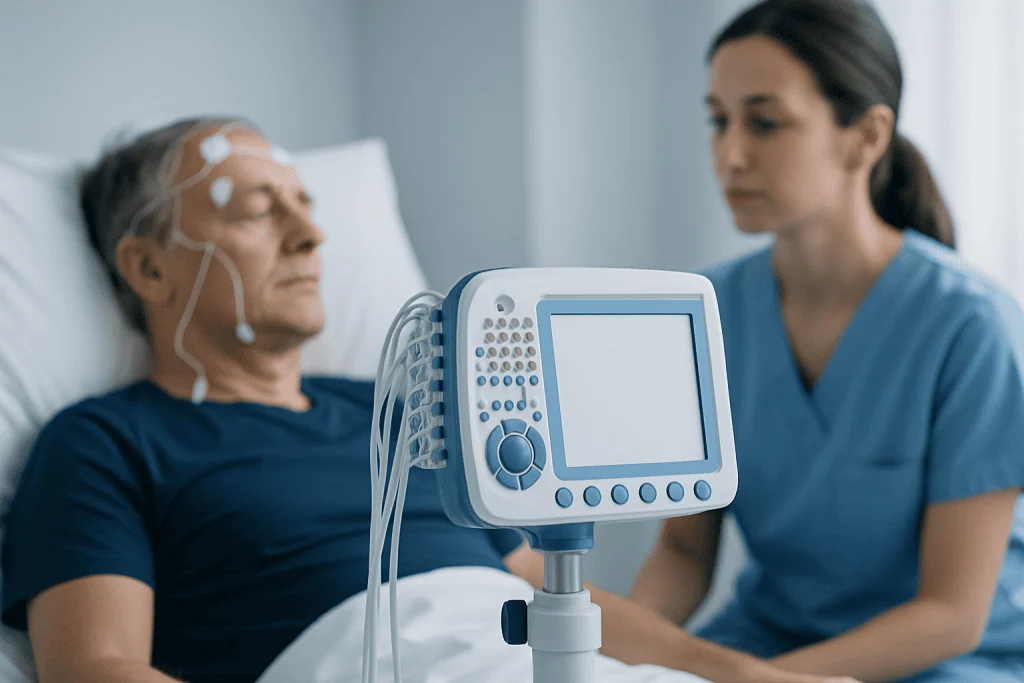
Sleep diaries are often one of the most useful tools. In a diary, the person records sleep times, awakenings, naps, and daily symptoms for one to two weeks or longer. A wearable monitor called an actigraph may also be used to estimate sleep-wake patterns over time. These tools help show whether the sleep schedule is delayed, irregular, or misaligned with the desired routine.
Not everyone needs an overnight sleep study, also called polysomnography. A sleep study may be recommended if another sleep disorder is suspected, such as sleep apnea, abnormal movements during sleep, or certain neurologic sleep conditions. In selected situations, specialists may also use questionnaires or tests that assess daytime sleepiness and circadian timing.
Because symptoms such as fatigue and poor concentration can have many causes, diagnosis may also include evaluation for mental health conditions, medication effects, thyroid problems, or lifestyle factors. The goal is to identify the main reason for the timing problem and to rule out overlapping conditions that may require separate treatment.
Treatment Options
Treatment depends on the specific disorder, the person’s schedule, and how much symptoms interfere with life. The main goal is to gradually realign sleep timing with the desired pattern or reduce symptoms when schedule changes are not possible. Many people improve with a combination of behavioral strategies, carefully timed light exposure, and guidance on melatonin use.
For jet lag, useful measures may include adjusting sleep times before travel, seeking light exposure at the right time in the new location, staying hydrated, and allowing the body a few days to adapt. Brief use of melatonin may help some travelers, but timing matters, so it is best used with professional advice. In some cases, a doctor may also discuss short-term options for sleep or alertness, depending on a person’s health status and travel needs.
For shift work sleep disorder, treatment focuses on improving sleep opportunity and supporting alertness safely. This may include keeping a consistent sleep window, using blackout curtains and a quiet room for daytime sleep, wearing sunglasses on the way home after a night shift, and strategic exposure to bright light during work hours. Some patients may be referred for specialized sleep disorder treatment to create a more individualized plan.
For delayed sleep-wake phase disorder, treatment may involve gradually shifting bedtime and wake time earlier, increasing bright light exposure soon after waking, limiting evening light, and avoiding sleeping in on weekends. In selected cases, carefully timed melatonin is used to help shift the body clock. If symptoms are severe or the diagnosis is uncertain, assessment in a dedicated sleep lab or by a sleep specialist can help guide treatment.
Prevention and Self-Care
Healthy sleep habits can support circadian alignment and reduce symptom severity. A regular wake time is often more important than a perfect bedtime, because waking at the same time each day helps anchor the body clock. Regular morning light exposure, daily physical activity, and a calm wind-down routine in the evening also support healthy timing.
People prone to delayed sleep should try to reduce bright light and screen use in the hours before bed and get outside or use prescribed light therapy soon after waking if recommended by a clinician. Those doing shift work may benefit from planning sleep in a quiet, dark room and asking household members to protect that sleep period as much as possible.
For travelers, it can help to shift bedtime slightly toward the destination time before departure, especially for major time-zone changes. Eating meals on the new local schedule, avoiding excess alcohol, and not overusing caffeine can also make adjustment easier. Short naps may help with alertness, but long or poorly timed naps can delay adaptation.
Self-care is helpful, but it is not a substitute for professional care when symptoms are ongoing. Persistent sleep misalignment can affect mood, memory, work performance, and physical health. Individualized guidance is especially important for children, adolescents, older adults, pregnant people, and anyone with complex medical conditions.
When to See a Doctor
A doctor should be consulted if sleep timing problems last for several weeks, repeatedly interfere with work or school, or cause significant daytime sleepiness. Medical advice is also important if there are safety concerns, such as drowsy driving, workplace errors, or trouble staying awake during important activities.
People should seek assessment if they snore heavily, stop breathing during sleep, have unusual behaviors at night, or feel tired despite getting enough hours of sleep. These signs may suggest another sleep disorder in addition to a circadian rhythm problem. A specialist can help identify whether the main issue is body clock misalignment, narcolepsy, insomnia, sleep apnea, or another condition.
Children and teenagers who consistently cannot fall asleep until very late and then struggle to wake for school may also benefit from evaluation rather than being labeled as simply unmotivated or undisciplined. Early assessment can help reduce academic stress and family conflict while improving sleep habits in a structured way.
For international patients needing expert evaluation, Acibadem International’s multidisciplinary specialists and JCI-accredited hospitals diagnose and treat sleep-related conditions using a coordinated approach. The most suitable care plan depends on the person’s symptoms, daily schedule, and overall health.
Frequently asked questions
What is a circadian rhythm sleep disorder?
A circadian rhythm sleep disorder is a condition in which a person’s internal body clock does not match the desired sleep and wake schedule. This mismatch can make it hard to fall asleep at the right time, wake when needed, or stay alert during the day.
How is jet lag different from other circadian rhythm disorders?
Jet lag is usually a temporary problem caused by rapid travel across time zones. Other circadian rhythm disorders, such as delayed sleep-wake phase disorder or shift work sleep disorder, often last longer and are linked to ongoing schedules or body clock patterns.
Can shift work really cause a medical sleep disorder?
Yes. When a work schedule repeatedly conflicts with the body’s natural sleep timing, some people develop shift work sleep disorder. This can lead to insomnia, daytime fatigue, reduced concentration, and safety concerns if left unaddressed.
Is delayed sleep phase just a habit of staying up too late?
Not always. In delayed sleep-wake phase disorder, the body clock itself tends to run later than desired, so sleep onset and waking are naturally shifted. Habits can make it worse, but the condition is more than simple preference or poor discipline.
Do circadian rhythm sleep disorders go away on their own?
Some do, especially jet lag, which often improves as the body adjusts to a new time zone. Others may persist unless the sleep schedule, light exposure, and daily routine are addressed with a structured plan.
Is melatonin helpful for circadian rhythm sleep disorders?
Melatonin may help some people, but it needs to be taken at the right time to be effective. Because timing and dose depend on the specific disorder and the person’s schedule, it is best used under medical guidance.
When should someone see a sleep specialist?
A sleep specialist may be helpful if symptoms are persistent, affect daily functioning, or create safety risks such as drowsy driving. Specialist care is also useful when the diagnosis is unclear or another sleep disorder may be present.
References
- American Academy of Sleep Medicine
- National Heart, Lung, and Blood Institute
- Centers for Disease Control and Prevention
- National Institute of Neurological Disorders and Stroke
- MedlinePlus
This article is for general information only and is not a substitute for professional medical advice. Please consult a qualified doctor about your individual situation.
Explore treatments in Turkey — costs, top hospitals & a free quote
JCI-accredited · board-certified surgeons · reply within 24h
Add us as a Preferred Source to see more of our trusted health content across Google Search, AI Overviews and Discover.






