

Clindamycin for Tooth Infection: Diagnosis, Outlook, and Modern Treatment Approaches

Clindamycin may be prescribed for a tooth infection, especially in people with certain antibiotic allergies. A tooth infection often needs dental treatment such as drainage, root canal therapy, or tooth removal in addition to antibiotics.
Key Takeaways
- Clindamycin may be prescribed for a tooth infection, especially in people with certain antibiotic allergies.
- A tooth infection often needs dental treatment such as drainage, root canal therapy, or tooth removal in addition to antibiotics.
- Not every toothache needs antibiotics; a dentist decides based on signs of bacterial infection and spread.
- Clindamycin can cause side effects, including diarrhea, so it should be taken only as prescribed.
- Facial swelling, fever, trouble swallowing, or difficulty breathing need urgent medical attention.
Clindamycin for tooth infection can help control certain bacterial infections, particularly when a person cannot take penicillin-based antibiotics. However, antibiotics alone usually do not cure the underlying dental problem, so prompt dental treatment is often the most important step.
Overview: Is clindamycin used for a tooth infection?
Clindamycin for tooth infection is sometimes prescribed when a dentist or doctor suspects a bacterial dental infection and believes an antibiotic is appropriate. It is often considered when a person has an allergy to penicillin or when another antibiotic is not suitable. The goal is to reduce the bacterial burden and help prevent the infection from spreading.
That said, antibiotics are only one part of care. Most tooth infections begin because bacteria enter the dental pulp through deep decay, a crack, or advanced gum disease. In many cases, the infection will not fully resolve unless the source is treated with dental procedures such as drainage, root canal therapy, or removal of the affected tooth.
This is why clindamycin should be seen as supportive treatment rather than a complete solution. A person may feel better after starting antibiotics, but pain relief does not always mean the problem is cured. Follow-up with a dentist remains important to protect the tooth, nearby tissues, and overall health.
How a tooth infection develops and what it may feel like
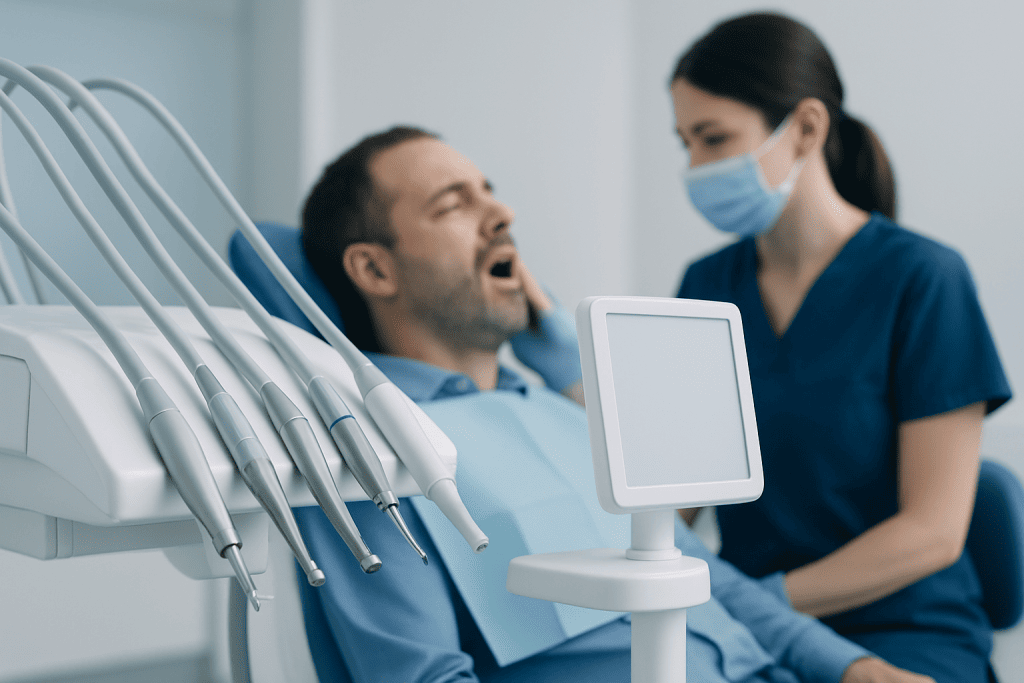
A tooth infection, often called a dental abscess, develops when bacteria infect the inside of a tooth or the tissues around it. This can happen after untreated cavities, dental trauma, a broken filling, or severe gum disease. Once bacteria reach deeper tissues, pressure and inflammation can build up and lead to significant discomfort.
Symptoms vary from person to person. Some feel a constant throbbing toothache, while others notice pain when biting, sensitivity to hot or cold, or a bad taste in the mouth if pus drains. Swelling of the gums, cheek, or jaw can also occur, and the affected tooth may feel loose or unusually tender.
In more advanced cases, the infection may spread beyond the tooth. Warning signs can include fever, enlarged lymph nodes, fatigue, or swelling that extends into the face or neck. These symptoms suggest a more urgent problem and should not be ignored.
- Throbbing or persistent tooth pain
- Swelling of the gum, face, or jaw
- Pain with chewing or pressure
- Bad taste or foul-smelling drainage in the mouth
- Fever or feeling unwell
When clindamycin may be chosen

Dentists do not prescribe antibiotics for every dental problem. For example, a toothache caused by inflammation inside the tooth may need dental treatment and pain control rather than an antibiotic. Clindamycin is usually reserved for situations where there are signs of bacterial infection, especially if swelling is present, drainage is limited, or the infection appears to be spreading.
Clindamycin may be selected when a person cannot take common first-line antibiotics, including some penicillin-based medicines. It works against many bacteria involved in dental infections, including bacteria that thrive in low-oxygen environments inside deep tissues. This makes it a useful option in carefully selected cases.
Even so, antibiotic choice depends on the person’s medical history, allergies, previous antibiotic use, pregnancy status, immune health, and local clinical judgment. A clinician may also consider whether the infection is linked to a broader oral health condition such as dental abscess or severe gum disease. Self-treating with leftover antibiotics is not safe, because the wrong medicine or delayed dental care can allow the infection to worsen.
Diagnosis: why examining the tooth matters as much as choosing the antibiotic
Diagnosis begins with a dental examination rather than the antibiotic itself. The clinician will ask about pain, swelling, fever, medication allergies, and how long symptoms have been present. They may tap the tooth, inspect the gums, and look for drainage, swelling, or signs that the tooth is no longer vital.
Dental imaging often helps identify the source of infection. X-rays can show decay, bone loss, infection around the root, or a problem beneath an old filling or crown. In more complex cases, additional imaging may be needed to understand how far the infection extends.
This step matters because treatment depends on the cause. If the tooth can be saved, the clinician may recommend root canal treatment to remove infected tissue from inside the tooth. If the tooth cannot be restored, tooth extraction may be advised. If there is a localized pocket of pus, drainage may provide faster relief than antibiotics alone.
In some people, the doctor may also evaluate for complications outside the mouth, especially if there is significant facial swelling, difficulty opening the mouth, or signs that the infection is spreading. The overall plan is designed to control infection, preserve function, and reduce the chance of recurrence.
Modern treatment approaches beyond antibiotics
Modern care for a tooth infection focuses on source control. In other words, the infected area must usually be cleaned, drained, repaired, or removed. This approach treats the actual cause rather than only suppressing the bacteria for a short time. Clindamycin can support recovery, but it is rarely the only treatment needed.
If the tooth is salvageable, root canal therapy is often used to remove infected pulp, disinfect the canal system, and seal the tooth. If damage is too extensive, extraction may be the better option. A dentist may also recommend restoring a cracked or decayed tooth after the infection is controlled to reduce the chance of another infection.
Supportive care may include pain relief measures, hydration, and soft foods if chewing is uncomfortable. Good oral hygiene remains important, but aggressive brushing over a very tender area may increase discomfort. Salt-water rinses may feel soothing for some people, though they do not replace professional treatment.
In selected cases, a dentist may recommend follow-up restorative care such as dental implants after extraction and healing. At the end of the care pathway, some patients also benefit from a broader oral health review to address untreated decay, bite problems, or hygiene habits that contributed to the infection in the first place.
Safety, side effects, and outlook with clindamycin
Like all antibiotics, clindamycin has potential side effects. Common ones may include nausea, stomach upset, abdominal discomfort, or diarrhea. A well-known concern is antibiotic-associated diarrhea, including a more serious bowel infection in some people. For this reason, anyone who develops severe, persistent, or bloody diarrhea during or after treatment should seek medical advice promptly.
It is also important to take clindamycin exactly as prescribed and to tell the clinician about all medicines, allergies, and past reactions to antibiotics. Skipping doses, stopping early without advice, or taking someone else’s medication can reduce effectiveness and contribute to antibiotic resistance.
The outlook is generally good when the infection is identified early and the tooth receives appropriate treatment. Pain and swelling often improve once the source is addressed. However, delays in care can allow the infection to spread into deeper tissues, where treatment may become more urgent and more complex.
For international patients who need coordinated evaluation, Acibadem International’s multidisciplinary specialists in JCI-accredited hospitals diagnose and treat dental infections and related oral conditions with individualized care plans.
Prevention and self-care after a tooth infection
Preventing another tooth infection usually starts with everyday oral care. Brushing twice daily with fluoride toothpaste, cleaning between the teeth, and attending regular dental checkups can reduce the risk of decay and gum disease. Small cavities or loose restorations are much easier to treat before they lead to infection.
Diet also plays a role. Frequent sugary snacks and drinks can increase the risk of dental decay, while smoking or tobacco use may worsen gum disease and healing. A balanced routine that supports oral health is one of the most effective long-term strategies.
After treatment, a person should follow the dentist’s instructions carefully. This may include completing prescribed medicines, avoiding chewing on the treated side for a period of time, and returning for any recommended restoration or review visit. If symptoms return, it is better to seek reassessment early rather than wait for severe pain or swelling.
- Brush with fluoride toothpaste morning and night
- Floss or clean between teeth daily
- Limit frequent sugary foods and drinks
- Do not ignore cracked teeth, cavities, or gum bleeding
- Keep scheduled dental follow-up appointments
When to seek medical care
A person should seek dental care promptly for ongoing tooth pain, swelling, gum tenderness, or a bad taste in the mouth that suggests drainage. Even if symptoms improve after starting antibiotics, the tooth still needs professional evaluation because the source of infection may remain.
Urgent medical care is needed if there is rapid facial swelling, fever, difficulty swallowing, trouble breathing, confusion, or swelling that spreads toward the eye or neck. These can be signs that the infection is moving beyond the tooth and may require emergency assessment.
People with weakened immune systems, uncontrolled diabetes, or recent major illness should be especially cautious, since infections may progress more quickly. In these situations, early assessment can help prevent complications and guide safe treatment.
Frequently asked questions
Is clindamycin a good antibiotic for a tooth infection?
Clindamycin can be an appropriate antibiotic for some tooth infections, especially when a person cannot take penicillin-based antibiotics. However, the best choice depends on the person's medical history, allergies, and the type of infection. It should only be used under the guidance of a qualified clinician.
Can clindamycin cure a tooth infection by itself?
Usually not. Clindamycin may help control the bacterial infection, but the underlying cause often remains inside the tooth or surrounding tissues. Many people also need drainage, root canal therapy, or extraction to fully treat the problem.
How quickly does clindamycin work for a dental infection?
Some people begin to notice improvement in pain or swelling within a couple of days, but response time varies. Feeling better does not always mean the infection is gone. The tooth still needs proper dental follow-up.
What are the main side effects of clindamycin?
Common side effects include nausea, stomach upset, and diarrhea. A more serious concern is severe or persistent diarrhea related to antibiotic-associated bowel infection. Anyone with significant diarrhea during or after treatment should contact a healthcare professional.
What if I am allergic to penicillin and have a tooth infection?
A dentist or doctor can choose an alternative antibiotic if one is truly needed. Clindamycin is one possible option, but it is not the only one. The safest choice depends on the details of the allergy and the infection.
When should a tooth infection be treated urgently?
Urgent care is important if there is facial swelling, fever, trouble swallowing, difficulty breathing, or severe spreading pain. These symptoms may suggest that the infection is extending beyond the tooth. Quick assessment can help prevent more serious complications.
References
- American Dental Association
- National Institute of Dental and Craniofacial Research
- Centers for Disease Control and Prevention
- Mayo Clinic
- Merck Manual
This article is for general information only and is not a substitute for professional medical advice. Please consult a qualified doctor about your individual situation.
Explore treatments in Turkey — costs, top hospitals & a free quote
JCI-accredited · board-certified surgeons · reply within 24h
Add us as a Preferred Source to see more of our trusted health content across Google Search, AI Overviews and Discover.

More from the Health Library



Related Specialists

Dr. Sinem Bostan Kayaoğlu
Gynecology & Obstetrics
Prof. Dr. Özgür Yağmur
General Surgery
Dr. Işık Teksen
Cosmetic Dermatology
Asst. Prof. Dr. Mahmut Ozan Findik
Otorhinolaryngology