Coercive Control — Explained by Medical Evidence, Not Myths

Coercive control is a pattern of abuse, not a single argument or disagreement. It may involve isolation, surveillance, threats, financial control, humiliation, or restricting access to healthcare and support.
Key Takeaways
- Coercive control is a pattern of abuse, not a single argument or disagreement.
- It may involve isolation, surveillance, threats, financial control, humiliation, or restricting access to healthcare and support.
- People affected can develop anxiety, depression, sleep problems, chronic stress symptoms, and trauma-related difficulties.
- Healthcare professionals assess safety, health effects, and practical support needs rather than relying on myths or stereotypes.
- Urgent help is needed if there is immediate danger, suicidal thoughts, strangulation, severe injury, or threats involving children or weapons.
Coercive control is a repeated pattern of behavior used to dominate, isolate, and intimidate another person, often within an intimate or family relationship. Medical evidence shows it can affect both mental and physical health, even when there are no visible injuries.
Overview: what coercive control means
Coercive control is a persistent pattern of behavior that one person uses to dominate another person and limit their freedom. It can include intimidation, threats, humiliation, surveillance, isolation from friends or family, control of money, interference with work or education, and restriction of access to transport, communication, or medical care. Unlike a single conflict, coercive control is ongoing and aims to create fear, dependence, and loss of autonomy.
Medical and psychological evidence recognizes that this form of abuse can seriously affect health even when there are no bruises or other visible injuries. Repeated exposure to fear and unpredictability can activate the body’s stress systems over time. This may contribute to sleep problems, headaches, stomach symptoms, chronic pain, anxiety, depression, panic symptoms, and trauma-related reactions.
Coercive control can happen in intimate partnerships, former relationships, and sometimes within family settings. It can affect people of any gender, age, culture, sexual orientation, or socioeconomic background. A neutral, evidence-based view is important because myths can make people doubt their own experience or delay seeking help.
How coercive control can look in everyday life
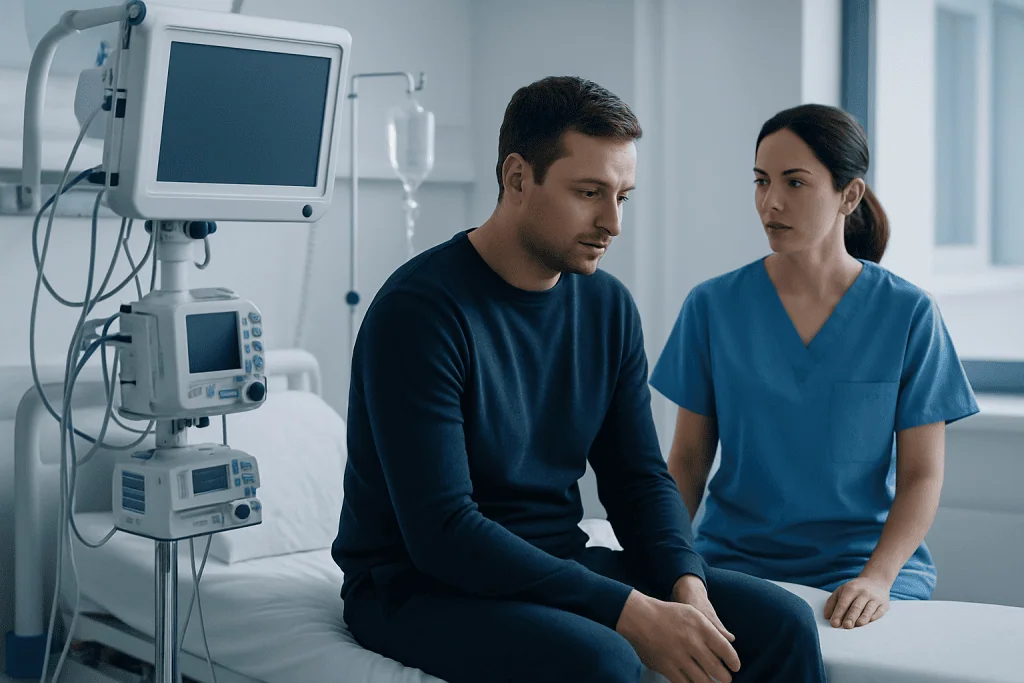
Coercive control does not always appear dramatic from the outside. It may develop gradually, beginning with behavior that seems protective, jealous, or attentive, then becoming more restrictive over time. A person may be pressured to share passwords, answer messages immediately, avoid certain people, or ask permission before spending money or leaving home.
Common behaviors include monitoring phone use, tracking location, accusing a partner of disloyalty without reason, insulting appearance or intelligence, and using children, immigration status, housing, or finances as leverage. Some people are prevented from attending appointments or are pressured about contraception, pregnancy, or sexual activity. Others are deprived of sleep, repeatedly interrogated, or made to feel responsible for the abuser’s actions.
Digital tools can also be misused. Examples include checking devices, installing spyware, controlling social media, impersonating someone online, or making constant calls and messages to demand reassurance or obedience. These actions can create a sense of being watched at all times, which often increases anxiety and hypervigilance.
- Isolation from friends, family, work, or education
- Control of money, bank access, or essential documents
- Threats, intimidation, or destruction of belongings
- Monitoring movements, devices, or communications
- Restriction of healthcare, medication, sleep, food, or transport
Health effects and symptoms linked to coercive control

The health effects of coercive control can be wide-ranging. Many people experience persistent stress symptoms such as poor sleep, difficulty concentrating, fatigue, headaches, palpitations, appetite changes, and gastrointestinal discomfort. Chronic stress may worsen existing conditions such as asthma, migraine, high blood pressure, or pain disorders.
Emotional and psychological effects are also common. A person may feel anxious, numb, depressed, ashamed, confused, or constantly on edge. Some develop panic attacks, intrusive memories, dissociation, or symptoms consistent with post-traumatic stress disorder. Others begin to doubt their memory or judgment because repeated manipulation, blame, and denial can erode confidence over time.
Coercive control can affect behavior as well. People may withdraw socially, struggle at work or school, miss medical appointments, use alcohol or other substances to cope, or find it difficult to make ordinary decisions. These responses are not signs of weakness; they are recognized reactions to ongoing stress and fear.
In some situations, coercive control occurs alongside physical or sexual violence, stalking, or reproductive abuse. If there are symptoms of depression, panic, trauma, or self-harm thoughts, professional assessment is important. Related concerns may overlap with depression and anxiety disorder patterns, although only a qualified clinician can make a diagnosis.
Why it happens: patterns, risk factors, and common myths
Coercive control is caused by abusive behavior choices made by the controlling person. It is not caused by the victim’s personality, clothing, decisions, or communication style. Relationship conflict can happen in many partnerships, but coercive control is different because it is characterized by fear, domination, and a repeated imbalance of power.
There is no single profile of either the person using coercive control or the person affected by it. However, stressors such as separation, pregnancy, financial dependence, social isolation, disability, immigration-related vulnerability, or previous trauma may increase how difficult it is to recognize or leave an unsafe situation. These factors do not cause abuse, but they can shape how it is experienced.
Several myths can be harmful. One is that abuse is only real if there is physical violence. Another is that an educated, successful, or outwardly calm person cannot be abusive. A third is that if someone stays in the relationship, the situation cannot be serious. Medical evidence and survivor experience show these assumptions are unreliable and can delay support.
How healthcare professionals assess coercive control
There is no single blood test or scan for coercive control. Assessment is based on careful listening, health history, symptom review, and evaluation of safety. Clinicians may ask whether someone feels afraid at home, whether a partner controls daily activities, whether they have access to money and documents, or whether they are being monitored, threatened, or prevented from seeking care.
The goal of assessment is not to force a person to disclose more than they want to share. Instead, it is to understand immediate risks, document health effects, and identify practical next steps. In some cases, clinicians may screen for depression, anxiety, sleep disorders, substance use, trauma symptoms, or injuries that need treatment. If relevant, they may recommend a mental health evaluation such as psychiatric assessment and care.
Documentation can be important, especially when there are repeated health visits or legal concerns. Healthcare professionals may record symptoms, injuries, statements made during the visit, and any observed safety concerns. This is typically done in a factual, neutral way. Privacy and confidentiality are handled according to local laws and safeguarding requirements, especially if children or dependent adults may be at risk.
Treatment, support, and recovery
Treatment for the effects of coercive control focuses on safety, stabilization, and recovery. The first step is often to identify immediate danger and connect the person with appropriate support, which may include crisis services, social workers, legal resources, or domestic abuse specialists. Medical treatment may address injuries, sleep problems, anxiety, depression, chronic pain, sexual health concerns, or stress-related symptoms.
Psychological support can be very helpful. Many people benefit from trauma-informed counseling, psychotherapy, or structured mental health care tailored to their symptoms and circumstances. Depending on need, options may include psychological counseling, sleep support, and treatment for trauma-related symptoms. When symptoms are significant, referral for specialist mental health treatment may be appropriate.
Recovery is often gradual rather than linear. A person may need time to rebuild confidence, social connection, practical independence, and a sense of safety. Helpful steps can include restoring contact with trusted people, securing documents, creating private communication methods, and arranging follow-up care for both physical and emotional health.
Near the end of the care pathway, some people benefit from multidisciplinary evaluation where mental health, primary care, women’s health, and social support are coordinated. Acibadem International’s multidisciplinary specialists and JCI-accredited hospitals diagnose and treat health concerns related to abuse and trauma for international patients when this is needed.
Self-care, safety planning, and practical steps
Self-care in this context is not about minimizing abuse; it is about protecting health and preserving options. If a person thinks they may be experiencing coercive control, it can help to keep a private record of incidents, save important phone numbers, and store essential documents in a safe place if possible. Any documentation should be done only if it does not increase danger.
Simple routines can support the body under stress: regular meals, hydration, gentle movement, and rest when possible. Grounding techniques, breathing exercises, and contact with a trusted friend or clinician may reduce immediate stress symptoms. If sleep, panic, or trauma reactions are severe, medical support should be sought rather than trying to manage alone.
Safety planning is highly individual. It may include identifying a safe room with an exit, arranging a code word with a trusted person, preparing medications and identity documents, and deciding how to leave quickly if risk escalates. For some, discreet support from a doctor, social worker, or mental health professional is the safest way to begin.
When to seek medical care
Medical care should be sought promptly if coercive control is affecting sleep, mood, concentration, appetite, work, relationships, pregnancy, or management of an existing health condition. A clinician can help assess injuries, stress-related symptoms, sexual health concerns, medication access, and mental health effects. It is also reasonable to seek care if something feels unsafe even when there are no visible injuries.
Urgent or emergency help is needed if there has been strangulation, head injury, loss of consciousness, chest pain, severe bleeding, sexual assault, overdose, or any threat involving weapons. Immediate support is also important if there are suicidal thoughts, self-harm, threats to children, or fear that violence may escalate soon.
If speaking openly is difficult, a person can still tell a healthcare professional that they do not feel safe at home or that someone is controlling their daily life. Even a brief disclosure can help the clinician respond appropriately, protect privacy as much as possible, and connect the person with the right support services.
Frequently asked questions
Is coercive control the same as a normal relationship conflict?
No. Normal conflict may involve disagreement, but coercive control is a repeated pattern of domination, fear, and restriction of another person’s freedom. The key difference is the ongoing imbalance of power and the use of intimidation, isolation, or surveillance.
Can coercive control happen without physical violence?
Yes. A person can experience serious harm from coercive control even if they have never been hit or physically injured. The emotional, psychological, and physical stress effects can still be significant and deserve medical attention.
What symptoms can coercive control cause?
Common symptoms include anxiety, depressed mood, panic, sleep disturbance, poor concentration, headaches, stomach upset, and chronic stress. Some people also develop trauma-related symptoms, feel emotionally numb, or struggle to trust their own memory and judgment.
How do doctors help if someone is experiencing coercive control?
Doctors and other clinicians assess safety, treat physical and mental health effects, and connect patients with appropriate support. They may document concerns, address urgent risks, and refer for counseling, psychiatry, social work, or specialist services when needed.
Should someone wait until they are ready to leave before seeking help?
No. Medical and psychological support can be helpful whether a person plans to stay, leave, or is unsure. Support is not only about leaving a relationship; it is also about safety, health, and informed choices.
When is coercive control an emergency?
It is an emergency if there is immediate danger, strangulation, serious injury, sexual assault, threats with weapons, or suicidal thoughts. Emergency care is also needed if a person fears violence may happen very soon or if children are at immediate risk.
This article is for general information only and is not a substitute for professional medical advice. Please consult a qualified doctor about your individual situation.
Explore treatments in Turkey — costs, top hospitals & a free quote
JCI-accredited · board-certified surgeons · reply within 24h
Add us as a Preferred Source to see more of our trusted health content across Google Search, AI Overviews and Discover.
Check your numbers in seconds
BMI, calories, due date, blood pressure and 30+ more clinical calculators — free, instant, doctor-reviewed ranges.

More from the Health Library

Prednisolone Eye Drops: What Patients Need to Know

Thousand Yard Stare — Explained by Medical Evidence, Not Myths

Y 2.0 — Explained by Medical Evidence, Not Myths

Hurt Tailbone Exercise: What Patients Need to Know

Cat Scratch Fever: An Evidence-Based Guide for Patients