Coitail: A Complete Medical Overview

Coitail usually refers to pain or irritation in the tailbone region. Common causes include falls, prolonged sitting, childbirth, strain, or joint inflammation.
Key Takeaways
- Coitail usually refers to pain or irritation in the tailbone region.
- Common causes include falls, prolonged sitting, childbirth, strain, or joint inflammation.
- Diagnosis is based on symptoms, physical examination, and sometimes imaging tests.
- Most cases improve with conservative treatment such as rest, cushions, physical therapy, and pain relief.
- Medical assessment is important if pain is severe, persistent, or linked to numbness, bowel or bladder changes, or fever.
Coitail is commonly used to describe pain, tenderness, or discomfort around the tailbone, also called the coccyx. In many cases, symptoms improve with posture changes, cushions, activity adjustment, and medical care when needed.
What coitail means medically
Coitail is not a standard medical diagnosis, but people often use it to describe pain or discomfort at the very bottom of the spine, in the tailbone area. The medical term for persistent tailbone pain is coccydynia. This area includes the coccyx, nearby joints, ligaments, muscles, and soft tissues, so symptoms can come from more than one structure.
The tailbone helps support the body while sitting and serves as an attachment point for pelvic floor muscles and ligaments. When this area becomes inflamed, bruised, strained, or unstable, sitting can become uncomfortable and daily activities may feel more difficult than usual.
Although tailbone pain can be bothersome, it is often manageable and may improve over time with the right approach. The key is to identify whether the discomfort is related to injury, pressure, joint irritation, childbirth, posture, or a less common medical cause.
Common symptoms of coitail
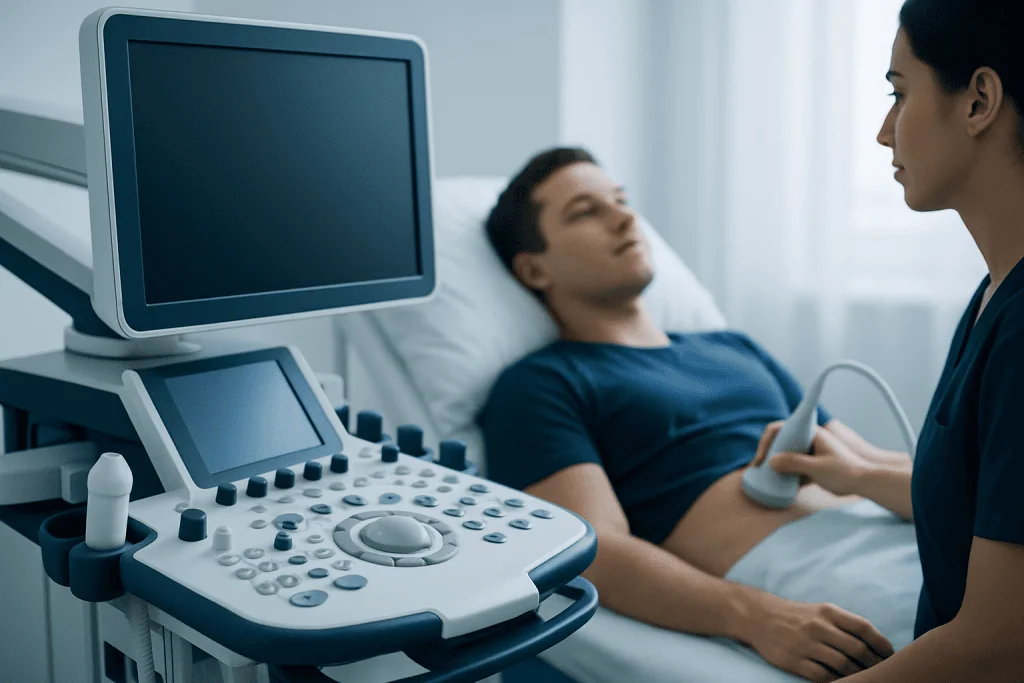
The main symptom of coitail is pain in or around the tailbone, especially when sitting, leaning backward, standing up from a seated position, or riding in a car for a long time. Some people describe the pain as sharp and localized, while others feel a dull ache or pressure deep in the pelvis.
Symptoms can vary depending on the cause. A recent bruise or fall may lead to tenderness with touch and pain during movement. If the surrounding muscles are tight or inflamed, there may also be aching in the lower back, buttocks, or pelvic area.
- Pain when sitting on hard surfaces
- Tenderness directly over the tailbone
- Pain that worsens when rising from a chair
- Discomfort during bowel movements in some cases
- Pain after trauma, childbirth, or prolonged sitting
Some symptoms are not typical of simple tailbone pain and deserve more attention. These include numbness, weakness in the legs, fever, unexplained weight loss, bowel or bladder changes, or pain that spreads significantly down the legs. In these situations, another spinal or pelvic condition may need to be ruled out.
Causes and risk factors

Coitail can happen for several reasons. A direct fall onto the buttocks is one of the best-known causes and may bruise the bone, strain ligaments, or rarely cause a fracture or dislocation. Repetitive pressure from long periods of sitting, especially on hard or narrow surfaces, can also irritate the coccyx and nearby soft tissues.
Childbirth is another recognized cause because the coccyx and pelvic floor can be placed under significant pressure during labor. In some people, symptoms begin gradually rather than after one clear event. Poor sitting posture, reduced core support, pelvic floor tension, obesity, rapid weight loss, or hypermobility can all contribute by changing how force is distributed through the tailbone area.
Less common causes include degenerative joint changes, local infection, pilonidal disease, referred pain from the lower spine, or tumors affecting the sacrum or coccyx. When symptoms overlap with lower back pain or nerve-related pain, doctors may also consider related conditions such as sciatica or other sources of lumbosacral discomfort.
Risk factors do not always mean a person will develop chronic pain. However, recurrent trauma, long sitting hours, previous tailbone injury, difficult childbirth, and delayed assessment after a significant injury can make symptoms more persistent.
How doctors diagnose coitail
Diagnosis begins with a careful medical history. A doctor usually asks when the pain started, whether there was a fall or recent childbirth, what makes symptoms worse, and whether there are warning signs such as numbness, weakness, fever, or bowel and bladder changes. This information helps determine whether the problem is likely to be localized tailbone pain or part of a broader spinal or pelvic issue.
A physical examination often includes checking tenderness over the coccyx, observing posture and movement, and assessing the lower back, hips, and surrounding muscles. In selected cases, a clinician may evaluate pelvic floor tension or the mobility of the coccyx to see whether abnormal movement is contributing to pain.
Imaging is not needed for every patient, but it can be useful when symptoms are severe, long-lasting, or follow substantial trauma. Plain X-rays may show a fracture, dislocation, or unusual curvature. Advanced imaging such as MRI scan can help evaluate soft tissues, inflammation, and nearby structures when the cause is not clear or when another condition is suspected.
Some people with tailbone pain also have symptoms that overlap with lower spine disorders. If a doctor suspects a broader musculoskeletal problem, further assessment may include evaluation of the sacrum, lumbar spine, or nearby joints, sometimes with imaging support such as X-ray imaging when appropriate.
Treatment options for coitail
Most cases improve with conservative treatment. Reducing pressure on the area is usually the first step. This may include using a wedge-shaped or coccyx cushion, avoiding prolonged sitting, leaning slightly forward while seated, and taking regular movement breaks. Cold packs soon after an injury and heat later on may also help, depending on the situation.
Doctors may recommend short-term pain relief strategies, anti-inflammatory medicines when suitable, and guided exercises. Physical therapy can be especially helpful for posture, core support, pelvic alignment, and soft-tissue tension. In some patients, pelvic floor therapy is useful if muscle spasm or internal tension is contributing to pain.
When symptoms do not improve, targeted treatments may be considered. These can include local injections, manual therapy, or treatment of an underlying spinal or joint problem. If the pain is related to broader musculoskeletal issues, evaluation by specialists in physical therapy and rehabilitation can help build a more individualized plan.
Surgery is uncommon and usually reserved for carefully selected patients with persistent, well-documented coccygeal pain that has not responded to non-surgical care. Because other disorders can mimic tailbone pain, a thorough evaluation is important before considering any invasive treatment.
Self-care, recovery, and prevention
Recovery often depends on the cause. A simple bruise may improve over weeks, while irritation related to posture, repetitive sitting, or pelvic floor tension may take longer if habits are not adjusted. People generally recover better when they balance rest with gentle movement rather than becoming completely inactive.
Helpful self-care steps include sitting on a supportive cushion, changing positions often, avoiding slumped posture, and returning gradually to exercise. Gentle stretching and strengthening programs recommended by a clinician or therapist may reduce recurrence by improving how the pelvis and lower spine handle pressure.
- Use a coccyx or wedge cushion when sitting
- Take standing or walking breaks every 30 to 60 minutes
- Avoid hard surfaces when possible
- Maintain comfortable bowel habits to reduce straining
- Resume activity gradually after injury or childbirth
Prevention is not always possible, but practical measures can lower risk. These include good ergonomic support, safe movement habits, attention to posture, and early care for persistent pain. In international care settings, Acibadem International’s multidisciplinary specialists and JCI-accredited hospitals evaluate and treat tailbone and spine-related pain for patients who need further assessment.
When to seek medical care
Medical care is advisable if coitail pain lasts more than a few weeks, interferes with normal sitting or walking, or follows a significant fall, sports injury, or childbirth-related trauma. Assessment is also useful when home measures have not helped or when the pain keeps returning.
Prompt medical attention is especially important if tailbone pain is accompanied by numbness, leg weakness, loss of bowel or bladder control, fever, drainage or swelling near the skin, unexplained weight loss, or night pain that does not improve with position changes. These symptoms may suggest a condition other than simple coccyx irritation.
Some patients need evaluation of the lower back or nerves, particularly if symptoms radiate beyond the tailbone. In those cases, a doctor may consider related spinal disorders, including herniated disc, to guide the next steps safely and accurately.
Frequently asked questions
Is coitail the same as coccydynia?
Coitail is a nonstandard everyday term that people may use for tailbone pain. Coccydynia is the medical term for ongoing pain centered around the coccyx, or tailbone.
Can coitail go away on its own?
Yes, many mild cases improve with time, posture changes, and reduced pressure on the tailbone. Recovery may be slower if pain is related to repeated sitting strain, childbirth, or an untreated injury.
What makes tailbone pain worse?
Sitting for long periods, leaning backward in a chair, sitting on hard surfaces, and standing up from a seated position often make symptoms worse. Straining, recent trauma, or tight surrounding muscles can also increase discomfort.
Do all people with coitail need imaging tests?
No, imaging is not always necessary. Doctors usually reserve X-rays or MRI for severe symptoms, persistent pain, significant trauma, or situations where another condition needs to be excluded.
What kind of doctor treats coitail?
Primary care doctors, orthopedic specialists, physical medicine and rehabilitation specialists, pain specialists, and sometimes pelvic floor therapists may all be involved. The most suitable clinician depends on the cause and how long symptoms have lasted.
Can childbirth cause coitail?
Yes, labor and delivery can place pressure on the coccyx and pelvic floor, which may lead to tailbone pain afterward. Most cases improve with conservative care, but persistent pain should be assessed by a qualified doctor.
This article is for general information only and is not a substitute for professional medical advice. Please consult a qualified doctor about your individual situation.
Joint and spine care in Turkey — expert assessment & treatment
JCI-accredited · board-certified surgeons · reply within 24h
Add us as a Preferred Source to see more of our trusted health content across Google Search, AI Overviews and Discover.

More from the Health Library
MRI Scan: An Evidence-Based Guide for Patients

Myxedema: An Evidence-Based Guide for Patients

Svt Ablation: A Complete Medical Overview

Eczema on Face: A Complete Medical Overview

Am I Gay: What Patients Need to Know